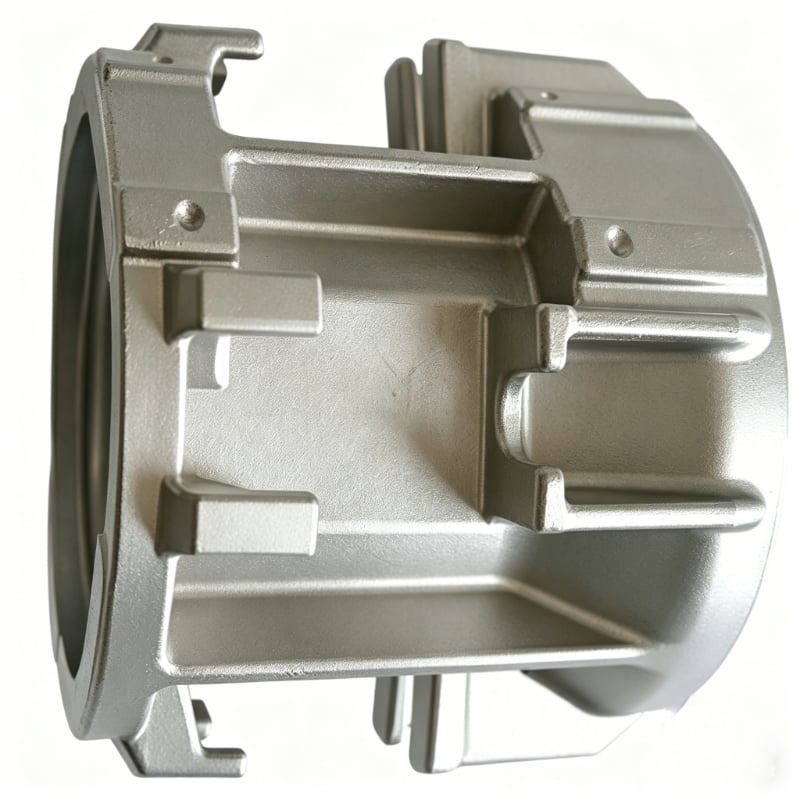
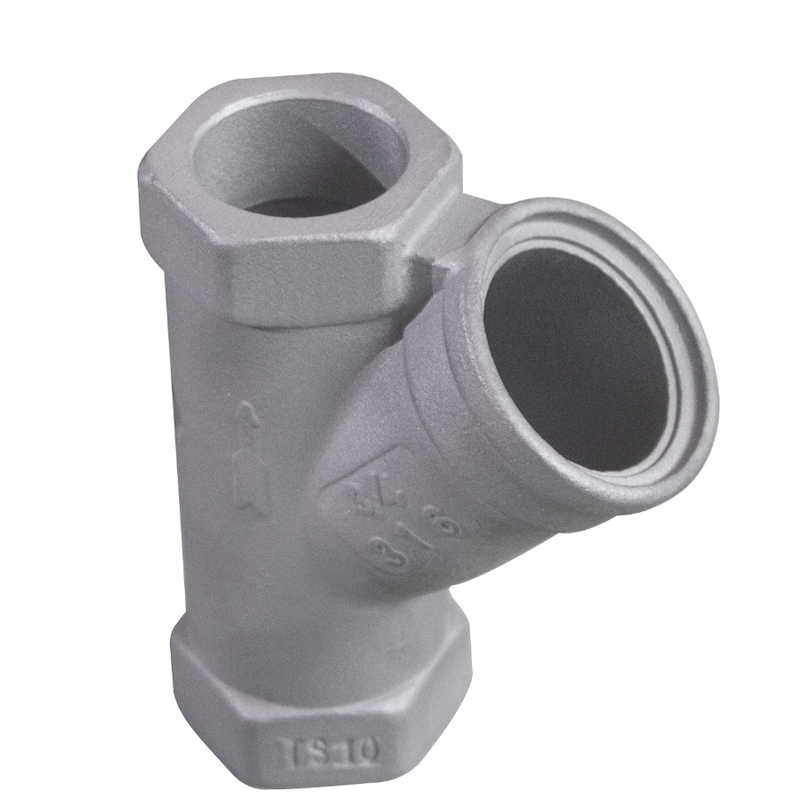
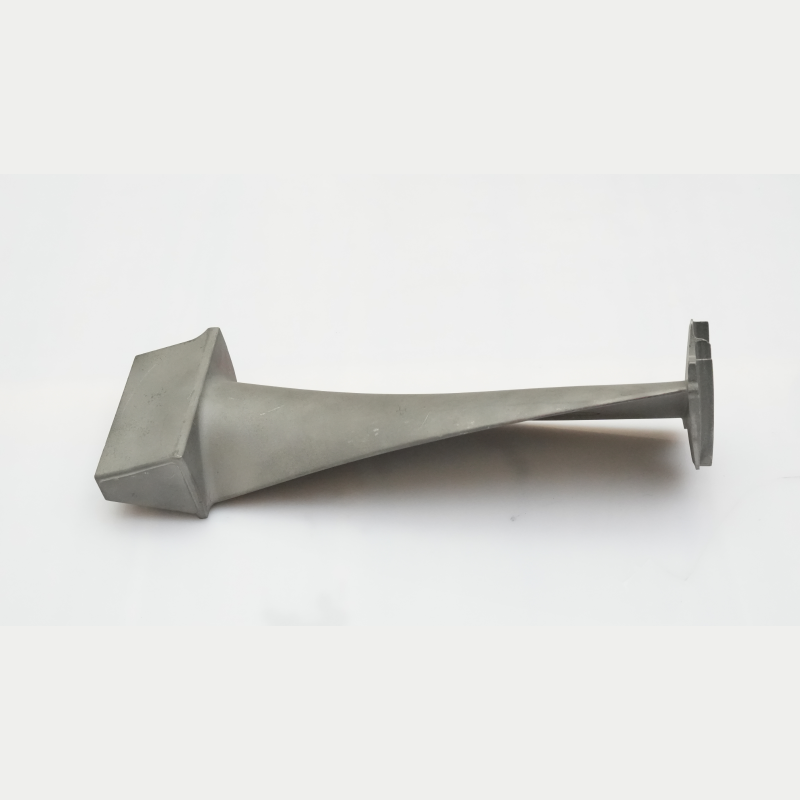
μεταλλικά εξαρτήματα με ακριβή μηχανική κατασκευή
Τα ακριβείας μηχανοκατασκευασμένα μεταλλικά εξαρτήματα αποτελούν την κορυφαία έκφραση της σύγχρονης αριστείας στην παραγωγή, προσφέροντας εξαιρετική ποιότητα και απόδοση σε διάφορες βιομηχανικές εφαρμογές. Αυτά τα επιμελώς κατασκευασμένα εξαρτήματα παράγονται με χρήση προηγμένων μηχανικών διαδικασιών, όπως CNC φρεζάρισμα, τόρνευση, λείανση και μηχανική εκκένωσης (EDM), για να επιτευχθούν ανοχές που μετρώνται σε μικρόμετρα. Η κύρια λειτουργία των ακριβείας μηχανοκατασκευασμένων μεταλλικών εξαρτημάτων είναι να παρέχουν αξιόπιστες, υψηλής απόδοσης λύσεις που πληρούν αυστηρές προδιαγραφές σε κρίσιμες εφαρμογές, όπου η αποτυχία δεν είναι επιλογή. Αυτά τα εξαρτήματα αποτελούν ουσιαστικά δομικά στοιχεία σε πολύπλοκα μηχανικά συστήματα, διασφαλίζοντας ομαλή λειτουργία, επεκτεταμένη διάρκεια ζωής και βέλτιστη λειτουργικότητα. Οι τεχνολογικές ιδιότητες των ακριβείας μηχανοκατασκευασμένων μεταλλικών εξαρτημάτων περιλαμβάνουν ανώτερη διαστατική ακρίβεια, εξαιρετικές επιφανειακές καταλήξεις και συνεκτικές ιδιότητες των υλικών, οι οποίες εγγυώνται προβλέψιμη απόδοση υπό απαιτητικές συνθήκες. Προηγμένα μέτρα ελέγχου ποιότητας, όπως μηχανήματα συντεταγμένων μετρήσεων (CMM) και οπτικά συστήματα επιθεώρησης, επαληθεύουν ότι κάθε εξάρτημα πληροί τις αυστηρές προδιαγραφές πριν από την παράδοσή του. Η διαδικασία κατασκευής ενσωματώνει κορυφαίο λογισμικό CAD/CAM, επιτρέποντας στους μηχανικούς να μετατρέπουν πολύπλοκα σχέδια σε φυσική πραγματικότητα με εκπληκτική ακρίβεια. Αυτά τα εξαρτήματα βρίσκουν εφαρμογή σε πολλές βιομηχανίες, συμπεριλαμβανομένων των τομέων αεροδιαστημικής, ιατρικών συσκευών, αυτοκινήτου, ηλεκτρονικών, ενέργειας και άμυνας. Σε εφαρμογές αεροδιαστημικής, τα ακριβείας μηχανοκατασκευασμένα μεταλλικά εξαρτήματα αποτελούν κρίσιμα μέρη των κινητήρων, των συστημάτων προσγείωσης και των συστημάτων ελέγχου, όπου η ασφάλεια και η αξιοπιστία είναι καθοριστικής σημασίας. Οι κατασκευαστές ιατρικών συσκευών βασίζονται σε αυτά τα εξαρτήματα για χειρουργικά εργαλεία, εμφυτεύματα και διαγνωστικό εξοπλισμό που απαιτούν βιοσυμβατότητα και ακρίβεια. Η αυτοκινητοβιομηχανία χρησιμοποιεί ακριβείας μηχανοκατασκευασμένα μεταλλικά εξαρτήματα σε συστήματα μετάδοσης, συναρμολογήσεις ψεκασμού καυσίμου και εξαρτήματα κινητήρων, προκειμένου να βελτιωθεί η απόδοση και η αποδοτικότητα. Οι κατασκευαστές ηλεκτρονικών εξαρτημάτων εξαρτώνται από αυτά τα εξαρτήματα για συνδέσμους, περιβλήματα και λύσεις διαχείρισης θερμότητας. Στον τομέα της ενέργειας, οι εφαρμογές περιλαμβάνουν εξαρτήματα τουρμπινών, συναρμολογήσεις βαλβίδων και ειδικά φιτίνγκ που αντέχουν ακραίες πιέσεις και θερμοκρασίες. Η ευελιξία των ακριβείας μηχανοκατασκευασμένων μεταλλικών εξαρτημάτων προέρχεται από τη δυνατότητα εργασίας με διάφορα υλικά, όπως ανοξείδωτο χάλυβα, αλουμίνιο, τιτάνιο, ορείχαλκο και ειδικές κράματα, τα οποία επιλέγονται καθένα για συγκεκριμένα χαρακτηριστικά απόδοσης και περιβαλλοντικές απαιτήσεις.

 EN
EN