Οικονομική Παραγωγή σε Όλες τις Κλίμακες Όγκου
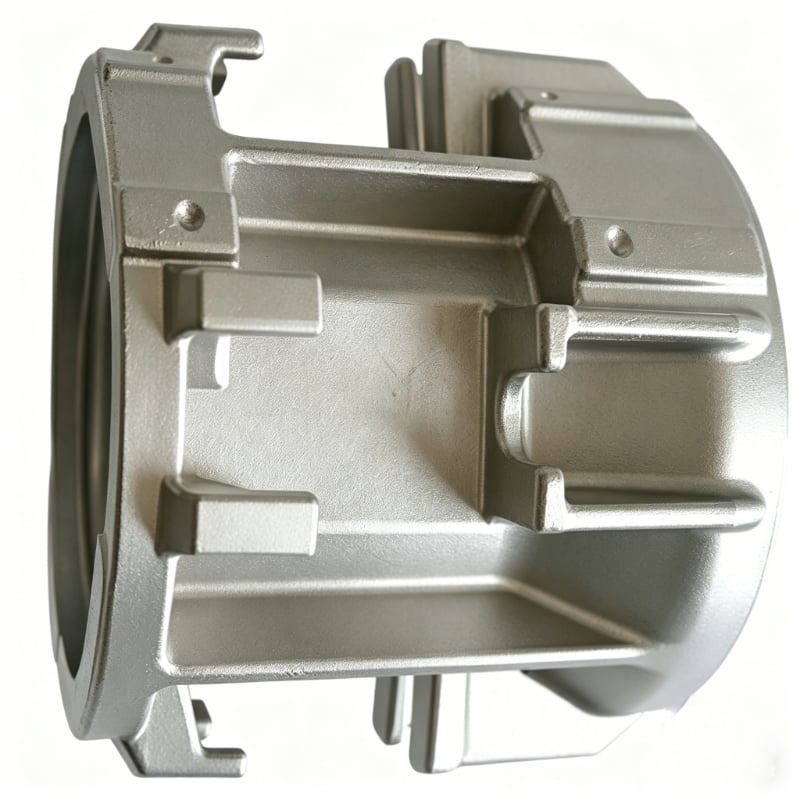
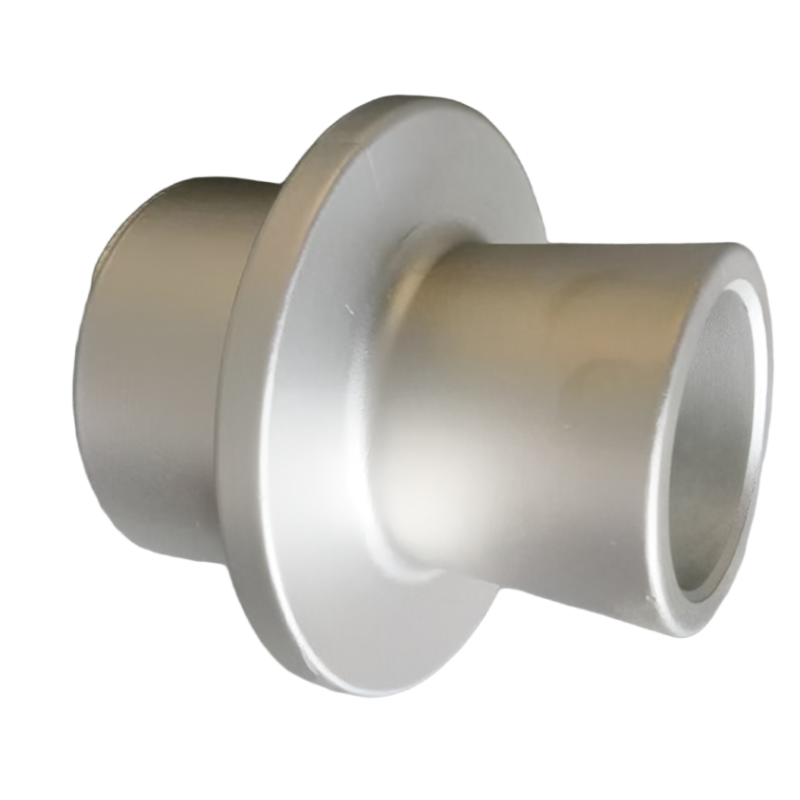
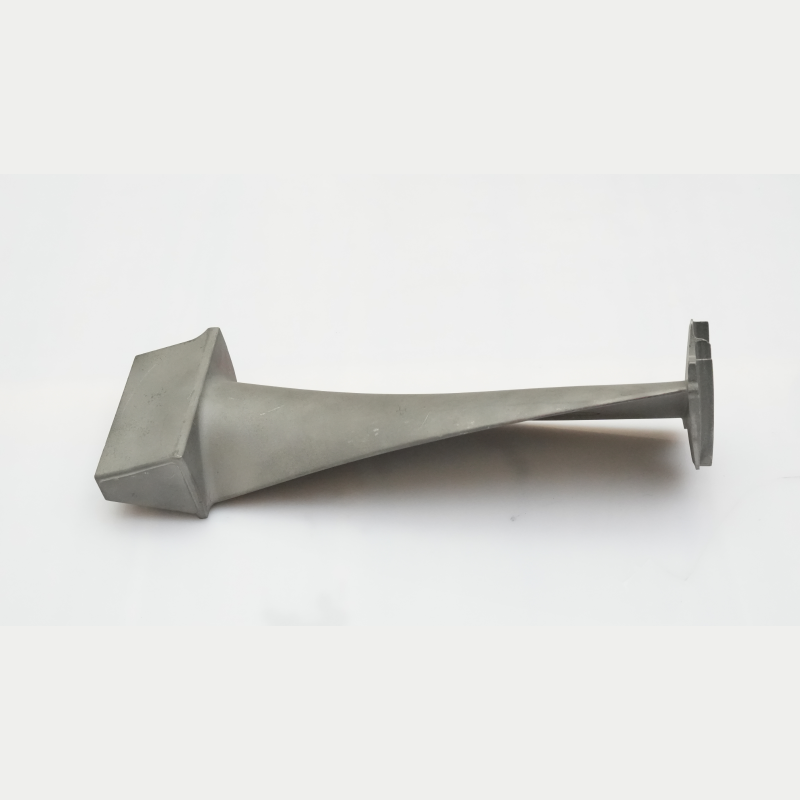
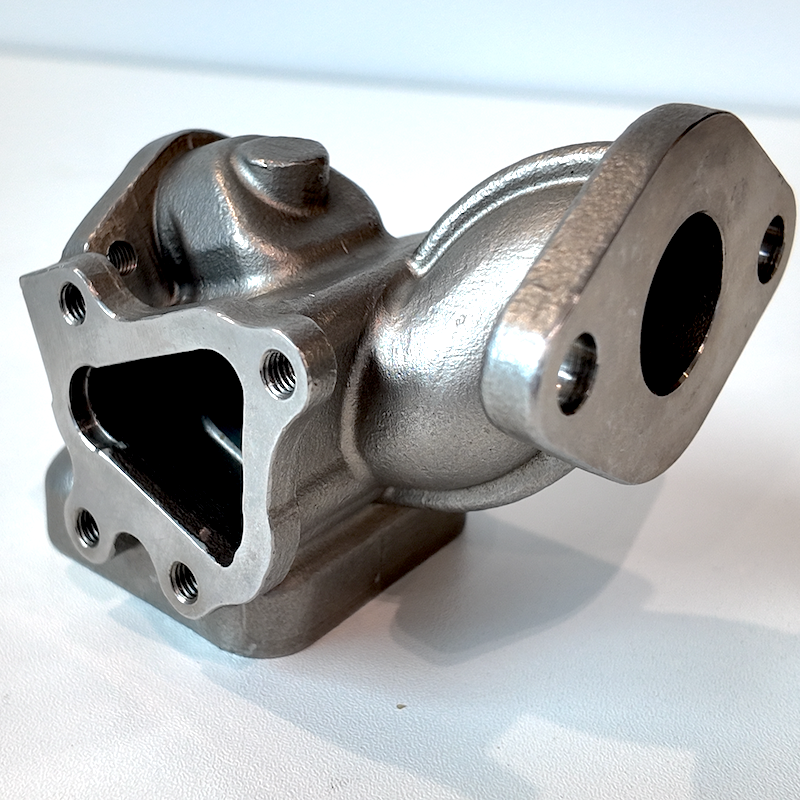
Οι οικονομικές πλεονεκτήματα της ακριβούς χύτευσης κραμάτων χάλυβα εκτείνονται σε διάφορα σενάρια παραγωγής, από ποσότητες πρωτοτύπων μέχρι μεγάλης κλίμακας παραγωγή. Αυτή η κλιμάκωση καθιστά τη διαδικασία προσβάσιμη, είτε χρειάζεστε μερικά εξειδικευμένα εξαρτήματα είτε χιλιάδες ταυτόσημα εξαρτήματα ετησίως. Για παραγωγή μικρής κλίμακας, η ακριβής χύτευση αποφεύγει τις σημαντικές επενδύσεις σε καλούπια για σφυρηλάτηση ή τα κόστη προγραμματισμού και εγκατάστασης εκτεταμένων κατεργασιών μηχανικής. Η δημιουργία των μοντέλων αποτελεί το κύριο αρχικό κόστος, ενώ σύγχρονες τεχνικές κατασκευής, όπως η προσθετική κατασκευή (additive manufacturing) για μοντέλα, έχουν μειώσει σημαντικά ακόμη και αυτό το κόστος. Μόλις υπάρχουν τα μοντέλα, η παραγωγή μικρών παρτίδων καθίσταται οικονομικά βιώσιμη, καθώς κάθε κύκλος χύτευσης παράγει εξαρτήματα σχεδόν έτοιμα για χρήση, χωρίς να απαιτείται μακρόχρονη κατάληψη των μηχανημάτων. Η οικονομική σας κατάσταση βελτιώνεται δραματικά όταν συγκρίνετε το συνολικό κόστος κατεργασίας πολύπλοκων εξαρτημάτων από στερεά μπιλέτ αντί για χύτευσή τους σε σχήμα σχεδόν τελικού. Μόνο η εξοικονόμηση υλικού συχνά δικαιολογεί την ακριβή χύτευση για εξαρτήματα όπου η συμβατική κατεργασία θα αφαιρούσε εβδομήντα τοις εκατό ή περισσότερο του αρχικού υλικού ως υπολείμματα. Αυτά τα υπολείμματα έχουν αξία μόνο ως σκραπ μέταλλο, ενώ η ακριβής χύτευση ενσωματώνει σχεδόν ολόκληρο το κράμα χάλυβα απευθείας στη λειτουργική γεωμετρία. Το κόστος εργασίας μειώνεται αναλογικά, καθώς οι ειδικευμένοι τεχνίτες δεν χρειάζεται να παρακολουθούν τις μηχανές κατά τη διάρκεια εκτεταμένων κοπτικών εργασιών, ενώ ο χρόνος εγκατάστασης για κάθε τεμάχιο μειώνεται όταν αντικαθίσταται η εκτεταμένη κατεργασία με ελάχιστη τελική επεξεργασία. Καθώς αυξάνονται οι όγκοι παραγωγής, τα πλεονεκτήματα της ακριβούς χύτευσης σε ό,τι αφορά το κόστος ανά μονάδα γίνονται ακόμη πιο έντονα. Οι οικονομίες κλίμακας εφαρμόζονται και στην κατασκευή καλουπιών, επιτρέποντας επενδύσεις σε πιο ανθεκτικά εργαλεία που μειώνουν το κόστος ανά τεμάχιο των μοντέλων σε χιλιάδες χυτέυματα. Τα συστήματα αυτοματοποιημένης χειριστικής ενσωματώνονται οικονομικά σε παραγωγές υψηλότερης κλίμακας, μειώνοντας περαιτέρω το κόστος εργασίας και βελτιώνοντας την ενιαιότητα. Ο γρήγορος ρυθμός παραγωγής που επιτυγχάνεται με βελτιστοποιημένες διαδικασίες χύτευσης σημαίνει συντομότερους χρόνους παραγωγής και χαμηλότερα κόστη φύλαξης αποθεματικών σε εξέλιξη. Ρευστότητά σας βελτιώνεται όταν τα τελικά προϊόντα φτάνουν στους πελάτες γρηγορότερα, ενώ η ικανότητά σας να ανταποκρίνεστε σε διακυμάνσεις της ζήτησης αυξάνεται όταν οι κύκλοι παραγωγής συρρικνώνονται. Το κόστος ποιότητας μειώνεται στην παραγωγή μεγάλης κλίμακας, καθώς η εγγενής επαναληψιμότητα της ακριβούς χύτευσης μειώνει τις απαιτήσεις ελέγχου σε σύγκριση με διαδικασίες με μεγαλύτερη μεταβλητότητα. Ο έλεγχος στατιστικής διαδικασίας (Statistical Process Control) παρακολουθεί αποτελεσματικά τις λειτουργίες χύτευσης, επιτρέποντας στρατηγικές δειγματοληψίας για έλεγχο που διασφαλίζουν την ποιότητα ενώ ελαχιστοποιούν τον χρόνο μέτρησης. Η μείωση των ποσοστών απορριμμάτων και επανεργασίας διατηρεί τα περιθώρια κέρδους, καθώς η ελεγχόμενη φύση της ακριβούς χύτευσης παράγει λιγότερα ελαττωματικά εξαρτήματα σε σύγκριση με διαδικασίες που εξαρτώνται από τη δεξιοτεχνία του χειριστή και τη μεταβλητότητα της κατάστασης των μηχανημάτων.

 EN
EN