alloy steel precision casting
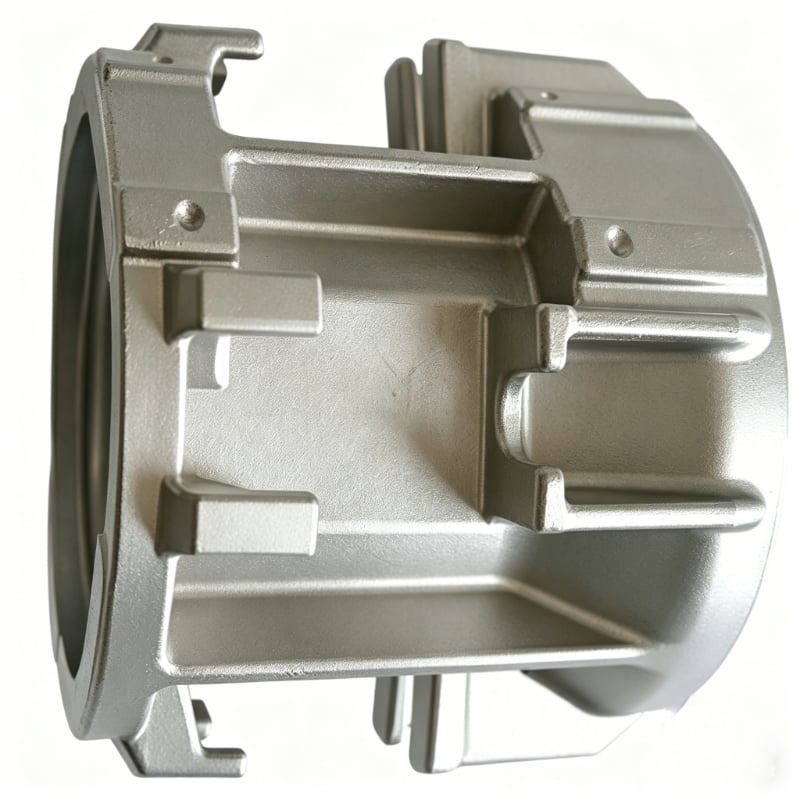
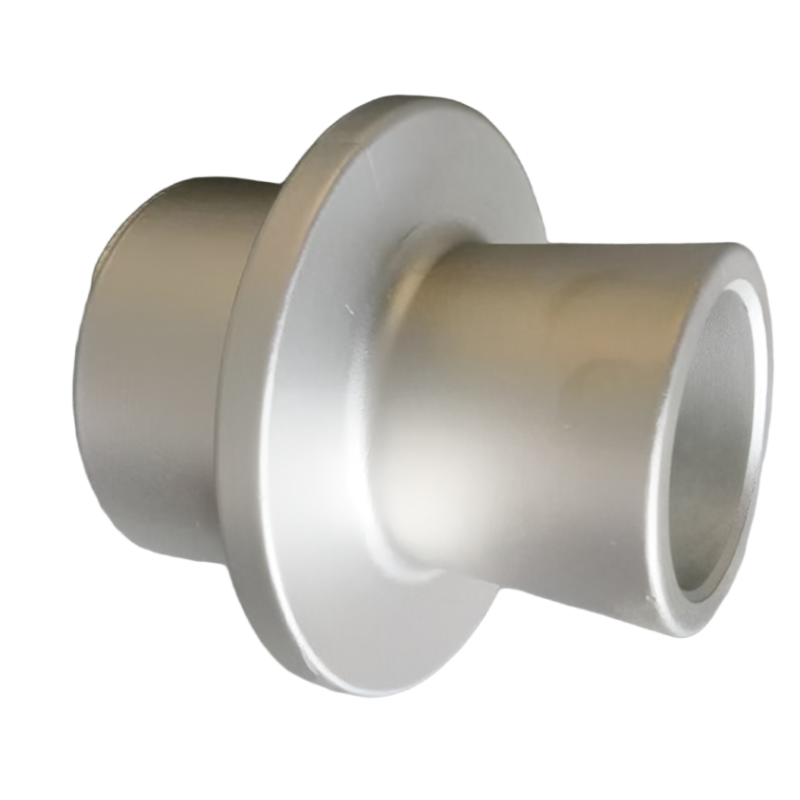
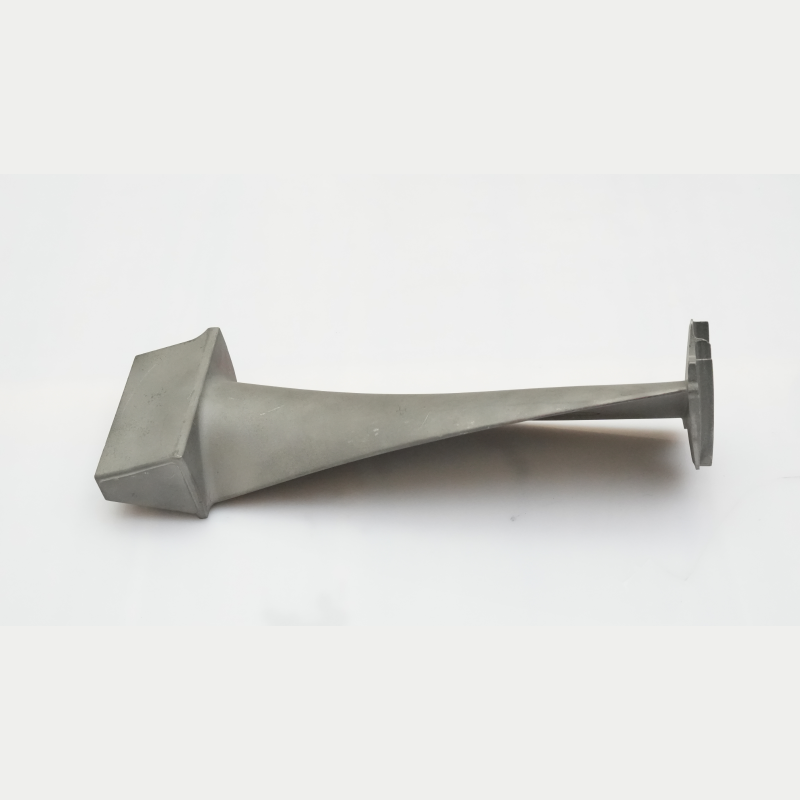
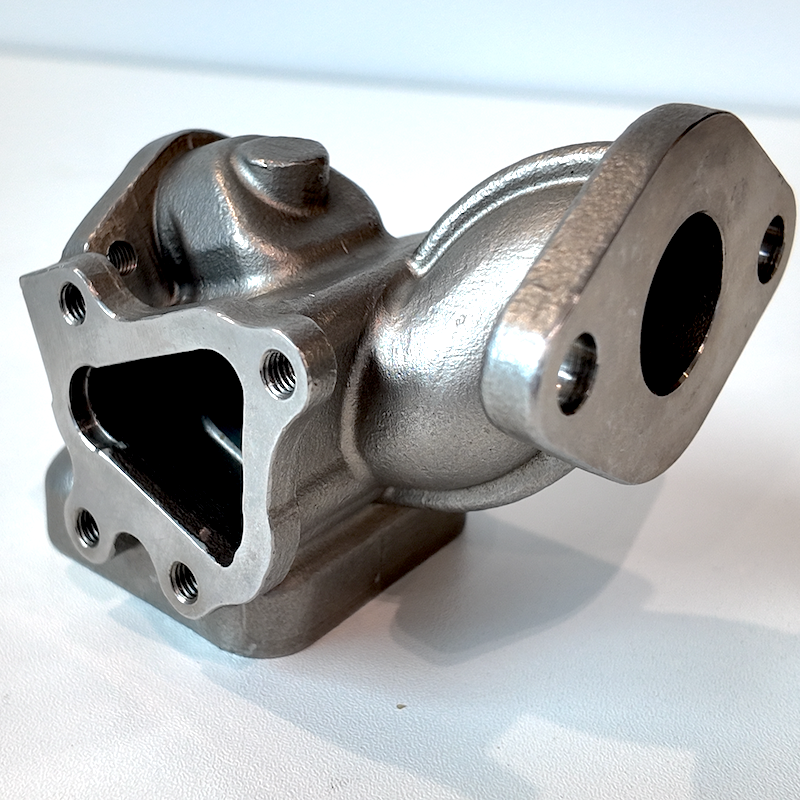
Alloy steel precision casting represents a sophisticated manufacturing method that combines advanced metallurgy with intricate molding techniques to produce components with exceptional accuracy and superior mechanical properties. This process involves melting specialized alloy steel formulations and pouring them into carefully designed molds that replicate the exact geometry of the desired part. The main function of alloy steel precision casting is to create complex metal components that would be difficult or impossible to manufacture through conventional machining methods while maintaining tight dimensional tolerances and excellent surface finishes. The technological features of this casting method include the ability to produce intricate internal passages, thin walls, and complex geometries in a single piece without assembly requirements. The process utilizes investment casting techniques combined with controlled cooling environments to ensure uniform grain structure throughout the component. Temperature management systems monitor every stage of solidification to prevent defects and optimize material properties. Advanced simulation software predicts flow patterns and identifies potential weak points before production begins. The applications of alloy steel precision casting span numerous industries where strength, durability, and precision are paramount. Aerospace manufacturers rely on this technology for turbine blades, structural brackets, and engine components that must withstand extreme temperatures and stresses. Automotive industries employ these castings for transmission housings, suspension components, and specialized engine parts requiring exact specifications. Medical device manufacturers utilize alloy steel precision casting for surgical instruments and implantable components where biocompatibility and strength matter critically. Energy sector applications include valve bodies, pump components, and pipeline fittings that operate under high pressure conditions. Defense contractors depend on this manufacturing process for weapon systems, vehicle armor components, and specialized equipment that demands reliability under harsh operational environments. Industrial machinery benefits from precision cast gears, housings, and structural elements that maintain performance over extended service life.

 EN
EN