Alloy Steel Precision Casting: High-Quality Metal Components with Superior Accuracy

Get a Free Quote

Our representative will contact you soon.
Email
Name
Company Name
Message
0/1000

alloy steel precision casting

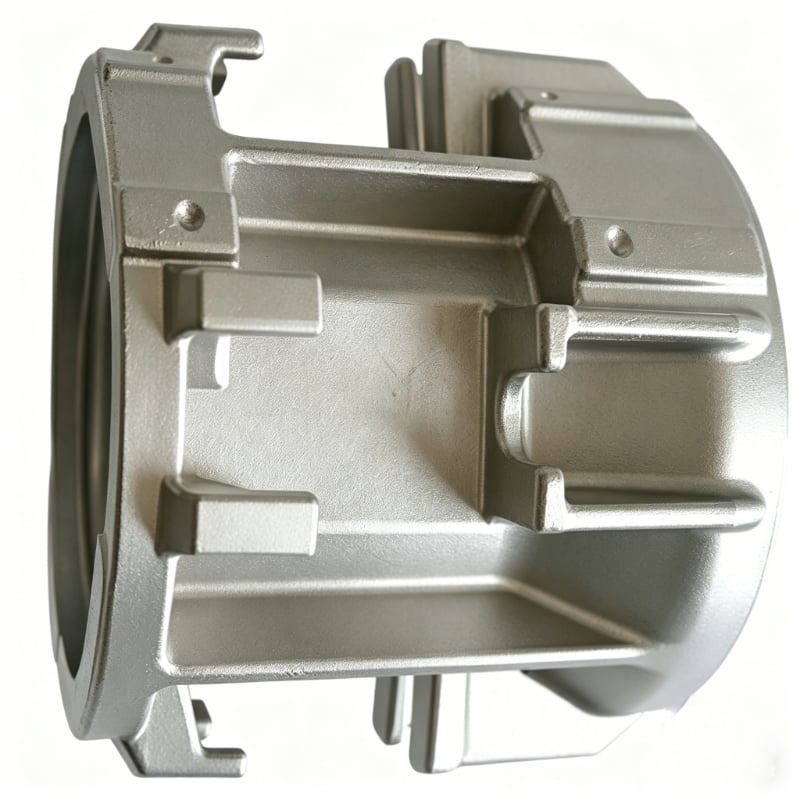
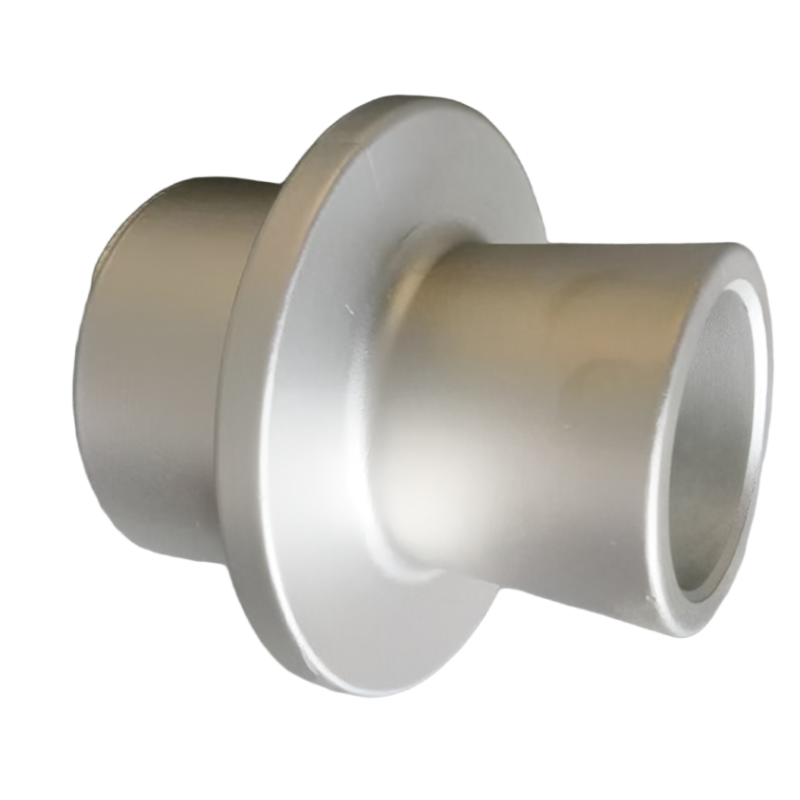
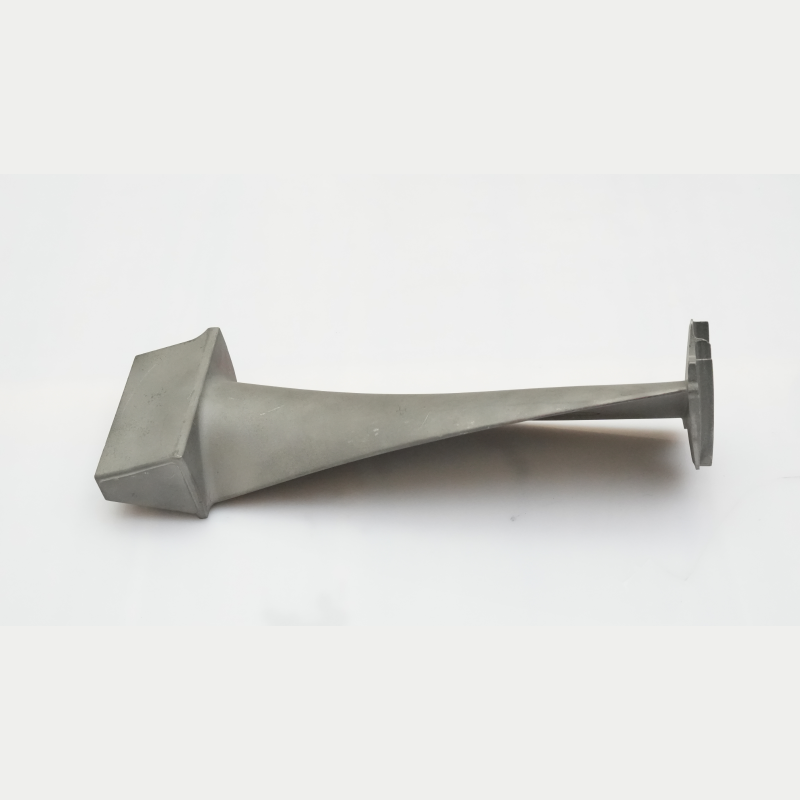
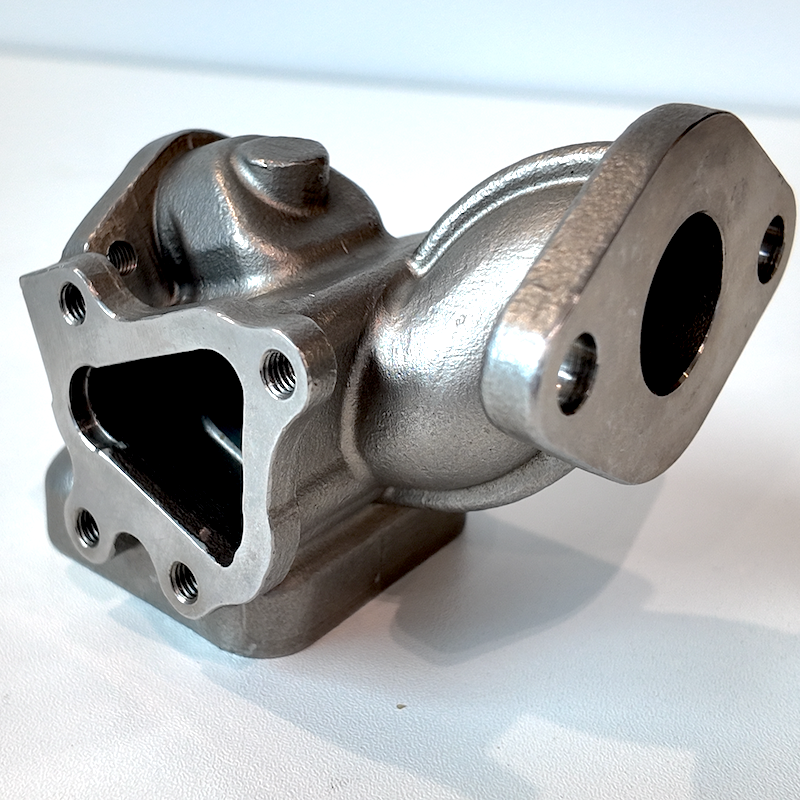
Alloy steel precision casting represents a sophisticated manufacturing process that combines the strength and durability of alloyed metals with the accuracy of investment casting techniques. This method produces complex metal components with exceptional dimensional accuracy and superior surface finishes. The process involves creating detailed wax patterns, coating them with ceramic materials, melting out the wax, and pouring molten alloy steel into the resulting cavity. Alloy steel precision casting serves multiple critical functions across diverse industries. The primary function centers on creating intricate parts that would be difficult or impossible to machine from solid metal blocks. This manufacturing approach enables production of components with internal passages, undercuts, and complex geometries while maintaining tight tolerances. The technological features of alloy steel precision casting distinguish it from conventional manufacturing methods. The process achieves dimensional accuracies within plus or minus 0.005 inches, eliminating extensive secondary machining operations. Surface finishes typically range from 125 to 250 microinches, providing smooth surfaces ready for immediate use or requiring minimal finishing work. The casting method accommodates wall thicknesses as thin as 0.040 inches, optimizing material usage and reducing overall component weight. Temperature control systems ensure proper metallurgical properties throughout each casting. Applications for alloy steel precision casting span numerous sectors including aerospace, automotive, energy generation, medical devices, and industrial machinery. Aerospace manufacturers utilize this process for turbine components, structural brackets, and flight control mechanisms. Automotive producers create transmission parts, suspension components, and engine elements. Energy sector applications include pump housings, valve bodies, and pipeline connectors. Medical device manufacturers produce surgical instruments and implantable components. Industrial equipment makers rely on alloy steel precision casting for gearbox housings, tool holders, and specialized fixtures. The versatility of alloy steel precision casting makes it invaluable for prototyping and full-scale production runs alike.

New Products

The advantages of alloy steel precision casting deliver tangible benefits that directly impact your bottom line and product quality. First and foremost, this manufacturing method dramatically reduces material waste compared to traditional machining processes. When you machine a complex part from solid stock, up to seventy percent of the material becomes chips and scrap. Alloy steel precision casting uses only the material needed for the actual component, with excess limited to gates and risers that can often be recycled. This efficiency translates to lower raw material costs and reduced environmental impact. The design freedom offered by alloy steel precision casting opens new possibilities for your engineering teams. You can consolidate multiple machined parts into a single cast component, eliminating assembly steps, reducing potential failure points, and decreasing overall production time. Complex internal features such as cooling channels, weight-reduction cavities, and intricate external geometries become achievable without expensive multi-axis machining operations. Cost savings extend beyond material efficiency. The near-net-shape nature of alloy steel precision casting means your components require minimal finishing work. You avoid the expense of extensive machining time, cutting tool wear, and skilled machining labor. For production runs ranging from fifty to fifty thousand pieces, this process often proves more economical than alternative methods. Setup costs distribute across the production quantity, making even moderate volumes financially attractive. Quality consistency represents another significant advantage. Each casting reproduces the master pattern with remarkable fidelity, ensuring uniform dimensions across your entire production run. This repeatability reduces inspection time and virtually eliminates the variation inherent in sequential machining operations. Your quality control processes become more straightforward, and your reject rates decrease substantially. The mechanical properties achievable through alloy steel precision casting meet or exceed those of wrought materials. Controlled cooling rates and heat treatment options allow you to optimize strength, hardness, and ductility for your specific application requirements. You can select from numerous alloy compositions including stainless steels, tool steels, and specialized high-performance alloys. Lead times for alloy steel precision casting compare favorably with other manufacturing methods. Once tooling is complete, production proceeds rapidly. You can receive first articles within weeks rather than months, accelerating your product development cycles and time to market. For modification or design iterations, changes to wax injection tooling cost significantly less than alterations to forging dies or machining fixtures.

Latest News

Selection And Application Scope Of Hardness Tester

11

May

Selection And Application Scope Of Hardness Tester

View More
The Role Of Elements In Castings And The Order Of Addition

11

May

The Role Of Elements In Castings And The Order Of Addition

View More
Stainless Steel Castings for Architectural Posts

11

May

Stainless Steel Castings for Architectural Posts

View More
Stainless Steel Castings for Building Facade Systems

11

May

Stainless Steel Castings for Building Facade Systems

View More

Get a Free Quote

Our representative will contact you soon.
Email
Name
Company Name
Message
0/1000

alloy steel precision casting

Exceptional Dimensional Accuracy and Surface Quality

Exceptional Dimensional Accuracy and Surface Quality

One of the most compelling attributes of alloy steel precision casting lies in its ability to produce components with outstanding dimensional accuracy and superior surface finishes that meet the most demanding specifications. This manufacturing process routinely achieves tolerances within plus or minus 0.005 inches across critical dimensions, a level of precision that approaches or matches capabilities of finish machining operations. For many applications, components emerge from the casting process ready for immediate assembly or use, requiring no additional machining except for specific functional surfaces such as bearing journals or seal faces. The surface quality obtained through alloy steel precision casting typically measures between 125 and 250 microinches Ra, providing smooth finishes that reduce friction, improve aesthetic appearance, and enhance corrosion resistance. This surface excellence results from the fine ceramic shell materials used in the investment casting process, which capture minute details and produce surfaces far superior to sand casting methods. The economic implications of this dimensional accuracy prove substantial for manufacturers seeking to optimize production costs. Traditional machining approaches require significant setup time, multiple tool changes, and skilled operators to achieve comparable precision. Each machining operation introduces opportunities for dimensional variation and potential errors. Alloy steel precision casting eliminates these variables by reproducing the master pattern with consistent fidelity across hundreds or thousands of pieces. Your manufacturing team spends less time on inspection and rework, and your assembly processes benefit from components that fit together properly the first time. The technical capabilities extend to maintaining tight tolerances on complex features including thin walls, deep cavities, and intricate contours. While conventional machining struggles with accessibility issues when creating internal features or undercuts, alloy steel precision casting forms these elements as integral parts of the component. This capability proves particularly valuable in aerospace applications where weight reduction demands thin-wall construction, and in hydraulic components where internal passages must follow specific flow paths. Quality assurance becomes more straightforward and cost-effective when working with alloy steel precision casting. The inherent repeatability means your inspection sampling plans can be less intensive while still ensuring specification compliance. Statistical process control data shows tighter distributions and fewer outliers compared to sequential machining operations where tool wear and thermal effects introduce progressive variation.
Superior Mechanical Properties and Material Versatility

Superior Mechanical Properties and Material Versatility

Alloy steel precision casting delivers mechanical properties that rival or surpass those achieved through wrought processing methods, providing engineers with exceptional material performance across diverse operating conditions. The controlled solidification environment inherent in precision casting allows metallurgists to optimize grain structure, minimize inclusions, and achieve uniform properties throughout each component. This metallurgical quality stems from careful control of pouring temperature, mold preheating, and cooling rates that influence how the molten metal transitions to solid state. The resulting microstructure exhibits fine grain size and homogeneous distribution of alloying elements, contributing to superior strength, toughness, and fatigue resistance. Material selection flexibility represents a significant advantage for design engineers working with alloy steel precision casting. The process accommodates an extensive range of ferrous alloys including martensitic stainless steels, austenitic stainless steels, precipitation-hardening stainless steels, low-alloy steels, and specialized high-performance compositions. Each alloy family brings specific property combinations suited to particular service environments. Martensitic stainless steel castings provide excellent hardness and wear resistance after heat treatment, making them ideal for cutting tools, valve components, and wear parts. Austenitic stainless steel castings offer outstanding corrosion resistance and maintain ductility at cryogenic temperatures, serving chemical processing, food handling, and marine applications. Precipitation-hardening alloys combine corrosion resistance with heat-treatable strength levels approaching tool steels. Heat treatment capabilities further expand the performance envelope of alloy steel precision casting. Components can undergo solution annealing, quenching, and tempering to achieve desired hardness levels. Age-hardening treatments develop maximum strength in precipitation-hardening alloys. Stress-relieving operations remove residual stresses without significantly altering mechanical properties. This heat treatment flexibility allows a single casting design to serve multiple applications by varying the thermal processing parameters. The absence of directional properties sometimes found in wrought materials provides another benefit. Forged and rolled products exhibit grain flow patterns that create anisotropic behavior, with strength varying depending on orientation relative to the working direction. Alloy steel precision casting produces more isotropic properties, delivering consistent performance regardless of load direction. This characteristic proves valuable in components experiencing multi-axial stress states or unpredictable loading conditions. Testing and certification processes for alloy steel precision casting ensure material properties meet specification requirements, with capabilities for full traceability and documentation supporting critical applications in aerospace, medical, and energy sectors.
Cost-Effective Production for Complex Geometries

Cost-Effective Production for Complex Geometries

The economic advantages of alloy steel precision casting become most apparent when manufacturing components with complex three-dimensional geometries that would require extensive machining, multiple operations, or assembly of several simpler parts. This manufacturing method excels at producing intricate shapes incorporating features such as internal passages, undercuts, varying wall thicknesses, and organic contours in a single integrated component. The cost effectiveness derives from multiple factors working in combination to reduce overall part production expenses while maintaining or improving quality standards. Traditional machining approaches to complex components often necessitate expensive multi-axis equipment, extensive programming time, and lengthy cutting operations. Each additional feature adds machining time and cost. Difficult-to-access areas may require special tooling or unconventional setups. Deep cavities and thin walls present challenges for maintaining dimensional stability and avoiding chatter. Alloy steel precision casting sidesteps these complications by forming the complete geometry in one operation, regardless of complexity. The relationship between design complexity and manufacturing cost follows a fundamentally different curve compared to machining. While machining costs escalate rapidly with increased feature complexity, casting costs remain relatively stable since the process forms simple and complex shapes with similar efficiency. This economic characteristic encourages design optimization, allowing engineers to incorporate features that improve functionality without proportionate cost penalties. Weight reduction pockets, reinforcing ribs, and streamlined contours that would be prohibitively expensive to machine become practical and cost-effective through alloy steel precision casting. Tooling investment for alloy steel precision casting proves reasonable across a wide production volume range. For quantities exceeding several hundred pieces, the per-part tooling cost becomes negligible. Even for smaller runs of fifty to two hundred components, the tooling expense often compares favorably with the cumulative cost of machining setup, programming, and operation time for complex parts. The tooling itself typically consists of aluminum or steel dies for wax pattern injection, representing a modest investment compared to forging dies or progressive stamping tools. Material utilization efficiency contributes significantly to cost effectiveness. Machining complex shapes from solid billets generates substantial scrap material, sometimes reaching seventy to eighty percent of the starting stock weight. This waste represents not only lost material value but also the embedded costs of melting, refining, and forming the original billet. Alloy steel precision casting uses material efficiently, with the final component weight typically representing seventy to eighty percent of the total metal poured. Gates, runners, and risers that constitute the remaining twenty to thirty percent can usually be recycled back into the melting process. Production scalability offers another economic benefit, as alloy steel precision casting adapts efficiently to varying volume requirements without dramatic cost structure changes.

Get a Free Quote

Our representative will contact you soon.
Email
Name
Company Name
Message
0/1000