Custom High Precision Castings - Advanced Manufacturing Solutions for Complex Components

Get a Free Quote

Our representative will contact you soon.
Email
Name
Mobile
Company Name
Message
0/1000

custom high precision castings

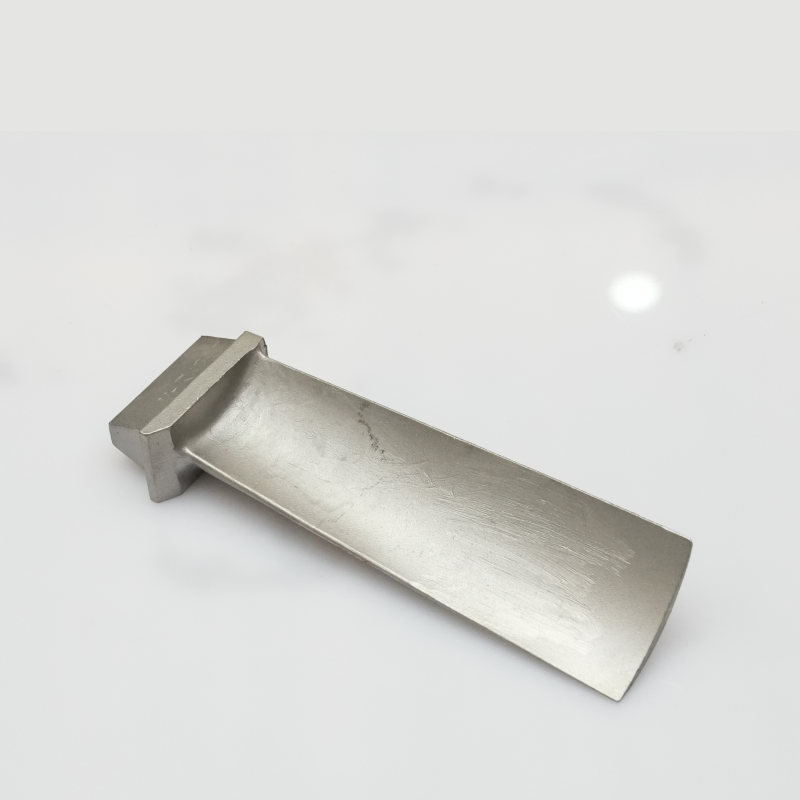
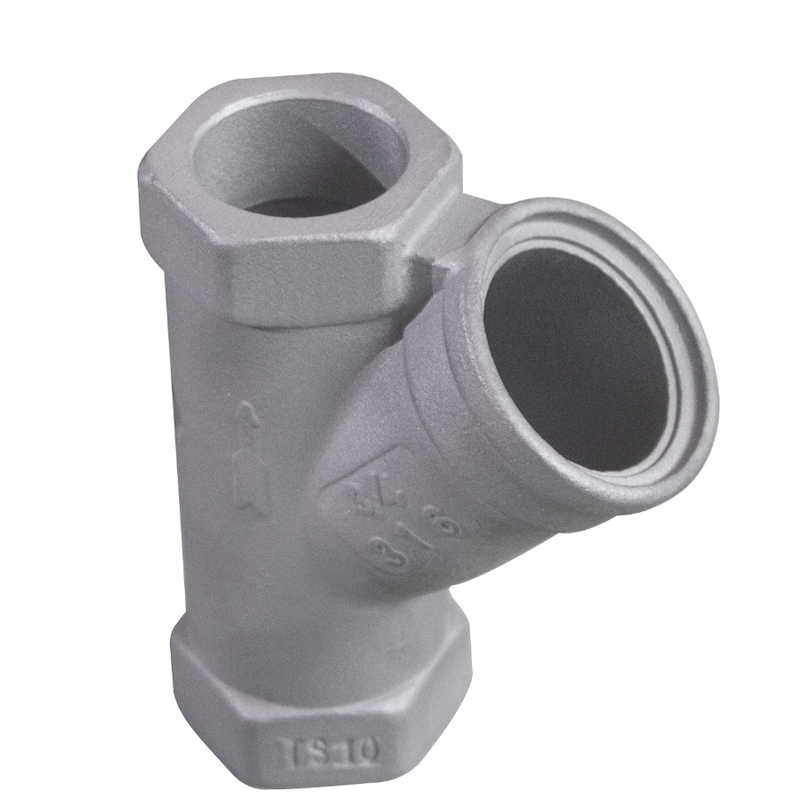
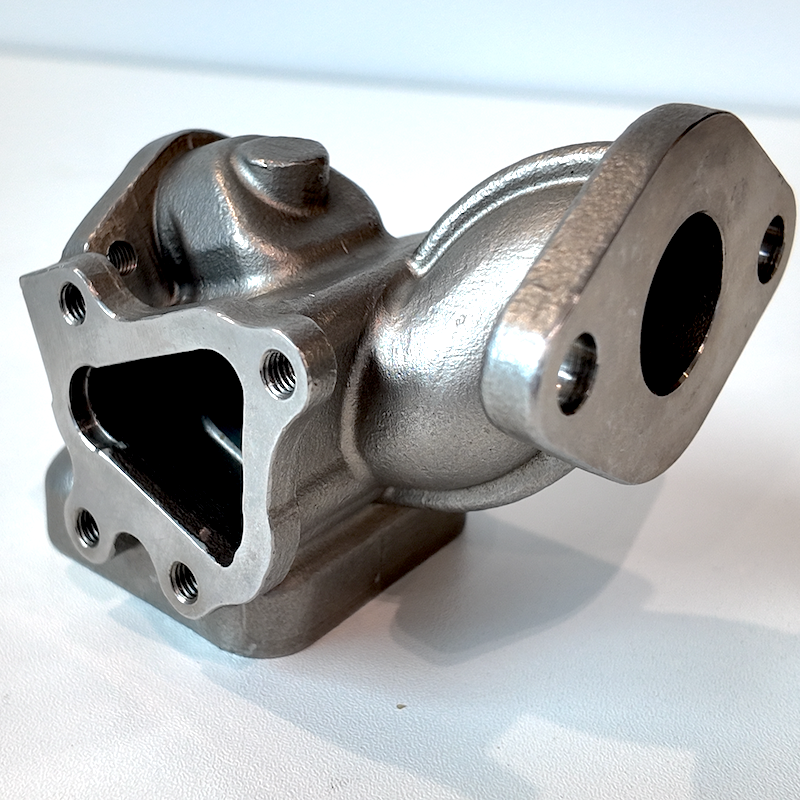
Custom high precision castings represent a sophisticated manufacturing solution that delivers intricate metal components with exceptional dimensional accuracy and surface quality. This advanced production method combines traditional casting techniques with modern precision engineering to create parts that meet the most demanding specifications across various industries. The process involves pouring molten metal into carefully designed molds that are tailored to each client's specific requirements, resulting in components that require minimal post-processing and offer superior performance characteristics. Custom high precision castings utilize various alloy materials including stainless steel, aluminum, bronze, and specialized metals to accommodate different operational environments and functional demands. The technology enables manufacturers to produce complex geometries that would be difficult or impossible to achieve through conventional machining methods, making it an ideal choice for applications requiring both intricate designs and tight tolerances. These castings serve critical functions in aerospace systems, medical devices, automotive assemblies, industrial machinery, and defense equipment where reliability and precision are non-negotiable. The manufacturing process incorporates advanced quality control measures including dimensional inspection, material testing, and non-destructive examination to ensure every component meets exacting standards. Custom high precision castings offer design flexibility that allows engineers to optimize part performance by integrating multiple features into single components, reducing assembly requirements and potential failure points. The method supports both prototype development and large-scale production runs, providing scalability for businesses at different growth stages. Surface finishes achieved through this process often eliminate the need for extensive secondary operations, saving time and reducing overall production costs. The technology continues to evolve with innovations in mold design, alloy development, and computer-aided engineering, expanding the possibilities for creating increasingly sophisticated components that push the boundaries of what precision casting can accomplish in modern manufacturing environments.

Popular Products

Custom high precision castings deliver substantial cost savings by reducing material waste and minimizing the need for extensive machining operations that consume time and resources. The process allows you to create complex shapes in a single casting operation, eliminating the need to manufacture multiple parts separately and then join them together through welding or fastening. This consolidation reduces assembly time, lowers labor costs, and decreases the number of potential failure points in your final product. You gain significant design freedom because the casting process accommodates intricate internal passages, undercuts, and geometric features that traditional machining simply cannot produce efficiently. Your production timeline shortens considerably since custom high precision castings move quickly from design approval to finished components, especially when compared to the multiple setup operations required for conventional manufacturing methods. The repeatability of the casting process ensures consistency across production runs, meaning every part you receive maintains the same high quality standards without variation that could compromise performance or fit. You benefit from superior material properties because the solidification process creates uniform grain structures that enhance mechanical strength and durability in demanding applications. The versatility of custom high precision castings extends to material selection, giving you access to a wide range of alloys optimized for specific operating conditions such as high temperatures, corrosive environments, or extreme mechanical stress. Your inventory management becomes simpler because these castings often combine multiple features into single components, reducing the number of separate parts you need to stock and track. The excellent surface finish quality achieved through modern casting techniques frequently eliminates secondary finishing operations, further reducing your total manufacturing costs and accelerating time to market. You can scale production volumes flexibly, whether you need a small batch of prototypes for testing or thousands of identical parts for full-scale manufacturing. The dimensional accuracy of custom high precision castings reduces the amount of material that must be removed through machining, conserving raw materials and lowering environmental impact. Your product performance improves because casting allows optimal material distribution throughout the component, placing strength precisely where structural demands are highest while minimizing weight in less critical areas. The technology supports rapid design iterations, enabling you to refine component specifications quickly based on testing results without major tooling investments that lock you into a single design approach.

Tips And Tricks

What Makes a Custom Lost Wax Casting Foundry Reliable for Precision Industrial Applications?

05

Jun

What Makes a Custom Lost Wax Casting Foundry Reliable for Precision Industrial Applications?

In precision industrial manufacturing, the reliability of a custom investment casting foundry is not a minor operational detail — it is a fundamental requirement that determines part integrity, production timelines, and ultimately, the safety o...
View More
Which Quality Standards Should a Custom Lost Wax Casting Foundry Meet for Export Markets?

05

Jun

Which Quality Standards Should a Custom Lost Wax Casting Foundry Meet for Export Markets?

Selecting a manufacturing partner for precision components intended for international buyers is never a straightforward decision. When the supply chain depends on a custom lost wax casting foundry, procurement engineers and quality managers must go b...
View More
How Should Buyers Choose a Reliable Medium Temperature Wax Casting Service Provider?

26

Jun

How Should Buyers Choose a Reliable Medium Temperature Wax Casting Service Provider?

Selecting the right manufacturing partner for medium temperature wax casting is one of the most consequential decisions a procurement professional or product engineer can make. The process, which involves injecting wax into precision dies at carefull...
View More
Why Are Stainless Steel Investment Castings Preferred for Corrosion Resistant Applications?

26

Jun

Why Are Stainless Steel Investment Castings Preferred for Corrosion Resistant Applications?

In demanding industrial environments where moisture, chemicals, and extreme temperatures are constant threats, material selection is one of the most critical engineering decisions a manufacturer can make. Among the available manufacturing methods, st...
View More

Get a Free Quote

Our representative will contact you soon.
Email
Name
Mobile
Company Name
Message
0/1000

custom high precision castings

Exceptional Dimensional Accuracy for Critical Applications

Exceptional Dimensional Accuracy for Critical Applications

Custom high precision castings achieve tolerances that rival machined components while maintaining the cost efficiency and design flexibility inherent to the casting process. Modern precision casting facilities utilize advanced computer modeling and simulation software to predict material flow, solidification patterns, and dimensional changes before creating physical molds, virtually eliminating the trial-and-error approach that once characterized casting operations. This predictive capability ensures that your components meet exacting specifications from the first production run, reducing development time and controlling costs. The dimensional accuracy extends throughout the entire component, not just on easily accessible surfaces, meaning internal features maintain the same tight tolerances as external dimensions. This comprehensive precision proves especially valuable in applications where multiple components must interface seamlessly, such as valve bodies, pump housings, and gearbox casings where misalignment causes performance degradation or premature failure. Custom high precision castings leverage various advanced techniques including investment casting, permanent mold casting, and die casting, each optimized for different size ranges, production volumes, and tolerance requirements. Investment casting, for example, routinely achieves tolerances within plus or minus 0.005 inches on small to medium components, while permanent mold processes deliver consistent results on larger parts with relatively thin wall sections. The precision extends to surface finish quality, with many cast surfaces achieving roughness values below 125 microinches, suitable for applications involving fluid flow, sealing surfaces, or aesthetic requirements. You avoid the accumulation of tolerances that occurs when assembling multiple machined parts because custom high precision castings integrate features into single components where dimensional relationships are established during the solidification process rather than through sequential manufacturing operations. Quality control protocols employed in precision casting facilities include coordinate measuring machine inspection, optical scanning, and statistical process control that continuously monitors dimensional stability throughout production runs. This rigorous oversight catches potential deviations before they affect large quantities of parts, protecting your production schedules and quality reputation. The dimensional stability of custom high precision castings remains consistent over time because properly designed components resist warping and distortion during service, maintaining critical clearances and functional relationships throughout their operational lifespan.
Material Versatility Tailored to Your Specific Requirements

Material Versatility Tailored to Your Specific Requirements

Custom high precision castings accommodate an extensive range of material compositions, allowing you to select alloys precisely matched to the mechanical, thermal, and chemical demands of your application environment. This material flexibility represents a significant advantage over manufacturing processes limited to specific alloy families or those where certain materials prove difficult to process effectively. Ferrous materials available for precision casting include various grades of stainless steel offering corrosion resistance for marine, chemical processing, and food service applications, as well as carbon steels providing economical strength for structural components and tool steels delivering wear resistance for high-friction applications. Non-ferrous options encompass aluminum alloys that combine light weight with good thermal conductivity for aerospace and automotive uses, copper alloys such as bronze and brass that offer excellent bearing properties and corrosion resistance, and specialized materials like titanium for extreme strength-to-weight ratios in demanding aerospace applications. The casting process allows metallurgists to develop custom alloy compositions tailored to unique operational challenges you face, creating material solutions unavailable as standard mill products. You gain performance optimization because material properties can be enhanced through controlled cooling rates, heat treatment protocols, and microstructural refinement specific to the casting geometry rather than constrained by the limitations of wrought product forms. Custom high precision castings support bi-metallic and composite approaches where different materials are combined within a single component, placing expensive high-performance alloys only where critical properties are required while using economical materials in less demanding areas. The solidification process inherent to casting creates isotropic properties, meaning mechanical characteristics remain consistent regardless of directional loading, unlike rolled or forged materials that exhibit directional grain structures affecting performance. Material certification documentation accompanies custom high precision castings, providing traceability to original melt compositions and verification of mechanical properties through standardized testing protocols that satisfy quality requirements in regulated industries. You can specify secondary treatments such as heat treating, surface hardening, or protective coatings that are integrated into the manufacturing sequence, ensuring optimal material performance without requiring coordination among multiple outside processors. The ability to cast materials that are difficult to machine translates to cost savings and expanded design possibilities, particularly with high-strength alloys and abrasive materials that rapidly wear cutting tools during conventional machining operations.
Streamlined Production from Concept to Finished Component

Streamlined Production from Concept to Finished Component

Custom high precision castings accelerate your product development cycle and simplify manufacturing logistics by providing a direct path from engineering designs to functional components ready for installation or final assembly. The process begins with collaborative design review where casting engineers analyze your requirements and suggest optimizations that enhance manufacturability without compromising functional performance, identifying opportunities to reduce weight, improve strength distribution, and consolidate parts that could benefit from integration. Advanced three-dimensional modeling creates virtual representations of your components, complete with gating systems and risers that control material flow and ensure complete mold filling without defects such as porosity, shrinkage, or inclusions. Simulation software predicts thermal behavior during solidification, allowing engineers to adjust mold designs and cooling strategies that prevent hot spots and ensure uniform material properties throughout the casting. Rapid prototyping technologies enable quick production of initial samples for fit checking, functional testing, and design verification before committing to full production tooling, reducing financial risk and ensuring that final components meet all performance criteria. The transition from prototype to production occurs smoothly because the same fundamental process produces both sample parts and volume quantities, eliminating the manufacturing discontinuities that occur when moving from machined prototypes to production methods based on different technologies. Custom high precision castings integrate naturally into lean manufacturing environments because lead times remain predictable, quality stays consistent, and inventory requirements decrease when complex assemblies reduce to fewer cast components. Your supply chain simplifies when a single precision casting replaces multiple machined parts previously sourced from different suppliers, reducing coordination overhead, incoming inspection workload, and the risk of production disruptions due to component shortages. The casting process scales efficiently across production volumes, supporting everything from small batches for specialized equipment to thousands of identical parts for high-volume consumer products, with per-unit costs decreasing as quantities increase. Post-casting operations such as heat treatment, machining of critical features, and surface finishing are often performed in-house by casting suppliers, providing you with finished components rather than semi-processed parts requiring additional outside services. Quality documentation accompanies every shipment of custom high precision castings, including dimensional inspection reports, material certifications, and test results that satisfy your internal quality standards and any regulatory requirements governing your industry. The efficiency of the casting process translates to competitive pricing that makes precision castings economically attractive even for moderately complex components that could theoretically be machined from solid stock, with cost advantages becoming more pronounced as part complexity increases and production volumes grow.

Get a Free Quote

Our representative will contact you soon.
Email
Name
Mobile
Company Name
Message
0/1000