Versatile Design Integration and Functional Optimization
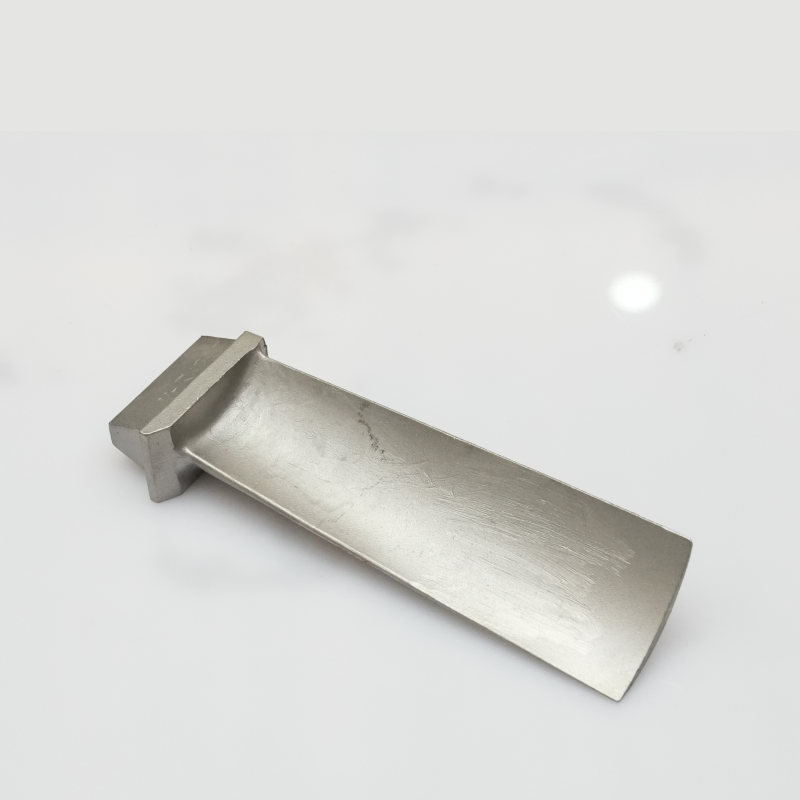
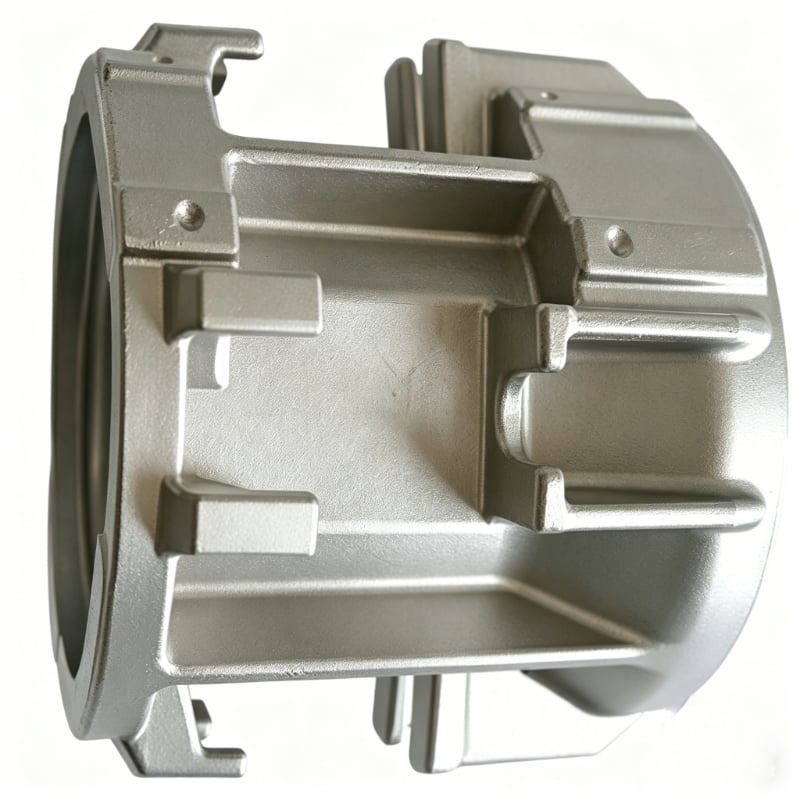
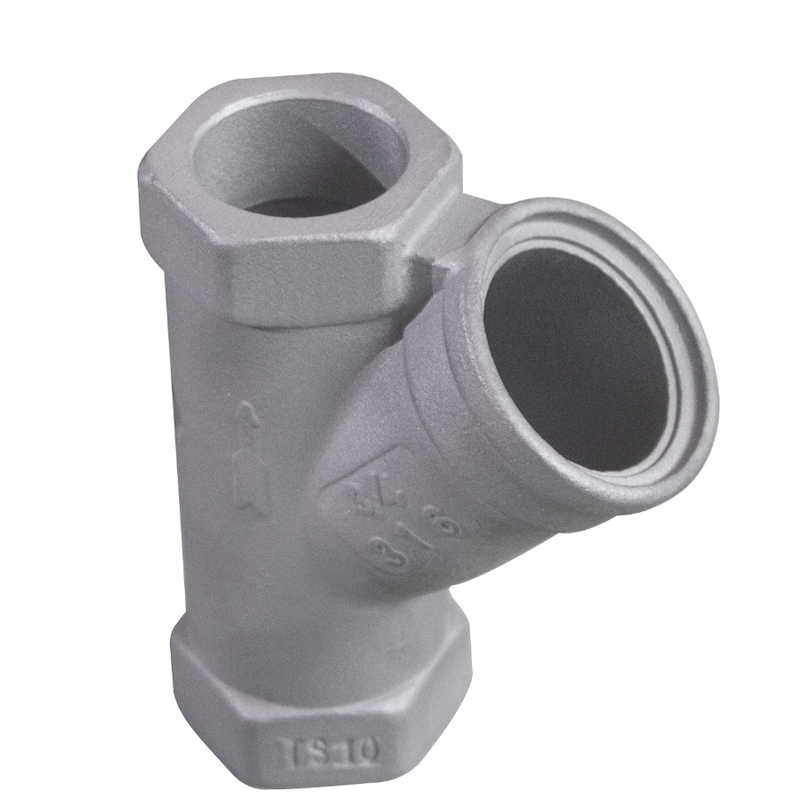
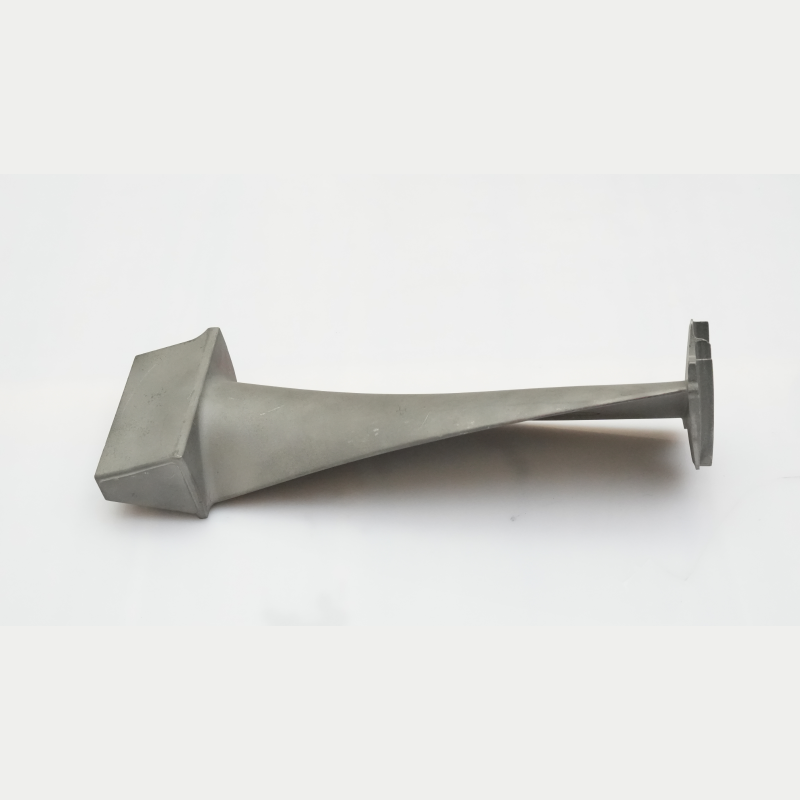
Precision metal casting components offer unparalleled versatility in design integration, enabling engineers to optimize functionality in ways that other manufacturing methods cannot match. This design freedom allows the incorporation of complex features such as internal cooling channels, variable wall thicknesses, integrated mounting bosses, and organic shapes that follow stress distribution patterns rather than the constraints of cutting tool access. When developing precision metal casting components, designers can embed functional elements directly into the part geometry, eliminating the need for separate fasteners, brackets, or assembly operations that add weight, cost, and potential failure points. This consolidation capability proves especially valuable in industries where weight reduction directly impacts performance, such as automotive applications where lighter components improve fuel efficiency, or aerospace designs where every gram affects payload capacity and operational costs. The versatility of precision metal casting components extends to aesthetic considerations as well, allowing manufacturers to incorporate logos, text, decorative patterns, and brand-identifying features directly into the casting surface without secondary operations. This integrated approach to design streamlines production while creating distinctive products that stand out in competitive markets. Furthermore, precision metal casting components accommodate design modifications more readily than heavily tooled machining processes, as mold patterns can be adjusted to refine features, improve performance, or adapt to changing customer requirements without scrapping expensive machinery investments. Engineers appreciate the functional optimization possibilities that precision metal casting components provide, such as strategically varying wall thickness to balance strength requirements with weight targets, or designing internal geometries that enhance fluid flow, heat dissipation, or acoustic properties. The ability to create these optimized designs as single-piece castings reduces manufacturing complexity while improving overall product performance. Modern simulation software enables designers to test and refine precision metal casting components virtually before committing to production tooling, predicting how molten metal will fill the mold cavity, where potential defects might occur, and how the finished part will perform under operating conditions, thereby minimizing development time and ensuring first-time manufacturing success.

 EN
EN