Precision Metal Casting Components - High-Quality Custom Cast Parts Manufacturing

Get a Free Quote

Our representative will contact you soon.
Email
Name
Company Name
Message
0/1000

precision metal casting components

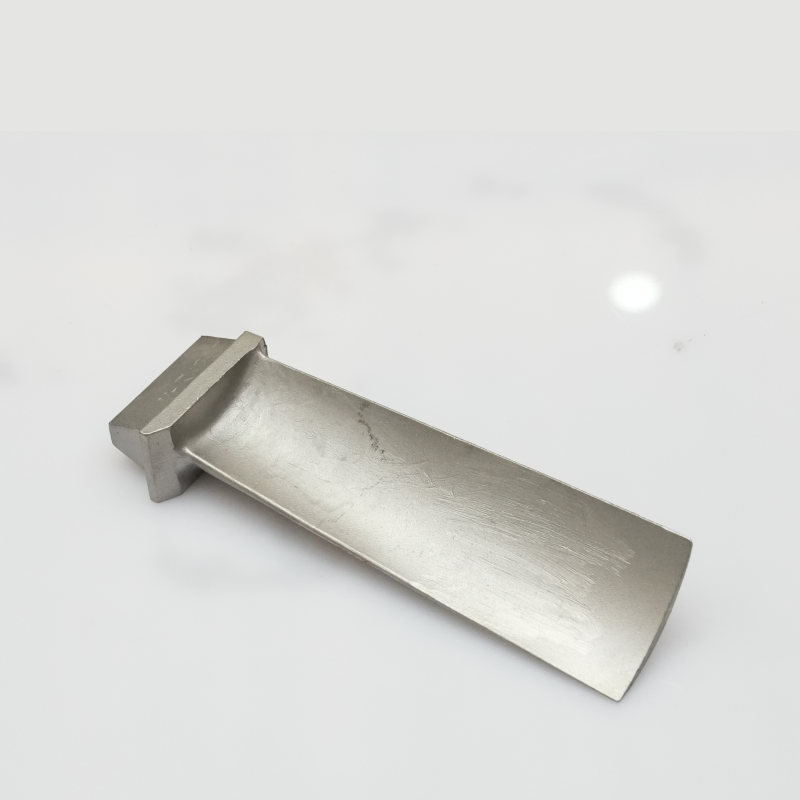
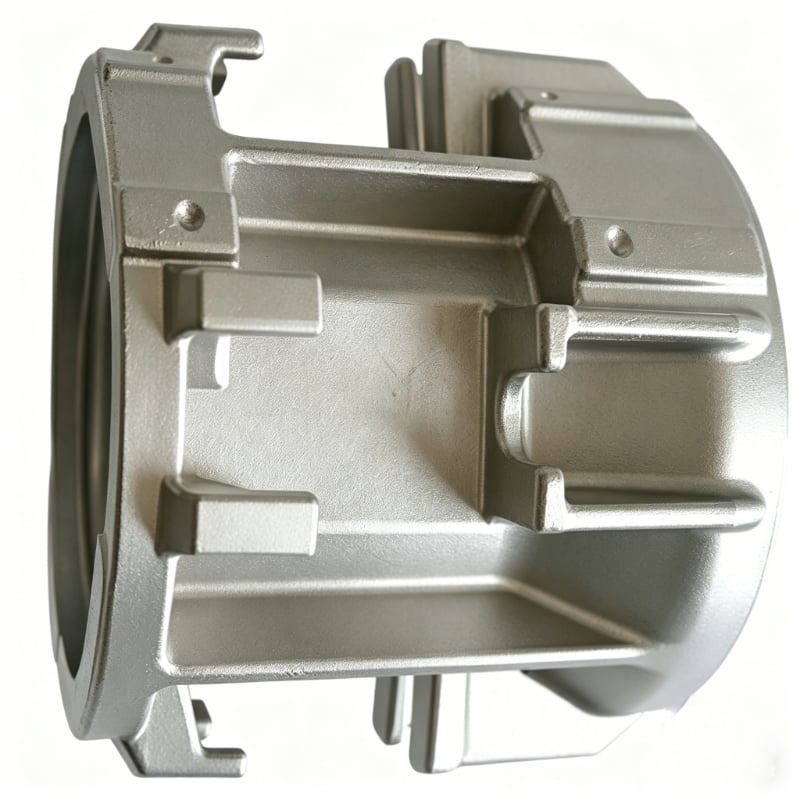
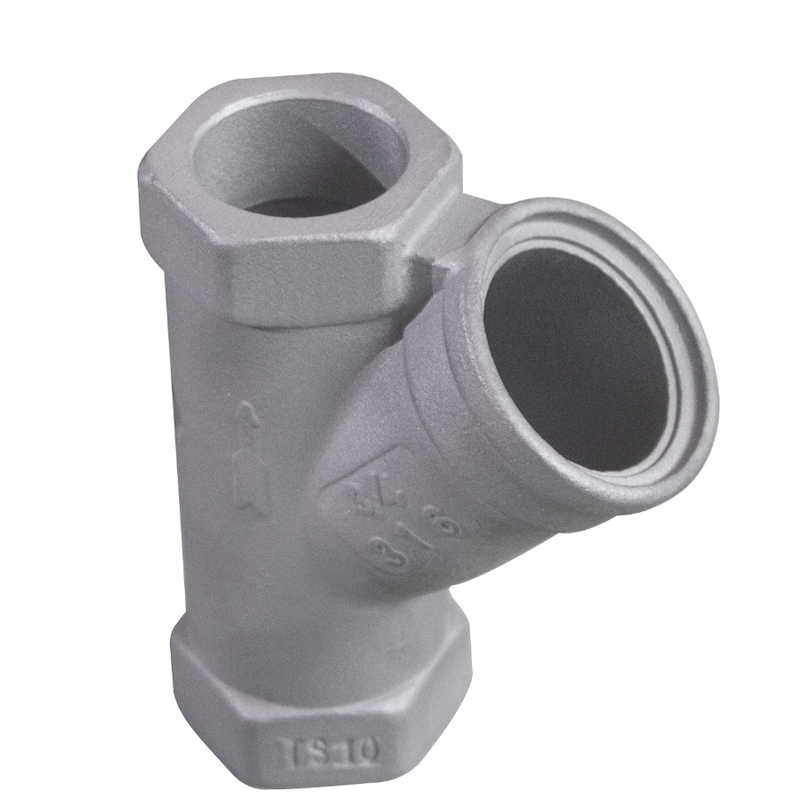
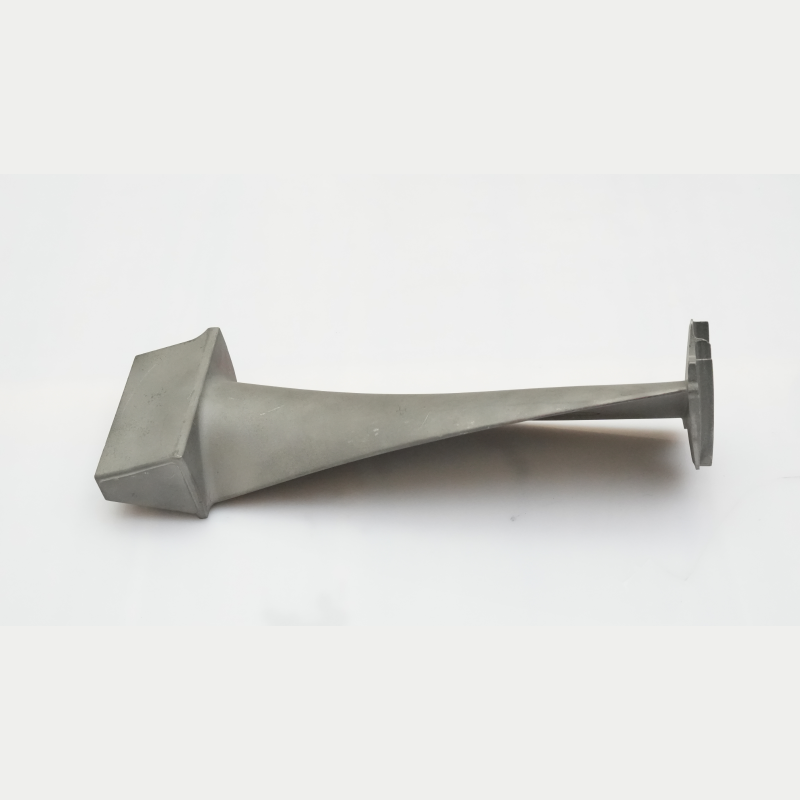
Precision metal casting components represent a sophisticated manufacturing solution that transforms molten metal into intricate parts with exceptional accuracy and consistency. This advanced production method encompasses various techniques including investment casting, die casting, and sand casting, each tailored to meet specific design requirements and performance standards. The primary function of precision metal casting components lies in their ability to produce complex geometrical shapes that would be difficult or impossible to achieve through traditional machining methods. These components serve as critical elements in assemblies where dimensional accuracy, surface finish quality, and mechanical properties are paramount. The technological features of precision metal casting components include tight tolerance control, typically ranging from plus or minus 0.005 inches, superior surface finishes that often eliminate secondary operations, and the capability to cast thin walls and intricate details in a single piece. Modern precision metal casting utilizes computer-aided design integration, simulation software for mold filling analysis, and automated quality control systems to ensure consistent results across production runs. The materials used span a wide range including aluminum alloys, stainless steel, bronze, brass, and specialized alloys designed for specific environmental conditions or performance characteristics. Applications for precision metal casting components extend across numerous industries including aerospace, where they form engine parts and structural elements; automotive manufacturing, where they create transmission housings and suspension components; medical device production, where biocompatible castings are used in surgical instruments and implants; industrial equipment manufacturing, where pump housings and valve bodies are produced; and electronics, where heat sinks and connector housings are fabricated. The versatility of precision metal casting components makes them indispensable in modern manufacturing, offering designers the freedom to optimize part performance while maintaining cost-effectiveness in both prototype and high-volume production scenarios.

New Product Recommendations

Choosing precision metal casting components delivers substantial benefits that directly impact your production efficiency and bottom line. First, this manufacturing approach significantly reduces material waste compared to subtractive machining processes. When you cast a component, you use only the metal needed for the final part plus minimal excess for gates and risers, which can often be recycled. This efficiency translates into lower raw material costs and supports environmental sustainability initiatives. Second, precision metal casting components eliminate the need for extensive assembly operations. Complex parts that might require welding or fastening multiple machined pieces together can be cast as a single integrated unit. This consolidation reduces labor costs, eliminates potential failure points at joints, and shortens production timelines. Third, the process offers exceptional design flexibility. Engineers can incorporate features like internal passages, undercuts, and variable wall thicknesses that would be extremely difficult to machine. This freedom allows for functional optimization rather than designing around manufacturing limitations. Fourth, precision metal casting components provide excellent surface finish quality straight from the mold. Many applications require no additional finishing operations, saving time and expense while maintaining tight dimensional specifications. Fifth, the process scales efficiently from prototype quantities to mass production. You can test designs with small batches before committing to high-volume tooling, reducing development risk and accelerating time to market. Sixth, precision metal casting components deliver consistent mechanical properties throughout the part. The controlled solidification process creates uniform grain structures that ensure predictable strength, ductility, and fatigue resistance. Seventh, this method accommodates a vast range of metals and alloys, allowing material selection based on specific performance requirements like corrosion resistance, weight reduction, thermal conductivity, or magnetic properties. Eighth, precision metal casting components often cost less per unit than machined alternatives, especially for complex geometries. The tooling investment is recovered quickly in production runs, and piece prices decrease with volume. Ninth, modern casting facilities implement rigorous quality control measures including X-ray inspection, dimensional verification, and metallurgical testing to guarantee that every component meets specifications. Finally, working with precision metal casting components simplifies supply chain management. Instead of coordinating multiple suppliers for different machining operations, you receive finished parts ready for assembly, reducing inventory complexity and administrative overhead.

Practical Tips

Basic Principles Of Design Of Precision Casting Gating System

11

May

Basic Principles Of Design Of Precision Casting Gating System

View More
The Role Of Elements In Castings And The Order Of Addition

11

May

The Role Of Elements In Castings And The Order Of Addition

View More
Stainless Steel Castings for Architectural Posts

11

May

Stainless Steel Castings for Architectural Posts

View More
Precision Stainless Steel Exhaust Manifold Casting Solution For Luxury Sedan - With Japanese First-Tier Car Brand

11

May

Precision Stainless Steel Exhaust Manifold Casting Solution For Luxury Sedan - With Japanese First-Tier Car Brand

View More

Get a Free Quote

Our representative will contact you soon.
Email
Name
Company Name
Message
0/1000

precision metal casting components

Superior Dimensional Accuracy and Repeatability

Superior Dimensional Accuracy and Repeatability

The dimensional accuracy achieved through precision metal casting components stands as one of the most compelling reasons manufacturers choose this production method. Modern casting facilities routinely hold tolerances within 0.005 inches across critical dimensions, and with specialized processes like investment casting, tolerances can be even tighter. This level of precision stems from advanced mold-making technologies, temperature-controlled environments, and sophisticated metallurgical control throughout the casting process. When you specify precision metal casting components, you receive parts that fit correctly the first time, eliminating the costly cycle of trial fitting, adjustment, and rework that plagues less accurate manufacturing methods. The repeatability of precision metal casting components is equally important. Once the process parameters are established and validated, every subsequent part will match the first within those tight tolerances. This consistency is crucial for assemblies where interchangeability matters, for replacement parts that must function in existing equipment, and for quality control programs that depend on predictable dimensional characteristics. The technology behind this accuracy involves multiple layers of control. Pattern-makers use CNC machining or 3D printing to create master patterns with extreme precision. Mold materials are carefully selected and processed to minimize dimensional change during the casting cycle. Pouring temperatures, cooling rates, and solidification sequences are monitored and controlled to prevent distortion or shrinkage variation. Advanced facilities employ coordinate measuring machines and optical scanning systems to verify dimensions on sample parts, feeding this data back into process adjustments that maintain accuracy across production runs. For your business, this accuracy translates into reduced assembly time, fewer rejected parts, and greater confidence in product performance. Engineers can design with tighter fits, knowing that precision metal casting components will meet specifications. Quality assurance teams spend less time inspecting and more time on value-added activities. Production schedulers benefit from predictable delivery of usable parts without the buffer inventory needed to compensate for quality issues. The economic impact extends beyond direct cost savings. Warranty claims decrease when components fit properly and function as designed. Customer satisfaction increases when products perform reliably. Brand reputation strengthens when quality is consistent. These downstream benefits often exceed the direct manufacturing savings, making precision metal casting components a strategic choice for competitive differentiation.
Complex Geometry Capabilities Without Compromise

Complex Geometry Capabilities Without Compromise

Precision metal casting components excel in producing intricate shapes that push the boundaries of what is possible in metal manufacturing. Unlike machining operations that remove material and face limitations with internal features, odd angles, and three-dimensional complexity, casting builds the part from liquid metal that flows into every detail of the mold cavity. This fundamental advantage allows designers to optimize component functionality without compromising due to manufacturing constraints. Consider components with internal cooling channels, a common requirement in high-performance applications. With precision metal casting components, these channels can follow optimized paths for maximum heat transfer efficiency, incorporating bends, varying cross-sections, and complex junctions that would be impossible to drill or mill. The casting process creates these features as integral parts of the component, ensuring structural integrity without welded joints or pressed fittings that could fail under thermal stress. Undercuts, another challenging feature for machining, are readily incorporated into precision metal casting components. Using cores, ceramic inserts, or multi-part molds, casting can produce pockets, recesses, and negative draft angles that trap machining tools. This capability enables snap-fit features, integrated mounting provisions, and optimized material distribution for weight reduction without compromising strength. Thin-wall sections combined with thick bosses exemplify another advantage of precision metal casting components. Modern casting techniques can produce walls as thin as 0.040 inches adjacent to sections several inches thick, all in one piece. This variable thickness optimization allows engineers to place material exactly where strength or stiffness is needed while minimizing weight and material cost in less-stressed areas. The process handles multiple-axis complexity that would require five-axis machining and extensive setup time. Spherical surfaces, compound curves, and organic shapes that mimic natural structures for fluid flow or stress distribution are all feasible with precision metal casting components. This geometric freedom has enabled innovations in fields from aerospace turbine blades to medical implants to artistic architectural elements. Beyond the shapes themselves, precision metal casting components can integrate multiple functions into single parts. Mounting bosses, bearing surfaces, fluid passages, and structural ribs can all be cast together, eliminating separate components and the fasteners or welds needed to join them. This consolidation reduces part count, simplifies assembly, eliminates potential failure points, and often reduces total system weight and cost.
Material Versatility for Optimal Performance

Material Versatility for Optimal Performance

The range of materials available for precision metal casting components provides engineers with exceptional flexibility to match material properties precisely to application requirements. This versatility extends across ferrous and non-ferrous alloys, each offering distinct advantages for specific operating conditions, performance criteria, and cost targets. Aluminum alloys represent a popular choice for precision metal casting components where weight reduction is paramount. With density approximately one-third that of steel, aluminum castings deliver substantial weight savings in transportation applications, handheld devices, and structures where mass directly impacts performance. Modern aluminum casting alloys also provide excellent corrosion resistance, good thermal conductivity for heat dissipation applications, and sufficient strength for many structural uses. Specific aluminum alloys can be selected for castability, machinability, weldability, or surface finish requirements. Stainless steel precision metal casting components serve applications demanding corrosion resistance, high-temperature performance, or hygienic surfaces. The casting process can produce complex stainless steel parts more economically than machining from bar stock, especially for components with internal features or intricate external geometries. Different stainless grades offer varying balances of corrosion resistance, strength, magnetic properties, and cost, allowing optimization for chemical processing equipment, food handling systems, marine environments, or architectural applications. Bronze and brass precision metal casting components excel in bearing applications, marine hardware, decorative elements, and situations requiring non-sparking properties. These copper-based alloys offer natural lubricity that reduces friction in sliding contact, excellent resistance to saltwater corrosion, antimicrobial properties valuable in medical and food service contexts, and attractive appearance for visible components. The casting process readily accommodates the fluidity characteristics of these alloys, producing intricate details and thin sections. Specialized alloys expand the capabilities of precision metal casting components into extreme environments. Nickel-based superalloys withstand temperatures exceeding 1800 degrees Fahrenheit in turbine applications. Titanium castings provide exceptional strength-to-weight ratios with outstanding corrosion resistance for aerospace and medical implants. Magnesium castings deliver the lowest density among structural metals for ultimate weight reduction. Tool steel castings offer wear resistance and hardness for dies and tooling components. Beyond alloy selection, casting processes can incorporate multiple materials in single components. Bi-metal castings combine different alloys to optimize local properties, such as a wear-resistant surface bonded to a tough substrate. Insert casting embeds fasteners, electrical contacts, or reinforcing elements during the casting process, creating integrated assemblies that reduce subsequent operations. This material versatility ensures that precision metal casting components can be engineered for optimal performance in virtually any application, balancing strength, weight, corrosion resistance, thermal properties, cost, and manufacturability to meet specific design requirements.

Get a Free Quote

Our representative will contact you soon.
Email
Name
Company Name
Message
0/1000