Többfunkciós tervezési integráció és funkcionális optimalizáció
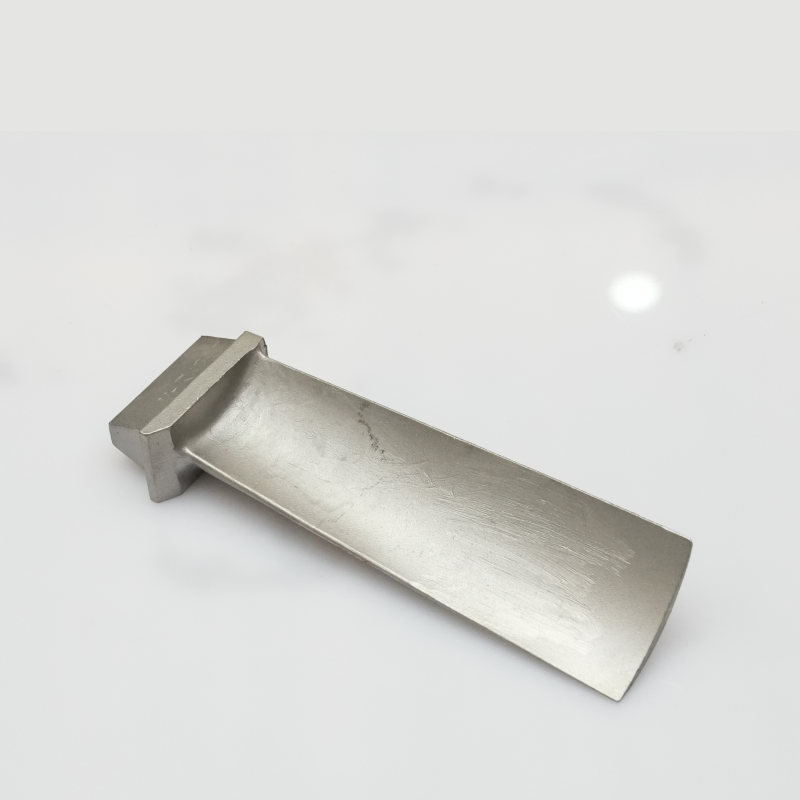
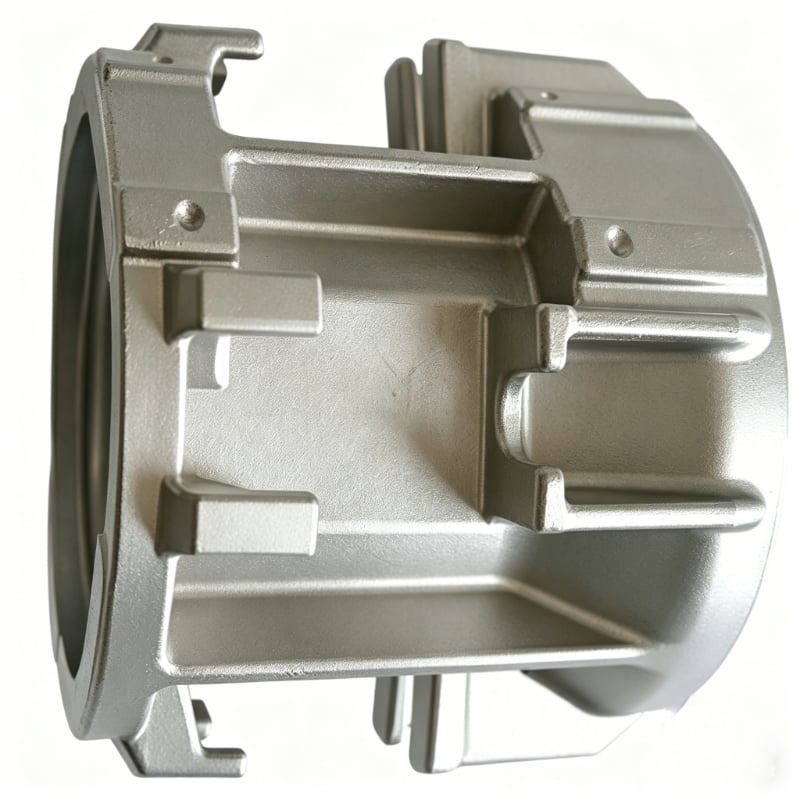
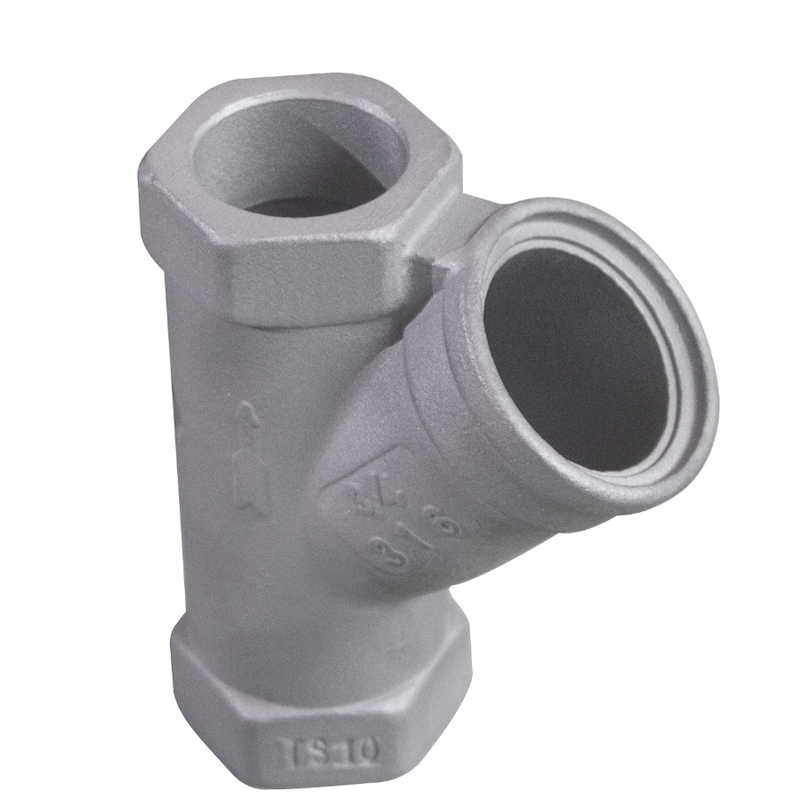
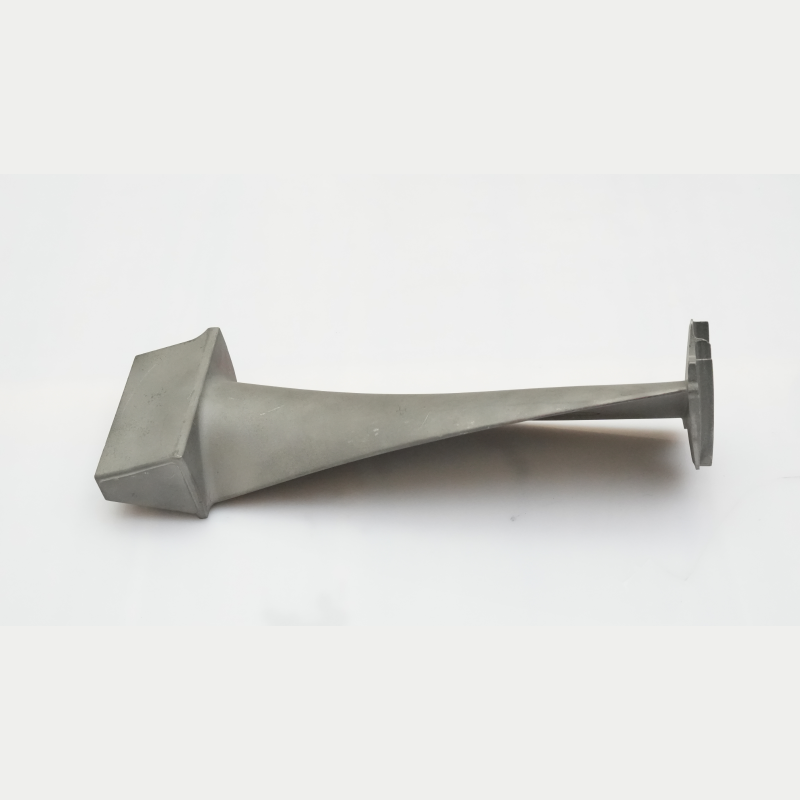
A pontos fémöntési alkatrészek kiválóan sokoldalúak a tervezési integrációban, lehetővé téve a mérnökök számára a funkció optimalizálását olyan módon, amit más gyártási eljárások nem tudnak megfelelően biztosítani. Ez a tervezési szabadság lehetővé teszi bonyolult funkciók, például belső hűtőcsatornák, változó falvastagságok, integrált rögzítőbordák és szerves alakzatok beépítését, amelyek a feszültségeloszlás mintázatait követik, nem pedig a vágószerszámokhoz való hozzáférés korlátozásait. A pontos fémöntési alkatrészek fejlesztése során a tervezők funkcionális elemeket építhetnek közvetlenül az alkatrész geometriájába, így elkerülhetők a külön rögzítőelemek, tartók vagy összeszerelési műveletek, amelyek tömeget, költséget és potenciális hibapontokat adnak hozzá. Ez az integrációs képesség különösen értékes olyan iparágakban, ahol a tömegcsökkentés közvetlenül befolyásolja a teljesítményt – például az autóipari alkalmazásokban, ahol a könnyebb alkatrészek javítják az üzemanyag-hatékonyságot, vagy a légi- és űripari tervekben, ahol minden gramm hatással van a hasznos teher kapacitására és az üzemeltetési költségekre. A pontos fémöntési alkatrészek sokoldalúsága kiterjed az esztétikai szempontokra is, lehetővé téve a gyártók számára, hogy logókat, szövegeket, díszítő mintákat és márkajellemző elemeket közvetlenül az öntött felületre építsenek be további megmunkálási műveletek nélkül. Ez az integrált tervezési megközelítés leegyszerűsíti a gyártást, miközben egyedi termékeket hoz létre, amelyek kiemelkednek a versengő piacokon. Továbbá a pontos fémöntési alkatrészek rugalmasabban alkalmazkodnak a tervezési módosításokhoz, mint a nagy mértékben szerszámozott megmunkálási folyamatok, mivel az öntőforma mintákat egyszerűen módosíthatják a funkciók finomhangolására, a teljesítmény javítására vagy a változó ügyfélkövetelményekhez való alkalmazkodásra anélkül, hogy drága gépi berendezések befektetését kellene elvetni. A mérnökök értékelik a pontos fémöntési alkatrészek által nyújtott funkcionális optimalizációs lehetőségeket, például a falvastagság célzott változtatását az erősségigények és a tömegcélkitűzések kiegyensúlyozása érdekében, vagy olyan belső geometriák tervezését, amelyek javítják a folyadékáramlást, a hőelvezetést vagy az akusztikai tulajdonságokat. Az ilyen optimalizált tervek egydarabos öntésként történő elkészítése csökkenti a gyártási összetettséget, miközben javítja a termék teljesítményét. A modern szimulációs szoftverek lehetővé teszik a tervezők számára, hogy virtuálisan teszteljék és finomítsák a pontos fémöntési alkatrészeket még a gyártási szerszámok készítése előtt, megjósolva, hogyan tölti ki a folyékony fém az öntőforma üregét, hol jelentkezhetnek potenciális hibák, és hogyan fog viselkedni a kész alkatrész az üzemeltetési körülmények között – ezzel minimalizálva a fejlesztési időt és biztosítva a sikeres első gyártási ciklust.

 EN
EN