Költséghatékony gyártás anyaghatékonysággal és minimális hulladékkal
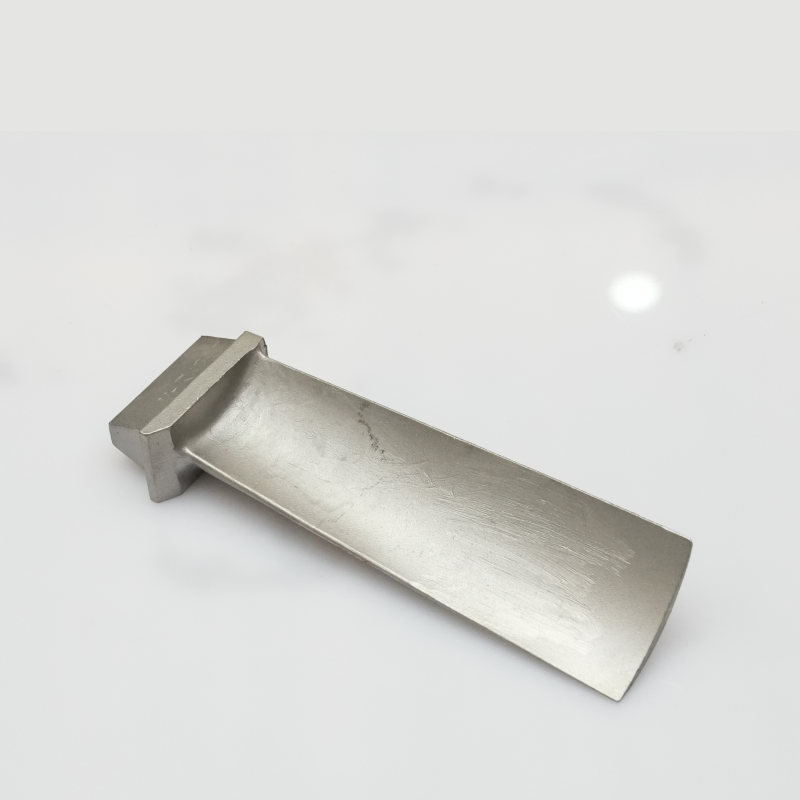
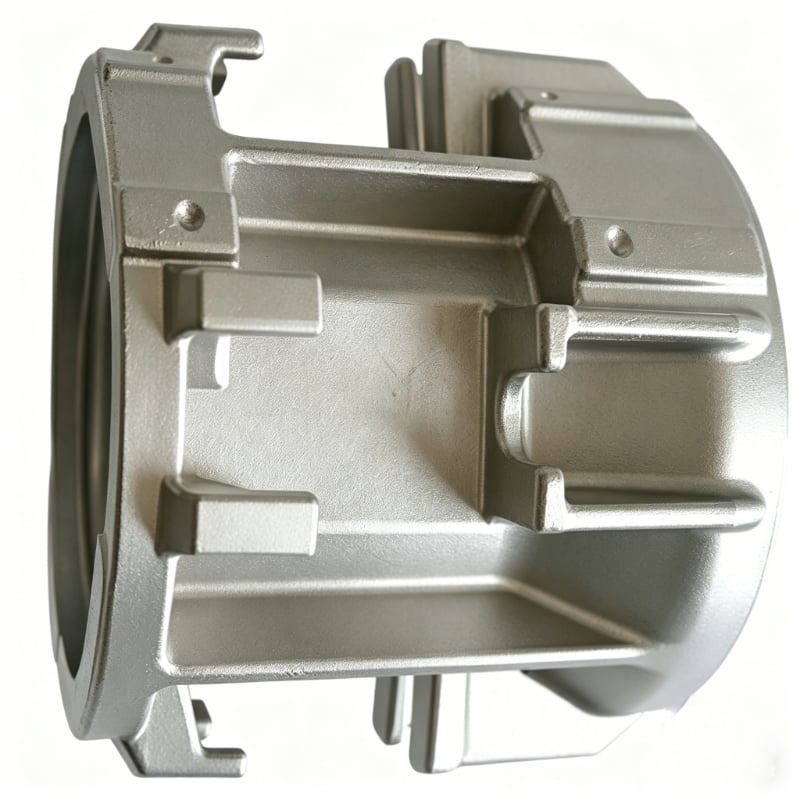
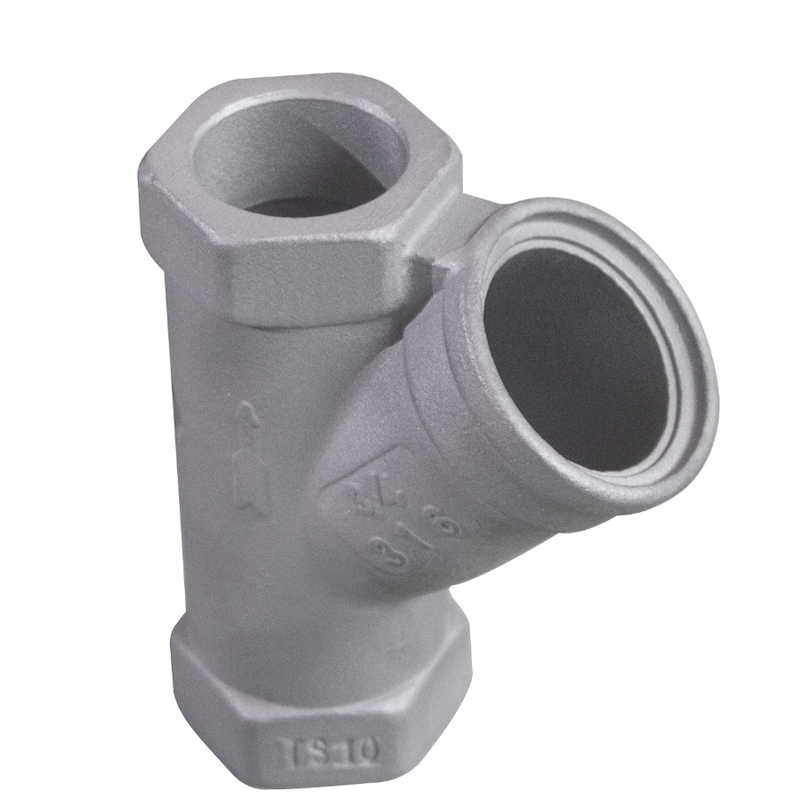
A pontos rozsdamentes acélöntés jelentős gazdasági előnyöket kínál az anyagok hatékony felhasználása és a leegyszerűsített gyártási folyamat révén, amely minimálisra csökkenti a hulladékot, miközben fenntartja a magas minőségi szabványokat. Ellentétben az olyan leválasztó gyártási eljárásokkal, amelyek túlméretes nyersanyagból indulnak ki, és gépekkel távolítják el a felesleget a végleges alak kialakításához, a pontos öntés olyan alkatrészeket hoz létre, amelyek nagyon közel állnak a kívánt végleges mérethez („net shape”), így csak minimális utómunka szükséges a végső specifikációk eléréséhez. Ez a „közel-net-shape” képesség azt jelenti, hogy a gyártási folyamatba bevezetett rozsdamentes acél anyag nagy része közvetlenül a kész alkatrész részévé válik, nem pedig hulladék forgácsként és reszelékké alakul. A pontos rozsdamentes acélöntés anyaghatékonysága különösen jelentős akkor, ha drága ötvözetekkel dolgoznak, ahol a nyersanyag-költségek jelentős részét képezik a teljes gyártási költségeknek. Az anyagfelhasználás maximalizálásával a gyártók csökkentik nyersanyag-vásárlásaikat, alacsonyabbra szorítják a hulladék-elhelyezési költségeket, és javítják környezeti lábnyomukat, mivel kevesebb természetes erőforrást használnak fel. A gazdasági előnyök nem korlátozódnak az anyagtakarékosságra, hanem kiterjednek a csökkentett munkaerő-költségekre és a rövidebb gyártási ciklusokra is. A pontosan öntött alkatrészek gyakran már a formából kikerülve használatra készek, vagy csak apró utómunkát igényelnek, így elkerülhető a hosszadalmas megmunkálási idő, amely szükséges lenne ugyanezeknek az alkatrészeknek a készítéséhez tömb- vagy lemezanyagból. Ez az időmegtakarítás lehetővé teszi a gyártók számára, hogy gyorsabban teljesítsék megrendeléseiket, csökkentsék a folyamatban lévő készleteiket, és rugalmasabban reagáljanak a piaci igényekre. A pontos rozsdamentes acélöntés gyártási hatékonysága lehetővé teszi a kis sorozatszámú, speciális termékek és a nagy sorozatszámú, általános célú alkatrészek gazdaságos gyártását is. A pontos öntés szerszámozási költségei más eljárásokhoz képest mérsékelt szinten maradnak, így pénzügyileg életképes megoldás a speciális alkalmazásokra szánt korlátozott mennyiségek gyártására anélkül, hogy nagy megrendelési mennyiségek lennének szükségesek a beruházás megtérüléséhez. Ahogy a gyártási mennyiség nő, az egységköltség tovább csökken, így skálahatások jönnek létre, amelyek a nagy piacokat ellátó gyártók számára előnyösök. A minőséggel kapcsolatos költségmegtakarítások egy további fontos gazdasági dimenziója a pontos rozsdamentes acélöntésnek. A folyamat belső konzisztenciája csökkenti a selejtarányt és a visszautasítási arányt, így minimalizálja a megfelelőtlen alkatrészek hulladékként történő eldobásával, a határesetek újrafeldolgozásával és a hibás termékeket kapott vásárlók garanciális igényeivel járó költségeket. Amikor a gyártók megbízhatnak a pontos rozsdamentes acélöntésben, és biztosan tudják, hogy az alkatrészek megfelelnek a megadott specifikációknak, csökkenthetik a minőségellenőrzési vizsgálatok idejét, és erősebb kapcsolatot építhetnek ki az ügyfelekkel, akik megbízható termékeket kapnak. Ezek a kombinált gazdasági előnyök teszik a pontos rozsdamentes acélöntést egy okos választássá azok számára a vállalkozások számára, amelyek a gyártási műveleteik optimalizálását célozzák, miközben magas minőségű termékeket szállítanak, amelyek megfelelnek a szigorú teljesítménykövetelményeknek.

 EN
EN