Precision Stainless Steel Casting Services - High-Quality Custom Metal Components

Get a Free Quote

Our representative will contact you soon.
Email
Name
Company Name
Message
0/1000

precision stainless steel casting

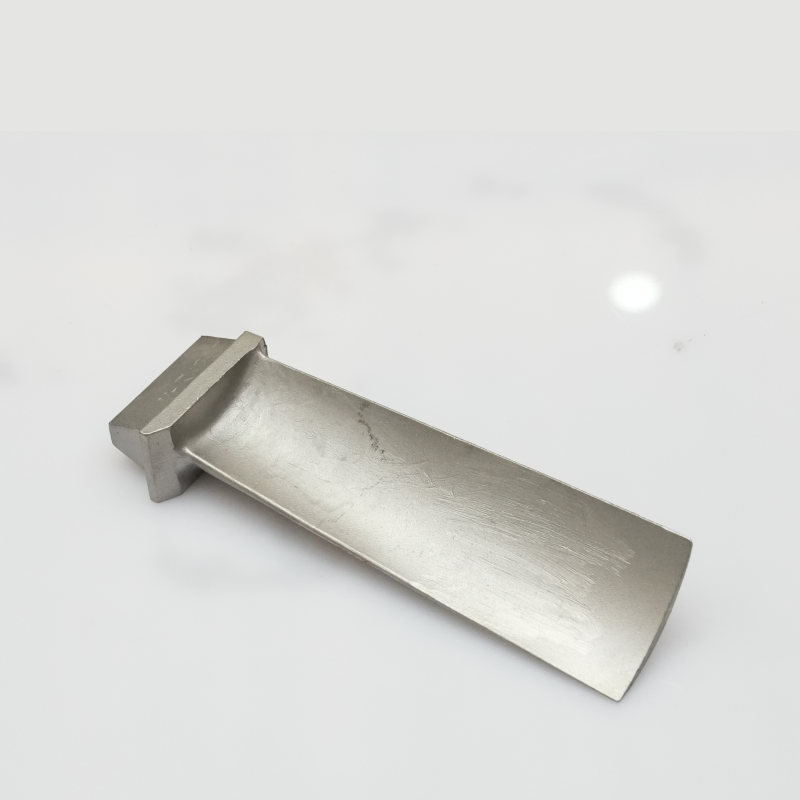
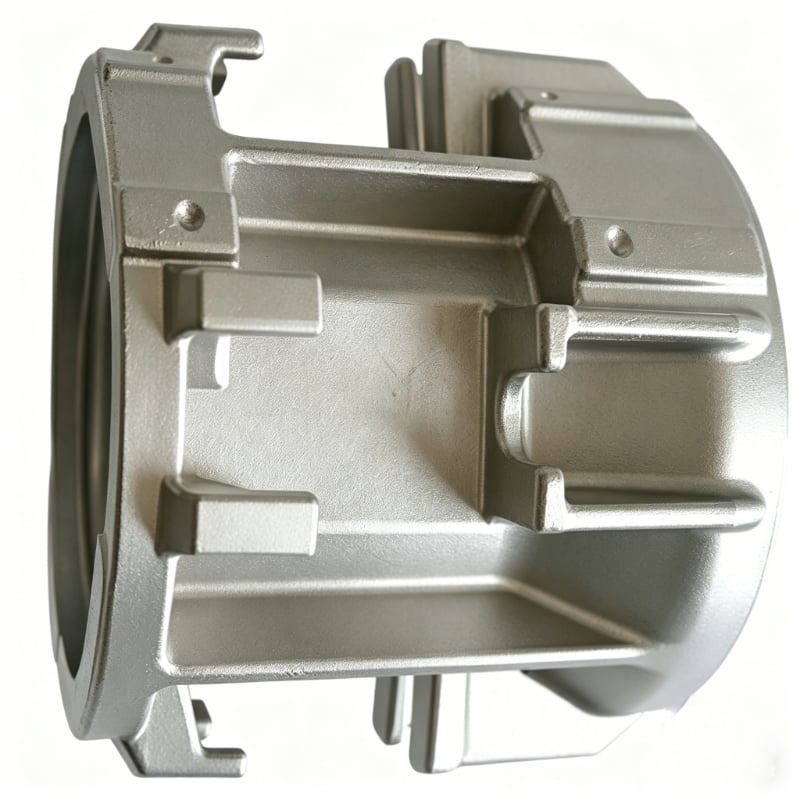
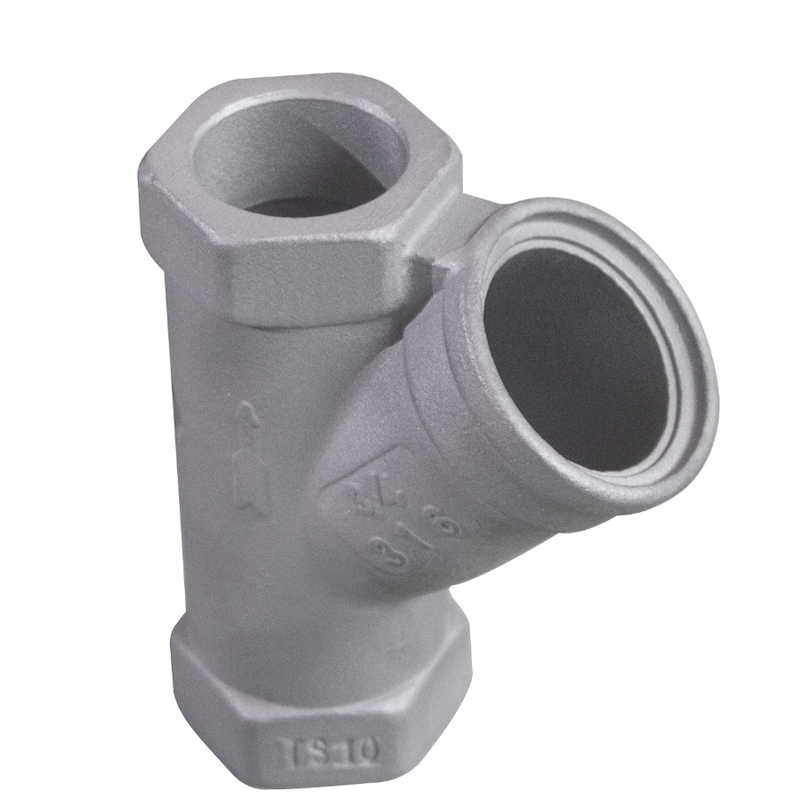
Precision stainless steel casting represents an advanced manufacturing process that combines metallurgical expertise with sophisticated molding techniques to produce complex metal components with exceptional accuracy and surface quality. This manufacturing method utilizes investment casting technology, also known as lost-wax casting, to create intricate stainless steel parts that meet stringent dimensional tolerances and performance requirements across diverse industrial sectors. The process begins with creating a detailed wax pattern that replicates the final component, which is then coated with ceramic material to form a rigid mold. After the wax is melted away, molten stainless steel is poured into the cavity, solidifying into the desired shape with remarkable precision. The main functions of precision stainless steel casting include producing components with complex geometries that would be difficult or impossible to achieve through traditional machining methods, delivering parts with superior mechanical properties, and enabling cost-effective production for both prototype and volume manufacturing runs. Technological features distinguish this process from conventional casting methods, including the ability to achieve tight dimensional tolerances typically ranging from plus or minus 0.005 inches, producing smooth surface finishes that often eliminate secondary machining operations, and creating thin-wall sections that reduce material costs while maintaining structural integrity. The versatility of precision stainless steel casting allows manufacturers to work with various stainless steel grades, including austenitic, martensitic, and duplex alloys, each offering specific corrosion resistance, strength, and temperature performance characteristics. Applications span numerous industries where durability, corrosion resistance, and precision matter most. In the aerospace sector, precision stainless steel casting produces turbine components, valve bodies, and structural fittings that withstand extreme temperatures and pressures. Medical device manufacturers rely on this process for surgical instruments, implantable components, and diagnostic equipment housings that require biocompatibility and sterilization resistance. The food processing industry utilizes cast stainless steel parts for pumps, valves, and mixing equipment where hygiene standards demand non-reactive, easy-to-clean surfaces. Marine applications benefit from the corrosion-resistant properties of stainless steel castings in propellers, pump housings, and deck hardware exposed to saltwater environments. The automotive industry incorporates these castings in exhaust systems, turbocharger components, and specialty fasteners where heat resistance and longevity are essential performance criteria.

New Product Releases

Choosing precision stainless steel casting for your manufacturing needs delivers tangible benefits that directly impact your bottom line and product performance. First, this process dramatically reduces material waste compared to machining operations that cut away excess metal to achieve the final shape. When you cast a component, you use only the material needed for the actual part, minimizing scrap and lowering raw material costs by up to forty percent in many applications. This efficiency becomes particularly valuable when working with expensive stainless steel alloys where every pound of material represents a significant investment. Second, precision stainless steel casting eliminates multiple manufacturing steps by producing near-net-shape components that require minimal finishing work. Traditional manufacturing might involve multiple machining operations, welding separate pieces together, and extensive grinding or polishing to achieve the desired result. With precision casting, your parts emerge from the mold already possessing the complex features, smooth surfaces, and accurate dimensions you need, cutting production time substantially and reducing labor costs associated with secondary operations. Third, the design freedom offered by this casting method allows engineers to optimize part performance without worrying about manufacturing limitations. You can incorporate internal passages, undercuts, complex curves, and intricate details into a single casting that would require assembling multiple machined pieces in conventional production. This consolidation reduces assembly time, eliminates potential leak paths or failure points at joints, and often results in lighter components that perform better in weight-sensitive applications. Fourth, precision stainless steel casting delivers consistent quality across production runs, ensuring that every component meets your specifications without the variations that can occur with manual machining processes. The ceramic molds capture every detail of the master pattern with high fidelity, reproducing the same accurate dimensions and surface characteristics in each casting. This repeatability simplifies quality control, reduces rejection rates, and gives you confidence that components will fit and function correctly in your assemblies. Fifth, the inherent properties of stainless steel combine with the casting process to produce parts with excellent corrosion resistance, strength, and durability. Your components will withstand harsh environments, resist chemical attack, maintain structural integrity under stress, and deliver long service life with minimal maintenance requirements. This reliability translates to fewer warranty claims, lower replacement costs, and enhanced reputation for your products in the marketplace. Sixth, precision stainless steel casting scales effectively from prototype quantities to high-volume production runs. You can validate designs with small batches before committing to large-scale manufacturing, making iterative improvements without massive tooling investments. As demand grows, the same process that produced your prototypes can efficiently manufacture thousands of components with identical quality, providing flexibility throughout your product lifecycle. Finally, working with precision stainless steel casting partners gives you access to metallurgical expertise and process optimization that enhances component performance beyond basic dimensional accuracy, ensuring your parts meet functional requirements for strength, hardness, magnetic properties, and specialized characteristics specific to your application demands.

Practical Tips

Basic Principles Of Design Of Precision Casting Gating System

11

May

Basic Principles Of Design Of Precision Casting Gating System

View More
Selection And Application Scope Of Hardness Tester

11

May

Selection And Application Scope Of Hardness Tester

View More
Stainless Steel Castings for Architectural Posts

11

May

Stainless Steel Castings for Architectural Posts

View More
Precision Stainless Steel Exhaust Manifold Casting Solution For Luxury Sedan - With Japanese First-Tier Car Brand

11

May

Precision Stainless Steel Exhaust Manifold Casting Solution For Luxury Sedan - With Japanese First-Tier Car Brand

View More

Get a Free Quote

Our representative will contact you soon.
Email
Name
Company Name
Message
0/1000

precision stainless steel casting

Exceptional Design Flexibility Creates Engineering Solutions

Exceptional Design Flexibility Creates Engineering Solutions

Precision stainless steel casting empowers product designers and engineers with unparalleled freedom to create components that optimize performance, reduce weight, and solve complex technical challenges without the constraints imposed by traditional manufacturing methods. This design flexibility stems from the fundamental nature of the casting process, where molten metal flows into intricate mold cavities to replicate virtually any shape that can be formed in wax or resin patterns. Unlike machining operations that remove material from solid blocks and face limitations with tool access angles, or forging processes that restrict geometry to what can be shaped under pressure, precision casting accommodates complex internal passages, thin-wall sections, varying thicknesses, sharp angles, and intricate surface textures in a single integrated component. Engineers can design parts with hollow cores to reduce weight while maintaining strength, incorporate cooling channels that improve thermal management in high-temperature applications, and create organic shapes that follow stress patterns for optimal load distribution. This capability proves particularly valuable in aerospace applications where every ounce matters and components must survive extreme conditions. A turbine housing cast in stainless steel can integrate mounting flanges, internal vanes, and precisely contoured passages in one piece rather than assembling multiple machined parts with bolts and gaskets that add weight, create potential failure points, and increase production costs. Medical device designers leverage this flexibility to create surgical instruments with ergonomic handles, precise working ends, and internal channels for irrigation or aspiration in a single sterile component. The ability to cast undercuts and complex geometries that would require special fixtures or multiple setups in machining operations accelerates development timelines and reduces the iteration costs associated with prototype refinement. Companies introducing new products benefit from shorter time-to-market windows when precision stainless steel casting enables them to move from concept to functional prototype in weeks rather than months. The design freedom extends to aesthetic considerations as well, allowing incorporation of brand elements, texture patterns, and visual details directly into the casting rather than adding them through secondary decoration processes. This integration of form and function creates products that perform superbly while presenting a refined appearance that appeals to discerning customers. Furthermore, precision casting accommodates design changes relatively easily compared to machining operations that might require completely new fixtures or forging dies that represent substantial capital investments. Modifications to wax patterns or 3D-printed models used in the casting process can be implemented quickly, enabling responsive adjustments based on testing feedback or evolving customer requirements. The metallurgical benefits complement the geometric flexibility, as the casting process produces fine grain structures that enhance mechanical properties throughout the component rather than creating the work-hardened surfaces and potential stress points that can result from aggressive machining operations.
Superior Corrosion Resistance Ensures Long-Term Performance

Superior Corrosion Resistance Ensures Long-Term Performance

The combination of precision casting techniques with stainless steel alloys creates components that deliver outstanding corrosion resistance across demanding environments, protecting your investment and maintaining performance throughout extended service lives that reduce replacement costs and downtime. Stainless steel earns its name from the chromium content that forms a passive oxide layer on the surface, creating a barrier against moisture, chemicals, and atmospheric contaminants that would rapidly degrade ordinary steel components. This protective layer self-heals when scratched or damaged, continuously guarding the underlying metal without requiring coatings or treatments that can wear away over time. Precision stainless steel casting preserves and enhances these corrosion-resistant properties through careful alloy selection and controlled solidification that creates uniform composition throughout the component. Unlike welded assemblies where heat-affected zones can compromise corrosion resistance or machined parts where cutting operations might introduce surface stresses that accelerate degradation, cast stainless steel components maintain consistent metallurgical properties from surface to core. This uniformity proves critical in applications where components face corrosive media from multiple directions or where internal passages must resist attack just as effectively as external surfaces. Marine equipment manufacturers rely on precision stainless steel casting for pump housings, valve bodies, and propulsion components that operate continuously in saltwater environments known for aggressive corrosion that destroys lesser materials within months. The casting process allows selection of specific stainless steel grades optimized for particular corrosion challenges, including austenitic alloys with high nickel content for general corrosion resistance, duplex stainless steels that combine strength with chloride stress-corrosion cracking resistance, and specialized compositions that withstand specific chemicals encountered in process industries. Food and pharmaceutical processing facilities benefit from stainless steel castings that meet stringent hygiene requirements while resisting cleaning agents, sanitizers, and the organic acids present in many products. The smooth surfaces achievable through precision casting minimize crevices where bacteria could harbor, and the corrosion resistance ensures that components will not contaminate products with rust particles or metallic ions that compromise quality or safety. Chemical processing plants utilize cast stainless steel components in pumps, valves, and reactor vessels where exposure to acids, bases, solvents, and elevated temperatures would rapidly destroy equipment made from ordinary materials. The long-term performance enabled by superior corrosion resistance delivers substantial economic benefits beyond the initial component cost. Equipment that operates reliably for years without degradation reduces maintenance schedules, eliminates emergency repairs that disrupt production, and defers capital expenditures for replacement systems. Industries with high downtime costs particularly value this reliability, as unplanned outages can cost thousands of dollars per hour in lost production, rushed replacement part procurement, and overtime labor for emergency repairs. The corrosion resistance of precision stainless steel casting also maintains dimensional stability and surface finish throughout the service life, ensuring that components continue to seal properly, maintain clearances, and function as designed rather than experiencing the dimensional changes that occur as corrosion products build up on reactive metal surfaces.
Cost-Effective Production Optimizes Manufacturing Economics

Cost-Effective Production Optimizes Manufacturing Economics

Precision stainless steel casting delivers compelling economic advantages that improve manufacturing efficiency, reduce total production costs, and enhance profitability across the entire product lifecycle from initial development through volume production and aftermarket support. The cost-effectiveness begins with material utilization, as the casting process creates near-net-shape components that closely approximate final dimensions without the extensive material removal required in machining operations. Traditional machining might start with bar stock or plate that weighs several times more than the finished component, with the difference becoming expensive scrap that represents wasted material cost and disposal expense. Precision casting uses material efficiently, with gating and risers representing the only excess beyond the actual component, typically adding only fifteen to twenty-five percent to the net part weight compared to machining operations that might remove sixty to eighty percent of the starting material. This efficiency becomes increasingly important with expensive stainless steel alloys where raw material represents a substantial portion of total component cost. The reduction in secondary operations contributes significantly to cost-effectiveness, as parts emerge from the casting process with complex features already formed, smooth surfaces that often meet final specifications without additional finishing, and dimensional accuracy that minimizes or eliminates subsequent machining. Each manufacturing operation eliminated reduces labor costs, equipment investment, tooling expenses, and the cumulative quality risks that increase with every additional process step. A component that requires fifteen machining operations, multiple setups, specialized fixtures, and careful inspection between steps accumulates substantial labor hours and overhead burden compared to a precision casting that needs only simple finishing operations like deburring or final drilling of pilot holes. The tooling costs for precision stainless steel casting prove economical across a wide range of production volumes, with pattern creation and mold making representing modest investments compared to the complex fixtures, cutting tools, and programming required for extensive machining operations or the massive die costs associated with forging processes. Small production runs benefit from rapid tooling techniques using 3D-printed patterns that enable prototype casting within days at minimal cost, while high-volume production amortizes pattern costs across thousands of components, reducing per-piece tooling expense to negligible levels. The ability to consolidate multiple parts into single castings eliminates assembly operations, reduces inventory complexity, and improves product reliability by eliminating joints and fasteners that represent potential failure points. A valve assembly that might consist of a machined body, threaded inserts, welded ports, and bolted flanges can often be redesigned as a single precision casting that reduces part count, eliminates assembly labor, and decreases the cumulative tolerances that result from stacking multiple components. Quality costs decline with precision stainless steel casting due to the process consistency that produces uniform components meeting specifications without the variations introduced by operator skill differences, tool wear progression, or machine calibration drift in manual operations. Automated ceramic shell building and controlled melting and pouring procedures deliver repeatable results that reduce inspection requirements, lower rejection rates, and minimize the rework expenses that erode profitability in operations with high scrap rates. The long-term cost benefits extend throughout the product lifecycle, as durable stainless steel components require less frequent replacement, reducing spare parts inventory costs, warranty expenses, and the customer dissatisfaction associated with premature failures that damage brand reputation and lead to lost future business opportunities.

Get a Free Quote

Our representative will contact you soon.
Email
Name
Company Name
Message
0/1000