Precision Engineered Metal Components | Custom Manufacturing Solutions for Critical Applications

Get a Free Quote

Our representative will contact you soon.
Email
Name
Company Name
Message
0/1000

precision engineered metal components

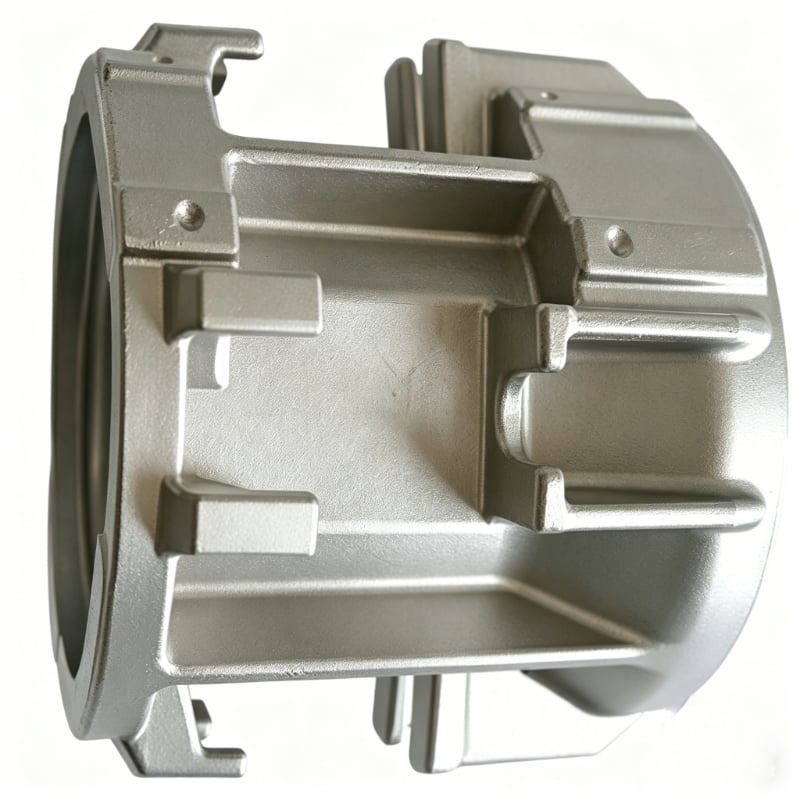
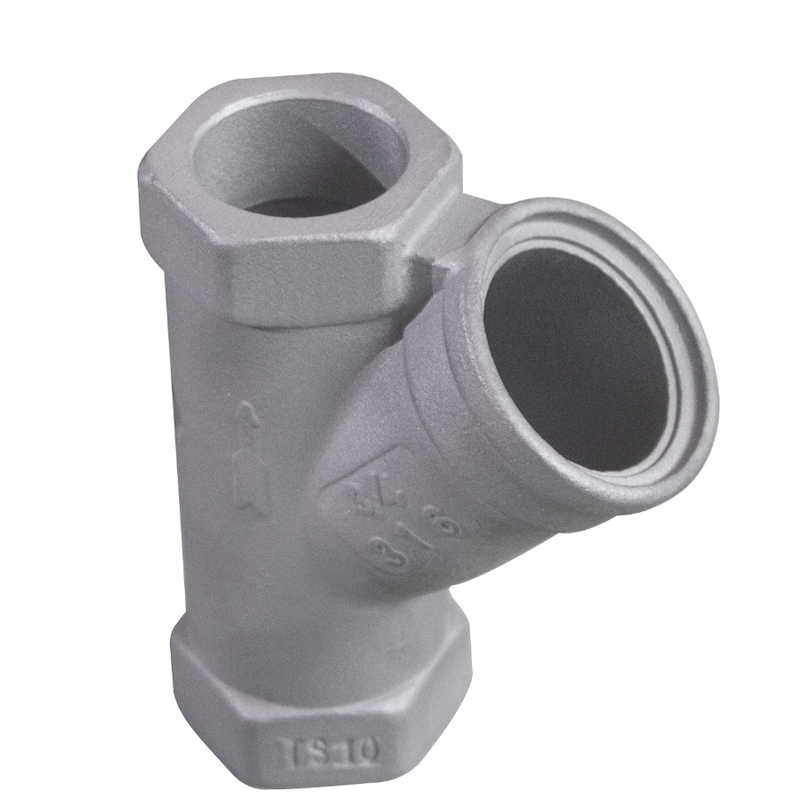
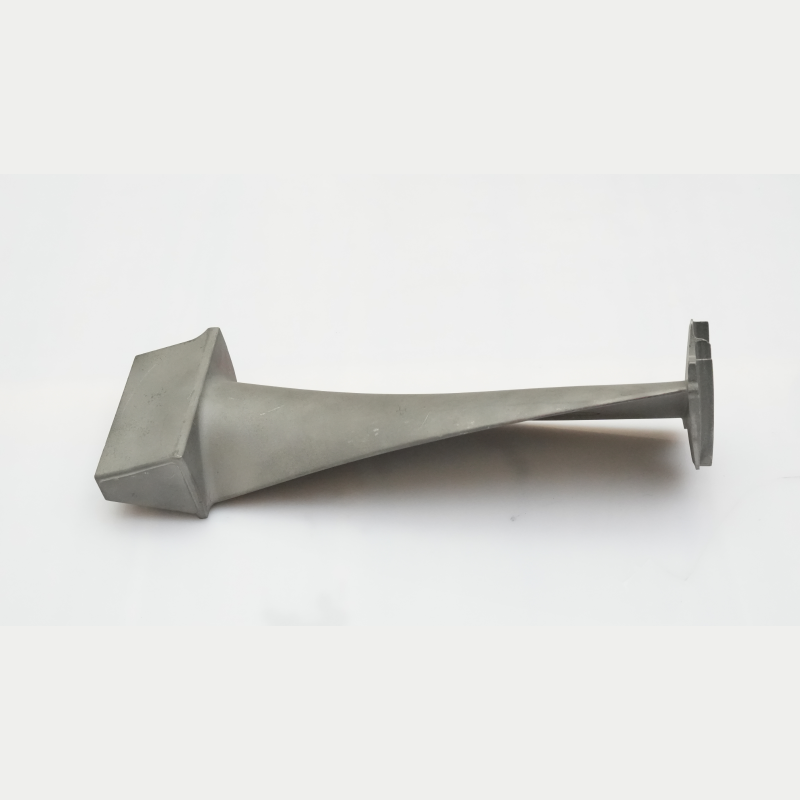
Precision engineered metal components represent the backbone of modern manufacturing and industrial applications, serving as critical elements that enable machinery, equipment, and systems to function with exceptional accuracy and reliability. These specialized parts are manufactured using advanced metalworking processes that achieve tight tolerances, superior surface finishes, and consistent dimensional accuracy measured in microns. The main functions of precision engineered metal components encompass structural support, motion transfer, load bearing, alignment maintenance, and operational control across diverse mechanical systems. From aerospace assemblies to medical devices, automotive systems to electronics housings, these components deliver the mechanical integrity and performance characteristics demanded by sophisticated applications. Technological features distinguishing precision engineered metal components include computer numerical control machining capabilities, wire electrical discharge machining, precision grinding operations, laser cutting technologies, and multi-axis turning processes. These manufacturing methods utilize state-of-the-art equipment programmed with exact specifications to produce parts that meet stringent quality standards and geometric dimensioning requirements. Material selection plays a vital role, with manufacturers working with stainless steel, aluminum alloys, titanium, brass, copper, and specialized metal compositions chosen for their mechanical properties, corrosion resistance, thermal characteristics, and weight considerations. Applications for precision engineered metal components span virtually every industrial sector. In aerospace engineering, these parts form critical flight control mechanisms, engine components, and structural connectors where failure is not an option. Medical equipment manufacturers rely on precision metal parts for surgical instruments, implantable devices, and diagnostic machinery requiring biocompatibility and absolute accuracy. The automotive industry incorporates these components into fuel injection systems, transmission assemblies, braking mechanisms, and engine blocks. Electronics manufacturers utilize precision metal parts for connectors, heat sinks, shielding components, and mounting hardware. Industrial automation systems depend on precision components for robotic assemblies, conveyor mechanisms, and control systems. The manufacturing process ensures repeatability across production runs, enabling companies to maintain consistent quality whether producing prototype quantities or high-volume orders, making precision engineered metal components indispensable across modern industry.

New Product Recommendations

Choosing precision engineered metal components for your manufacturing needs delivers substantial practical benefits that directly impact your operational efficiency, product quality, and bottom line performance. First and foremost, these components offer unmatched dimensional accuracy that eliminates the guesswork and adjustments often required with standard parts. When components arrive at your facility, they fit perfectly the first time, reducing assembly time and minimizing costly rework. This precision translates directly into faster production cycles and lower labor costs, allowing your team to focus on value-added activities rather than troubleshooting fit issues. The superior quality of precision engineered metal components significantly extends the operational lifespan of your equipment and products. Because these parts are manufactured to exacting standards using premium materials and advanced processes, they resist wear, maintain their dimensional stability under stress, and continue performing reliably over extended periods. This longevity means fewer replacement cycles, reduced maintenance downtime, and lower total cost of ownership across the product lifecycle. Your maintenance teams spend less time addressing component failures and more time on preventive activities that keep operations running smoothly. Another compelling advantage is the enhanced performance these components bring to your applications. Precision parts minimize vibration, reduce friction, improve alignment, and optimize energy transfer within mechanical systems. These performance improvements translate into quieter operation, increased efficiency, reduced energy consumption, and better end-product quality. For manufacturers competing in demanding markets, these performance gains provide competitive differentiation that customers notice and value. The versatility of precision engineered metal components allows you to address diverse application requirements with customized solutions. Manufacturers can specify exact dimensions, select optimal materials, choose appropriate surface treatments, and incorporate specific features tailored to unique operational demands. This customization capability eliminates the compromises often necessary when using off-the-shelf alternatives, ensuring your components perfectly match your engineering requirements. Quality consistency represents another significant practical benefit. Precision manufacturing processes deliver repeatable results across production batches, meaning every component meets identical specifications regardless of order size or timing. This consistency simplifies your quality control procedures, reduces incoming inspection requirements, and provides confidence in your supply chain reliability. Finally, working with precision engineered metal components suppliers often provides access to engineering expertise and technical support that helps optimize your designs. Experienced manufacturers offer insights into material selection, design for manufacturability, cost optimization strategies, and performance enhancement opportunities. This collaborative relationship extends beyond simple supplier transactions, creating partnerships that contribute to your product development success and manufacturing excellence.

Tips And Tricks

Selection And Application Scope Of Hardness Tester

11

May

Selection And Application Scope Of Hardness Tester

View More
The Role Of Elements In Castings And The Order Of Addition

11

May

The Role Of Elements In Castings And The Order Of Addition

View More
Stainless Steel Castings for Building Facade Systems

11

May

Stainless Steel Castings for Building Facade Systems

View More
Precision Stainless Steel Exhaust Manifold Casting Solution For Luxury Sedan - With Japanese First-Tier Car Brand

11

May

Precision Stainless Steel Exhaust Manifold Casting Solution For Luxury Sedan - With Japanese First-Tier Car Brand

View More

Get a Free Quote

Our representative will contact you soon.
Email
Name
Company Name
Message
0/1000

precision engineered metal components

Exceptional Tolerance Control and Dimensional Stability

Exceptional Tolerance Control and Dimensional Stability

The defining characteristic of precision engineered metal components lies in their extraordinary tolerance control and dimensional stability, features that fundamentally distinguish these parts from conventional manufacturing alternatives. Modern precision machining centers achieve tolerances as tight as plus or minus 0.0001 inches, representing accuracy levels previously unattainable in standard production environments. This microscopic precision enables components to function exactly as engineering specifications require, eliminating the performance variability that compromises system reliability. The technological foundation supporting this tolerance control includes computer numerical control systems that position cutting tools with exceptional repeatability, coordinate measuring machines that verify dimensional accuracy throughout production, and climate-controlled manufacturing environments that prevent thermal expansion from affecting part geometry. Quality management systems incorporating statistical process control continuously monitor production parameters, identifying and correcting deviations before they affect output quality. Dimensional stability extends beyond initial manufacturing accuracy to encompass long-term performance under operational conditions. Precision engineered metal components maintain their geometric characteristics despite temperature fluctuations, mechanical stress, vibration exposure, and environmental factors that cause dimensional changes in lesser components. This stability results from careful material selection, appropriate heat treatment processes, and stress-relieving operations that eliminate internal tensions within metal structures. For applications requiring critical fits, such as bearing assemblies, hydraulic components, sealing surfaces, and precision instruments, this dimensional stability proves essential. Components that maintain their dimensions over time ensure consistent clearances, prevent premature wear, eliminate leakage paths, and preserve alignment relationships that determine system performance. Manufacturers across industries depend on this reliability when designing products where component failure could result in safety hazards, production disruptions, or costly warranty claims. The practical implications for customers are substantial. Design engineers gain confidence specifying tighter clearances and more sophisticated mechanical relationships, knowing components will deliver intended performance. Production managers experience fewer assembly problems and reduced scrap rates because parts fit correctly without modification. Maintenance personnel benefit from longer service intervals and more predictable component lifecycles. Quality assurance teams spend less time managing dimensional issues and focus instead on other aspects of product excellence. Investment in precision engineered metal components with exceptional tolerance control and dimensional stability ultimately reduces total product cost despite potentially higher initial component prices, as savings from improved reliability, reduced rework, and extended service life far exceed upfront expenditures.
Advanced Material Selection and Surface Treatment Options

Advanced Material Selection and Surface Treatment Options

Precision engineered metal components benefit significantly from advanced material selection and sophisticated surface treatment options that optimize performance characteristics for specific application requirements. The ability to choose from an extensive range of metallic materials and apply specialized surface treatments creates components precisely matched to operational demands, environmental conditions, and performance expectations. Material selection begins with understanding the mechanical properties required for each application. High-strength aluminum alloys provide excellent strength-to-weight ratios ideal for aerospace and transportation applications where mass reduction directly impacts fuel efficiency and performance. Stainless steel grades offer superior corrosion resistance for medical devices, food processing equipment, and marine applications exposed to moisture and contaminants. Titanium alloys deliver exceptional strength, corrosion resistance, and biocompatibility for demanding aerospace and medical implant applications. Brass and copper alloys provide excellent electrical conductivity, thermal properties, and machinability for electrical components and heat exchange applications. Tool steels offer hardness and wear resistance for cutting tools, dies, and high-stress mechanical components. Beyond base material selection, surface treatment options dramatically enhance component performance and longevity. Hard anodizing creates extremely durable oxide layers on aluminum components, increasing surface hardness, improving wear resistance, and providing corrosion protection while maintaining dimensional precision. Electroless nickel plating deposits uniform coating layers that enhance corrosion resistance, provide lubricity, and improve solderability for electronic applications. Passivation treatments for stainless steel remove free iron contamination and enhance the natural corrosion resistance of chromium-rich surfaces. Black oxide coatings provide mild corrosion resistance and reduce light reflection for optical applications. Chromate conversion coatings improve paint adhesion and provide additional corrosion protection. Heat treatment processes including hardening, tempering, annealing, and stress relieving modify material properties to achieve optimal hardness, toughness, ductility, and dimensional stability. These thermal processes allow manufacturers to tailor mechanical characteristics precisely to application requirements, balancing competing demands for strength, durability, and machinability. For customers, this material and treatment flexibility translates into components optimized for specific operational environments. Engineers specify materials and treatments that maximize component lifespan in corrosive atmospheres, high-temperature environments, cryogenic conditions, or high-stress applications. The ability to customize these characteristics eliminates over-engineering that adds unnecessary cost while ensuring components never fail prematurely due to inadequate material properties. Precision metal component manufacturers maintain expertise across diverse materials and treatments, guiding customers toward optimal selections that balance performance requirements, manufacturability considerations, and cost objectives. This technical consultation ensures every component specification reflects the most appropriate combination of base material and surface treatment for intended applications, delivering maximum value and reliability.
Scalable Production Capabilities Supporting Prototype Through High-Volume Requirements

Scalable Production Capabilities Supporting Prototype Through High-Volume Requirements

Precision engineered metal components manufacturers offer scalable production capabilities that seamlessly support customer needs ranging from initial prototype development through full-scale high-volume manufacturing, providing flexibility that accommodates business growth and changing market demands. This scalability represents a critical competitive advantage for companies navigating product development cycles, market introductions, and demand fluctuations without compromising component quality or delivery reliability. During prototype and low-volume phases, precision manufacturing technologies enable economical production of small quantities without requiring expensive tooling investments. Computer numerical control machining centers produce complex geometries directly from digital models, eliminating traditional tooling costs that made prototype quantities prohibitively expensive. Engineers iterate designs rapidly, incorporating improvements identified through testing and validation without the delays and costs associated with modifying dedicated production tooling. This agility accelerates product development timelines, allowing companies to reach market faster with thoroughly proven designs. As products transition from development to commercial production, precision manufacturing scales seamlessly to accommodate increasing volumes. The same CNC equipment, quality systems, and manufacturing processes that produced prototypes continue delivering identical quality characteristics at higher production rates. This continuity eliminates the quality variations and requalification efforts often required when transitioning between different manufacturing methods or suppliers. Customers maintain confidence that production components perform identically to validated prototypes, reducing risk during critical market introduction phases. For high-volume requirements, precision manufacturers implement production optimization strategies including dedicated manufacturing cells, automated material handling, lights-out machining operations, and statistical process control systems that maintain quality while maximizing throughput. Investment in multiple production centers provides capacity redundancy and business continuity assurance. Sophisticated production planning and inventory management systems ensure consistent delivery performance matching customer demand patterns. The economic advantages of this scalability benefit customers throughout product lifecycles. Companies avoid splitting component sourcing between prototype specialists and production suppliers, maintaining single-source relationships that simplify supply chain management and preserve institutional knowledge about component specifications and quality requirements. Engineering changes are implemented consistently across all production volumes without coordination complexities between multiple suppliers. Quality management systems remain continuous, maintaining traceability and documentation consistency from initial prototypes through end-of-life production. Flexible capacity also accommodates demand variability without long-term volume commitments that create inventory risks. Customers scale orders up during peak demand periods or new product launches, then reduce volumes as market conditions change, maintaining just-in-time inventory strategies that minimize working capital requirements. This responsiveness proves especially valuable in industries experiencing rapid technological change, seasonal demand patterns, or market uncertainty. Precision engineered metal components suppliers supporting scalable production become true manufacturing partners rather than transactional vendors, investing in customer success across product lifecycles and adapting their operations to match evolving business requirements while consistently delivering the quality, precision, and reliability that define these critical components.

Get a Free Quote

Our representative will contact you soon.
Email
Name
Company Name
Message
0/1000