Designflexibilitet og evne til kompleks geometri
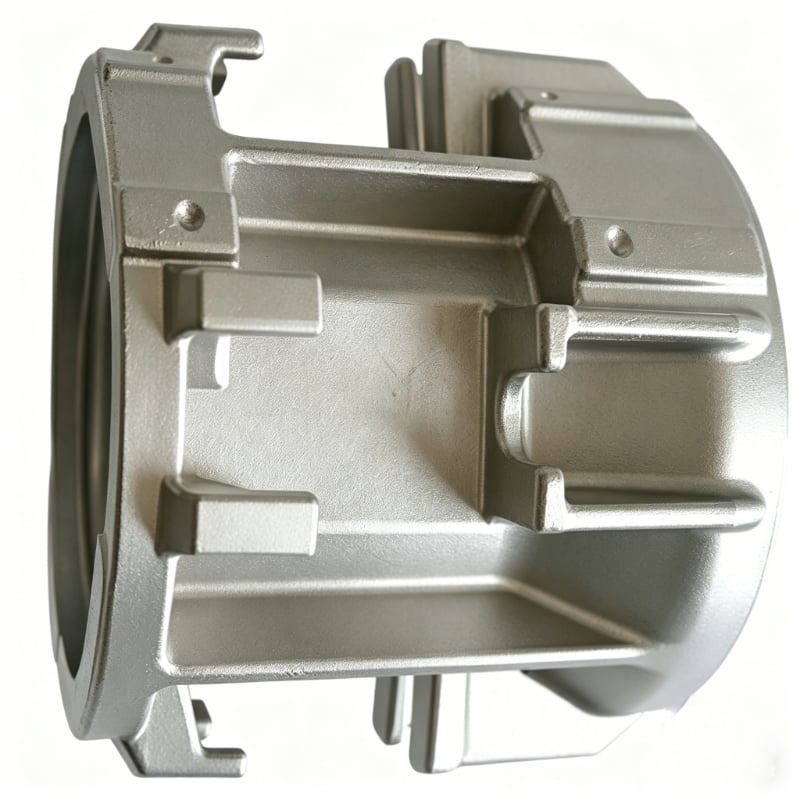
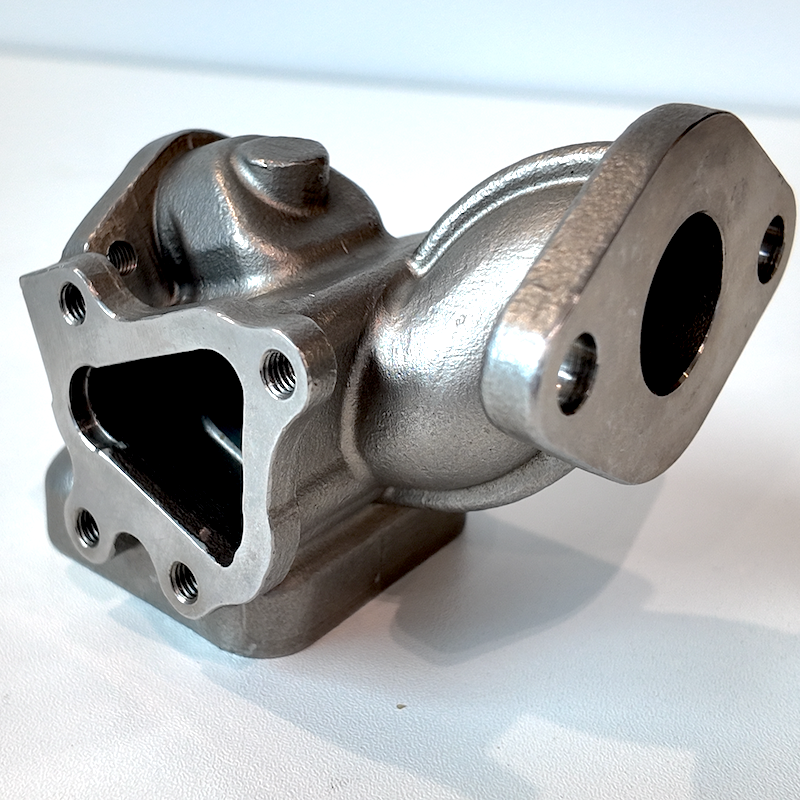
Nøyaktige metallstøpingsdeler tilbyr en uovertruffen designfrihet som gir ingeniører mulighet til å lage komponenter med komplekse geometrier, intrikate detaljer og optimaliserte strukturer som ville vært forbudt dyre eller rett og slett umulige å produsere ved hjelp av konvensjonelle maskinbearbeidings-, smi- eller fabrikasjonsmetoder. Denne designfleksibiliteten starter med det grunnleggende støpeprinsippet om å forme deler ved å fylle en formhule med smeltet metall, noe som gjør det mulig å lage interne kanaler, utskjæringer (undercuts), varierende veggtykkelser og organiske former som følger funksjonelle krav på naturlig vis, i stedet for å være begrenset av verktøytilgang eller lineære maskinbearbeidingsbaner. Ingeniører kan integrere flere funksjoner i én enkelt nøyaktig metallstøpt del, som ellers ville krevd montering av flere maskinbearbeidede komponenter, noe som reduserer antallet deler, eliminerer potensielle lekkasjepath eller svakpunkter i skjøter og forenkler lagerstyring og monteringsoperasjoner. Muligheten til å strategisk variere veggtykkelsen gjennom hele komponenten muliggjør vektoptimering – materialer plasseres der hvor styrke og stivhet er nødvendig, mens massen minimeres i mindre kritiske områder, noe som resulterer i deler med optimale styrke-til-vekt-forhold for anvendelser innen luft- og romfart, bilindustri og bærbare utstyr, der hver eneste unse teller. Komplekse kjølekanaler, væskekanaler og interne gallerier kan støpes direkte inn i nøyaktige metallstøpingsdeler, noe som skaper funksjonalitet som ellers ville krevd omfattende boremaskinering, elektrisk utladningsmaskinering (EDM) eller additiv fremstilling med andre produksjonsmetoder – ofte til betydelig høyere kostnader. Fritaken til å designe med kurver, organiske former og flytende overganger, i stedet for å være begrenset til rette linjer og rette vinkler, gir ingeniører mulighet til å optimere spenningsfordeling, forbedre væskedynamikk og skape estetisk tiltalende former som forbedrer både funksjon og utseende. Nøyaktige metallstøpingsdeler kan innebære boss-detaljer, monteringspunkter, forsterkningsribber og andre strukturelle elementer som integrerte deler av komponenten, i stedet for som sekundære tilkoblinger, noe som forbedrer strukturell integritet samtidig som det reduserer fremstillingskompleksiteten. Denne designfleksibiliteten strekker seg også til rask prototyping og designiterasjon, da endringer i delgeometrien ofte kan implementeres ved å modifisere mønstre eller verktøy, i stedet for å omprogrammere omfattende maskinbearbeidingsoperasjoner, noe som akselererer utviklingsløpet og reduserer kostnadene ved utforskning av alternative designløsninger. Konsolidering av flere deler til én enkelt nøyaktig metallstøpt del reduserer ikke bare fremstillingskostnadene, men forbedrer også påliteligheten ved å eliminere skruer, sveiseskjøter og andre forbindelser som representerer potensielle svakpunkter, samtidig som kvalitetskontrollen forenkles ved å redusere antallet komponenter som krever inspeksjon og testing.

 EN
EN