gietonderdelen voor de lucht- en ruimtevaart
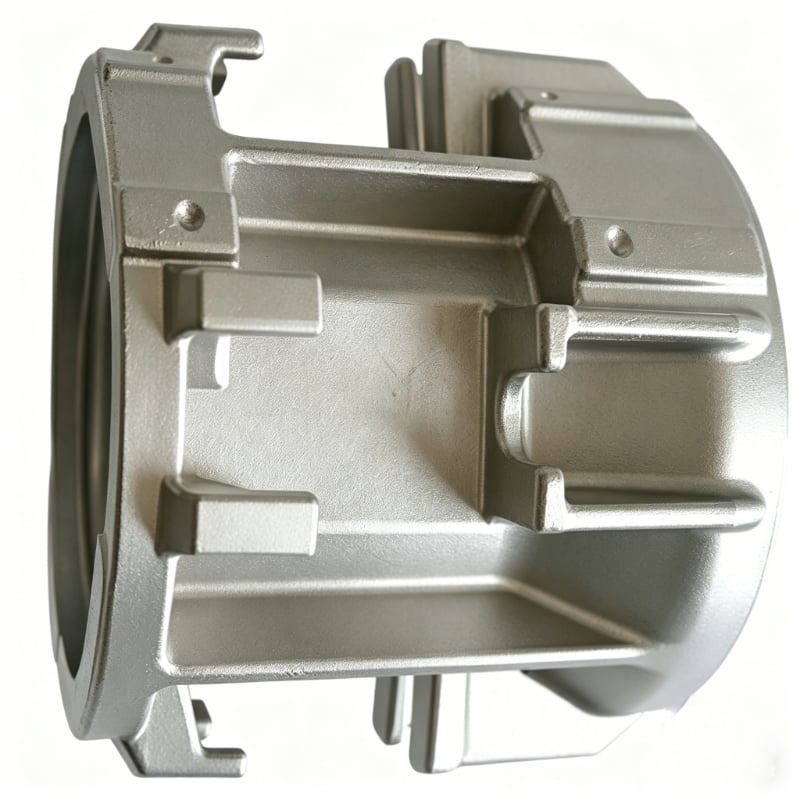
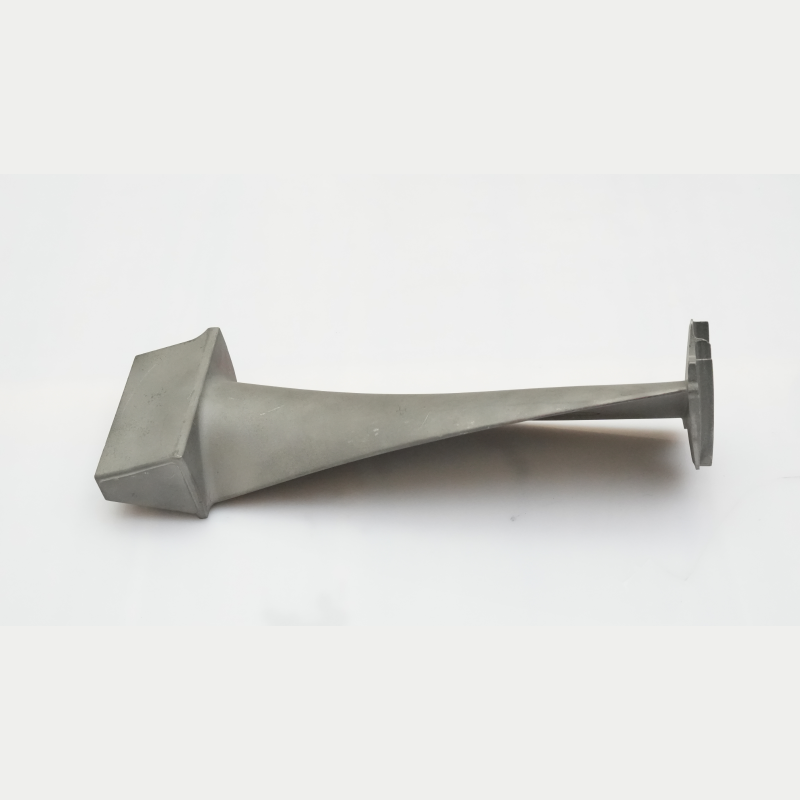
Lucht- en ruimtevaartgietcomponenten vormen kritieke productieoplossingen die de basis vormen van moderne luchtvaart- en ruimtevaarttechnologieën. Deze precisie-engineered onderdelen worden vervaardigd via geavanceerde gietprocessen waarmee gesmolten metalen worden omgevormd tot complexe vormen die nodig zijn voor vliegtuigmotoren, structurele constructies, landingsgestellen en ruimtevaartuigmontages. De primaire functie van lucht- en ruimtevaartgietcomponenten bestaat uit het leveren van lichtgewicht, maar uiterst sterke onderdelen die bestand zijn tegen extreme temperaturen, intense trillingen en enorme mechanische belastingen tijdens vluchtoperaties. Deze componenten maken gebruik van gespecialiseerde legeringen zoals titanium, aluminium, magnesium en superlegeringen, die een uitzonderlijke sterkte-op-gewichtverhouding bieden, essentieel voor toepassingen in de lucht- en ruimtevaart. De technologische kenmerken van lucht- en ruimtevaartgietcomponenten omvatten hun vermogen om ingewikkelde geometrieën te creëren die onmogelijk of economisch onhaalbaar zouden zijn met andere productiemethoden. Verlorenschuimgieten, zandgieten en spuitgieten stellen fabrikanten in staat om onderdelen te produceren met nauwe toleranties, gladde oppervlakten en minimale materiaalverspilling. Geavanceerde computerondersteunde ontwerp- en simulatiesoftware stelt ingenieurs in staat om componentontwerpen te optimaliseren voordat de productie begint, wat structurele integriteit en betrouwbare prestaties waarborgt. Lucht- en ruimtevaartgietcomponenten worden toegepast in de commerciële luchtvaart, militaire vliegtuigen, satellieten, raketten en onbemande luchtvaartuigen. Motorbehuizingen, turbinebladen, brandstofsysteemonderdelen, hydraulische aansluitingen en structurele beugels zijn allemaal afhankelijk van giettechnologie. De ruimtevaartindustrie is op deze componenten aangewezen voor raketmotoronderdelen, satellietframes en constructies van exploratievoertuigen. Moderne lucht- en ruimtevaartgietcomponenten integreren niet-destructieve testmethoden, kwaliteitsborgingsprotocollen en traceerbaarheidssystemen die voldoen aan strenge veiligheidsnormen voor de luchtvaart, vastgesteld door regelgevende instanties wereldwijd. De continue evolutie van giettechnologieën, inclusief integratie van additieve fabricage en ontwikkeling van geavanceerde legeringen, zorgt ervoor dat lucht- en ruimtevaartgietcomponenten blijven leiden op het gebied van innovatie in de luchtvaart, en zowel bestaande vliegtuigvloten als toekomstige generaties lucht- en ruimtevaartuigen ondersteunen die zijn ontworpen voor verbeterde brandstofefficiëntie, lagere emissies en betere prestatievermogens.

 EN
EN