أجزاء تبريد الخوادم عالية الكثافة
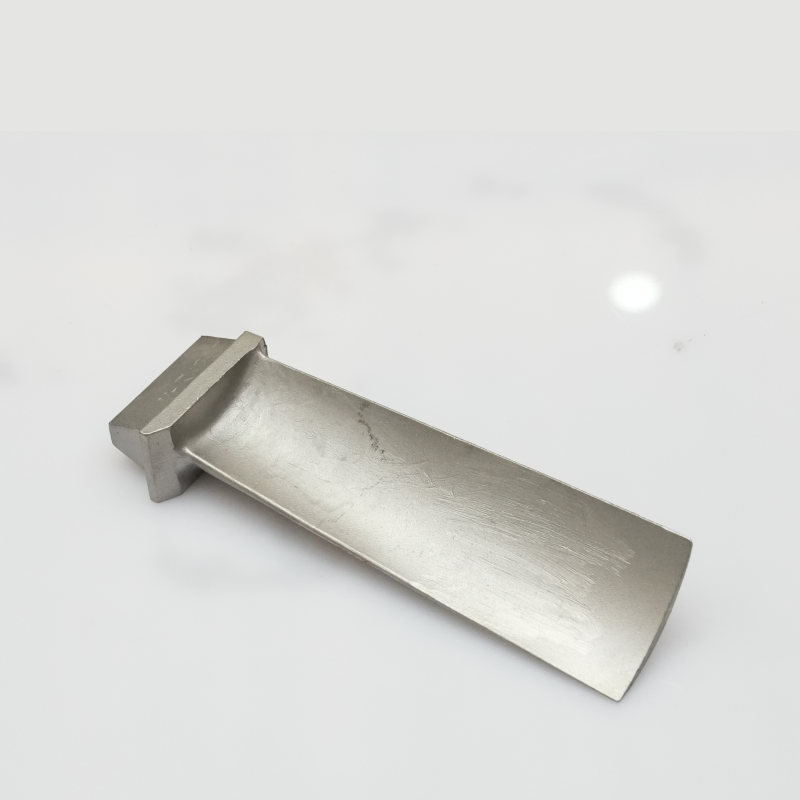
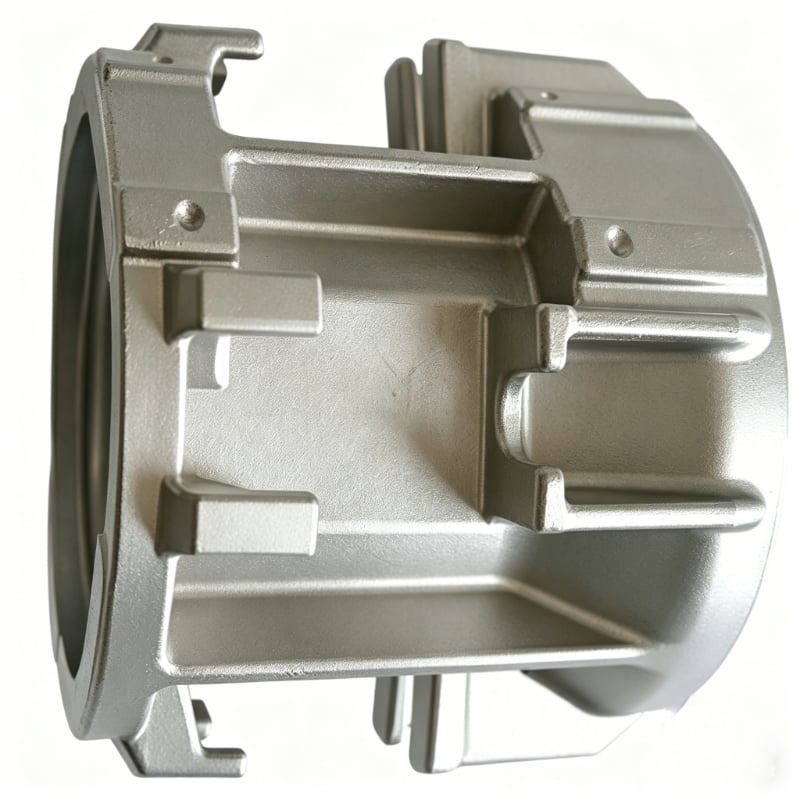
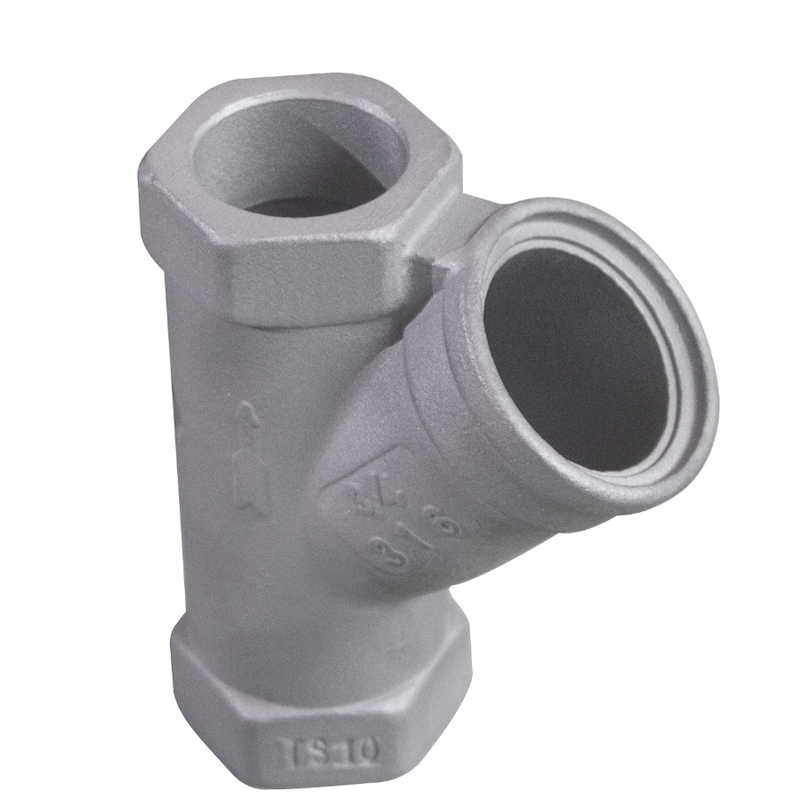
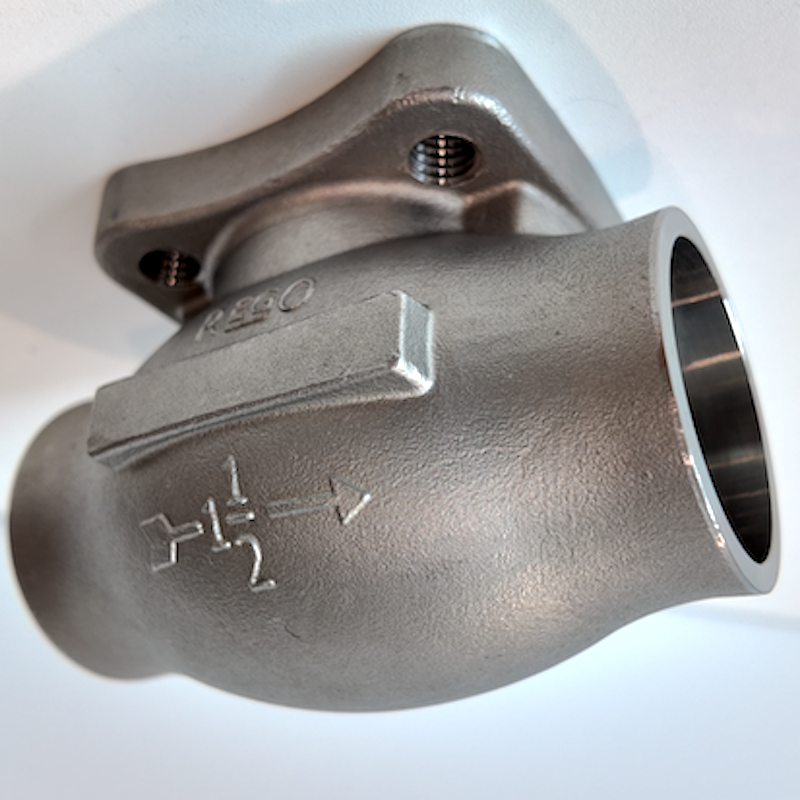
تمثل أجزاء تبريد الخوادم عالية الكثافة مكونات حاسمة صُممت لإدارة التحديات الحرارية في مراكز البيانات الحديثة، حيث تتركز قوة الحوسبة في مساحات أصبحت أكثر إحكاماً بشكل متزايد. وتتناول هذه الحلول الخاصة بالتبريد المشكلة الأساسية المتمثلة في تبديد الحرارة في البيئات التي تُثبت فيها طرق التبريد الهوائي التقليدية عدم كفايتها. ومع تركيز الخوادم لمزيد من القدرات المعالِجة في مساحات أصغر، تزداد الأحمال الحرارية، ما يستدعي تقنيات تبريد متقدمة قادرة على إزالة الحرارة بكفاءة مع الحفاظ على درجات حرارة التشغيل المثلى. وتشمل أجزاء تبريد الخوادم عالية الكثافة مجموعة متنوعة من المكونات مثل ألواح التبريد السائلة، ومبدّلات الحرارة، والمراوح الدقيقة، ومواد الواجهة الحرارية، والألواح الباردة، والتوزيعات (المانيفولدات)، ووحدات التوزيع، والتي تعمل معًا لتكوين أنظمة شاملة لإدارة الحرارة. وتركّز الوظيفة الأساسية لهذه الأجزاء على نقل الحرارة بعيدًا عن المكونات الحاسمة مثل وحدات المعالجة المركزية، ووحدات الذاكرة، وأنظمة توصيل الطاقة، والتي تولّد كمّاً كبيراً من الطاقة الحرارية أثناء التشغيل. وتستند هذه الأجزاء إلى مبادئ هندسية متطورة تشمل علم الحرارة، وديناميكا الموائع، وعلوم المواد لتحقيق أقصى كفاءة تبريد ضمن قيود فيزيائية محدودة. وتشمل الميزات التكنولوجية لأجزاء تبريد الخوادم عالية الكثافة ابتكارات مثل التصاميم ذات القنوات الميكروية التي تزيد من مساحة السطح المتاحة لنقل الحرارة، والمواد المتقدمة ذات التوصيل الحراري المتفوق، وتقنيات التصنيع الدقيق التي تضمن أفضل تماسٍّ ممكن بين أسطح التبريد ومصادر الحرارة، وأنظمة توزيع التدفق الذكية التي توجّه سائل التبريد بدقة إلى المواقع التي تحتاج إليه فعلاً. وتتكامل أجزاء تبريد الخوادم عالية الكثافة الحديثة بسلاسة مع بنية الرفوف البنية التحتية للمباني الخاصة بأنظمة التبريد، وتدعم كلًّا من الهياكل التي تستخدم التبريد المساعد بالهواء والهياكل التي تعتمد بالكامل على التبريد السائل. وتشمل مجالات التطبيق مرافق الحوسبة السحابية الفائقة النطاق، ومراكز بيانات المؤسسات، وعناقيد الحوسبة عالية الأداء، وأنظمة تدريب الذكاء الاصطناعي، وعمليات تعدين العملات الرقمية، والبنية التحتية للاتصالات السلكية واللاسلكية، ونشر حلول الحوسبة الطرفية (Edge Computing)، حيث تتطلب القيود المفروضة على المساحة تحقيق أقصى كثافة حاسوبية ممكنة. وبفضل هذه الحلول للتبريد، يمكن للمؤسسات زيادة سعة الحوسبة دون توسيع نسبتها المقابلة للمساحة الفيزيائية، مما يقلل تكاليف العقارات ويعزز الكفاءة الطاقية والاستدامة التشغيلية عبر خفض استهلاك الطاقة مقارنةً بالأساليب التقليدية للتبريد.

 EN
EN