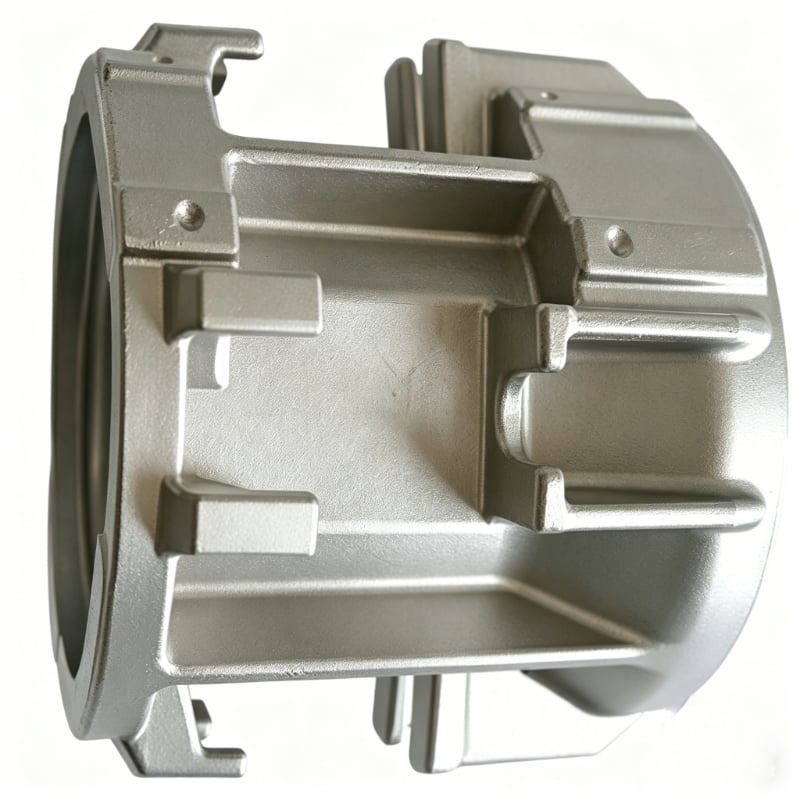
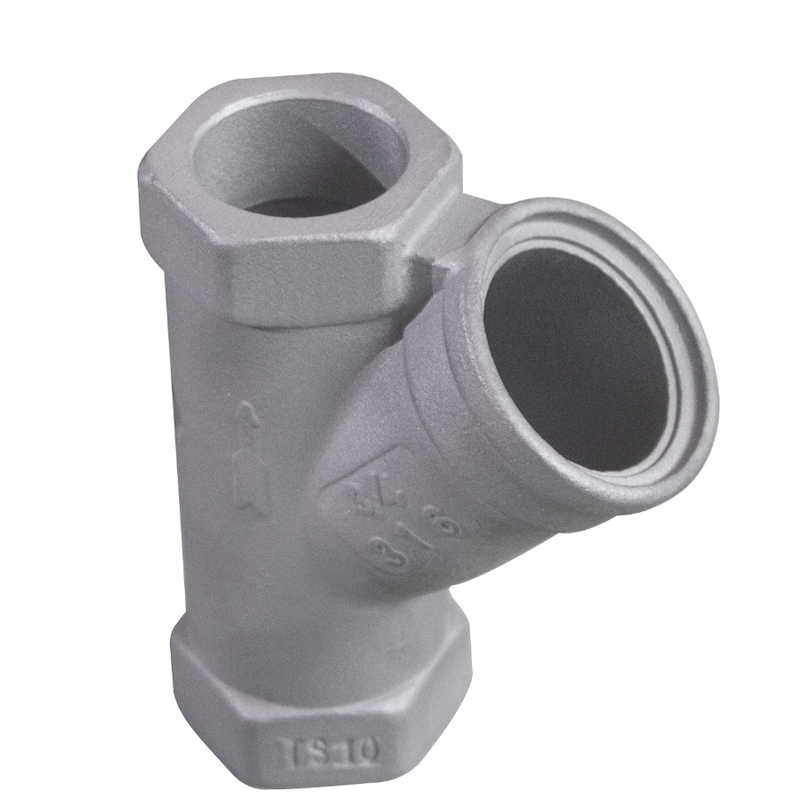
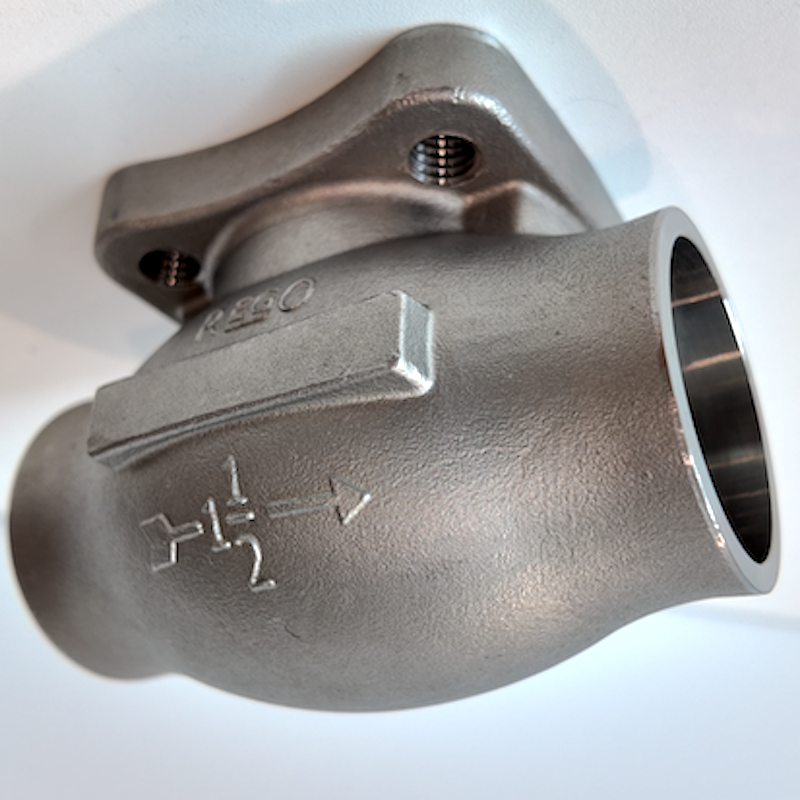
high density server cooling parts
High density server cooling parts represent critical components designed to manage thermal challenges in modern data centers where computing power concentrates in increasingly compact spaces. These specialized cooling solutions address the fundamental problem of heat dissipation in environments where traditional air cooling methods prove insufficient. As servers pack more processing capability into smaller footprints, the thermal load intensifies, requiring advanced cooling technologies that can efficiently remove heat while maintaining optimal operating temperatures. High density server cooling parts encompass various components including liquid cooling plates, heat exchangers, precision fans, thermal interface materials, cold plates, manifolds, and distribution units that work together to create comprehensive thermal management systems. The primary function of high density server cooling parts focuses on transferring heat away from critical components such as processors, memory modules, and power delivery systems that generate substantial thermal energy during operation. These parts employ sophisticated engineering principles including thermodynamics, fluid dynamics, and materials science to achieve maximum cooling efficiency within limited physical constraints. The technological features of high density server cooling parts incorporate innovations such as microchannel designs that increase surface area for heat transfer, advanced materials with superior thermal conductivity, precision manufacturing techniques ensuring optimal contact between cooling surfaces and heat sources, and intelligent flow distribution systems that deliver coolant exactly where needed. Modern high density server cooling parts integrate seamlessly with rack infrastructure and building cooling systems, supporting both air-assisted and fully liquid-cooled architectures. Applications span hyperscale cloud computing facilities, enterprise data centers, high-performance computing clusters, artificial intelligence training systems, cryptocurrency mining operations, telecommunications infrastructure, and edge computing deployments where space constraints demand maximum computing density. These cooling solutions enable organizations to increase computational capacity without proportionally expanding physical footprint, reducing real estate costs while improving energy efficiency and operational sustainability through reduced power consumption compared to traditional cooling approaches.

 EN
EN