Server Thermal Management Components: Advanced Cooling Solutions for Data Center Efficiency

Get a Free Quote

Our representative will contact you soon.
Email
Name
Company Name
Message
0/1000

server thermal management components

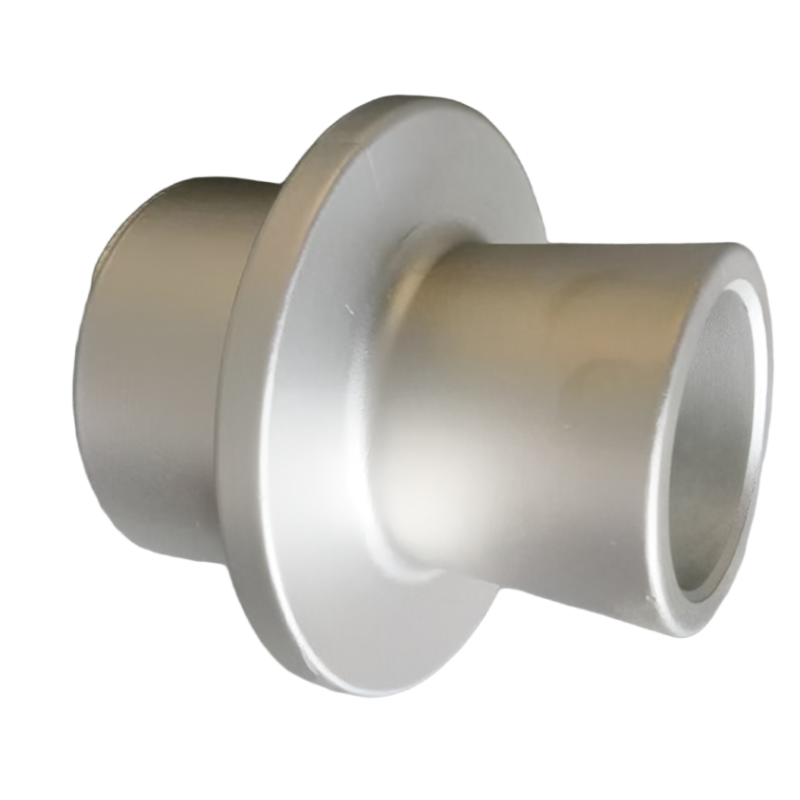
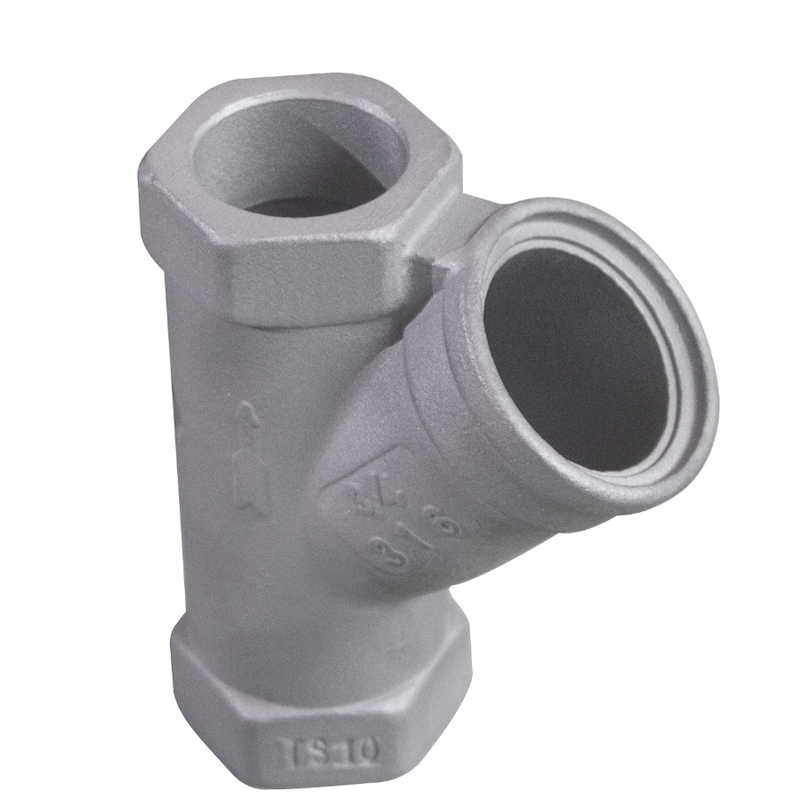
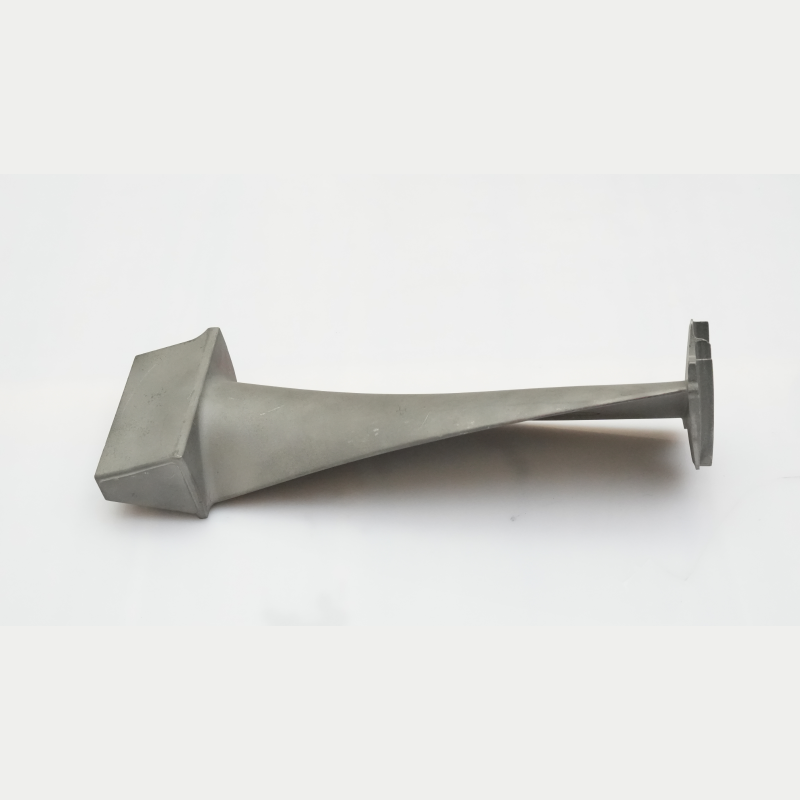
Server thermal management components represent essential hardware solutions designed to regulate and dissipate heat generated by high-performance computing systems. These specialized components form the backbone of reliable data center operations, ensuring optimal temperature control for processors, memory modules, storage devices, and other critical hardware elements. Modern server thermal management components encompass a comprehensive range of products including heatsinks, cooling fans, liquid cooling systems, thermal interface materials, heat pipes, vapor chambers, and advanced airflow management solutions. The primary function of server thermal management components centers on preventing thermal throttling, hardware failure, and performance degradation caused by excessive heat buildup. As servers continue to deliver increasing processing power within compact form factors, the role of thermal management components becomes increasingly critical. These components work synergistically to extract heat from sensitive electronic components and transfer it away from critical areas, maintaining safe operating temperatures under various workload conditions. Technological features of modern server thermal management components include precision-engineered aluminum or copper heatsinks with optimized fin designs, variable-speed intelligent cooling fans with PWM control, advanced thermal interface materials featuring high conductivity coefficients, and sophisticated liquid cooling loops utilizing efficient heat exchangers. Applications span across enterprise data centers, cloud computing facilities, high-performance computing clusters, telecommunications infrastructure, edge computing deployments, and artificial intelligence processing centers. Server thermal management components must accommodate diverse operational environments, from traditional raised-floor data centers to containerized edge deployments, while maintaining consistent cooling performance. The evolution of these components continues to address emerging challenges such as higher thermal design power requirements, increased component density, energy efficiency mandates, acoustic noise reduction, and sustainability considerations. Understanding the comprehensive role of server thermal management components enables organizations to make informed decisions about infrastructure investments that directly impact system reliability, operational costs, and overall computing performance.

Popular Products

Investing in quality server thermal management components delivers substantial practical benefits that directly impact your bottom line and operational efficiency. First and foremost, these components significantly extend the lifespan of your expensive server hardware by preventing heat-related degradation and failure. When processors, memory, and storage devices operate within optimal temperature ranges, they experience less thermal stress, resulting in fewer unexpected breakdowns and replacement costs. This translates to better return on investment for your infrastructure spending and reduces the frequency of disruptive maintenance windows. Energy efficiency represents another compelling advantage, as properly designed server thermal management components optimize cooling performance while minimizing power consumption. Modern variable-speed fans adjust their operation based on actual thermal loads, consuming electricity only when necessary rather than running at maximum capacity continuously. This intelligent approach can reduce cooling-related energy costs by thirty to fifty percent compared to fixed-speed alternatives, generating substantial savings across large deployments. Performance consistency stands as a critical benefit that directly affects user experience and application responsiveness. Without adequate thermal management, servers experience thermal throttling where processors automatically reduce clock speeds to prevent overheating, causing unpredictable slowdowns and bottlenecks. Quality server thermal management components eliminate this problem, allowing your hardware to maintain peak performance levels even during demanding workloads. Reduced downtime constitutes perhaps the most valuable advantage for business-critical operations. Heat-related failures often occur suddenly and can cause extended outages while replacement components are sourced and installed. Proactive thermal management prevents these catastrophic failures, ensuring continuous availability for essential services and applications. Space optimization becomes possible through effective thermal solutions that allow higher density deployments. When you can confidently cool more servers in less space, you maximize the utilization of expensive data center real estate without compromising reliability. Noise reduction benefits create more comfortable working environments in offices or labs where servers operate near personnel. Advanced server thermal management components incorporate acoustic dampening features and intelligent fan curves that minimize disruptive sound levels while maintaining adequate cooling. Flexibility and scalability emerge as important advantages when planning infrastructure growth. Modular thermal management solutions allow you to start with baseline cooling capacity and expand as computing demands increase, avoiding over-provisioning and wasted investment. Environmental sustainability gains importance as organizations pursue green computing initiatives. Efficient server thermal management components reduce overall energy consumption, lower carbon footprints, and support corporate environmental responsibility goals. Finally, these components provide peace of mind through predictable, reliable operation that lets IT teams focus on strategic initiatives rather than constantly troubleshooting thermal emergencies.

Tips And Tricks

Basic Principles Of Design Of Precision Casting Gating System

11

May

Basic Principles Of Design Of Precision Casting Gating System

View More
The Role Of Elements In Castings And The Order Of Addition

11

May

The Role Of Elements In Castings And The Order Of Addition

View More
Stainless Steel Castings for Architectural Posts

11

May

Stainless Steel Castings for Architectural Posts

View More
Precision Stainless Steel Exhaust Manifold Casting Solution For Luxury Sedan - With Japanese First-Tier Car Brand

11

May

Precision Stainless Steel Exhaust Manifold Casting Solution For Luxury Sedan - With Japanese First-Tier Car Brand

View More

Get a Free Quote

Our representative will contact you soon.
Email
Name
Company Name
Message
0/1000

server thermal management components

Advanced Heat Dissipation Technology for Maximum Performance Stability

Advanced Heat Dissipation Technology for Maximum Performance Stability

The cornerstone of effective server thermal management components lies in their sophisticated heat dissipation technology, which employs multiple engineering principles to maintain optimal operating temperatures across all system components. Modern heatsink designs utilize computational fluid dynamics modeling to optimize fin geometry, spacing, and orientation for maximum surface area exposure and airflow efficiency. These precision-engineered structures typically feature copper base plates that make direct contact with heat-generating components, leveraging copper's superior thermal conductivity to rapidly absorb thermal energy. The heat then transfers through embedded heat pipes containing phase-change working fluids that transport thermal energy with remarkable efficiency, often exceeding the thermal conductivity of solid copper by factors of one hundred or more. This technology enables server thermal management components to handle thermal design power levels exceeding three hundred watts per processor while maintaining junction temperatures well below critical thresholds. The practical importance of this advanced heat dissipation technology manifests in several crucial ways for data center operators and IT professionals. First, it enables the deployment of latest-generation processors with higher core counts and clock speeds without thermal limitations constraining performance capabilities. Organizations can leverage cutting-edge computing power for artificial intelligence, data analytics, virtualization, and other demanding applications without compromising system stability. Second, superior heat dissipation extends thermal headroom during peak load conditions, preventing emergency thermal events during unexpected usage spikes or cooling system perturbations. This reliability proves invaluable for mission-critical applications where downtime carries severe financial or operational consequences. Third, efficient heat removal reduces thermal cycling stress on solder joints, circuit boards, and component packages, dramatically extending mean time between failures and reducing total cost of ownership. The value proposition becomes especially compelling when considering that premature hardware failures often necessitate expensive emergency replacements, extended troubleshooting time, and potential data recovery efforts. Furthermore, advanced server thermal management components with superior heat dissipation capabilities enable quieter operation through reduced fan speed requirements, creating more acceptable acoustic environments in edge computing locations or office settings. The technology also supports higher-density rack configurations by preventing hot spots and thermal interference between adjacent servers, maximizing the computing capacity achievable within limited physical footprints and enabling more efficient use of valuable data center space.
Intelligent Adaptive Cooling Systems for Optimal Energy Efficiency

Intelligent Adaptive Cooling Systems for Optimal Energy Efficiency

Modern server thermal management components incorporate intelligent adaptive cooling systems that revolutionize energy efficiency through dynamic response to real-time thermal conditions and workload patterns. These sophisticated systems employ temperature sensors strategically positioned throughout the server chassis, continuously monitoring thermal conditions at processors, memory modules, storage devices, voltage regulators, and other heat-generating components. Advanced microcontrollers process this sensor data using proprietary algorithms that calculate optimal fan speeds, pump rates, and airflow distribution patterns to maintain target temperatures with minimal energy expenditure. Unlike legacy fixed-speed cooling solutions that operate continuously at maximum capacity regardless of actual thermal loads, intelligent adaptive systems scale cooling output proportionally to genuine requirements, dramatically reducing unnecessary power consumption during periods of light utilization. The technology extends beyond simple on-off control to implement sophisticated proportional-integral-derivative algorithms that anticipate thermal trends and proactively adjust cooling before temperature excursions occur, maintaining tighter thermal tolerances with smoother, more efficient operation. Some advanced server thermal management components feature machine learning capabilities that analyze historical thermal patterns and workload characteristics, developing customized cooling profiles optimized for specific application environments and usage scenarios. This intelligent approach delivers multiple layers of value for organizations investing in modern infrastructure solutions. Energy cost reduction represents the most immediately quantifiable benefit, with adaptive cooling systems typically achieving twenty to forty percent reductions in cooling-related electricity consumption compared to traditional approaches. For large data centers operating thousands of servers, these savings compound into substantial annual cost reductions that significantly impact operational budgets and improve financial performance. Environmental benefits accompany these efficiency gains, reducing carbon emissions and supporting corporate sustainability initiatives that increasingly influence stakeholder perceptions and regulatory compliance requirements. Beyond energy savings, intelligent adaptive cooling extends component lifespan by avoiding the mechanical wear associated with continuous maximum-speed fan operation, reducing bearing degradation and eventual motor failures that necessitate replacement. The systems also minimize acoustic noise during typical operation, automatically increasing cooling output only when thermal conditions genuinely require enhanced airflow, creating more acceptable sound environments. Operational flexibility improves as adaptive systems automatically accommodate varying ambient temperatures, changing workload intensities, and different application profiles without manual intervention or configuration changes. This automation reduces administrative overhead and eliminates the expertise barriers associated with manual thermal management tuning, allowing IT generalists to deploy and operate sophisticated cooling solutions confidently.
Comprehensive Multi-Layer Thermal Protection for Enterprise Reliability

Comprehensive Multi-Layer Thermal Protection for Enterprise Reliability

Enterprise-grade server thermal management components distinguish themselves through comprehensive multi-layer thermal protection mechanisms that safeguard critical infrastructure investments against diverse failure scenarios and operational challenges. This defensive architecture implements redundant monitoring systems, progressive response protocols, and fail-safe mechanisms that collectively ensure continuous operation even when individual components malfunction or external conditions deviate from normal parameters. The protection framework begins with distributed temperature sensing arrays that provide granular visibility into thermal conditions across all critical zones, detecting localized hot spots or cooling irregularities that single-point monitoring might miss. These sensor networks connect to dedicated thermal management controllers that maintain operational awareness independent of primary system processors, ensuring thermal protection continues functioning even during operating system crashes or software failures. Progressive response protocols implement escalating interventions as thermal conditions approach concerning thresholds, starting with increased cooling capacity, progressing to performance throttling if necessary, and ultimately initiating controlled shutdown procedures if temperatures reach critical limits. This graduated approach maximizes availability by resolving most thermal events through enhanced cooling without disrupting operations, while still providing absolute protection against catastrophic overheating that could permanently damage expensive components. Redundant cooling paths ensure that failure of individual fans or cooling loops does not compromise overall thermal management, with remaining components automatically increasing output to compensate for lost capacity. Advanced server thermal management components incorporate predictive failure detection that monitors fan bearing vibrations, motor current signatures, and performance degradation trends, generating maintenance alerts before complete failures occur and allowing proactive component replacement during scheduled maintenance windows rather than emergency outages. The enterprise reliability value proposition extends across multiple operational dimensions that directly impact business outcomes. Continuous availability for revenue-generating applications and customer-facing services becomes achievable through thermal protection systems that prevent heat-related outages and maintain consistent performance under all conditions. Risk mitigation addresses the catastrophic failure scenarios that keep IT directors awake at night, ensuring that cooling system malfunctions, HVAC failures, or extreme ambient temperatures cannot destroy server hardware investments potentially worth hundreds of thousands of dollars. Predictable maintenance scheduling replaces reactive firefighting, allowing organizations to plan component replacements during convenient maintenance windows with proper staffing and spare parts availability rather than scrambling to address emergency failures. Compliance benefits emerge for regulated industries where system availability and data integrity requirements carry legal implications, as comprehensive thermal protection demonstrates due diligence in infrastructure management. Insurance and warranty considerations may also favor deployments with robust server thermal management components, potentially reducing premiums or extending coverage terms through demonstrated risk reduction.

Get a Free Quote

Our representative will contact you soon.
Email
Name
Company Name
Message
0/1000