أجزاء صب فولاذي عالية الدقة
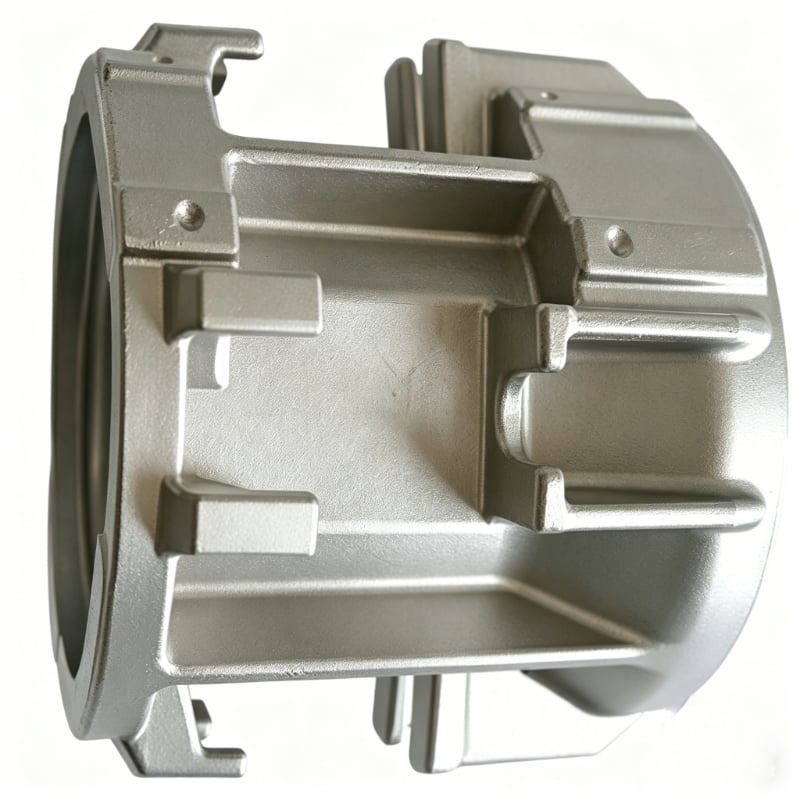
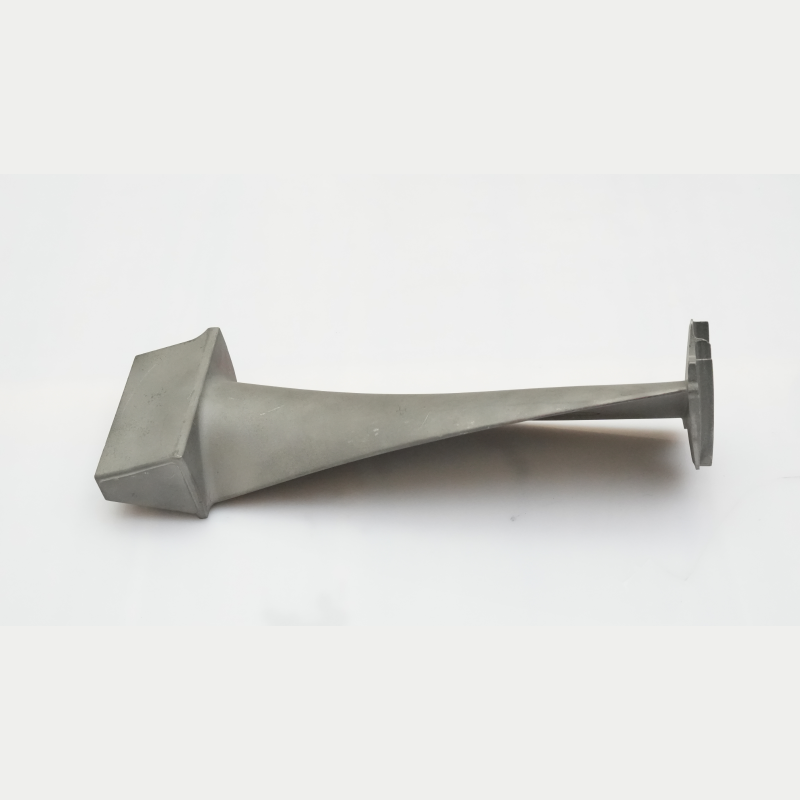
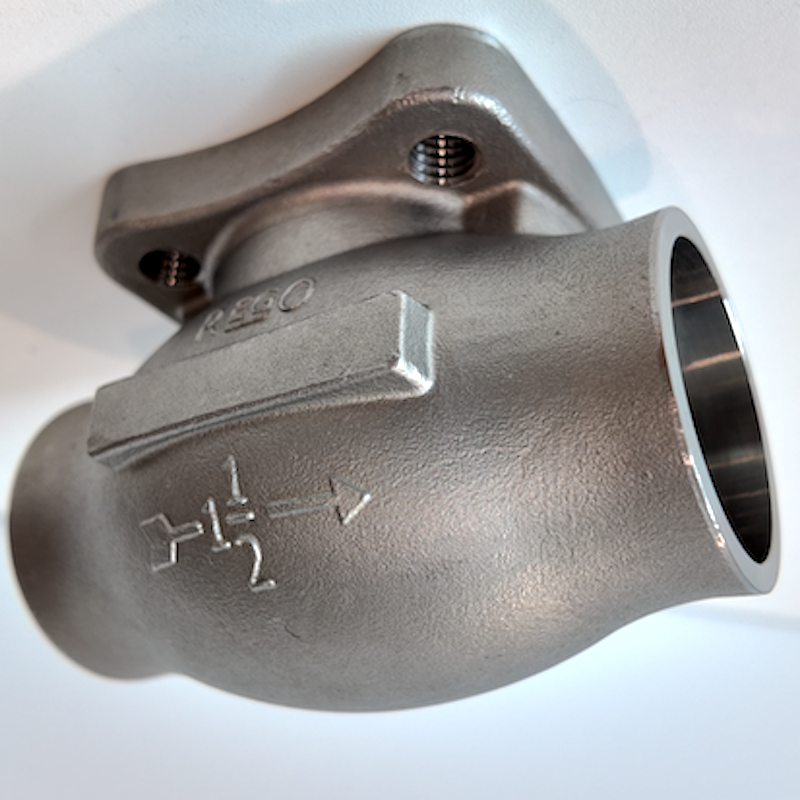
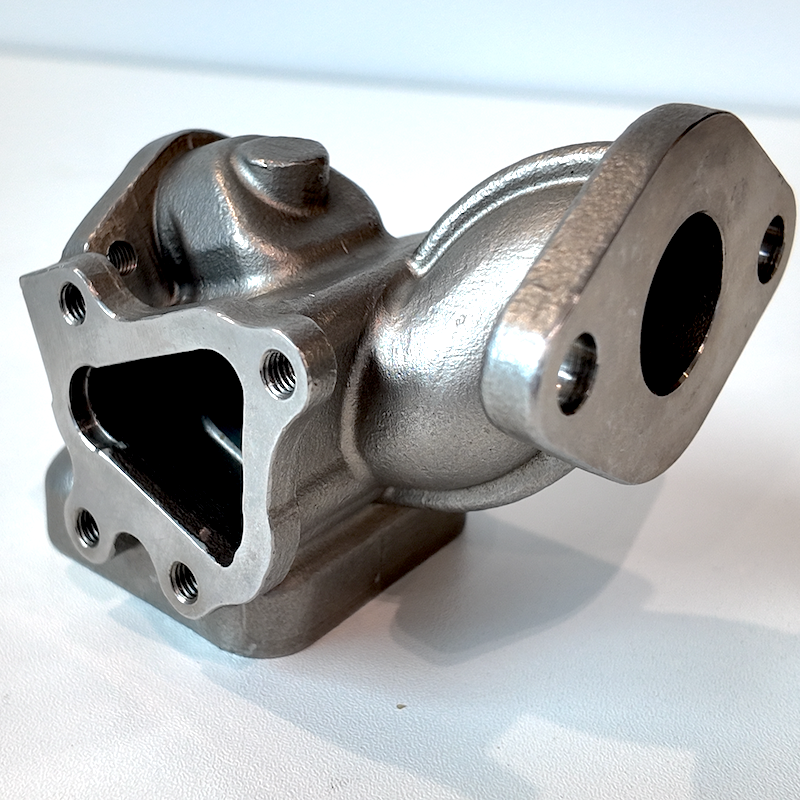
تمثل أجزاء الصب الفولاذي عالي الدقة حلاً تصنيعيًّا متطوّرًا يجمع بين عمليات المعالجة المعدنية المتقدمة وتقنيات الإنتاج المتطورة لتقديم مكونات تتميّز بدقة أبعاد استثنائية وخصائص ميكانيكية ممتازة. وقد صُمّمت هذه الأجزاء المصبوغة المتخصصة لتلبية متطلبات التحمل الصارمة، وعادةً ما تحقّق مستويات دقة ضمن نطاق الميكرومترات، مما يجعلها لا غنى عنها في القطاعات التي تتطلّب الموثوقية والدقة المطلقة. وتتضمن عملية التصنيع صب الفولاذ المنصهر في قوالب مصممة بدقة عالية، يلي ذلك تبريدٌ خاضع للرقابة وعمليات تشطيب تضمن أن يتوافق كل جزء مع المواصفات المحددة بدقة. وتؤدي أجزاء الصب الفولاذي عالي الدقة وظائف حرجة متعددة عبر مختلف القطاعات، ومنها توفير السلامة الإنشائية في التطبيقات الجوية والفضائية، وضمان الموثوقية التشغيلية في الأنظمة automotive، وتقديم أداءٍ ثابت في الآلات الصناعية. وتشمل الخصائص التقنية لأجزاء الصب الفولاذي عالي الدقة جودة سطح متفوّقة، ومسامية منخفضة للغاية، واستقرار أبعادي ممتاز، وخصائص معدنية معزَّزة تحقّقها عمليات التجمّد الخاضعة للرقابة. وتستخدم المرافق الحديثة لإنتاج هذه الأجزاء برامج تصميم ومحاكاة بمساعدة الحاسوب لتحسين معايير الصب، مما يقلل العيوب ويزيد معدلات العائد. ويمكن تخصيص تركيب المادة وفقًا لمتطلبات التطبيق المحددة، وذلك بإدخال عناصر سبائك مختلفة لتعزيز خصائص مثل مقاومة التآكل، ومقاومة البلى، وقوة التحمّل عند درجات الحرارة المرتفعة. وتشمل مجالات تطبيق أجزاء الصب الفولاذي عالي الدقة قطاعات عديدة، بدءًا من تصنيع أجسام الصمامات المعقدة لمعدات النفط والغاز، وانتهاءً بإنتاج غلاف المضخات الدقيقة لمصانع معالجة المواد الكيميائية. ويعتمد قطاع السيارات اعتمادًا كبيرًا على هذه المكونات في أجزاء المحرك، وعلب نقل الحركة، ومكونات نظام التعليق، حيث يكتسب تقليل الوزن وتحقيق القوة أهمية متساوية. كما تستفيد شركات تصنيع المعدات الطبية من أجزاء الصب الفولاذي عالي الدقة في أدوات الجراحة ومكوّنات أجهزة التشخيص التي تتطلّب توافقًا حيويًّا ومقاومةً لعمليات التعقيم. أما قطاع الطاقة المتجددة فيوظّف هذه الأجزاء المصبوغة في مكوّنات توربينات الرياح والمعدات الكهرومائية، حيث تُعد المتانة الطويلة الأمد في الظروف البيئية الصعبة أمرًا جوهريًّا. ويجعل تنوّع أجزاء الصب الفولاذي عالي الدقة منها خيارًا مفضّلًا لكلٍّ من إعداد النماذج الأولية والإنتاج الضخم على حد سواء، إذ توفّر حلولًا فعّالة من حيث التكلفة دون المساس بمعايير الجودة.

 EN
EN