High Precision Steel Casting Parts - Custom Manufacturing Solutions for Industrial Applications

Get a Free Quote

Our representative will contact you soon.
Email
Name
Mobile
Company Name
Message
0/1000

high precision steel casting parts

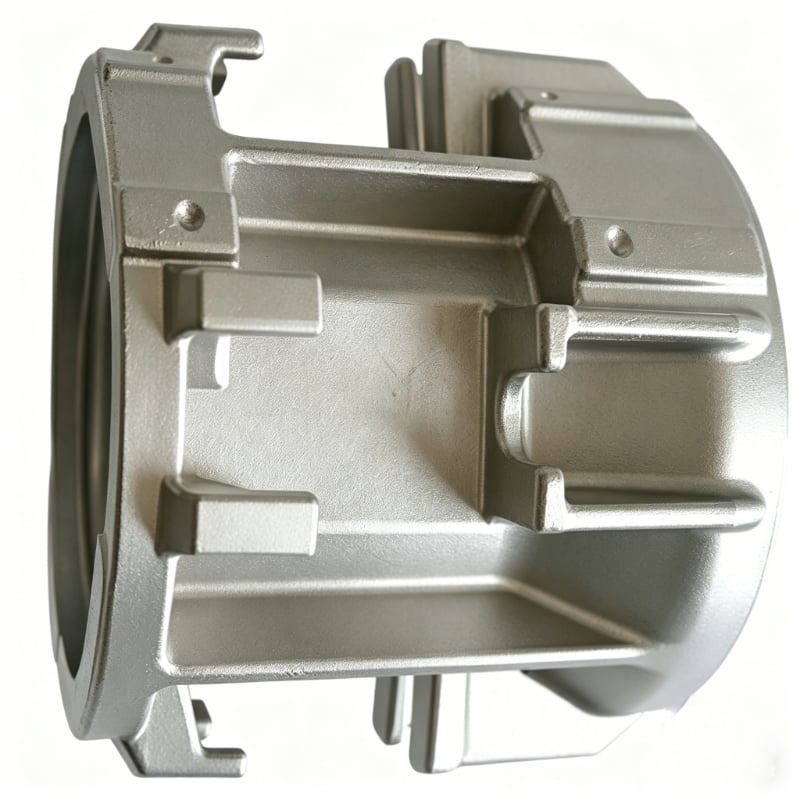
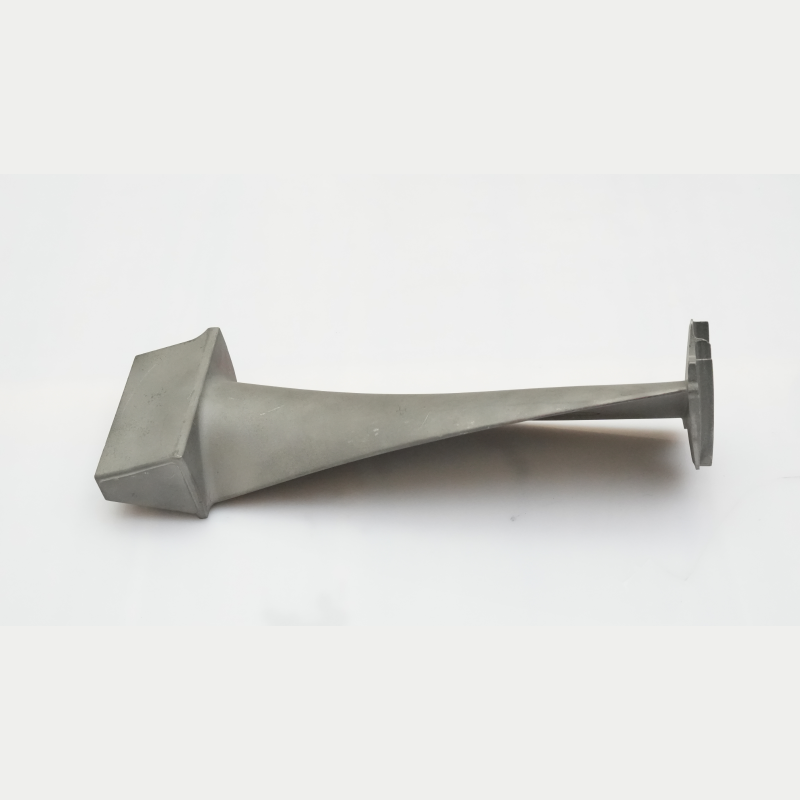
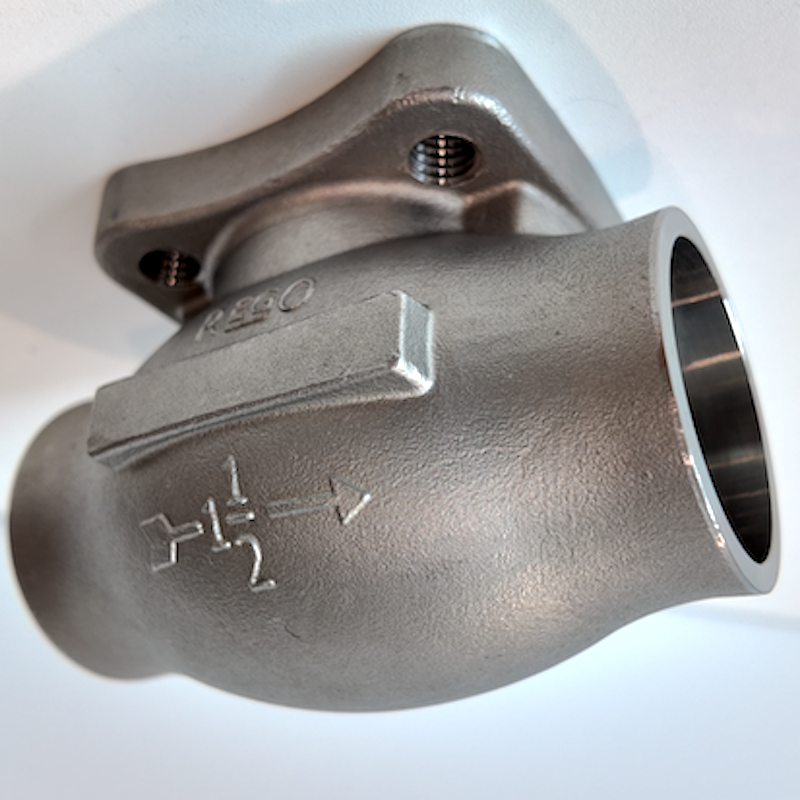
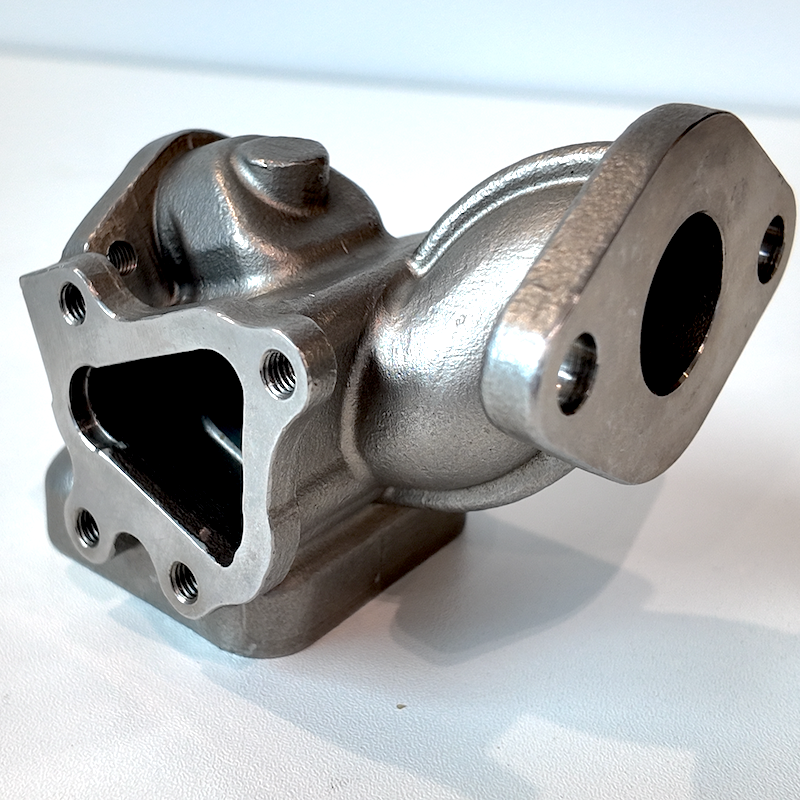
High precision steel casting parts represent a sophisticated manufacturing solution that combines advanced metallurgical processes with cutting-edge production techniques to deliver components with exceptional dimensional accuracy and mechanical properties. These specialized castings are engineered to meet stringent tolerance requirements, typically achieving precision levels within micrometers, making them indispensable for industries where reliability and exactness are paramount. The manufacturing process involves pouring molten steel into precisely designed molds, followed by controlled cooling and finishing operations that ensure each part meets exact specifications. High precision steel casting parts serve multiple critical functions across various sectors, including providing structural integrity in aerospace applications, ensuring operational reliability in automotive systems, and delivering consistent performance in industrial machinery. The technological features of high precision steel casting parts include superior surface finish quality, minimal porosity, excellent dimensional stability, and enhanced metallurgical properties achieved through controlled solidification processes. Modern production facilities utilize computer-aided design and simulation software to optimize casting parameters, reducing defects and improving yield rates. The material composition can be customized to specific application requirements, incorporating various alloying elements to enhance properties such as corrosion resistance, wear resistance, and high-temperature strength. Applications for high precision steel casting parts span numerous industries, from manufacturing complex valve bodies for oil and gas equipment to producing intricate pump housings for chemical processing plants. The automotive sector relies heavily on these components for engine parts, transmission housings, and suspension components where weight reduction and strength are equally important. Medical equipment manufacturers utilize high precision steel casting parts for surgical instruments and diagnostic device components that demand biocompatibility and sterilization resistance. The renewable energy sector employs these castings in wind turbine components and hydroelectric equipment where long-term durability under challenging environmental conditions is essential. The versatility of high precision steel casting parts makes them a preferred choice for prototyping and mass production alike, offering cost-effective solutions without compromising quality standards.

New Products

Choosing high precision steel casting parts delivers substantial benefits that directly impact your operational efficiency and bottom line. The primary advantage lies in the exceptional accuracy these components provide, eliminating the need for extensive secondary machining operations and reducing overall production costs. When you invest in high precision steel casting parts, you receive components that fit perfectly the first time, minimizing assembly complications and accelerating your production timeline. The dimensional consistency across production runs ensures interchangeability, allowing you to maintain lean inventory practices while guaranteeing that every replacement part will function exactly as intended. Material efficiency stands out as another significant benefit, as the casting process produces near-net-shape components that minimize waste and maximize material utilization. This efficiency translates to lower material costs and reduced environmental impact, aligning with sustainability goals while maintaining profitability. The structural integrity of high precision steel casting parts surpasses many alternative manufacturing methods because the casting process creates uniform grain structures throughout the component, eliminating weak points that might develop in welded or mechanically joined assemblies. This inherent strength means your equipment operates more reliably with reduced downtime and lower maintenance requirements. The flexibility in design complexity represents a tremendous advantage, enabling you to consolidate multiple components into single casting units, reducing assembly steps and potential failure points. Complex internal passages, intricate external geometries, and integrated mounting features can all be incorporated directly into the casting design, streamlining your production process and reducing labor costs. Cost-effectiveness becomes increasingly apparent in medium to high volume production, where the initial tooling investment is amortized across many parts, resulting in lower per-unit costs compared to alternative manufacturing processes. The durability of high precision steel casting parts extends equipment service life, reducing replacement frequency and total cost of ownership. These components resist wear, corrosion, and fatigue more effectively than many alternatives, maintaining performance characteristics throughout extended operational periods. Quality consistency represents another practical benefit, as modern casting facilities implement rigorous quality control protocols including non-destructive testing, dimensional verification, and metallurgical analysis, ensuring every part meets your exact requirements. The ability to produce components with varying wall thicknesses optimizes strength-to-weight ratios, particularly valuable in applications where weight reduction improves fuel efficiency or operational performance. Lead times for high precision steel casting parts remain competitive, especially when working with experienced foundries that maintain efficient production workflows and established supply chains. The scalability of the casting process allows smooth transitions from prototype quantities to full production volumes without significant process changes or quality variations.

Tips And Tricks

Why Do Manufacturers Prefer a Silica Sol Investment Casting Supplier for Complex Metal Parts?

05

Jun

Why Do Manufacturers Prefer a Silica Sol Investment Casting Supplier for Complex Metal Parts?

When precision, surface quality, and dimensional accuracy are non-negotiable, manufacturers consistently turn to a trusted silica sol investment casting supplier. This decision is rarely arbitrary. It is driven by a deep understanding of what silica ...
View More
How Can OEM ODM Precision Casting Services Accelerate New Product Development Cycles?

26

Jun

How Can OEM ODM Precision Casting Services Accelerate New Product Development Cycles?

Bringing a new industrial product from concept to market is rarely a straightforward journey. Engineering teams face relentless pressure to compress timelines, reduce prototype iterations, and deliver production-ready components without sacrificing d...
View More
How Do OEM ODM Precision Casting Services Support Flexible Design and Rapid Prototyping?

26

Jun

How Do OEM ODM Precision Casting Services Support Flexible Design and Rapid Prototyping?

Figure 1: Custom Valve Body Fabricated via Precision Investment Casting, Featuring Crisp Surface Details and Net-Shape Integrity. In today's fast-evolving manufacturing landscape, the ability to move from concept to production-ready component quickly...
View More
Why Are Stainless Steel Investment Castings Preferred for Corrosion Resistant Applications?

26

Jun

Why Are Stainless Steel Investment Castings Preferred for Corrosion Resistant Applications?

In demanding industrial environments where moisture, chemicals, and extreme temperatures are constant threats, material selection is one of the most critical engineering decisions a manufacturer can make. Among the available manufacturing methods, st...
View More

Get a Free Quote

Our representative will contact you soon.
Email
Name
Mobile
Company Name
Message
0/1000

high precision steel casting parts

Unmatched Dimensional Accuracy and Repeatability

Unmatched Dimensional Accuracy and Repeatability

High precision steel casting parts achieve dimensional tolerances that set industry benchmarks, delivering components with accuracy levels that meet the most demanding engineering specifications. The advanced casting technologies employed in producing these parts utilize investment casting, precision sand casting, and lost foam processes that maintain tolerances within plus or minus 0.005 inches or tighter, depending on component size and complexity. This level of precision stems from sophisticated mold-making techniques that incorporate thermal expansion compensation, shrinkage calculations, and advanced gating system designs that control metal flow and solidification patterns. The repeatability of high precision steel casting parts ensures that every component produced from the same tooling maintains identical dimensions, eliminating variation that could compromise assembly operations or functional performance. Manufacturing facilities dedicated to producing high precision steel casting parts invest heavily in computer numerical control machining centers for mold production, ensuring that mold cavities replicate design specifications with exceptional fidelity. The dimensional stability of these castings remains consistent throughout the component lifecycle, as the stress-relieving heat treatments applied during production eliminate internal stresses that might cause warping or dimensional changes during service. Quality assurance protocols for high precision steel casting parts include coordinate measuring machine inspections that verify hundreds of dimensional features on each component, providing documented evidence of conformance to specifications. This meticulous attention to dimensional accuracy reduces your need for expensive secondary operations, as components arrive ready for assembly with minimal additional processing. The precision achieved in these castings enables tighter fits between mating components, improving mechanical efficiency and reducing energy losses in moving assemblies. Applications requiring precise alignment, such as gear housings, bearing supports, and mounting brackets, benefit enormously from the dimensional consistency of high precision steel casting parts. The economic advantages become substantial when you consider the elimination of rework, reduced scrap rates, and faster assembly times that result from components that meet specifications consistently. Engineers designing new products can specify tighter tolerances with confidence, knowing that high precision steel casting parts will deliver the accuracy required for optimal performance. The competitive advantage your products gain through superior fit and finish directly correlates to the dimensional precision of the components used in their construction.
Superior Material Properties and Mechanical Strength

Superior Material Properties and Mechanical Strength

High precision steel casting parts deliver exceptional mechanical properties that result from carefully controlled metallurgical processes and optimized chemical compositions tailored to specific application requirements. The material characteristics of these castings include tensile strengths ranging from 60,000 to over 200,000 psi, yield strengths that resist deformation under operational loads, and elongation properties that provide ductility for shock absorption and impact resistance. The solidification process used in producing high precision steel casting parts creates fine-grain microstructures that enhance mechanical properties compared to coarse-grain alternatives, resulting in components that withstand cyclic loading, vibration, and thermal cycling without developing fatigue cracks or structural failures. Alloying elements incorporated into high precision steel casting parts can be precisely controlled to optimize properties such as hardness, wear resistance, corrosion resistance, and high-temperature performance. Stainless steel variants offer exceptional resistance to oxidation and chemical attack, making them ideal for food processing equipment, marine applications, and chemical handling systems. Low-alloy steel formulations provide enhanced strength-to-weight ratios while maintaining weldability and machinability for applications requiring post-casting modifications. The heat treatment options available for high precision steel casting parts further expand their performance capabilities, with processes such as annealing, normalizing, quenching, and tempering allowing manufacturers to achieve specific hardness levels and mechanical property combinations. The homogeneous structure throughout high precision steel casting parts eliminates the directional property variations found in wrought products, providing consistent strength in all orientations and making these components more predictable in complex loading scenarios. The absence of seams, laps, and other discontinuities common in forged or fabricated alternatives means high precision steel casting parts exhibit superior fatigue resistance and longer service lives in demanding applications. Testing and certification protocols for these castings include tensile testing, hardness verification, impact testing, and metallographic examination to verify that material properties meet specification requirements. Industries such as mining, construction equipment, and heavy machinery rely on the robust mechanical properties of high precision steel casting parts to withstand punishing operational conditions while maintaining dimensional integrity and functional performance. The ability to cast complex geometries without compromising material properties allows designers to optimize load paths and stress distribution, creating components that utilize material efficiently while maintaining structural integrity.
Comprehensive Application Versatility and Customization Capabilities

Comprehensive Application Versatility and Customization Capabilities

High precision steel casting parts offer unparalleled versatility in addressing diverse application requirements across multiple industries, providing customization options that align precisely with specific operational demands and performance criteria. The adaptability of the casting process allows manufacturers to produce components ranging from small intricate parts weighing ounces to massive industrial components exceeding several tons, all while maintaining the precision and quality standards that define this manufacturing category. Customization begins at the design phase, where engineers collaborate with foundry specialists to optimize component geometry for castability while ensuring that functional requirements are fully satisfied. High precision steel casting parts can incorporate features such as cored passages for fluid flow, integrated mounting bosses, complex curved surfaces, and variable wall thicknesses that would be prohibitively expensive or impossible to achieve through alternative manufacturing methods. The surface finish options available for high precision steel casting parts range from as-cast textures suitable for non-critical surfaces to precision-machined finishes that meet stringent aesthetic and functional requirements. Coating and treatment options further extend application versatility, with powder coating, electroplating, thermal spraying, and chemical conversion coatings providing enhanced corrosion protection, wear resistance, or specific appearance characteristics. Industries including aerospace, defense, energy generation, transportation, and industrial automation all utilize high precision steel casting parts in applications where reliability cannot be compromised. The railway sector employs these castings for bogie frames, coupling mechanisms, and brake components that endure millions of operational cycles while maintaining safety-critical performance standards. Agricultural equipment manufacturers incorporate high precision steel casting parts into harvesting machinery, tillage equipment, and irrigation systems where durability and resistance to abrasive conditions are essential. The construction industry relies on these castings for crane components, excavator parts, and concrete pumping equipment that operate in harsh environments with minimal maintenance opportunities. Customization extends to material selection, with carbon steels, alloy steels, stainless steels, and specialty grades available to match specific application requirements for strength, corrosion resistance, temperature tolerance, and magnetic properties. The production flexibility of high precision steel casting parts accommodates both prototype development and high-volume manufacturing, allowing companies to validate designs before committing to large-scale production while maintaining consistent quality throughout the product lifecycle. Rapid prototyping techniques combined with traditional casting methods enable faster time-to-market for new products while minimizing development risks and costs associated with design iterations.

Get a Free Quote

Our representative will contact you soon.
Email
Name
Mobile
Company Name
Message
0/1000