Precision Steel Casting Foundry Services - High-Quality Investment Casting Solutions

Get a Free Quote

Our representative will contact you soon.
Email
Name
Mobile
Company Name
Message
0/1000

precision steel casting foundry

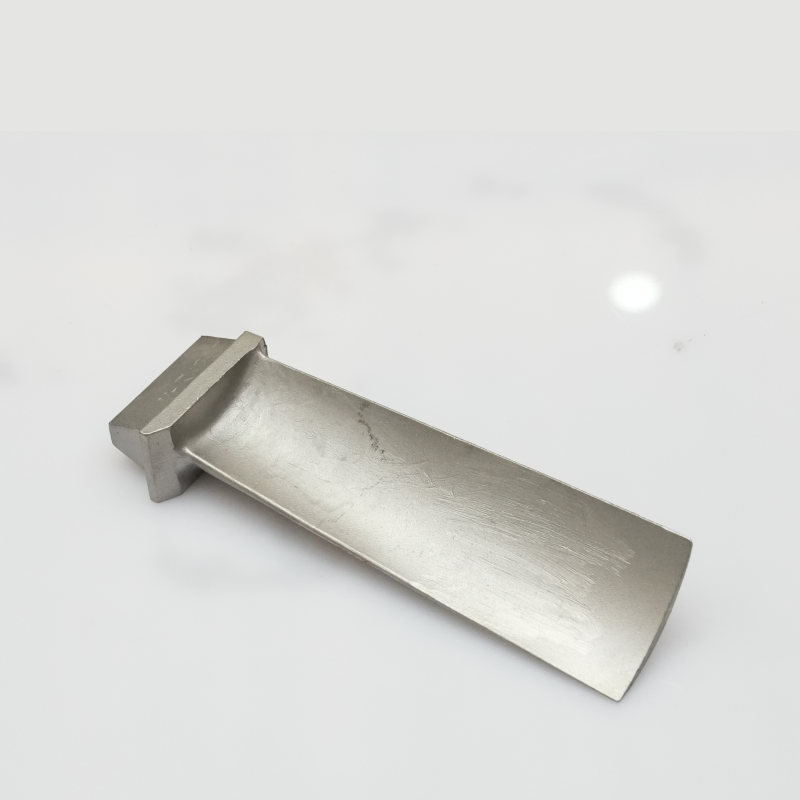
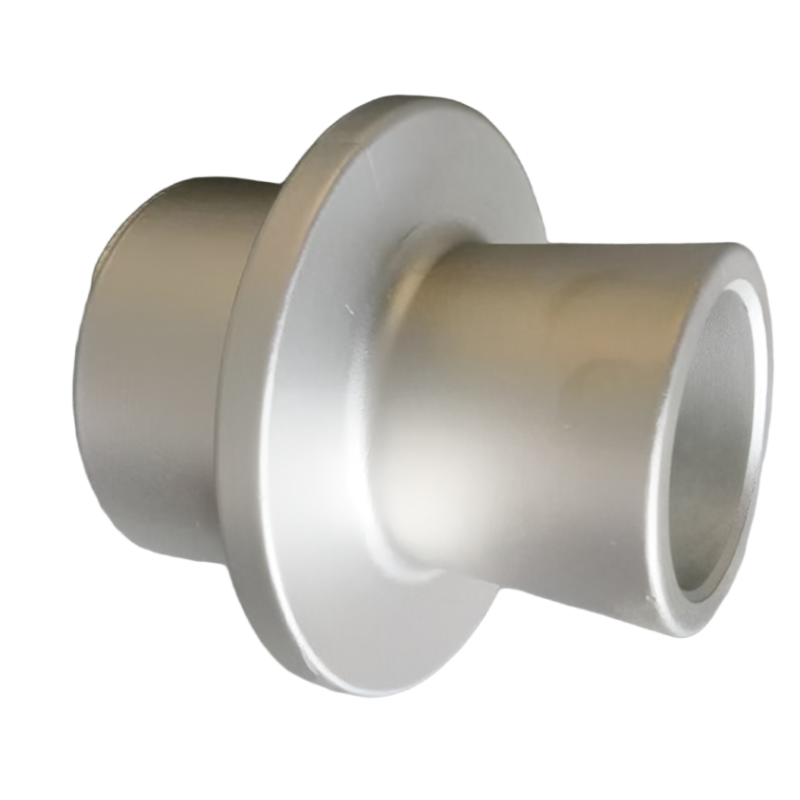
A precision steel casting foundry represents a specialized manufacturing facility that produces high-quality metal components through advanced casting processes. This type of foundry focuses on creating intricate steel parts with exceptional dimensional accuracy and superior surface finishes. The precision steel casting foundry utilizes investment casting methods, also known as lost-wax casting, to manufacture components that meet stringent quality standards across various industries. The main function of a precision steel casting foundry involves transforming molten steel into complex shapes that would be difficult or impossible to achieve through traditional machining methods. These facilities handle the entire production cycle, from initial pattern creation to final inspection and delivery. The technological features of a precision steel casting foundry include state-of-the-art melting furnaces, controlled atmosphere chambers, and sophisticated quality control equipment. Modern foundries employ computer-aided design systems to optimize casting geometry and reduce material waste. The process begins with creating a wax pattern that replicates the desired final product. Multiple wax patterns are assembled onto a central sprue to form a tree-like structure. This assembly is then coated with ceramic slurry and allowed to harden, creating a rigid mold. The wax is melted away, leaving a hollow ceramic shell ready to receive molten steel. Applications of precision steel casting foundry products span numerous sectors including aerospace, automotive, energy production, medical devices, and industrial machinery. Aerospace companies rely on these foundries to produce turbine blades, structural components, and engine parts that demand exceptional strength-to-weight ratios. The automotive industry uses precision cast steel parts for transmission components, suspension systems, and engine blocks. Energy sector applications include valve bodies, pump housings, and pipeline fittings that must withstand extreme pressures and temperatures. Medical device manufacturers depend on precision steel casting foundry capabilities to create surgical instruments and implantable components with biocompatible properties. The precision steel casting foundry serves as a critical link in modern manufacturing chains, enabling innovation through its ability to produce complex geometries with consistent quality.

New Product Releases

Choosing a precision steel casting foundry offers numerous practical benefits that directly impact your production efficiency and bottom line. First, you gain access to exceptional design flexibility that allows you to create components with complex internal passages, undercuts, and intricate external features without the limitations imposed by conventional manufacturing methods. This flexibility means you can consolidate multiple parts into a single casting, reducing assembly time and eliminating potential failure points at joints and connections. Your product development timeline becomes shorter because the precision steel casting foundry can produce functional prototypes quickly, allowing you to test and refine designs before committing to full-scale production. The cost advantages become apparent when you consider material efficiency. A precision steel casting foundry wastes minimal raw material compared to subtractive manufacturing processes that cut away excess metal. You pay only for the material that becomes part of your finished component, plus a small amount for gates and risers. This efficiency translates directly into lower material costs, especially when working with expensive alloy steels. You also benefit from reduced machining requirements because castings emerge from the precision steel casting foundry with near-net shapes that require only minimal finishing operations. This reduction in secondary processing saves both time and money while extending tool life in your machine shop. Quality consistency represents another significant advantage. The precision steel casting foundry employs rigorous process controls that ensure every component meets your specifications. You receive parts with uniform mechanical properties, predictable performance characteristics, and reliable dimensional accuracy. This consistency reduces rejection rates, minimizes rework, and enhances your reputation for delivering reliable products to your customers. The precision steel casting foundry also provides access to a wide range of steel alloys, including stainless steels, tool steels, and specialized high-performance alloys. This material versatility allows you to select the optimal composition for your specific application requirements, whether you need corrosion resistance, high-temperature strength, wear resistance, or magnetic properties. Production scalability offers additional value. The precision steel casting foundry can efficiently handle both small prototype runs and large production volumes using the same tooling and processes. This scalability means you avoid the significant retooling costs associated with transitioning from prototype to production phases. You maintain design consistency across all production quantities while benefiting from economies of scale as your volumes increase. Speed to market improves because the precision steel casting foundry eliminates many of the traditional barriers to manufacturing complex components. You can move from concept to finished product faster, capturing market opportunities before competitors and responding quickly to changing customer demands.

Practical Tips

What Makes a Custom Lost Wax Casting Foundry Reliable for Precision Industrial Applications?

05

Jun

What Makes a Custom Lost Wax Casting Foundry Reliable for Precision Industrial Applications?

In precision industrial manufacturing, the reliability of a custom investment casting foundry is not a minor operational detail — it is a fundamental requirement that determines part integrity, production timelines, and ultimately, the safety o...
View More
How Does a Precision Investment Casting Manufacturer Ensure Consistent Quality Across Global Supply Chains?

05

Jun

How Does a Precision Investment Casting Manufacturer Ensure Consistent Quality Across Global Supply Chains?

In today's interconnected industrial landscape, sourcing complex metal components across international borders presents a formidable quality challenge. the manufacturer must navigate an intricate web of raw material sourcing, multi-stage production c...
View More
Which Quality Standards Should a Custom Lost Wax Casting Foundry Meet for Export Markets?

05

Jun

Which Quality Standards Should a Custom Lost Wax Casting Foundry Meet for Export Markets?

Selecting a manufacturing partner for precision components intended for international buyers is never a straightforward decision. When the supply chain depends on a custom lost wax casting foundry, procurement engineers and quality managers must go b...
View More
What Factors Affect Surface Finish Quality in Medium Temperature Wax Casting Processes?

05

Jun

What Factors Affect Surface Finish Quality in Medium Temperature Wax Casting Processes?

Surface finish quality is one of the most critical performance indicators in precision investment casting, and it is directly shaped by the variables embedded in the medium temperature wax casting process. Unlike standard casting methods, medium temp...
View More

Get a Free Quote

Our representative will contact you soon.
Email
Name
Mobile
Company Name
Message
0/1000

precision steel casting foundry

Superior Dimensional Accuracy and Surface Quality

Superior Dimensional Accuracy and Surface Quality

The precision steel casting foundry delivers components with exceptional dimensional accuracy that meets the most demanding engineering specifications. This accuracy stems from the investment casting process used by the foundry, which creates parts with tolerances typically ranging from plus or minus 0.005 inches per inch, significantly tighter than sand casting or other conventional methods. The precision steel casting foundry achieves this accuracy through meticulous control of every process variable, from wax pattern injection temperatures to ceramic shell firing schedules and molten steel pouring parameters. When you receive components from a precision steel casting foundry, you immediately notice the superior surface finish that often eliminates the need for extensive secondary operations. Surface roughness values typically range from 125 to 250 micro-inches, producing a smooth finish that reduces friction in moving parts, improves fatigue resistance, and enhances aesthetic appeal. This surface quality results from the fine-grain ceramic molds used in the precision steel casting foundry process, which capture intricate details and produce clean, sharp edges. The economic implications of this dimensional accuracy and surface quality are substantial. Your machining costs decrease dramatically because you remove less material during finishing operations. Tool wear in your machine shop diminishes, extending tool life and reducing replacement expenses. Assembly operations become simpler and faster because precision cast components fit together properly without extensive adjustments or modifications. The precision steel casting foundry also reduces your quality control burden by delivering components that consistently meet specifications, allowing you to conduct less frequent inspections and reducing rejection rates. Engineering teams appreciate how the precision steel casting foundry enables them to design components with tighter fits and more sophisticated geometries. You can specify smaller clearances between mating parts, create more efficient fluid passages, and incorporate fine details that enhance functionality. This design freedom leads to better-performing products that differentiate your offerings in competitive markets. The precision steel casting foundry makes all this possible while maintaining production efficiency and cost-effectiveness, giving you advantages that compound throughout your entire manufacturing operation and extend into field performance of your finished products.
Exceptional Material Properties and Alloy Versatility

Exceptional Material Properties and Alloy Versatility

The precision steel casting foundry provides access to an extensive range of steel alloys and delivers components with mechanical properties that match or exceed those of wrought materials. This capability addresses a critical need for manufacturers who require specific material characteristics to meet performance requirements in demanding applications. The precision steel casting foundry works with carbon steels, low-alloy steels, stainless steels in austenitic, ferritic, and martensitic grades, precipitation-hardening stainless steels, duplex stainless steels, tool steels, and exotic high-performance alloys. This material versatility allows you to select the precise composition that balances strength, corrosion resistance, temperature capability, and cost for your specific application. The metallurgical expertise at a precision steel casting foundry ensures that castings develop optimal microstructures during solidification and subsequent heat treatment. Controlled cooling rates, strategic alloy additions, and proper heat treatment cycles produce components with fine grain structures, uniform composition, and predictable mechanical properties. When you specify components from a precision steel casting foundry, you receive detailed material certifications documenting chemical composition, tensile strength, yield strength, elongation, hardness, and impact resistance. These certifications provide confidence that your components will perform reliably in service. The precision steel casting foundry also excels at producing components that must withstand extreme environments. Stainless steel castings from the foundry resist corrosion in chemical processing equipment, marine applications, and food processing machinery. High-temperature alloys maintain strength and resist oxidation in turbine components, furnace parts, and exhaust systems. Wear-resistant alloys extend service life in mining equipment, agricultural machinery, and material handling systems. The ability of a precision steel casting foundry to cast these specialized materials into complex shapes provides solutions that alternative manufacturing methods simply cannot match. Quality assurance at the precision steel casting foundry includes non-destructive testing methods such as radiographic examination, ultrasonic inspection, magnetic particle testing, and liquid penetrant inspection. These techniques verify internal soundness and surface integrity without damaging your components. You gain peace of mind knowing that every casting from the precision steel casting foundry has been thoroughly examined and meets your quality standards. The combination of material versatility, superior mechanical properties, and comprehensive testing makes the precision steel casting foundry an invaluable partner for engineering teams developing advanced products.
Cost-Effective Production for Complex Components

Cost-Effective Production for Complex Components

The precision steel casting foundry offers remarkable economic advantages when producing components with complex geometries, particularly when compared to alternative manufacturing methods. Traditional machining of intricate parts from solid billets generates substantial material waste as chips and requires extensive machine time with multiple setups and specialized tooling. The precision steel casting foundry eliminates most of this waste and complexity by forming components near their final shape in a single operation. This efficiency becomes especially pronounced when working with expensive alloy materials where material costs represent a significant portion of total component cost. The precision steel casting foundry uses only slightly more material than the finished part weight, maximizing your material utilization and minimizing scrap. Tooling costs at a precision steel casting foundry prove surprisingly economical, especially for low to medium production volumes. The initial investment in wax injection tooling and pattern equipment is substantially lower than the progressive dies, forging tools, or extensive machining fixtures required by alternative processes. This lower tooling investment allows you to proceed with production runs that would be economically unfeasible using other manufacturing methods. The precision steel casting foundry also offers faster tooling turnaround times, reducing your time to market and allowing rapid response to design changes. Production flexibility represents another economic advantage of the precision steel casting foundry. The same basic process accommodates both prototype quantities and production volumes, allowing you to scale manufacturing up or down based on actual demand without major capital investments or process changes. This flexibility reduces inventory carrying costs and minimizes the risk of obsolescence in fast-changing markets. The precision steel casting foundry can produce components weighing from ounces to hundreds of pounds, with sizes ranging from tiny medical device components to large industrial machinery parts. Labor costs at a precision steel casting foundry remain competitive because the process requires fewer operations than building complex assemblies from multiple machined or fabricated parts. Your assembly labor decreases when you replace multi-part assemblies with single precision castings, reducing both direct labor costs and the overhead associated with managing component inventories, coordinating deliveries, and controlling assembly quality. The precision steel casting foundry contributes to your overall manufacturing efficiency by simplifying your supply chain and reducing the number of vendors you must manage. Long-term cost benefits extend throughout the product lifecycle. Components from a precision steel casting foundry typically exhibit excellent fatigue resistance due to their uniform microstructure and absence of internal stress concentrations created by welding or mechanical fastening. This reliability reduces warranty costs, enhances customer satisfaction, and protects your brand reputation in the marketplace.

Get a Free Quote

Our representative will contact you soon.
Email
Name
Mobile
Company Name
Message
0/1000