Precision Machined Steel Castings - High-Performance Components for Industrial Applications

Get a Free Quote

Our representative will contact you soon.
Email
Name
Mobile
Company Name
Message
0/1000

precision machined steel castings

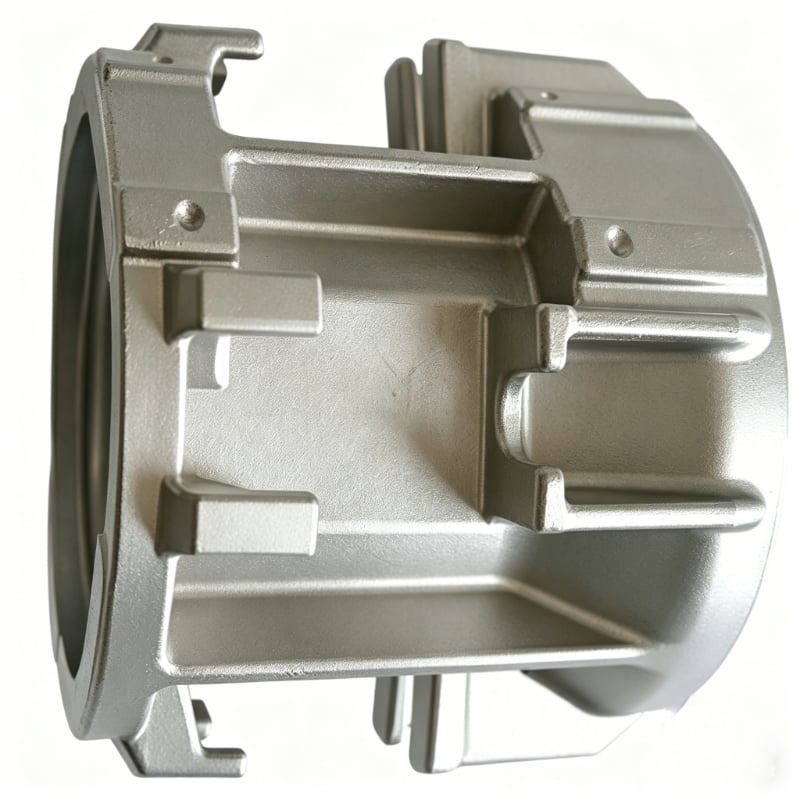
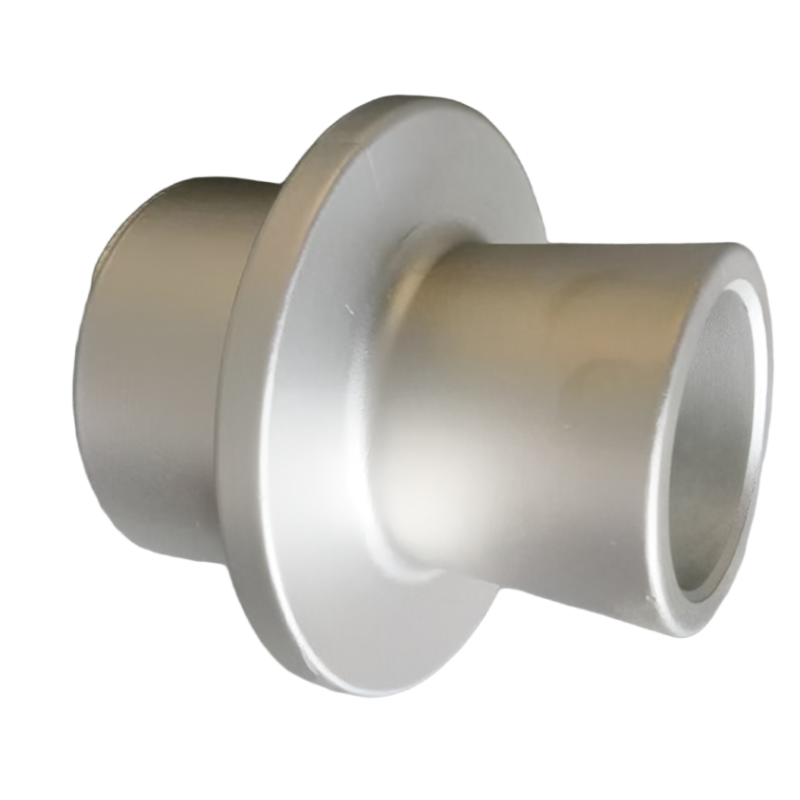
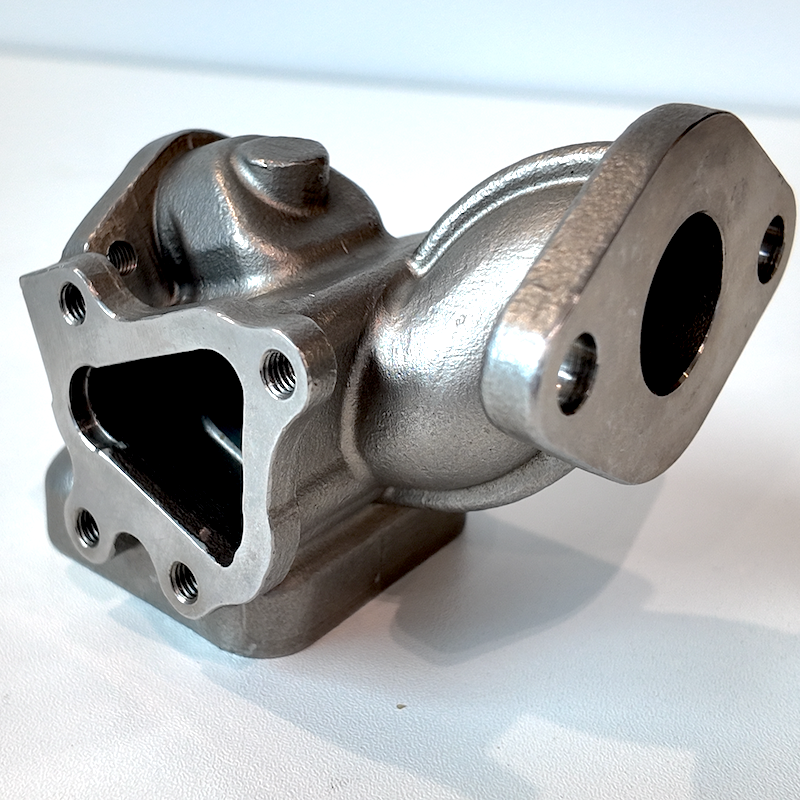
Precision machined steel castings represent a sophisticated manufacturing solution that combines traditional casting methods with advanced machining techniques to deliver components with exceptional accuracy and surface finish. These products are created through a multi-stage process where molten steel is poured into carefully designed molds to form near-net shapes, followed by precision machining operations that refine critical dimensions and surface characteristics to exact specifications. The main function of precision machined steel castings is to provide durable, high-strength components that meet stringent dimensional tolerances while offering the economic advantages of casting complex geometries that would be difficult or costly to produce through other manufacturing methods. Technologically, these castings leverage computer-aided design and simulation software to optimize mold design, predict material flow, and minimize defects before production begins. The casting process allows for intricate internal passages, complex external geometries, and consolidated part designs that reduce assembly requirements. Following the initial casting phase, precision machined steel castings undergo CNC machining operations that achieve tolerances as tight as plus or minus 0.001 inches on critical features, ensuring perfect fit and function in demanding applications. The steel alloys used in these castings can be customized to meet specific performance requirements, including high tensile strength, corrosion resistance, wear resistance, and elevated temperature performance. Applications for precision machined steel castings span numerous industries including automotive manufacturing, where they serve as transmission housings, engine blocks, and suspension components; aerospace systems, where they function as structural brackets, landing gear components, and turbine housings; heavy equipment construction, providing frames, gearbox housings, and hydraulic components; energy generation, including pump housings, valve bodies, and turbine components; and industrial machinery, serving as machine bases, tooling fixtures, and processing equipment. The versatility of precision machined steel castings makes them indispensable across sectors requiring components that combine complex shapes with precision dimensions and robust mechanical properties.

New Product Releases

Choosing precision machined steel castings delivers substantial practical benefits that directly impact your bottom line and product performance. First, these components significantly reduce your overall production costs compared to fabricating complex parts from solid stock material. The casting process creates near-net shapes that closely approximate the final component geometry, meaning you remove far less material during machining operations, saving both raw material costs and machine time. This efficient material utilization becomes especially valuable when working with expensive alloy steels or when producing larger components where material waste would otherwise represent substantial expense. Second, precision machined steel castings accelerate your time to market by enabling the production of complex geometries in a single casting that might otherwise require welding together multiple fabricated pieces. This consolidation eliminates numerous manufacturing steps, reduces assembly time, and minimizes potential failure points from weld joints. Your production teams spend less time on assembly operations and quality control becomes simpler when inspecting unified castings rather than multi-piece assemblies. Third, the mechanical properties of cast steel components provide exceptional strength and durability that extend product service life. The controlled solidification process creates uniform grain structures throughout the component, delivering consistent mechanical properties in all directions rather than the directional properties sometimes found in wrought materials. This isotropy ensures reliable performance regardless of load direction, giving you confidence in component reliability. Fourth, precision machined steel castings offer remarkable design flexibility that empowers your engineering teams to optimize component performance. The casting process accommodates complex internal passages for fluid flow, lightweighting through strategic material placement, and integration of multiple functions into single components. This design freedom enables innovation that improves product performance while potentially reducing part counts in your assemblies. Fifth, the surface finish and dimensional accuracy achieved through post-casting machining operations ensure your components meet exacting specifications for fit and function. Critical mating surfaces, bearing bores, and mounting faces receive precision machining that guarantees proper alignment and smooth operation in service. This accuracy eliminates field fitting issues and reduces warranty claims related to improper component fit. Finally, precision machined steel castings provide long-term supply chain stability. Established casting patterns and machining programs enable consistent reproduction of components over extended production runs, and the robust nature of steel tooling supports high-volume production without degradation in quality or dimensional accuracy.

Practical Tips

Why Do Manufacturers Prefer a Silica Sol Investment Casting Supplier for Complex Metal Parts?

05

Jun

Why Do Manufacturers Prefer a Silica Sol Investment Casting Supplier for Complex Metal Parts?

When precision, surface quality, and dimensional accuracy are non-negotiable, manufacturers consistently turn to a trusted silica sol investment casting supplier. This decision is rarely arbitrary. It is driven by a deep understanding of what silica ...
View More
What Factors Affect Surface Finish Quality in Medium Temperature Wax Casting Processes?

05

Jun

What Factors Affect Surface Finish Quality in Medium Temperature Wax Casting Processes?

Surface finish quality is one of the most critical performance indicators in precision investment casting, and it is directly shaped by the variables embedded in the medium temperature wax casting process. Unlike standard casting methods, medium temp...
View More
What Should Global Buyers Expect from OEM ODM Precision Casting Services Suppliers?

05

Jun

What Should Global Buyers Expect from OEM ODM Precision Casting Services Suppliers?

For global buyers sourcing complex metal components, selecting a reliable partner for oem odm precision casting services is one of the most consequential procurement decisions in a production cycle. The stakes are high: dimensional inaccuracies, inco...
View More
Why Are Stainless Steel Investment Castings Preferred for Corrosion Resistant Applications?

26

Jun

Why Are Stainless Steel Investment Castings Preferred for Corrosion Resistant Applications?

In demanding industrial environments where moisture, chemicals, and extreme temperatures are constant threats, material selection is one of the most critical engineering decisions a manufacturer can make. Among the available manufacturing methods, st...
View More

Get a Free Quote

Our representative will contact you soon.
Email
Name
Mobile
Company Name
Message
0/1000

precision machined steel castings

Superior Cost-Effectiveness Through Optimized Material Usage and Manufacturing Efficiency

Superior Cost-Effectiveness Through Optimized Material Usage and Manufacturing Efficiency

Precision machined steel castings deliver unmatched cost-effectiveness by fundamentally transforming how you approach component manufacturing economics. The financial advantages begin at the material level, where the casting process creates complex shapes using only the amount of steel necessary to form the component, rather than starting with oversized solid stock that must be machined away. This near-net-shape capability means you purchase and process significantly less raw material, directly reducing material costs that often represent a substantial portion of total component expense. For components with intricate internal cavities, hollow sections, or complex external contours, the material savings become even more dramatic since these features form during the casting process rather than requiring extensive machining to remove solid material. Beyond raw material savings, precision machined steel castings reduce your manufacturing cycle times by minimizing the amount of metal removal required during machining operations. Shorter machining times translate to lower labor costs, reduced machine tool wear, decreased cutting tool consumption, and increased production capacity from existing equipment. Your production teams can manufacture more components per shift, improving asset utilization and reducing per-unit overhead allocation. The economic benefits extend to tooling considerations as well, where a single casting pattern can produce complex geometries that might otherwise require multiple setups, fixtures, and cutting tools if fabricated from solid stock. This tooling simplification reduces initial setup costs and ongoing tooling maintenance expenses. Quality costs also decrease when using precision machined steel castings because the unified structure eliminates potential defects associated with welded assemblies such as incomplete fusion, porosity in weld zones, or distortion from thermal stresses. Inspection procedures become more straightforward when evaluating a single casting rather than verifying multiple weld joints and ensuring proper alignment of assembled components. The long-term cost advantages continue throughout the product lifecycle, as the excellent mechanical properties of properly designed precision machined steel castings result in extended service life, reducing replacement frequency and minimizing downtime costs for your customers. When you factor in reduced warranty claims, lower field service requirements, and enhanced customer satisfaction from reliable components, the total cost of ownership for precision machined steel castings proves substantially lower than alternative manufacturing approaches for complex, high-performance components.
Exceptional Design Flexibility Enabling Innovation and Performance Optimization

Exceptional Design Flexibility Enabling Innovation and Performance Optimization

The design flexibility inherent in precision machined steel castings empowers your engineering teams to innovate and optimize component performance in ways that other manufacturing processes cannot match. This flexibility begins with the ability to create highly complex three-dimensional geometries that would be impossible or prohibitively expensive using conventional machining, forging, or fabrication methods. Internal passages can incorporate intricate routing for coolant flow, lubrication distribution, or hydraulic functions, with cross-sections and directions that change throughout the component to optimize fluid dynamics and thermal management. External surfaces can feature organic shapes, compound curves, and integrated mounting provisions that reduce stress concentrations while minimizing weight and maximizing structural efficiency. This geometric freedom enables your designers to position material exactly where strength is needed while removing it from low-stress regions, creating components that achieve optimal strength-to-weight ratios. The consolidation of multiple parts into single precision machined steel castings represents another dimension of design flexibility with profound practical implications. Functions that traditionally required separate components joined through fasteners or welding can be integrated into unified castings, eliminating interfaces that represent potential failure points and reducing assembly complexity. This part consolidation simplifies supply chain management by reducing the number of unique components to purchase, track, and inventory, while simultaneously improving product reliability by eliminating opportunities for assembly errors or joint failures. Design flexibility also extends to material selection, as precision machined steel castings can be produced from a wide range of steel alloys formulated to deliver specific properties including high tensile strength, superior impact resistance, excellent corrosion resistance, or stable performance at elevated temperatures. Your engineering team can specify exactly the material characteristics required for each application, ensuring components perform optimally in their intended service environment. The combination of casting and machining processes provides additional flexibility by allowing you to cast features that benefit from the economy and complexity capabilities of casting while machining only those critical surfaces requiring tight tolerances and superior finish. This hybrid approach optimizes both manufacturing efficiency and component performance, delivering the best attributes of each process where they provide maximum value.
Outstanding Mechanical Properties Ensuring Reliable Long-Term Performance

Outstanding Mechanical Properties Ensuring Reliable Long-Term Performance

Precision machined steel castings provide outstanding mechanical properties that ensure reliable, long-term performance in the most demanding applications, delivering value through extended service life and reduced maintenance requirements. The fundamental strength advantage begins with the material itself, as steel offers exceptional tensile strength, yield strength, and hardness compared to alternative materials like aluminum or cast iron. This inherent strength allows precision machined steel castings to withstand higher loads, greater stresses, and more severe operating conditions without deformation or failure, providing safety margins that protect both equipment and personnel. The casting process contributes additional performance advantages through the controlled solidification that creates fine, uniform grain structures throughout the component. This microstructural uniformity ensures consistent mechanical properties in all directions, unlike some wrought processes that can create directional grain flow resulting in anisotropic properties. The isotropic nature of properly cast steel means your components respond predictably to loads from any direction, simplifying stress analysis and providing confidence in component reliability regardless of how loads are applied in service. Heat treatment processes applied after casting and before final machining further enhance mechanical properties by refining grain structure, increasing hardness, improving wear resistance, or enhancing toughness depending on the specific requirements of your application. These thermal treatments can be tailored to create property gradients within a single component, such as a hard, wear-resistant surface combined with a tough, impact-resistant core, optimizing performance for complex loading conditions. The fatigue resistance of precision machined steel castings provides critical advantages in applications involving cyclic loading, where components must endure millions of stress cycles over their service life. The absence of weld joints eliminates stress concentration points and potential crack initiation sites that compromise fatigue life in fabricated assemblies, while the continuous grain structure of castings resists crack propagation. Corrosion resistance can be engineered into precision machined steel castings through alloy selection, incorporating elements like chromium, nickel, or molybdenum that form protective oxide layers or resist chemical attack in harsh environments. This inherent corrosion resistance reduces or eliminates the need for protective coatings that can wear away in service, ensuring long-term durability in corrosive atmospheres, marine environments, or chemical processing applications. The dimensional stability of steel castings maintains critical tolerances throughout temperature variations and mechanical loading, preventing the gradual deformation or creep that can occur with lower-strength materials, ensuring your precision machined components continue fitting and functioning properly throughout extended service periods.

Get a Free Quote

Our representative will contact you soon.
Email
Name
Mobile
Company Name
Message
0/1000