Premium Precision Machined Steel Castings - High-Performance Components for Industrial Applications

Get a Free Quote

Our representative will contact you soon.
Email
Name
Company Name
Message
0/1000

precision machined steel castings

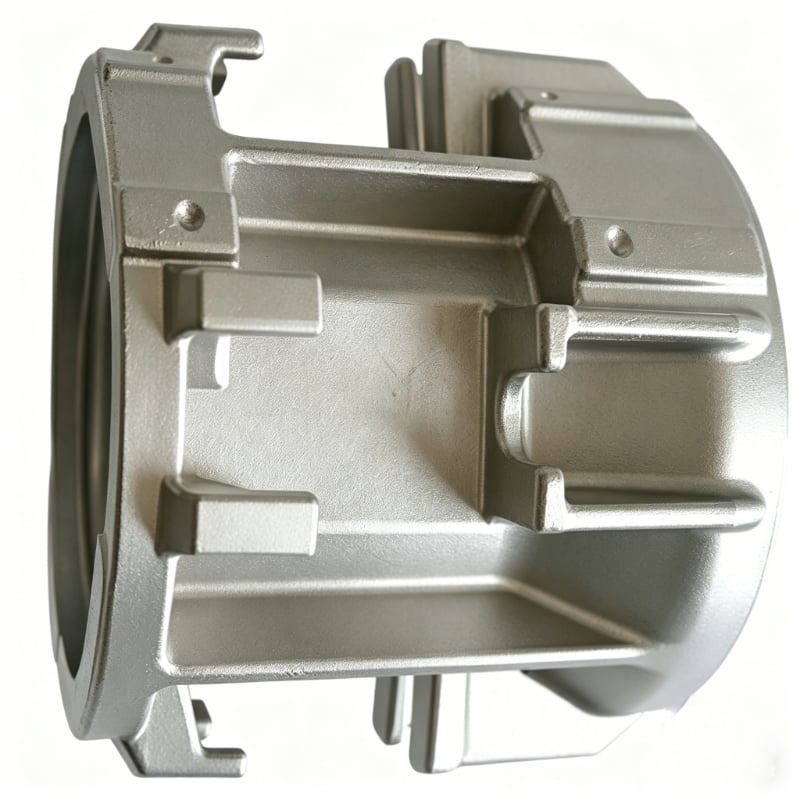
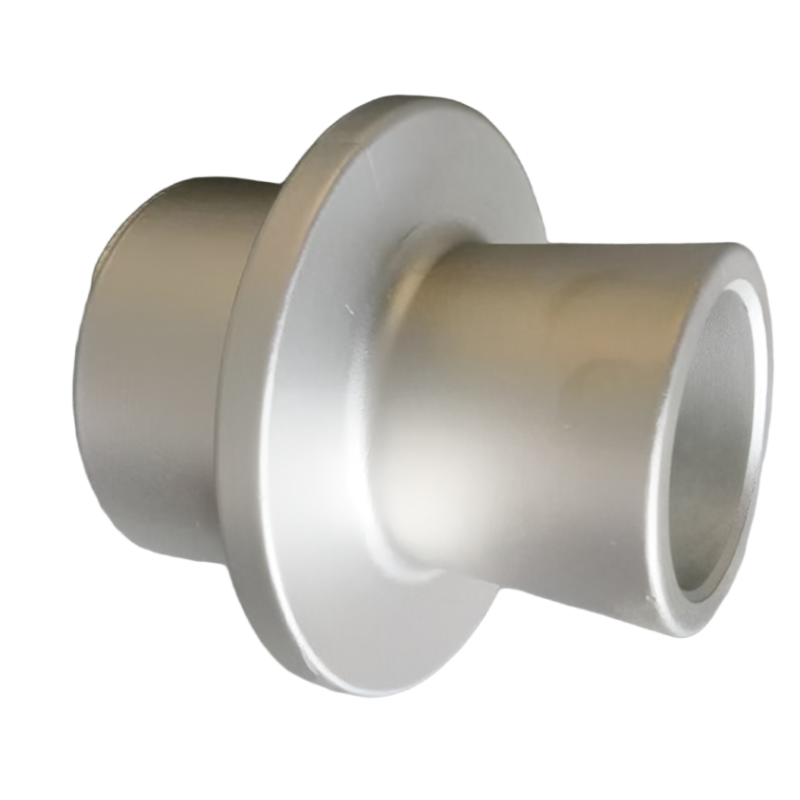
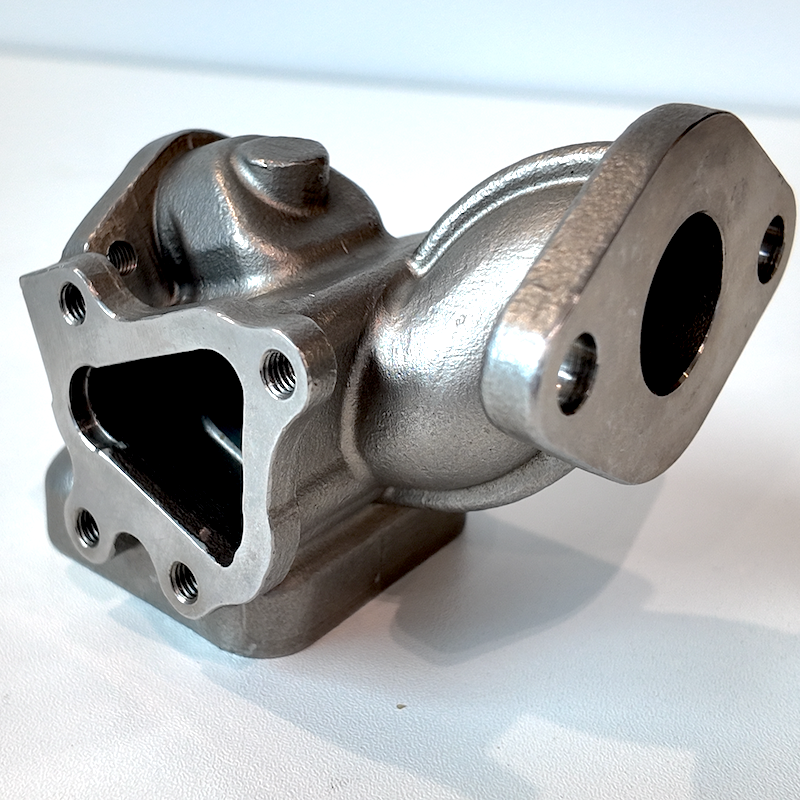
Precision machined steel castings represent a sophisticated manufacturing solution that combines traditional casting methods with advanced machining techniques to produce complex metal components with exceptional accuracy and reliability. This manufacturing process begins with pouring molten steel into carefully designed molds, creating near-net-shape parts that subsequently undergo precision machining operations to achieve tight tolerances and superior surface finishes. The main function of precision machined steel castings is to deliver durable, high-performance components that meet exacting specifications across demanding industrial applications. These castings serve as critical elements in machinery, equipment, and structural assemblies where dimensional accuracy, mechanical strength, and long-term performance are paramount. The technological features of precision machined steel castings include their ability to produce intricate geometries that would be difficult or impossible to achieve through other manufacturing methods. The casting process allows for internal cavities, complex contours, and integrated design features that reduce the need for multiple assembled parts. Following the initial casting phase, precision machining removes excess material and refines critical surfaces to achieve dimensional tolerances measured in thousandths of an inch. Advanced CNC machining centers equipped with multi-axis capabilities ensure consistent quality and repeatability across production runs. The steel materials used in precision machined steel castings offer excellent mechanical properties including high tensile strength, impact resistance, and wear characteristics that outperform many alternative materials. Applications for precision machined steel castings span numerous industries including automotive manufacturing, where they form engine blocks, transmission housings, and suspension components. The energy sector relies on these castings for valve bodies, pump housings, and pipeline connections. Construction equipment manufacturers utilize precision machined steel castings for heavy-duty frames, mounting brackets, and structural components. Marine applications benefit from corrosion-resistant steel grades that withstand harsh saltwater environments. The aerospace industry employs precision machined steel castings for landing gear components and structural fittings where weight considerations are balanced against strength requirements. Mining equipment, agricultural machinery, and industrial processing equipment all depend on precision machined steel castings to deliver reliable performance under challenging operating conditions.

Popular Products

Choosing precision machined steel castings for your manufacturing needs delivers numerous practical benefits that directly impact your bottom line and product performance. Cost efficiency stands as a primary advantage, as the casting process produces near-net-shape components that require less raw material compared to machining from solid stock. This material conservation translates to lower material costs and reduced waste disposal expenses. The ability to create complex shapes in a single casting eliminates the need for welding multiple pieces together, saving both fabrication time and labor costs. You gain faster production turnaround times because precision machined steel castings combine two manufacturing steps into one streamlined process. The initial casting creates the basic form while subsequent machining operations add the finishing touches, allowing you to move from design to finished product more quickly than alternative methods. This speed advantage helps you meet tight delivery schedules and respond rapidly to market demands. Durability represents another significant benefit, as steel castings possess inherent strength and toughness that extends component service life. Your equipment experiences less downtime and requires fewer replacement parts when built with precision machined steel castings, reducing maintenance costs and improving operational efficiency. The metallurgical integrity of cast steel provides uniform material properties throughout the component, eliminating weak points that might exist in welded assemblies. Design flexibility gives you creative freedom to optimize component geometry for specific performance requirements. You can incorporate features like mounting bosses, cooling passages, and reinforcement ribs directly into the casting design, eliminating secondary operations and reducing assembly complexity. This consolidation of features into single components simplifies your supply chain and reduces inventory management challenges. Quality consistency ensures that every precision machined steel casting meets your specifications, with modern manufacturing controls and inspection procedures guaranteeing dimensional accuracy and material properties. You receive components that fit properly the first time, reducing assembly problems and warranty claims. The precision machining phase removes any surface irregularities from the casting process, delivering smooth finishes and exact dimensions that mate perfectly with other components. Scalability allows you to produce precision machined steel castings economically whether you need ten pieces or ten thousand. Tooling investments are amortized across production quantities, making both prototype and volume production financially viable. You can test designs with small initial runs before committing to larger production volumes. Environmental responsibility is enhanced because the casting process recycles scrap material and the durability of finished components reduces replacement frequency, minimizing resource consumption over the product lifecycle. Your company benefits from sustainable manufacturing practices that appeal to environmentally conscious customers while reducing long-term material costs.

Tips And Tricks

Basic Principles Of Design Of Precision Casting Gating System

11

May

Basic Principles Of Design Of Precision Casting Gating System

View More
Selection And Application Scope Of Hardness Tester

11

May

Selection And Application Scope Of Hardness Tester

View More
Stainless Steel Castings for Architectural Posts

11

May

Stainless Steel Castings for Architectural Posts

View More
Stainless Steel Castings for Building Facade Systems

11

May

Stainless Steel Castings for Building Facade Systems

View More

Get a Free Quote

Our representative will contact you soon.
Email
Name
Company Name
Message
0/1000

precision machined steel castings

Superior Strength and Material Performance Characteristics

Superior Strength and Material Performance Characteristics

Precision machined steel castings deliver exceptional mechanical properties that ensure reliable performance in the most demanding applications where component failure is not an option. The casting process creates a homogeneous material structure throughout the entire component, with grain patterns that flow continuously around complex geometries rather than being interrupted by welds or joints. This metallurgical integrity means your components resist cracking, fatigue, and stress concentrations that commonly plague fabricated assemblies. Steel alloys used in precision machined steel castings can be specifically selected to match your application requirements, whether you need high tensile strength for load-bearing applications, excellent impact resistance for shock loads, or superior wear resistance for abrasive environments. Carbon steel grades offer economical solutions for general-purpose applications, while alloy steels incorporate elements like chromium, molybdenum, and nickel to enhance specific properties. Stainless steel castings provide corrosion resistance for chemical processing and marine environments. The heat treatment options available for precision machined steel castings further optimize material performance, with processes like annealing, normalizing, quenching, and tempering adjusting hardness, toughness, and ductility to match operational demands. Your engineering team can specify exact material properties knowing that modern foundry practices and quality control systems will consistently deliver castings that meet or exceed those specifications. The combination of casting and machining technologies in precision machined steel castings creates components with both bulk strength and surface precision, allowing critical mounting faces, bearing surfaces, and sealing areas to achieve the tight tolerances necessary for proper function while the overall structure maintains the robustness needed to handle operational stresses. This dual capability is particularly valuable in applications like hydraulic valve bodies where internal passages must seal perfectly while the external housing withstands high pressure loads. Testing and inspection protocols verify that precision machined steel castings meet all specified requirements, with non-destructive testing methods like ultrasonic examination, magnetic particle inspection, and radiography detecting any internal defects before components enter service. You gain confidence that every casting will perform as designed, reducing field failures and protecting your company reputation.
Cost-Effective Manufacturing for Complex Component Geometries

Cost-Effective Manufacturing for Complex Component Geometries

Precision machined steel castings offer remarkable economic advantages when producing components with intricate shapes, internal features, or integrated design elements that would require extensive machining time or multiple fabrication steps using alternative manufacturing methods. The casting process excels at creating hollow sections, undercuts, internal cavities, and complex contours directly in the mold, producing near-net-shape components that already possess most of their final geometry before any machining begins. This capability dramatically reduces the amount of material that must be removed during finishing operations, cutting machining time, tool wear, and energy consumption compared to creating the same component from solid bar stock. Your production costs decrease proportionally to the reduction in machining time, while tool life extends because cutting tools encounter less material. The ability to cast multiple features simultaneously eliminates secondary operations like drilling cross-holes, milling pockets, or welding attachments, consolidating manufacturing steps and reducing handling time between operations. Precision machined steel castings allow you to combine what might otherwise be several separate pieces into a single integrated component, reducing part count in your assemblies and simplifying inventory management. Fewer parts mean fewer opportunities for assembly errors, reduced stocking costs, and simplified quality control procedures. The tooling investment for precision machined steel castings, while requiring upfront capital, provides excellent long-term value because pattern equipment can produce thousands of castings before requiring replacement or refurbishment. This tooling longevity makes precision machined steel castings economically attractive even for moderate production volumes, not just high-volume manufacturing. Your accounting department will appreciate how the predictable per-piece costs facilitate accurate product pricing and profit margin calculations. Material utilization efficiency inherent in precision machined steel castings also contributes to cost effectiveness, as the casting process typically achieves 70-80 percent material yield compared to 30-50 percent when machining complex shapes from solid stock. The metal removed during finish machining returns to the foundry as scrap for remelting, creating a closed-loop material cycle that maximizes resource utilization. Lead times for precision machined steel castings often prove shorter than alternative methods because production scheduling can overlap pattern making, casting, and machining operations rather than completing each fabrication step sequentially as required with welded assemblies.
Enhanced Reliability Through Integrated Design Optimization

Enhanced Reliability Through Integrated Design Optimization

Precision machined steel castings enable engineers to optimize component designs for maximum reliability and performance by integrating multiple functional elements into unified structures that eliminate potential failure points associated with joints, fasteners, and welds. When you design with precision machined steel castings, you gain the freedom to position material exactly where structural analysis indicates it is needed, creating thick sections for high-stress areas while reducing material in lightly loaded regions to minimize weight. This selective material placement optimizes strength-to-weight ratios and improves component efficiency in ways that are difficult or impossible with other manufacturing methods. The absence of weld seams in precision machined steel castings eliminates concerns about weld quality variations, heat-affected zone brittleness, and residual stresses that can compromise component integrity over time. Your maintenance teams spend less time inspecting and repairing weld failures when critical components are manufactured as precision machined steel castings rather than welded fabrications. The continuous material structure provides predictable load paths and stress distribution that simplify engineering analysis and reduce safety factors required to account for manufacturing uncertainties. Design features that enhance serviceability and maintenance access can be incorporated directly into precision machined steel castings during the initial design phase, including inspection ports, drain holes, lifting lugs, and mounting provisions that might be afterthoughts in fabricated assemblies. Your equipment operators and maintenance personnel benefit from these thoughtful design elements that make routine service tasks easier and faster. The precision machining phase of production ensures that all critical dimensions, mounting surfaces, and interface features meet exact specifications, guaranteeing proper fit and alignment when components are assembled into final products. This dimensional accuracy reduces assembly time, eliminates shimming and adjustment procedures, and ensures optimal load distribution across mating surfaces. Your assembly workers complete their tasks faster with fewer quality problems when working with precision machined steel castings that consistently meet print dimensions. Surface finish quality achieved through precision machining operations enhances both aesthetic appearance and functional performance, with bearing surfaces, sealing faces, and sliding contacts exhibiting the smoothness necessary for proper operation and extended service life. Components manufactured as precision machined steel castings maintain their dimensional stability over time because the stress-relieving heat treatments applied during processing eliminate internal stresses that might otherwise cause distortion during service.

Get a Free Quote

Our representative will contact you soon.
Email
Name
Company Name
Message
0/1000