Изключителна гъвкавост в дизайна, която осигурява иновации и оптимизация на производителността
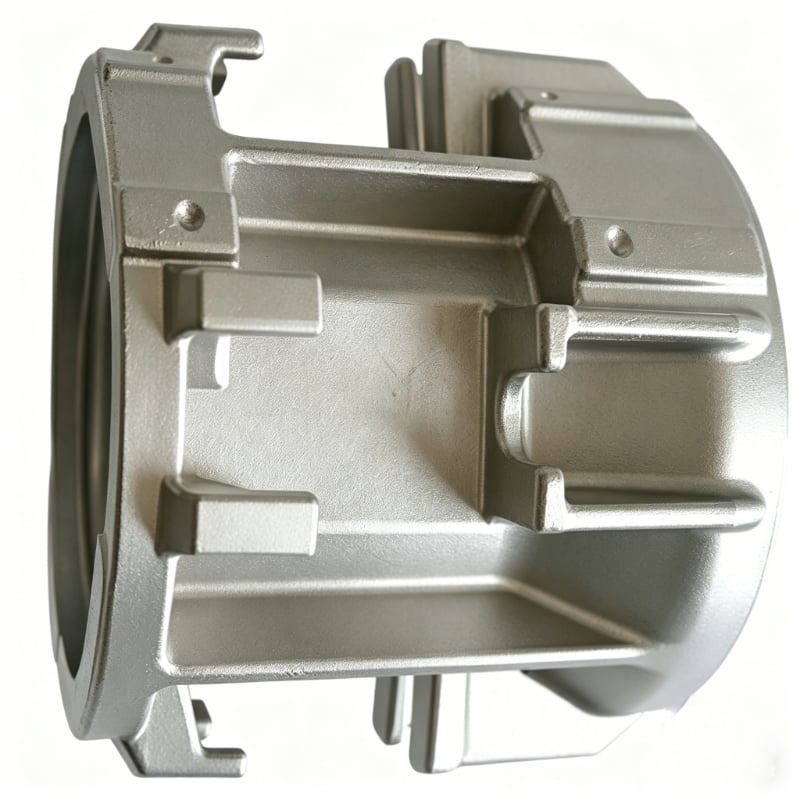
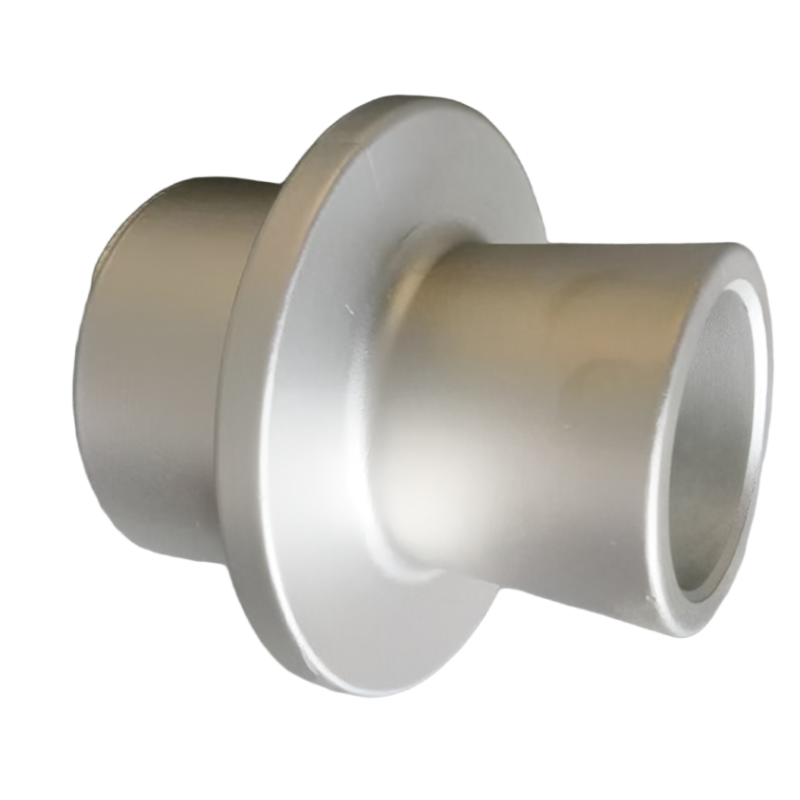
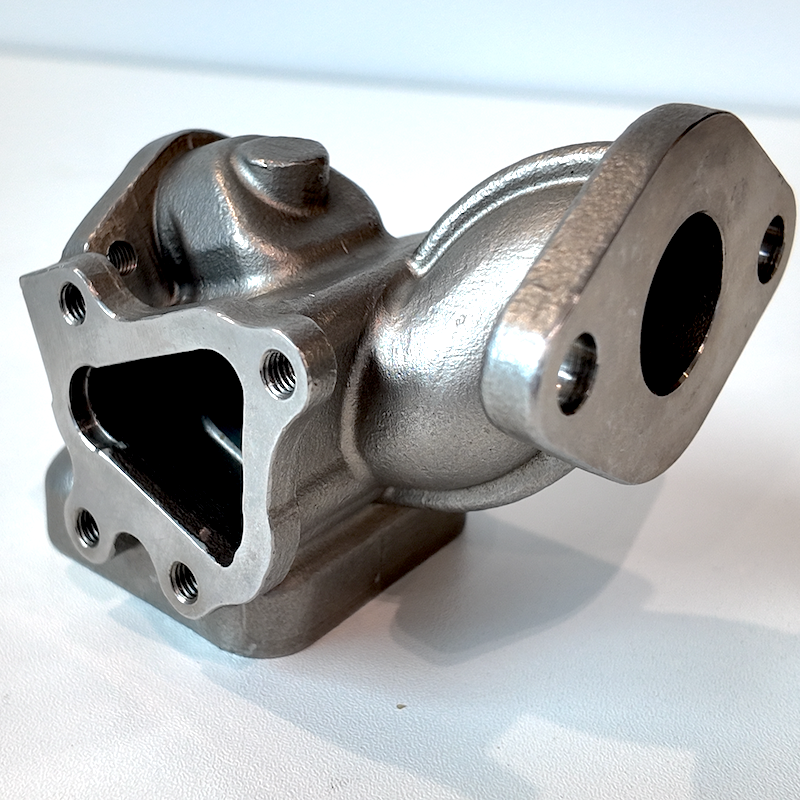
Гъвкавостта в проектирането, присъща на стоманени отливки с прецизно машинна обработка, дава възможност на вашите инженерни екипи да внедряват иновации и да оптимизират работата на компонентите по начини, които други производствени процеси не могат да осигурят. Тази гъвкавост започва с възможността да се създават изключително сложни тримерни геометрии, които биха били невъзможни или непомерно скъпи при използване на конвенционална машинна обработка, ковка или методи за сглобяване. Вътрешните канали могат да включват сложни маршрути за циркулация на охладителна течност, разпределение на смазка или хидравлични функции, като напречното сечение и посоката им се променят по цялата дължина на компонента, за да се оптимизира динамиката на течността и термичният контрол. Външните повърхности могат да имат органични форми, сложни криволинейни повърхности и интегрирани монтажни елементи, които намаляват концентрацията на напрежения, докато минимизират теглото и максимизират структурната ефективност. Тази геометрична свобода позволява на вашите проектиращи специалисти да разполагат материала точно там, където е необходима здравината, и да го премахват от зоните с ниско напрежение, като така се създават компоненти с оптимално съотношение между здравина и тегло. Консолидацията на множество части в една единствена стоманена отливка с прецизна машинна обработка представлява още едно измерение на проектирането с голямо практическо значение. Функции, които традиционно изискват отделни компоненти, свързани чрез винтове или заварка, могат да бъдат интегрирани в единни отливки, като се елиминират интерфейсите, които представляват потенциални точки на отказ, и се намалява сложността на сглобяването. Тази консолидация на части улеснява управлението на веригата за доставки, като намалява броя на уникалните компоненти, които трябва да се закупуват, проследяват и поддържат в склад, а едновременно с това подобрява надеждността на продукта, като се премахват възможностите за грешки при сглобяване или откази на съединенията. Гъвкавостта в проектирането се разпростира и върху избора на материал, тъй като стоманените отливки с прецизна машинна обработка могат да се произвеждат от широк спектър стоманени сплави, формулирани така, че да осигуряват специфични свойства – висока пределна здравина на опън, превъзходна устойчивост на ударни натоварвания, отлична корозионна устойчивост или стабилна работа при високи температури. Вашите инженерни екипи могат да определят точно онези характеристики на материала, които са необходими за всяка конкретна употреба, като гарантират оптималната работа на компонентите в предвидената им експлоатационна среда. Комбинацията от процесите на леене и машинна обработка предоставя допълнителна гъвкавост, като позволява леенето на елементи, които извличат полза от икономичността и възможностите за сложност, предлагани от леенето, докато машинната обработка се прилага само върху онези критични повърхности, които изискват строги допуски и превъзходно качество на повърхността. Този хибриден подход оптимизира както производствената ефективност, така и работата на компонентите, като комбинира най-добрите качества на всеки процес там, където те осигуряват максимална стойност.

 EN
EN