Steel Precision Casting Manufacturer - Advanced Investment Casting Solutions for Complex Components

Get a Free Quote

Our representative will contact you soon.
Email
Name
Mobile
Company Name
Message
0/1000

steel precision casting manufacturer

A steel precision casting manufacturer represents a specialized industrial enterprise that produces complex metal components through advanced casting techniques. These manufacturers utilize investment casting processes, also known as lost-wax casting, to create intricate steel parts with exceptional dimensional accuracy and superior surface finishes. The main function of a steel precision casting manufacturer involves transforming molten steel alloys into precisely shaped components that meet stringent engineering specifications across diverse industries. The manufacturing process begins with creating detailed wax patterns that replicate the final product geometry. These patterns are assembled into clusters and coated with ceramic materials to form robust molds. Once the ceramic shell hardens, the wax melts away, leaving a hollow cavity that receives molten steel at controlled temperatures. This methodology enables the production of components with wall thicknesses ranging from two millimeters to several centimeters, accommodating both miniature precision parts and substantial structural elements. Technological features distinguish professional steel precision casting manufacturer operations from conventional foundries. Advanced computer-aided design systems integrate with simulation software to predict material flow, solidification patterns, and potential defects before physical production commences. Modern manufacturers employ spectrometric analysis equipment to verify chemical compositions, radiographic inspection systems to detect internal discontinuities, and coordinate measuring machines to confirm dimensional conformity. The controlled atmosphere melting furnaces maintain precise temperature regulation, while automated pouring systems ensure consistent fill rates and minimize oxidation. Applications for precision cast steel components span numerous sectors including aerospace, where turbine housings and structural brackets demand high strength-to-weight ratios; automotive manufacturing, which requires durable transmission cases and suspension components; energy generation facilities that depend on valve bodies and pump housings; and medical device production, where surgical instruments and implantable components necessitate biocompatible steel grades with flawless surface integrity and exact specifications.

New Products

Choosing a steel precision casting manufacturer delivers tangible benefits that directly impact your production efficiency and bottom line. The manufacturing approach produces components with near-net shapes, meaning parts emerge from the mold requiring minimal subsequent machining operations. This characteristic translates to reduced material waste, lower labor costs, and faster turnaround times for your projects. You receive components that maintain tight tolerances, typically within plus or minus 0.005 inches, eliminating the need for extensive secondary operations that add time and expense to your supply chain. The process accommodates complex geometries that would prove difficult or impossible to achieve through traditional machining methods. Internal cavities, undercuts, and intricate surface details become feasible without assembly requirements, reducing part counts in your assemblies and improving overall reliability. This design flexibility empowers your engineering teams to optimize component functionality without compromise, leading to better performing end products that satisfy demanding customer expectations. Material versatility represents another significant advantage when partnering with a qualified steel precision casting manufacturer. These specialists work with an extensive range of steel alloys including carbon steels, stainless steels, tool steels, and specialty grades formulated for specific environmental conditions. Whether your application demands corrosion resistance, high temperature performance, magnetic properties, or exceptional hardness, the manufacturer selects appropriate alloy compositions to match your operational requirements precisely. The casting process itself enhances material properties through controlled solidification that produces fine grain structures with superior mechanical characteristics compared to wrought alternatives. You benefit from components that exhibit excellent strength, ductility, and fatigue resistance, extending service life and reducing maintenance interventions. Quality assurance protocols embedded throughout the manufacturing sequence provide confidence in component consistency. Reputable manufacturers implement documented procedures covering incoming material verification, process parameter monitoring, and finished part inspection. You receive certification documentation tracing material pedigrees and confirming compliance with industry standards such as ASTM specifications and ISO requirements. This traceability proves essential for regulated industries where accountability and performance validation carry legal implications. Economic advantages emerge when evaluating total cost of ownership rather than simple piece prices. The combination of reduced machining requirements, lower scrap rates, decreased assembly labor, and extended component longevity creates compelling value propositions. Small to medium production volumes become economically viable where traditional manufacturing methods would require prohibitive tooling investments. You gain access to production capabilities that scale with your business growth, supporting prototype development through full-scale manufacturing without switching suppliers or requalifying processes.

Tips And Tricks

How Does a Precision Investment Casting Manufacturer Ensure Consistent Quality Across Global Supply Chains?

05

Jun

How Does a Precision Investment Casting Manufacturer Ensure Consistent Quality Across Global Supply Chains?

In today's interconnected industrial landscape, sourcing complex metal components across international borders presents a formidable quality challenge. the manufacturer must navigate an intricate web of raw material sourcing, multi-stage production c...
View More
What Factors Affect Surface Finish Quality in Medium Temperature Wax Casting Processes?

05

Jun

What Factors Affect Surface Finish Quality in Medium Temperature Wax Casting Processes?

Surface finish quality is one of the most critical performance indicators in precision investment casting, and it is directly shaped by the variables embedded in the medium temperature wax casting process. Unlike standard casting methods, medium temp...
View More
How Do OEM ODM Precision Casting Services Support Flexible Design and Rapid Prototyping?

26

Jun

How Do OEM ODM Precision Casting Services Support Flexible Design and Rapid Prototyping?

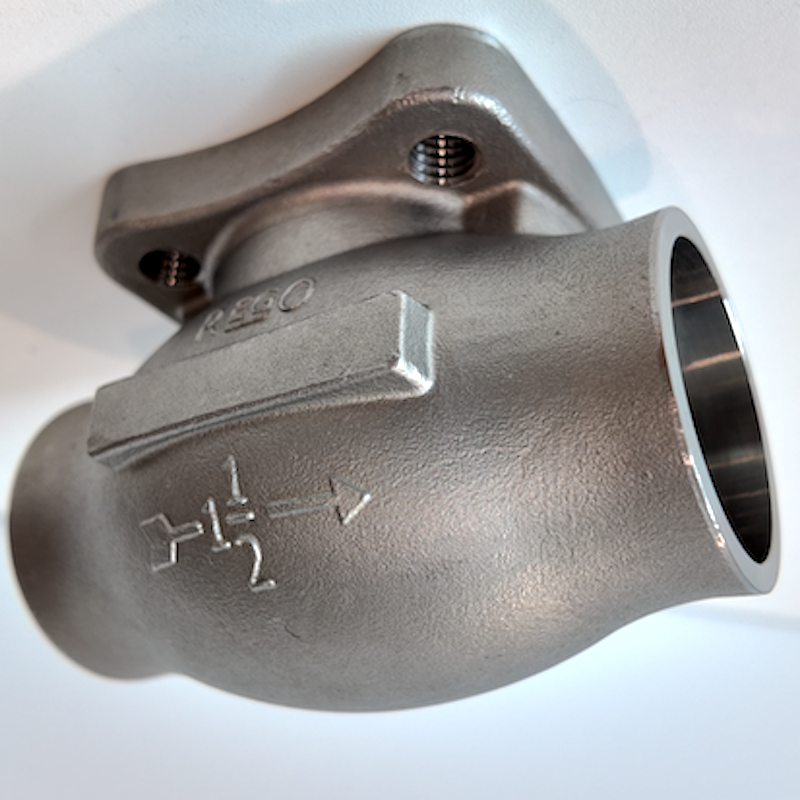
Figure 1: Custom Valve Body Fabricated via Precision Investment Casting, Featuring Crisp Surface Details and Net-Shape Integrity. In today's fast-evolving manufacturing landscape, the ability to move from concept to production-ready component quickly...
View More
What Should Global Buyers Expect from OEM ODM Precision Casting Services Suppliers?

05

Jun

What Should Global Buyers Expect from OEM ODM Precision Casting Services Suppliers?

For global buyers sourcing complex metal components, selecting a reliable partner for oem odm precision casting services is one of the most consequential procurement decisions in a production cycle. The stakes are high: dimensional inaccuracies, inco...
View More

Get a Free Quote

Our representative will contact you soon.
Email
Name
Mobile
Company Name
Message
0/1000

steel precision casting manufacturer

Exceptional Dimensional Accuracy and Surface Quality

Exceptional Dimensional Accuracy and Surface Quality

Steel precision casting manufacturer facilities achieve remarkable dimensional accuracy that sets them apart from alternative manufacturing methods. The investment casting process creates components with tolerances that consistently fall within 0.005 inches across critical dimensions, and in many cases, manufacturers achieve even tighter specifications approaching 0.002 inches for smaller features. This level of precision stems from the nature of the ceramic mold construction, which captures minute details from the original wax patterns with exceptional fidelity. The ceramic materials undergo minimal thermal expansion during the casting sequence, maintaining dimensional stability as molten steel fills the cavity and solidifies into its final form. For your production requirements, this precision eliminates costly secondary machining operations that consume time and add expense to manufacturing budgets. Components arrive ready for assembly or require only minimal finishing touches, accelerating your production schedules and improving overall throughput. The surface quality achieved by a steel precision casting manufacturer rivals that of machined components, with surface roughness values typically ranging from 125 to 250 micro-inches depending on alloy selection and process parameters. This smooth finish reduces friction in moving assemblies, improves fatigue resistance by eliminating stress concentration points, and enhances aesthetic appearance for visible components. In applications where surface cleanliness impacts performance, such as medical devices or food processing equipment, the superior finish minimizes bacterial adhesion and simplifies sanitation procedures. The combination of dimensional accuracy and surface quality proves particularly valuable when dealing with complex geometries featuring internal passages, thin walls, or intricate external features. Traditional machining approaches struggle with these configurations, often requiring multiple setups, specialized tooling, and skilled operators who command premium labor rates. A steel precision casting manufacturer produces these challenging geometries in single operations, maintaining consistent quality across production runs without the variability inherent in manual machining processes. Your design teams gain creative freedom to optimize component functionality without constraint, incorporating features that enhance performance while maintaining manufacturability. The dimensional consistency between castings also facilitates interchangeability in assemblies, reducing fitting complications during production and simplifying spare parts management throughout the product lifecycle.
Advanced Metallurgical Control and Material Properties

Advanced Metallurgical Control and Material Properties

A professional steel precision casting manufacturer maintains sophisticated metallurgical control throughout the production sequence, ensuring components exhibit optimal material properties for their intended applications. The process begins with careful alloy selection from an extensive palette of steel compositions, each formulated to deliver specific performance characteristics. Carbon steels provide economical solutions for structural applications requiring moderate strength and good weldability. Stainless steel grades offer corrosion resistance essential for harsh environments, with austenitic varieties delivering excellent toughness at cryogenic temperatures and martensitic types providing superior hardness for wear resistance. Tool steels incorporate alloying elements like chromium, molybdenum, and vanadium to achieve exceptional hardness retention at elevated temperatures, making them ideal for cutting tools and dies. Specialty alloys address unique challenges such as magnetic applications, high temperature service, or biocompatibility requirements for medical implants. The melting process itself receives meticulous attention in quality-focused facilities. Induction furnaces operating under vacuum or controlled atmospheres prevent oxidation and contamination that compromise material properties. Spectrometric analysis confirms chemical composition before pouring, with adjustments made to bring the melt within narrow specification windows. Temperature monitoring ensures the steel reaches optimal fluidity for complete mold filling while avoiding excessive superheat that promotes grain coarsening. The solidification environment significantly influences final material characteristics, and a steel precision casting manufacturer engineers this phase for optimal results. Controlled cooling rates produce fine grain structures that enhance strength and ductility compared to coarse-grained alternatives. The directional solidification naturally occurring in precision casting minimizes porosity and shrinkage defects that weaken components and create failure initiation sites. Heat treatment capabilities expand the performance envelope further, with manufacturers offering solution annealing, precipitation hardening, quenching, and tempering services tailored to specific alloy systems. These thermal processes modify microstructures to achieve desired hardness levels, stress relief, or dimensional stability. You receive components optimized for their operating conditions, whether that involves resisting impact loads, maintaining dimensional stability through thermal cycles, or providing long-term corrosion resistance in aggressive chemical environments. The material properties delivered by precision casting often exceed those available from wrought products, as the casting process avoids the directional grain flow and residual stresses introduced by forging or rolling operations.
Cost-Effective Production for Complex Components

Cost-Effective Production for Complex Components

Partnering with a steel precision casting manufacturer delivers significant economic advantages, particularly when producing complex components in small to medium quantities. The investment casting process eliminates much of the expensive machining traditionally required to create intricate geometries from solid bar stock or forgings. Consider a component featuring internal cavities, multiple intersecting bores, and organic external contours. Machining such a part requires numerous setups, specialized cutting tools, extended cycle times, and generates substantial material waste as chips. A steel precision casting manufacturer produces the same component in a single operation, with material usage approaching the final part weight and minimal secondary operations needed. This efficiency translates directly to your cost per component, often reducing manufacturing expenses by thirty to fifty percent compared to machined alternatives. The economic benefits extend beyond simple piece price comparisons. Tooling costs for precision casting remain moderate compared to die casting or forging, making the process viable for production volumes ranging from dozens to thousands of pieces annually. This flexibility proves valuable when market demand remains uncertain or when supporting multiple product variations without excessive capital investment in dedicated tooling. You maintain agility in responding to customer requirements and market opportunities without the financial risk associated with high-volume manufacturing methods. Lead times represent another dimension of cost-effectiveness, as time delays carry real economic consequences through delayed revenue recognition and potential market share loss to competitors. A steel precision casting manufacturer typically completes tooling and delivers first articles within six to ten weeks, considerably faster than forging die production or machining fixture development for complex geometries. This rapid deployment accelerates your product introduction schedules and reduces time-to-market intervals that determine commercial success in competitive industries. The near-net-shape characteristic of precision castings also reduces your total supply chain complexity and associated carrying costs. Fewer manufacturing operations mean fewer process steps to schedule, monitor, and quality-check. Inventory requirements decrease as components move more quickly from raw material to finished goods. Your purchasing department manages relationships with fewer suppliers, reducing administrative overhead and simplifying logistics coordination. Quality-related costs diminish as well, since the inherent consistency of the casting process reduces scrap rates and rework requirements compared to processes involving multiple manual operations where human variability introduces defects. Long-term cost advantages emerge from the superior material properties and dimensional accuracy discussed previously. Components that resist wear, corrosion, and fatigue last longer in service, reducing warranty claims and field failures that damage brand reputation and customer relationships.

Get a Free Quote

Our representative will contact you soon.
Email
Name
Mobile
Company Name
Message
0/1000