Custom Metal Casting and Machining Services - Precision Manufacturing Solutions

Get a Free Quote

Our representative will contact you soon.
Email
Name
Mobile
Company Name
Message
0/1000

custom metal casting and machining

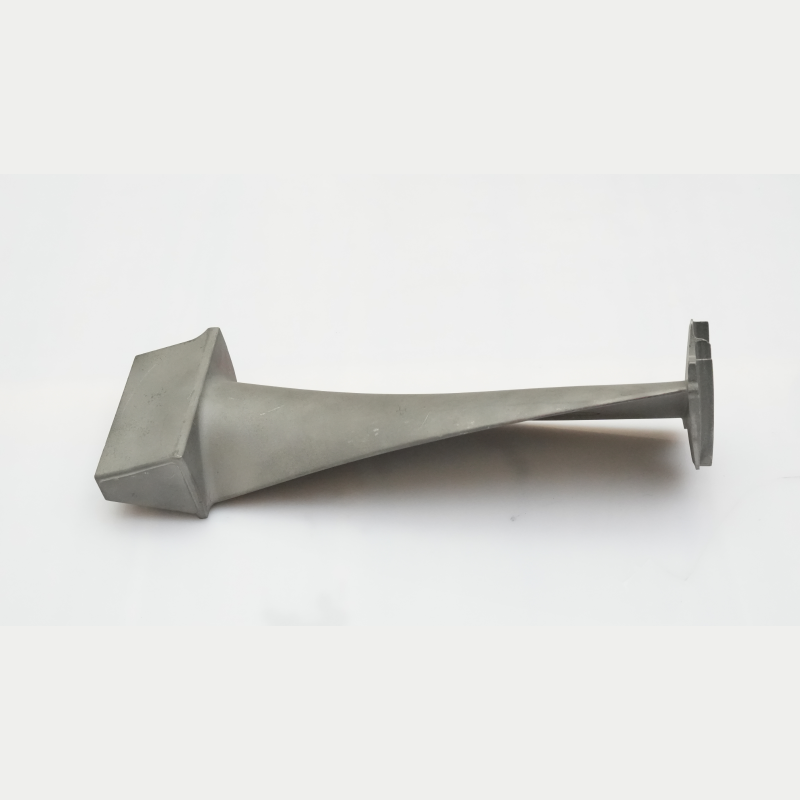
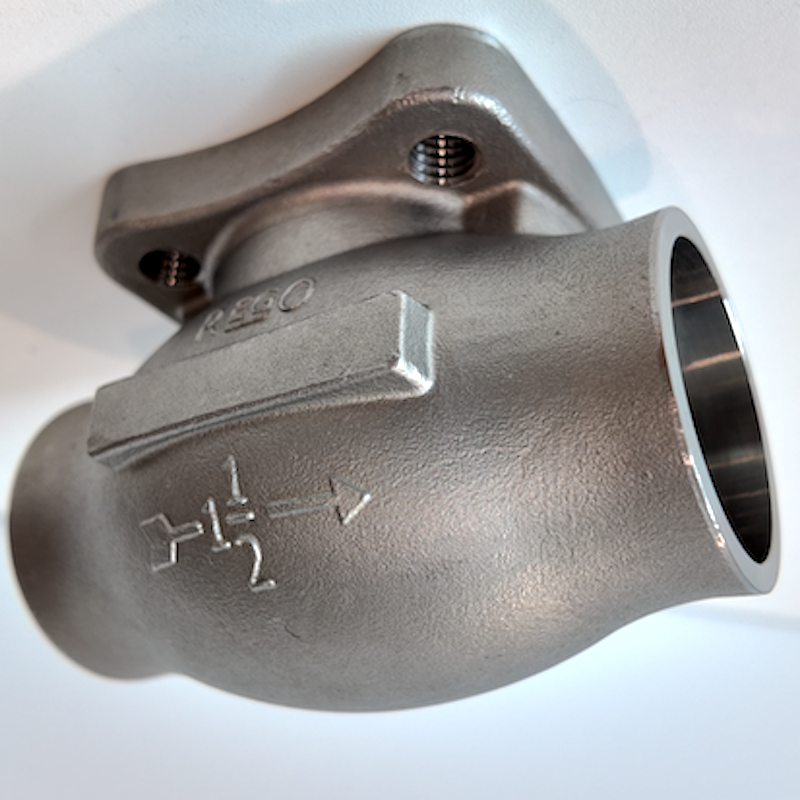
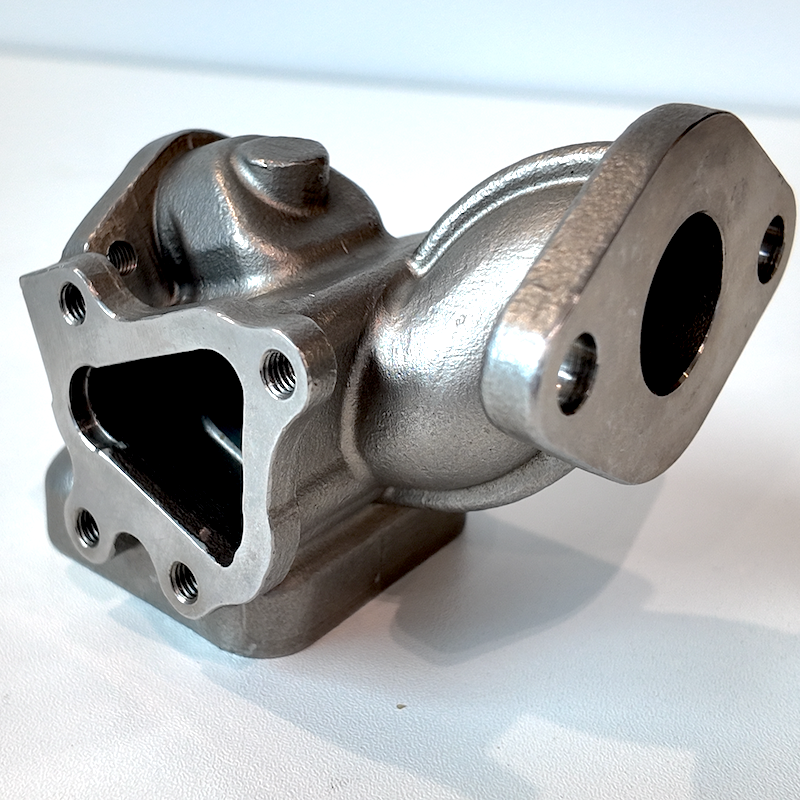
Custom metal casting and machining represents a comprehensive manufacturing solution that combines two critical metalworking processes to produce precisely engineered components tailored to specific requirements. This integrated approach begins with custom metal casting, where molten metal is poured into specially designed molds to create initial component shapes, followed by precision machining operations that refine these castings to exact specifications. The main functions of custom metal casting and machining include transforming raw metal materials into complex geometries that would be difficult or impossible to achieve through a single manufacturing method alone. This dual-process methodology enables manufacturers to produce parts ranging from small intricate components to large industrial structures with exceptional accuracy and repeatability. The technological features of custom metal casting and machining encompass various casting techniques such as sand casting, investment casting, die casting, and permanent mold casting, each selected based on the material properties, production volume, and complexity requirements of the final product. Following the casting phase, advanced machining operations including milling, turning, drilling, grinding, and electrical discharge machining refine the cast components to achieve tight tolerances, superior surface finishes, and precise dimensional accuracy. Applications for custom metal casting and machining span numerous industries including aerospace, automotive, medical devices, energy generation, construction equipment, marine engineering, and industrial machinery. In the aerospace sector, this process creates engine components, structural brackets, and landing gear parts that must withstand extreme conditions while maintaining minimal weight. The automotive industry relies on custom metal casting and machining for engine blocks, transmission housings, suspension components, and specialized performance parts. Medical device manufacturers utilize these processes to produce surgical instruments, implantable devices, and diagnostic equipment that require biocompatible materials and exceptional precision. The versatility of custom metal casting and machining allows engineers to work with diverse materials including aluminum alloys, steel grades, stainless steel, bronze, brass, titanium, and specialized superalloys, selecting the optimal material based on strength requirements, corrosion resistance, weight constraints, and environmental conditions the finished component will encounter during its service life.

Popular Products

The advantages of custom metal casting and machining provide significant practical benefits that directly impact manufacturing efficiency, product quality, and overall project success for businesses across industries. One primary advantage involves cost-effectiveness for medium to high production volumes, as the initial tooling investment for custom metal casting becomes economical when spread across multiple units, while subsequent machining operations ensure each piece meets exact specifications without extensive manual labor. This process combination reduces material waste compared to machining from solid stock, since the casting creates a near-net shape that requires only selective material removal during finishing operations, resulting in better material utilization and lower raw material costs. The design flexibility offered by custom metal casting and machining empowers engineers to create complex internal passages, intricate external features, and integrated design elements that would require assembly of multiple pieces if manufactured through other methods, thereby reducing assembly time, eliminating potential failure points at joints, and creating stronger unified components. Production consistency stands as another crucial advantage, as once the casting mold and machining programs are established, manufacturers can replicate identical parts with minimal variation, ensuring interchangeability and reliability across large production runs while maintaining stringent quality standards. The structural integrity achieved through custom metal casting and machining surpasses that of welded or assembled alternatives, since cast components feature continuous grain structure without weak points introduced by joining processes, while subsequent machining does not compromise this inherent strength. Time efficiency becomes apparent when producing geometrically complex parts, as custom metal casting establishes the basic form rapidly, and CNC machining completes precision features faster than building the entire component through machining alone, significantly reducing lead times from concept to finished product. The surface finish quality achievable through this combined approach satisfies both functional and aesthetic requirements, with machined surfaces providing excellent smoothness for sealing surfaces, bearing interfaces, and visible components while cast surfaces offer adequate finish for non-critical areas without additional processing. Material property optimization represents another practical benefit, as the controlled cooling rates during casting can be engineered to develop desired microstructures, and subsequent heat treatment combined with machining stress relief ensures components achieve specified hardness, tensile strength, and wear resistance. Scalability advantages allow businesses to start with prototype quantities using one casting method, then transition to higher-volume techniques as demand grows without redesigning the entire component, providing flexibility to adapt manufacturing strategies as market conditions evolve. Quality assurance becomes more manageable with custom metal casting and machining, as inspection can occur at multiple stages, catching potential defects early in the casting phase before investing machining time, and final dimensional verification ensures every component meets drawing specifications before shipment to customers.

Practical Tips

How Does a Precision Investment Casting Manufacturer Ensure Consistent Quality Across Global Supply Chains?

05

Jun

How Does a Precision Investment Casting Manufacturer Ensure Consistent Quality Across Global Supply Chains?

In today's interconnected industrial landscape, sourcing complex metal components across international borders presents a formidable quality challenge. the manufacturer must navigate an intricate web of raw material sourcing, multi-stage production c...
View More
How Can OEM ODM Precision Casting Services Accelerate New Product Development Cycles?

26

Jun

How Can OEM ODM Precision Casting Services Accelerate New Product Development Cycles?

Bringing a new industrial product from concept to market is rarely a straightforward journey. Engineering teams face relentless pressure to compress timelines, reduce prototype iterations, and deliver production-ready components without sacrificing d...
View More
How Do OEM ODM Precision Casting Services Support Flexible Design and Rapid Prototyping?

26

Jun

How Do OEM ODM Precision Casting Services Support Flexible Design and Rapid Prototyping?

Figure 1: Custom Valve Body Fabricated via Precision Investment Casting, Featuring Crisp Surface Details and Net-Shape Integrity. In today's fast-evolving manufacturing landscape, the ability to move from concept to production-ready component quickly...
View More
Why Are Stainless Steel Investment Castings Preferred for Corrosion Resistant Applications?

26

Jun

Why Are Stainless Steel Investment Castings Preferred for Corrosion Resistant Applications?

In demanding industrial environments where moisture, chemicals, and extreme temperatures are constant threats, material selection is one of the most critical engineering decisions a manufacturer can make. Among the available manufacturing methods, st...
View More

Get a Free Quote

Our representative will contact you soon.
Email
Name
Mobile
Company Name
Message
0/1000

custom metal casting and machining

Superior Design Freedom and Complex Geometry Capabilities

Superior Design Freedom and Complex Geometry Capabilities

Custom metal casting and machining delivers unparalleled design freedom that enables engineers and product developers to transform ambitious concepts into functional reality, addressing geometric challenges that would be prohibitively expensive or technically impossible using alternative manufacturing methods. This advantage proves particularly valuable when designing components with internal cavities, undercuts, varying wall thickness, and integrated features that serve multiple functions within a single piece. The casting phase of custom metal casting and machining establishes complex three-dimensional shapes including hollow sections, curved surfaces, and organic forms that flow naturally with load paths and stress distributions, optimizing structural performance while minimizing weight. Engineers can incorporate mounting bosses, reinforcement ribs, fluid channels, and connection points directly into the cast geometry, eliminating secondary operations and reducing assembly complexity. The subsequent machining operations add precision features such as threaded holes, bearing bores, sealing surfaces, and reference datums with micron-level accuracy, ensuring perfect fit and function within larger assemblies. This design freedom extends to aesthetic considerations as well, allowing custom metal casting and machining to produce components with distinctive visual appeal for consumer-facing applications while maintaining industrial strength and durability. The ability to consolidate multiple parts into single cast and machined components reduces inventory complexity, eliminates assembly errors, decreases potential leak paths in fluid-handling applications, and improves overall system reliability. Product designers working with custom metal casting and machining can optimize material placement, adding thickness only where structural analysis indicates necessary reinforcement while thinning sections in low-stress areas to reduce weight and material costs. This targeted material distribution, impossible to achieve economically through subtractive manufacturing alone, results in components with superior strength-to-weight ratios critical for transportation applications, portable equipment, and aerospace systems. The geometric flexibility of custom metal casting and machining also facilitates design iteration, as modifications to casting patterns and machining programs can be implemented relatively quickly compared to redesigning fabrication fixtures or reconfiguring progressive stamping dies. Prototyping benefits significantly from this adaptability, allowing engineering teams to test functional prototypes that accurately represent production components, validating fit, form, and function before committing to high-volume manufacturing investments. For products requiring regular updates or customization for specific customer applications, custom metal casting and machining provides the versatility to accommodate variations without completely retooling, supporting market responsiveness and competitive differentiation through tailored solutions that address unique customer requirements.
Enhanced Material Selection and Performance Characteristics

Enhanced Material Selection and Performance Characteristics

The material versatility inherent in custom metal casting and machining processes provides engineers with an extensive palette of alloys and metals to select the optimal material for each specific application, matching performance requirements with cost considerations and manufacturing feasibility. This advantage becomes critically important in demanding applications where component failure could result in safety hazards, expensive downtime, or catastrophic system failures. Custom metal casting and machining accommodates ferrous metals including various grades of carbon steel, alloy steel, stainless steel, and ductile iron, each offering distinct combinations of strength, hardness, corrosion resistance, and machinability. Non-ferrous options include aluminum alloys prized for their lightweight properties and excellent thermal conductivity, copper alloys valued for electrical conductivity and antimicrobial properties, and specialized materials like titanium for extreme strength-to-weight ratios and corrosion resistance in harsh chemical environments. The casting process itself influences material properties through controlled solidification rates, grain structure development, and heat treatment opportunities that optimize hardness, toughness, and fatigue resistance. Custom metal casting and machining allows metallurgists to specify particular alloy compositions that balance contradictory requirements such as maintaining ductility while achieving high yield strength, or combining wear resistance with impact toughness. The machining phase following casting does not compromise these carefully developed material properties when performed correctly, instead revealing the superior surface integrity beneath any casting skin while maintaining the advantageous core characteristics developed during solidification. For applications requiring dissimilar material properties in different sections of the same component, custom metal casting and machining enables selective heat treatment and localized machining strategies that harden wear surfaces while preserving toughness in structural sections, or create precision bearing surfaces while maintaining general component strength. Material traceability throughout custom metal casting and machining ensures critical applications receive certified alloys with documented composition, mechanical properties, and processing history, satisfying regulatory requirements in aerospace, medical, and nuclear industries. The broad material compatibility of custom metal casting and machining extends to exotic alloys including nickel-based superalloys for high-temperature turbine applications, cobalt-chrome alloys for biomedical implants, and bronze alloys for marine hardware exposed to saltwater corrosion. This material flexibility empowers design engineers to specify the ideal material based purely on performance requirements rather than limiting designs to materials compatible with available manufacturing processes, resulting in optimized products that perform reliably throughout their intended service life while meeting cost targets and production schedule requirements.
Cost-Effective Production with Exceptional Quality Control

Cost-Effective Production with Exceptional Quality Control

Custom metal casting and machining delivers outstanding economic value by balancing initial tooling investments with per-unit production costs, while simultaneously maintaining rigorous quality standards that minimize defects, reduce rework, and ensure consistent performance across entire production runs. This financial advantage becomes particularly significant for components with moderate to high production volumes where the cost-per-piece economics favor casting over fabrication or complete machining from bar stock. The tooling for custom metal casting, including patterns, core boxes, and molds, represents a one-time investment that distributes across all parts produced, making each additional component progressively less expensive as production quantities increase. Once established, the casting process rapidly produces near-net-shape components requiring only targeted machining to achieve final dimensions, consuming far less machine time compared to creating the entire geometry through material removal alone. This efficiency translates directly into lower manufacturing costs, reduced energy consumption, and improved resource utilization. Custom metal casting and machining optimizes material usage by starting with a casting profile closely approximating the finished component, generating minimal scrap material during machining operations compared to traditional machining that might remove 70 to 80 percent of the starting material as chips. The quality control advantages of custom metal casting and machining begin during the casting phase with process monitoring, non-destructive testing options including X-ray inspection and ultrasonic testing to detect internal porosity or inclusions, and dimensional verification before investing machining resources. This early defect detection prevents processing defective castings through expensive machining operations, reducing overall scrap costs and improving manufacturing efficiency. The precision achievable through CNC machining following casting ensures critical dimensions, surface finishes, and geometric tolerances meet exact specifications consistently, eliminating the variation inherent in manual operations and reducing assembly problems caused by out-of-tolerance components. Statistical process control implemented throughout custom metal casting and machining operations provides real-time feedback enabling immediate corrective actions when trends indicate potential quality drift, maintaining production within specification limits and preventing defective products from reaching customers. Documentation and traceability systems integrated into custom metal casting and machining workflows create comprehensive records linking raw material certifications through casting parameters, heat treatment cycles, machining operations, and final inspection results to individual serial numbers, satisfying audit requirements and enabling root cause analysis if field failures occur. The combination of casting efficiency with machining precision in custom metal casting and machining creates components with excellent dimensional accuracy, superior surface finish where required, and verified material properties, delivered at competitive prices that support profitable business operations while providing customers with reliable products that perform as specified throughout demanding service conditions across diverse industrial applications and challenging operating environments.

Get a Free Quote

Our representative will contact you soon.
Email
Name
Mobile
Company Name
Message
0/1000