Custom Metal Casting and Machining Services - Precision Manufacturing Solutions

Get a Free Quote

Our representative will contact you soon.
Email
Name
Company Name
Message
0/1000

custom metal casting and machining

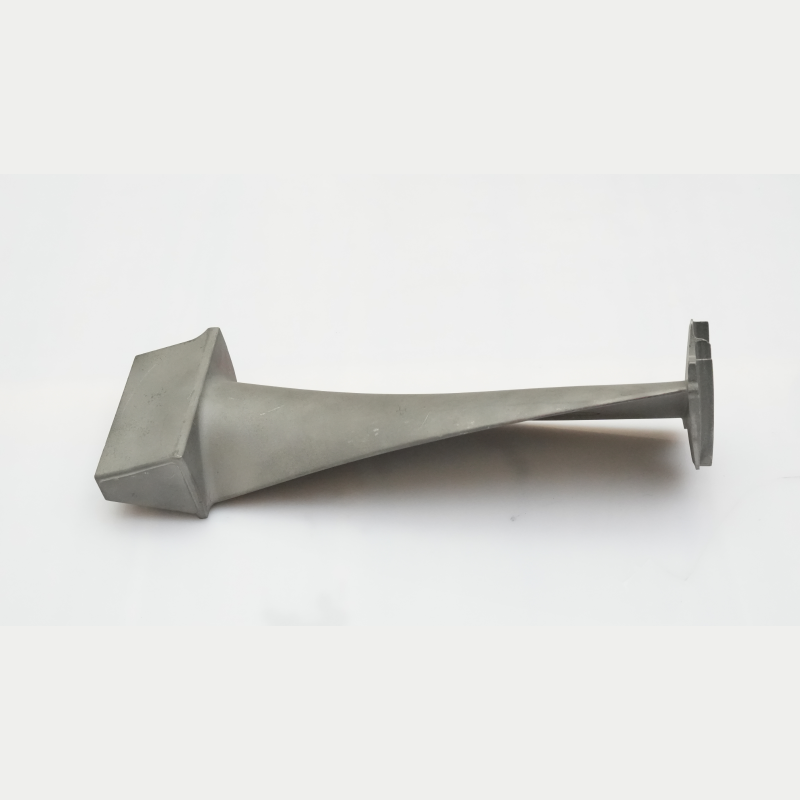
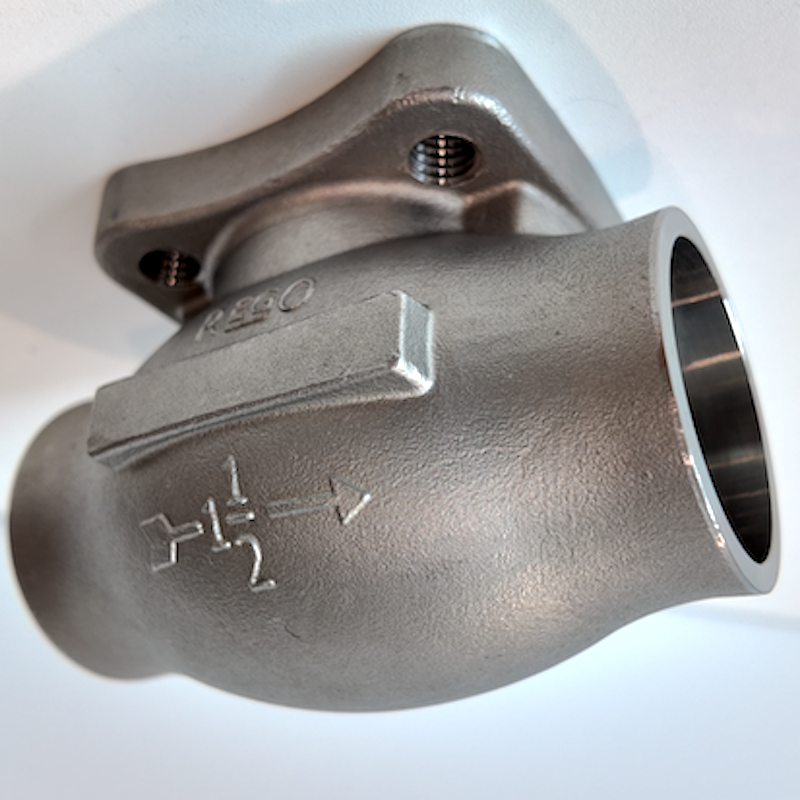
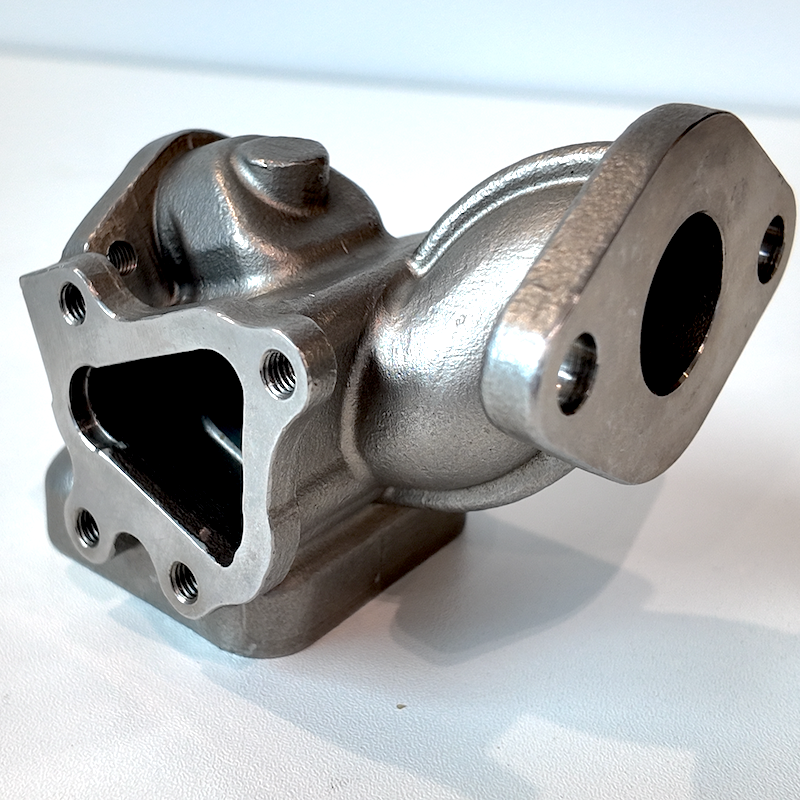
Custom metal casting and machining represents a comprehensive manufacturing solution that combines two essential processes to deliver precision-engineered metal components tailored to specific requirements. This integrated approach begins with custom metal casting, where molten metal is poured into specially designed molds to create the basic shape of a part. Following the casting phase, machining operations refine these cast pieces through cutting, drilling, milling, turning, and grinding to achieve exact dimensions and superior surface finishes. The synergy between custom metal casting and machining enables manufacturers to produce complex geometries that would be impossible or economically unfeasible through either process alone. The main functions of custom metal casting and machining include producing prototypes for product development, manufacturing small to large production runs, creating replacement parts for legacy equipment, and fabricating specialized components for unique applications. Technological features distinguish modern custom metal casting and machining from conventional methods. Advanced casting techniques such as investment casting, sand casting, die casting, and permanent mold casting offer varying levels of precision and cost-effectiveness. Computer Numerical Control (CNC) machining provides exceptional accuracy, with tolerances reaching plus or minus 0.001 inches or tighter when necessary. Three-dimensional modeling software allows engineers to visualize parts before production, identifying potential issues and optimizing designs for manufacturability. Material versatility stands as another significant feature, with custom metal casting and machining accommodating aluminum, steel, stainless steel, bronze, brass, iron, and exotic alloys. Applications span virtually every industrial sector including aerospace, automotive, medical devices, energy production, construction equipment, marine hardware, agricultural machinery, and consumer products. The aerospace industry relies on custom metal casting and machining for engine components, structural fittings, and landing gear parts. Automotive manufacturers use these processes for engine blocks, transmission housings, and suspension components. Medical device companies depend on custom metal casting and machining to create surgical instruments, implant components, and diagnostic equipment housings that meet stringent regulatory standards.

New Product Recommendations

The advantages of custom metal casting and machining deliver tangible benefits that directly impact your bottom line and product quality. First, this combined approach significantly reduces material waste compared to machining parts entirely from solid stock. By casting the approximate shape first, you remove only the material necessary to achieve final specifications, conserving expensive raw materials and lowering costs. Second, custom metal casting and machining excels at producing complex internal cavities, undercuts, and intricate external features that would require multiple setups or prove impossible with machining alone. This capability translates into lighter components with optimized strength-to-weight ratios, crucial for applications where every ounce matters. Third, the process offers remarkable design flexibility, allowing you to modify components quickly during development phases or adapt existing parts to new requirements without massive tooling investments. Fourth, you gain access to a wide material selection, choosing alloys based on mechanical properties, corrosion resistance, temperature tolerance, or weight considerations rather than limiting yourself to readily available stock sizes. Fifth, custom metal casting and machining scales efficiently from prototype quantities to full production runs, providing consistency across your entire project lifecycle. You can test designs with small batches before committing to large-scale manufacturing, minimizing financial risk. Sixth, parts produced through custom metal casting and machining typically exhibit excellent mechanical properties due to the metallurgical soundness of properly executed castings combined with the work-hardening effects of machining operations. Seventh, lead times often prove shorter than alternative manufacturing methods because casting creates near-net shapes quickly, reducing subsequent machining time. Eighth, surface finish quality meets demanding specifications, with machining operations delivering the smooth surfaces and precise edges required for proper fit, function, and appearance. Ninth, the process accommodates both simple and extraordinarily complex geometries within single components, eliminating assembly operations that introduce potential failure points and increase labor costs. Tenth, custom metal casting and machining supports cost-effective production of both high-volume standardized parts and low-volume specialized components, providing manufacturing solutions regardless of your quantity requirements. Eleventh, dimensional accuracy and repeatability ensure that every part matches specifications, reducing rejection rates and quality control expenses. Finally, experienced manufacturers can often suggest design improvements that enhance performance while reducing production costs, adding value beyond simple fabrication services. These practical advantages make custom metal casting and machining an intelligent choice for companies seeking reliable, cost-effective manufacturing solutions.

Latest News

Basic Principles Of Design Of Precision Casting Gating System

11

May

Basic Principles Of Design Of Precision Casting Gating System

View More
Selection And Application Scope Of Hardness Tester

11

May

Selection And Application Scope Of Hardness Tester

View More
The Role Of Elements In Castings And The Order Of Addition

11

May

The Role Of Elements In Castings And The Order Of Addition

View More
Stainless Steel Castings for Building Facade Systems

11

May

Stainless Steel Castings for Building Facade Systems

View More

Get a Free Quote

Our representative will contact you soon.
Email
Name
Company Name
Message
0/1000

custom metal casting and machining

Unmatched Design Freedom and Complex Geometry Capabilities

Unmatched Design Freedom and Complex Geometry Capabilities

Custom metal casting and machining delivers unparalleled design freedom that empowers engineers and product developers to bring their most ambitious concepts to reality. Unlike manufacturing processes that impose significant geometric constraints, this combined approach handles intricate shapes with multiple features, varying wall thicknesses, and complex internal passages that would challenge or defeat other methods. The casting phase establishes the fundamental architecture of your component, including internal cavities, hollow sections, and basic external contours that provide the foundation for your design. Subsequent machining operations then refine critical surfaces, add precision features like threaded holes and tight-tolerance bores, and establish exact dimensions where parts interface with other components. This two-stage process means you can incorporate design elements that optimize functionality rather than compromising your vision to accommodate manufacturing limitations. For instance, you might cast a housing with internal cooling channels that follow the optimal thermal path rather than settling for straight-drilled holes that a machining-only approach would require. You can include bosses, ribs, and gussets positioned exactly where structural analysis indicates they provide maximum benefit, rather than where standard milling operations can easily reach them. The design freedom extends to creating parts with multiple axes and planes, asymmetric features, and organic shapes that mimic natural structures for improved performance. Weight reduction becomes achievable through strategic material placement, casting thin walls where strength requirements permit while maintaining thickness in high-stress zones. Custom metal casting and machining also facilitates the integration of multiple functions into single components, eliminating assemblies that add weight, cost, and potential failure points. A part that might require welding together five separate machined pieces can often be cast as one integrated unit, then machined to final specifications. This consolidation reduces inventory complexity, simplifies quality control, and accelerates production schedules. The geometric capabilities prove particularly valuable when reverse-engineering obsolete parts where original manufacturing methods are no longer available or practical. Engineers can scan existing components, modify designs to correct known weaknesses, and produce improved versions through custom metal casting and machining. The process accommodates design iterations efficiently, allowing you to refine prototypes based on testing results without the prohibitive tooling costs associated with some manufacturing methods. Whether you need a one-off prototype or thousands of production parts, custom metal casting and machining provides the geometric flexibility to match your design intent precisely.
Superior Material Properties and Metallurgical Integrity

Superior Material Properties and Metallurgical Integrity

The metallurgical advantages inherent in custom metal casting and machining directly translate to components with superior mechanical properties, enhanced durability, and extended service life under demanding operating conditions. The casting process itself produces parts with grain structures that develop naturally as molten metal solidifies within the mold, creating metallurgical characteristics often superior to those found in wrought materials. Properly controlled casting parameters including pouring temperature, cooling rates, and mold design influence how crystals form and grow, ultimately determining the mechanical properties of the finished component. Directional solidification techniques can align grain structures to resist specific stress patterns, while controlled cooling prevents defects like porosity, shrinkage cavities, and inclusions that compromise strength. Heat treatment processes applied after casting but before machining further refine material properties, relieving residual stresses, improving ductility, or increasing hardness depending on application requirements. The subsequent machining operations enhance rather than diminish these metallurgical qualities when executed properly. Unlike processes that heavily cold-work material throughout its entire cross-section, machining removes material from surfaces while leaving the internal structure largely undisturbed. This preservation of core material properties proves critical for components subjected to cyclic loading, impact forces, or sustained stress. Custom metal casting and machining also enables the use of specialized alloys formulated for specific performance characteristics. You can specify materials optimized for corrosion resistance in marine environments, alloys that maintain strength at elevated temperatures in turbine applications, or compositions that provide wear resistance for bearing surfaces and sliding contacts. The process accommodates both ferrous and non-ferrous metals, from carbon steels and stainless steels to aluminum alloys, copper alloys, and exotic materials like titanium or Inconel for extreme applications. Material traceability throughout production ensures that components meet specifications and regulatory requirements, with documentation linking finished parts back to specific material heats and processing parameters. Testing protocols verify mechanical properties through tensile testing, hardness measurements, and non-destructive examination techniques that confirm internal soundness. The combination of sound castings and precision machining produces parts that perform reliably in critical applications where failure carries significant consequences. Components for aerospace applications undergo rigorous qualification processes that validate material properties and manufacturing quality. Medical implants require biocompatible materials processed under controlled conditions that prevent contamination. Industrial equipment operating in harsh environments depends on the corrosion resistance and mechanical strength that properly executed custom metal casting and machining delivers. The metallurgical integrity achieved through this manufacturing approach provides the foundation for long-term performance and reliability that your applications demand.
Economic Efficiency Across Production Volumes and Product Lifecycles

Economic Efficiency Across Production Volumes and Product Lifecycles

Custom metal casting and machining delivers exceptional economic efficiency that benefits your projects whether you need a single prototype or thousands of production units, making it a financially sound choice across diverse manufacturing scenarios. The cost advantages begin with material utilization, where casting creates near-net shapes that closely approximate final dimensions, minimizing the excess material that machining must remove. This efficiency becomes particularly significant when working with expensive alloys, where every pound of material saved directly reduces costs. Compared to machining parts entirely from solid billets, the casting-plus-machining approach typically consumes forty to seventy percent less raw material, depending on part geometry. Tooling investments scale appropriately with production volumes, offering flexibility that protects your budget during different project phases. Prototype and low-volume production can utilize cost-effective tooling options that minimize upfront investment while still delivering quality parts for testing and evaluation. As production volumes increase, more durable tooling becomes economically justified, with costs amortized across larger quantities. This scalability means you avoid the catch-22 of needing expensive tooling before validating your design, while maintaining the option to transition smoothly into full production when market demand warrants. Labor efficiency contributes significantly to the economic advantages of custom metal casting and machining. Automated casting processes produce multiple parts per cycle with minimal operator intervention, while CNC machining centers execute complex operations unattended after initial setup. This automation reduces labor costs per piece and improves consistency by eliminating human variability. The combined process also compresses production schedules compared to alternative approaches, getting products to market faster and reducing carrying costs for work-in-progress inventory. Shorter lead times prove especially valuable when responding to unexpected demand, replacing failed components, or supporting just-in-time manufacturing strategies. Quality-related costs decrease because custom metal casting and machining produces dimensionally accurate, metallurgically sound components with predictable properties. Lower rejection rates mean less rework, reduced scrap expense, and fewer warranty claims that damage customer relationships and brand reputation. The ability to produce complex geometries as single integrated components eliminates assembly operations that consume labor, require fixtures, and introduce opportunities for errors. Consolidated parts also reduce inventory management complexity, as you stock one component rather than multiple pieces and fasteners. Over product lifecycles, custom metal casting and machining supports cost-effective design modifications and continuous improvement initiatives. Tooling adjustments accommodate design changes more readily than rebuilding entire manufacturing processes, allowing you to refine products based on field experience or changing requirements. The process remains economically viable for replacement part production years after initial manufacturing, providing aftermarket support that generates ongoing revenue while serving existing customers. When evaluating total cost of ownership rather than simply piece price, custom metal casting and machining frequently emerges as the most economical solution, delivering quality components that perform reliably while protecting profit margins throughout your product lifecycle.

Get a Free Quote

Our representative will contact you soon.
Email
Name
Company Name
Message
0/1000