صبّ المعادن المخصصة والتشكيـل الآلي
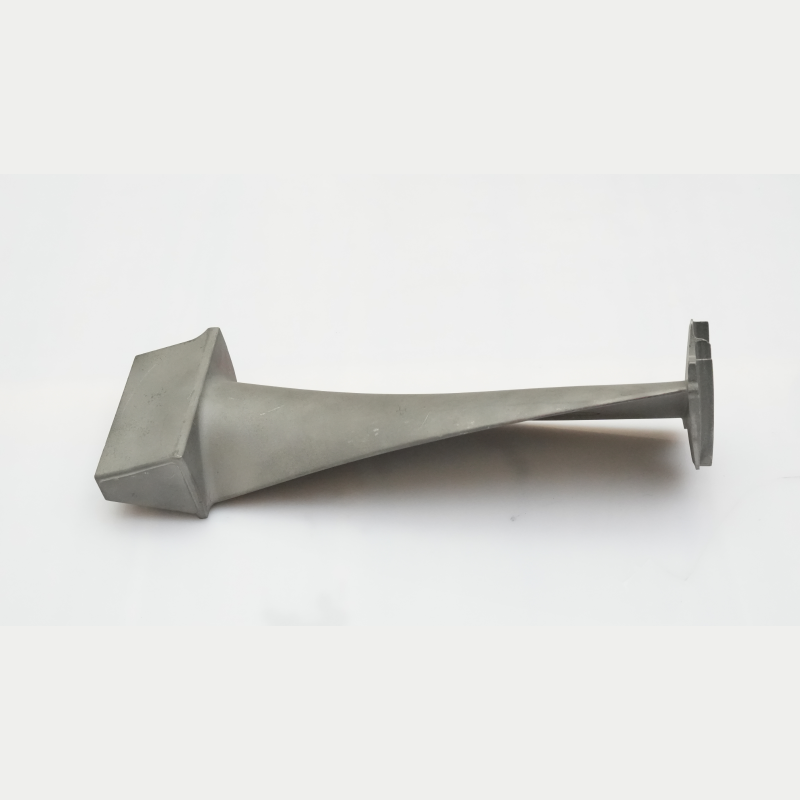
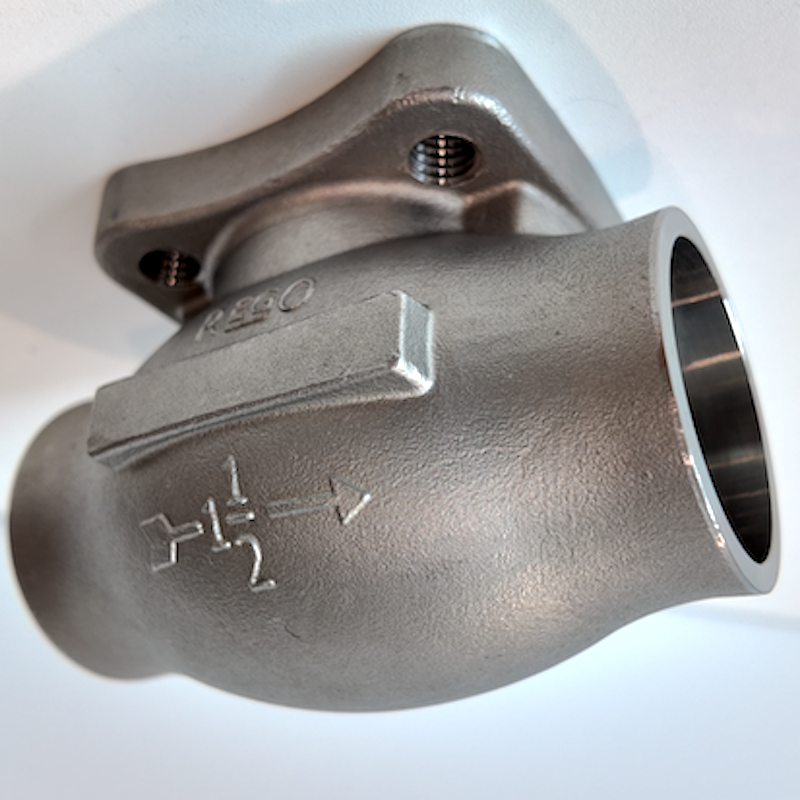
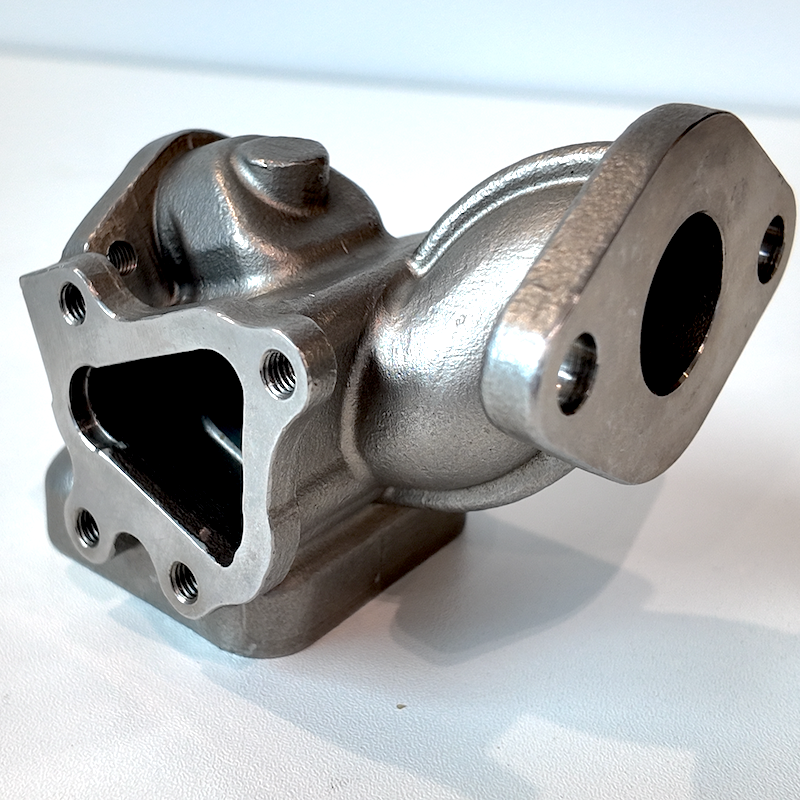
يمثل الصب المعدني المخصص والتشكيك المعدني حلاً تصنيعيًا شاملاً يجمع بين عمليتين أساسيتين في معالجة المعادن لإنتاج مكونات مُصمَّمة بدقة وفقًا لمتطلبات محددة. ويبدأ هذا النهج المتكامل بالصب المعدني المخصص، حيث تُسكب المعادن المنصهرة في قوالب مُصمَّمة خصيصًا لإنشاء الأشكال الأولية للمكونات، ثم تليها عمليات التشكيك الدقيقة التي تُحسِّن هذه القطع المسبوكة لتتوافق تمامًا مع المواصفات المطلوبة. وتتمثل الوظائف الرئيسية للصب المعدني المخصص والتشكيك المعدني في تحويل المواد المعدنية الأولية إلى هندسات معقدة يصعب أو يستحيل تحقيقها باستخدام طريقة تصنيع واحدة فقط. وبفضل هذه المنهجية المزدوجة، يمكن للمصنِّعين إنتاج أجزاء تتراوح من مكونات صغيرة دقيقة جدًّا إلى هياكل صناعية كبيرة، وبدقة استثنائية وإمكانية تكرار عالية. وتشمل الخصائص التكنولوجية للصب المعدني المخصص والتشكيك المعدني مجموعة متنوعة من تقنيات الصب مثل الصب بالرمل، والصب الاستثماري، والصب بالقالب، والصب بالقوالب الدائمة، ويتم اختيار كل منها وفقًا لخصائص المادة، وحجم الإنتاج، ومتطلبات تعقيد المنتج النهائي. وبعد مرحلة الصب، تُطبَّق عمليات تشكيك متقدمة تشمل الطحن، والتشغيل على المخرطة، والثقب، والطحن، والتشكيك بالتفريغ الكهربائي لتحسين القطع المسبوكة وتحقيق تحملات ضيقة جدًّا، وأسطح نهائية ممتازة، ودقة أبعادية متناهية. وتشمل مجالات تطبيق الصب المعدني المخصص والتشكيك المعدني العديد من القطاعات الصناعية مثل قطاع الطيران والفضاء، وصناعة السيارات، والأجهزة الطبية، وتوليد الطاقة، ومعدات البناء، والهندسة البحرية، والآلات الصناعية. ففي قطاع الطيران والفضاء، تُستخدم هذه العملية لإنتاج مكونات المحركات، والدعائم الهيكلية، وأجزاء عجلات الهبوط التي يجب أن تتحمل ظروفًا قاسية جدًّا مع الحفاظ على أقل وزن ممكن. أما قطاع صناعة السيارات فيعتمد على الصب المعدني المخصص والتشكيك المعدني في إنتاج كتل المحركات، وعلب نواقل الحركة، ومكونات التعليق، والأجزاء الخاصة ذات الأداء العالي. كما تستفيد شركات تصنيع الأجهزة الطبية من هذه العمليات في إنتاج الأدوات الجراحية، والأجهزة القابلة للزرع، والمعدات التشخيصية التي تتطلب موادًا حيوية التوافق ودقة استثنائية. وتتيح المرونة الكبيرة للصب المعدني المخصص والتشكيك المعدني للمهندسين العمل مع مجموعة واسعة من المواد تشمل سبائك الألومنيوم، وأنواع الفولاذ المختلفة، والفولاذ المقاوم للصدأ، والنحاس الأحمر، والنحاس الأصفر، والتيتانيوم، والسبائك الفائقة المتخصصة، مع اختيار المادة المثلى وفقًا لمتطلبات القوة، ومقاومة التآكل، والقيود المتعلقة بالوزن، والظروف البيئية التي ستتعرض لها المكون النهائي خلال عمره التشغيلي.

 EN
EN