Excepcional precisión dimensional y calidad de superficie
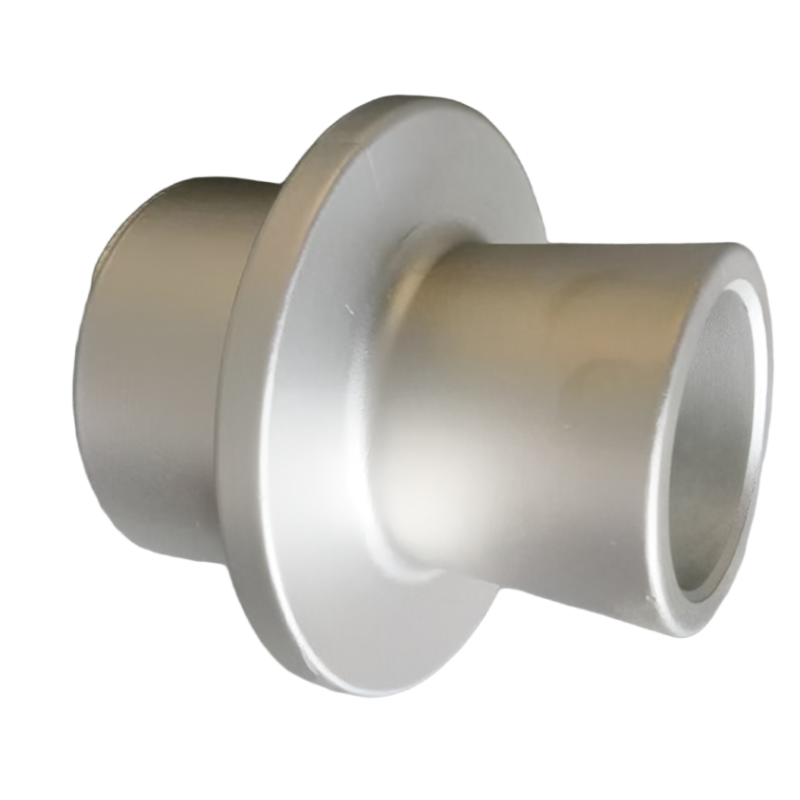
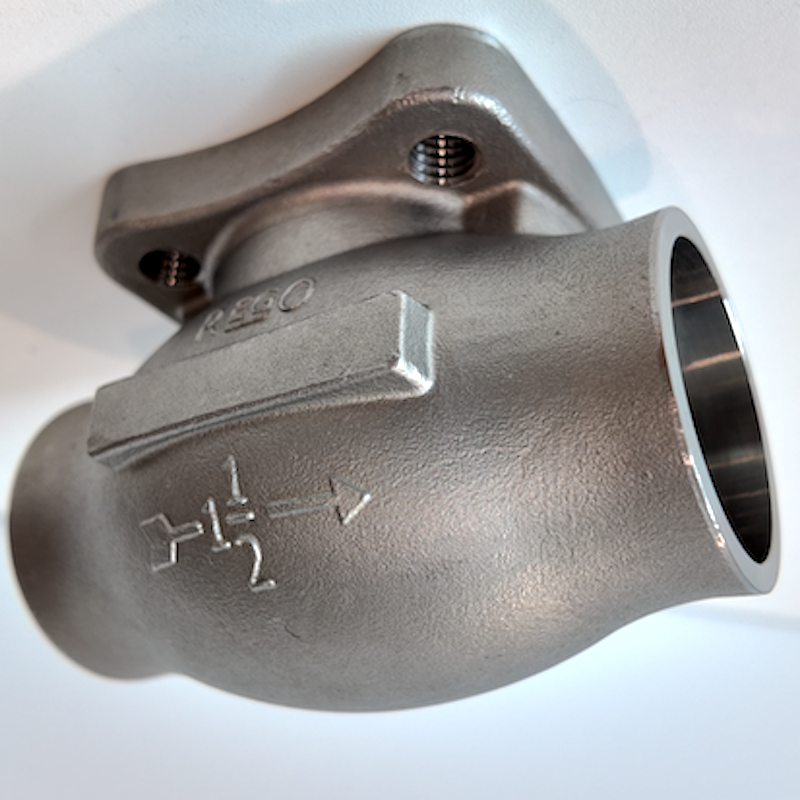
Las instalaciones de fabricación de fundiciones precisas en acero logran una precisión dimensional notable que las distingue de otros métodos de fabricación. El proceso de fundición a la cera perdida produce componentes con tolerancias que, de forma constante, se mantienen dentro de ±0,005 pulgadas en dimensiones críticas; y, en muchos casos, los fabricantes alcanzan especificaciones aún más ajustadas, cercanas a ±0,002 pulgadas para características más pequeñas. Este nivel de precisión proviene de la naturaleza de la construcción del molde cerámico, que reproduce con fidelidad excepcional los detalles mínimos de los patrones originales en cera. Los materiales cerámicos experimentan una expansión térmica mínima durante el ciclo de fundición, lo que mantiene la estabilidad dimensional mientras el acero fundido llena la cavidad y se solidifica en su forma final. Para sus requisitos de producción, esta precisión elimina operaciones secundarias de mecanizado costosas, que consumen tiempo y aumentan los gastos en los presupuestos de fabricación. Los componentes llegan listos para su ensamblaje o requieren únicamente acabados mínimos, acelerando así sus cronogramas de producción y mejorando el rendimiento general. La calidad superficial lograda por un fabricante de fundiciones precisas en acero rivaliza con la de componentes mecanizados, presentando valores típicos de rugosidad superficial entre 125 y 250 micro-pulgadas, dependiendo de la aleación seleccionada y de los parámetros del proceso. Este acabado liso reduce la fricción en conjuntos móviles, mejora la resistencia a la fatiga al eliminar puntos de concentración de tensiones y realza la apariencia estética de los componentes visibles. En aplicaciones donde la limpieza superficial afecta al rendimiento —como en dispositivos médicos o equipos para procesamiento de alimentos—, este acabado superior minimiza la adherencia bacteriana y simplifica los procedimientos de saneamiento. La combinación de precisión dimensional y calidad superficial resulta especialmente valiosa al trabajar con geometrías complejas que incluyen pasajes internos, paredes delgadas o características externas intrincadas. Los enfoques tradicionales de mecanizado tienen dificultades con estas configuraciones, requiriendo frecuentemente múltiples montajes, herramientas especializadas y operarios calificados que perciben tarifas laborales premium. Un fabricante de fundiciones precisas en acero produce estas geometrías desafiantes en una sola operación, manteniendo una calidad consistente a lo largo de las series de producción, sin la variabilidad inherente a los procesos manuales de mecanizado. Sus equipos de diseño obtienen libertad creativa para optimizar la funcionalidad de los componentes sin restricciones, incorporando características que potencian el rendimiento sin comprometer la capacidad de fabricación. Además, la coherencia dimensional entre las piezas fundidas facilita la intercambiabilidad en los ensamblajes, reduciendo las complicaciones de ajuste durante la producción y simplificando la gestión de repuestos a lo largo del ciclo de vida del producto.

 EN
EN