Superior Material Properties and Performance Characteristics
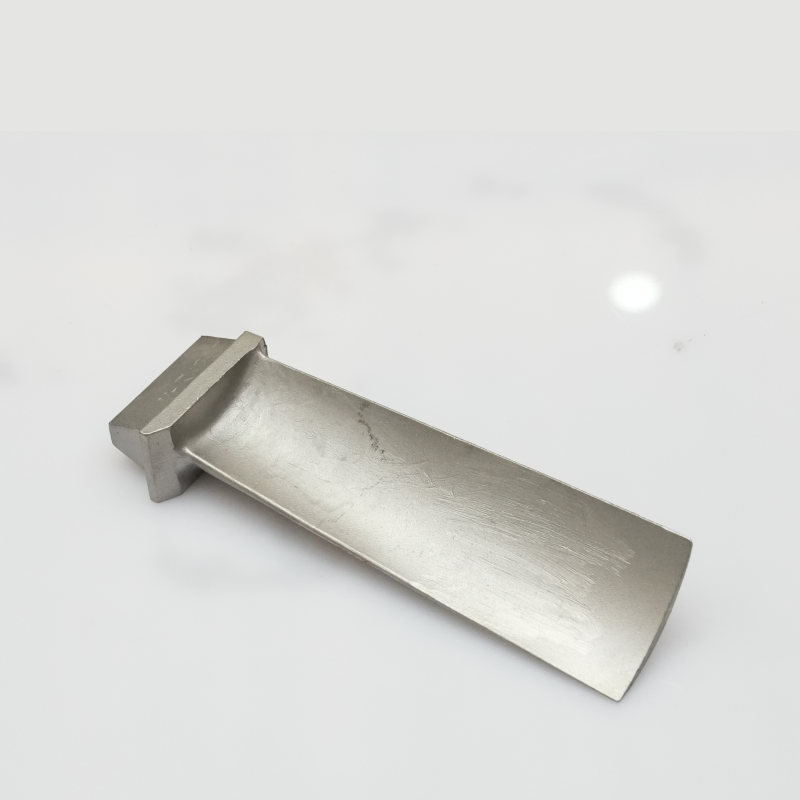
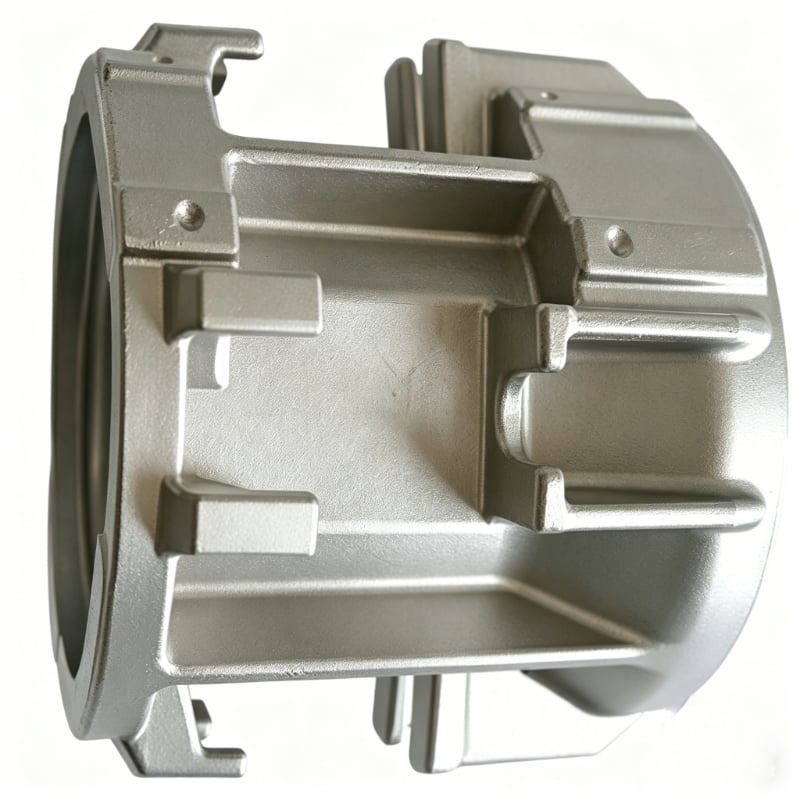
Alloy steel lost wax casting delivers superior material properties and performance characteristics that provide customers with components capable of withstanding the most demanding operational environments and stress conditions. The metallurgical processes occurring during casting create a grain structure and material composition that optimize strength, toughness, and durability. Unlike fabricated assemblies where welded joints create heat-affected zones with potentially compromised properties, cast components maintain consistent material characteristics throughout their structure. This uniformity ensures predictable performance under load, temperature extremes, corrosive environments, and cyclic stressing. The wide range of alloy steel compositions available for lost wax casting allows precise matching of material properties to application requirements. Stainless steel grades offer exceptional corrosion resistance for components exposed to moisture, chemicals, or marine environments, extending service life and reducing maintenance requirements. Tool steel alloys provide the hardness and wear resistance necessary for components subjected to abrasion or repeated contact stresses. Specialized alloy compositions deliver specific magnetic properties, thermal expansion characteristics, or high-temperature strength for unique applications. The value proposition for customers centers on reliability, longevity, and total cost of ownership. Components that resist corrosion eliminate the need for protective coatings or frequent replacement, reducing lifecycle costs substantially. Parts that maintain their mechanical properties at elevated temperatures enable equipment to operate at higher performance levels or in more demanding environments. The absence of porosity and internal defects, achieved through controlled solidification and feeding during the casting process, ensures that components possess their full theoretical strength without hidden weaknesses that could lead to unexpected failures. This reliability proves critical in safety-critical applications where component failure could result in injury, environmental damage, or costly equipment downtime. Non-destructive testing methods such as radiographic inspection, ultrasonic examination, or dye penetrant testing verify the internal soundness of castings, providing documented assurance of quality. Heat treatment processes applied after casting further enhance material properties, allowing precipitation hardening, stress relieving, or hardness optimization to meet specific performance requirements. The combination of appropriate alloy selection, sound casting practice, and proper heat treatment produces components with mechanical properties that meet or exceed wrought material specifications. For applications requiring specific certifications or material test reports, alloy steel lost wax casting suppliers maintain rigorous quality systems and documentation protocols. Customers receive certified material compositions, mechanical property test results, and dimensional inspection reports that support their own quality management systems and regulatory compliance obligations. The traceability extends from raw material heat numbers through processing parameters to final inspection results, creating a complete quality record for each component.

 EN
EN