Premium Precision Alloy Steel Components - Custom Engineered Solutions for Industrial Excellence

Get a Free Quote

Our representative will contact you soon.
Email
Name
Company Name
Message
0/1000

precision alloy steel components

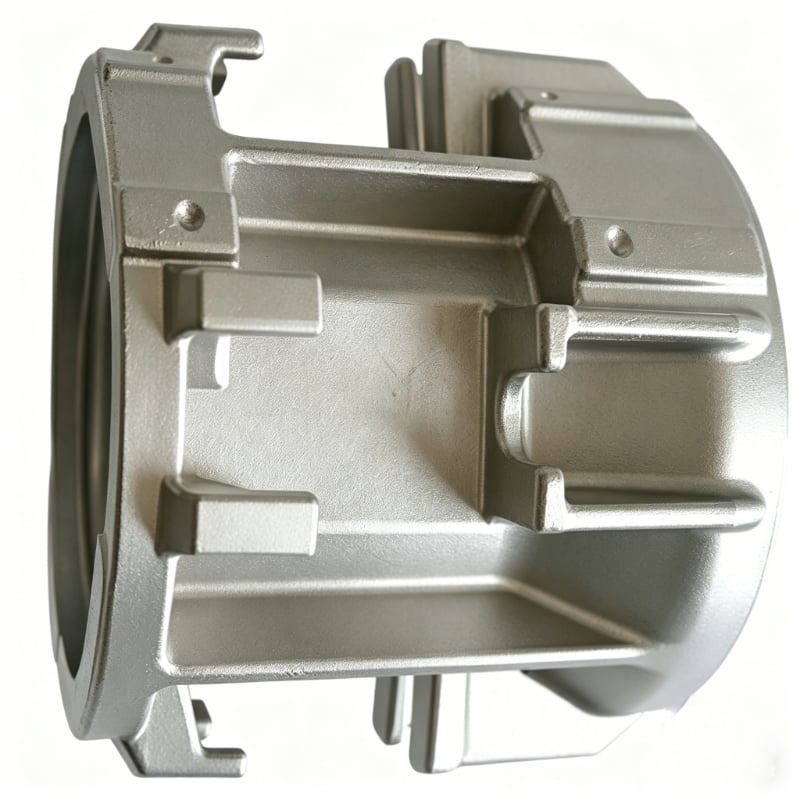
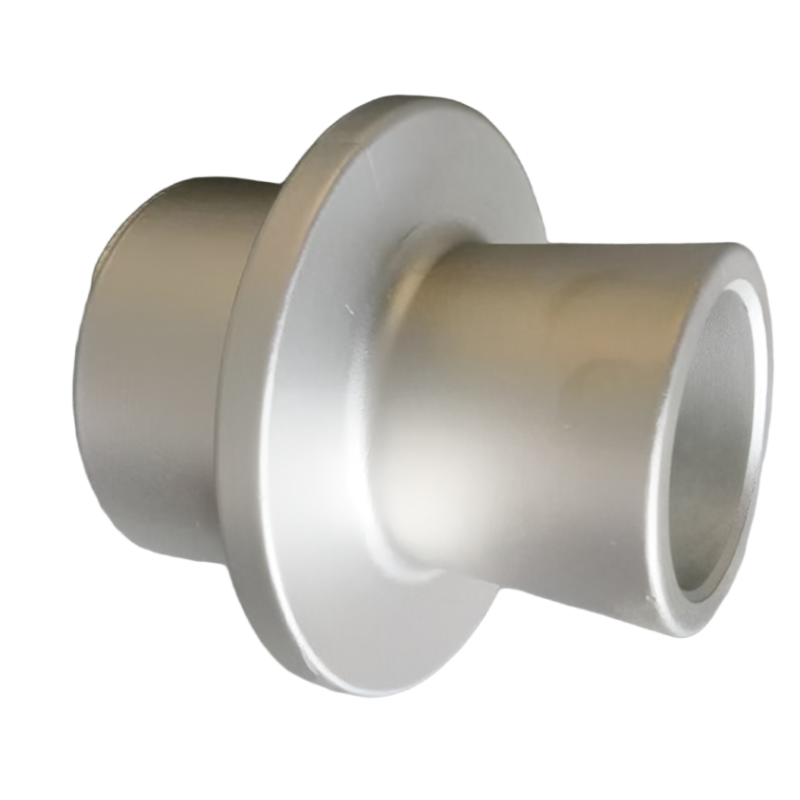
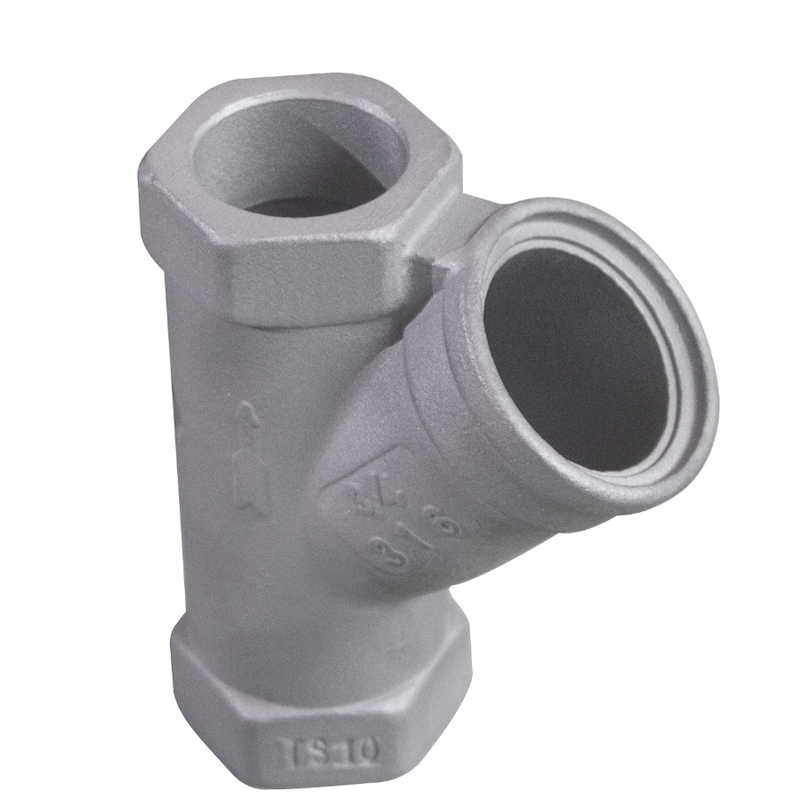
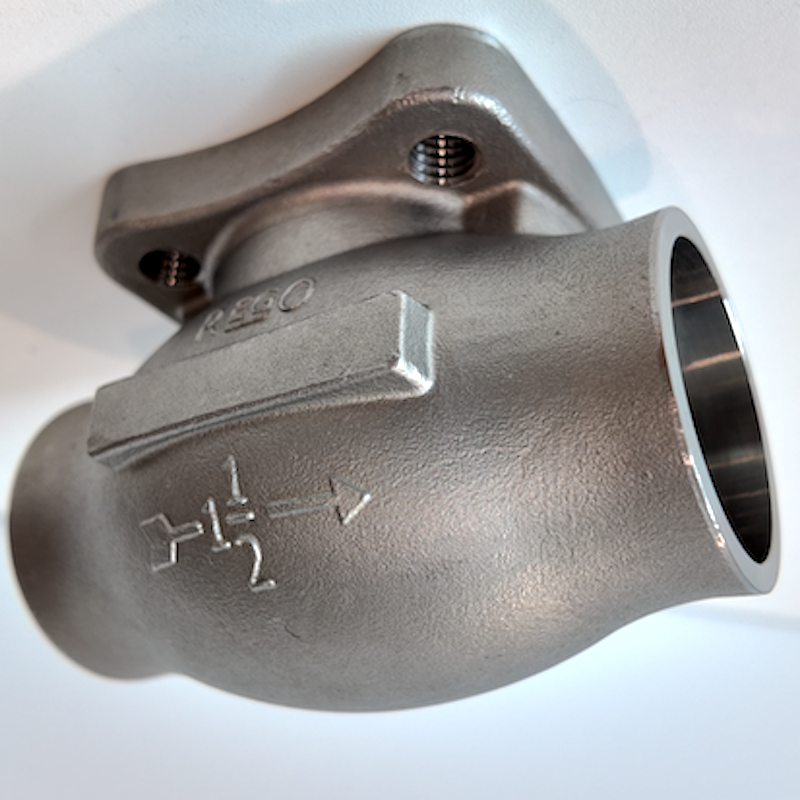
Precision alloy steel components represent a critical advancement in modern manufacturing, combining specialized metallic compositions with exact engineering tolerances to deliver superior performance across demanding industrial applications. These components are manufactured from carefully formulated steel alloys that incorporate specific elements such as chromium, nickel, molybdenum, and vanadium to achieve desired mechanical properties. The main functions of precision alloy steel components include providing exceptional strength-to-weight ratios, maintaining dimensional stability under extreme temperatures, resisting wear and corrosion, and ensuring reliable performance in high-stress environments. Through advanced metallurgical processes and precision machining techniques, these components achieve tolerance levels measured in microns, making them indispensable for applications requiring exact specifications. The technological features that distinguish precision alloy steel components include controlled grain structures achieved through heat treatment processes, optimized chemical compositions tailored for specific applications, and surface finishes engineered to reduce friction and enhance longevity. Manufacturing processes such as vacuum melting, powder metallurgy, and computer-controlled machining ensure consistency and quality throughout production batches. These components find extensive applications across diverse industries including aerospace, where they form critical engine parts and structural elements; automotive manufacturing, where they serve in transmission systems and engine assemblies; medical device production, where biocompatibility and precision are paramount; industrial machinery, where durability under continuous operation is essential; and energy generation, where components must withstand extreme pressures and temperatures. The versatility of precision alloy steel components stems from their ability to be customized for specific operational requirements, whether that involves enhancing magnetic properties, improving thermal conductivity, or maximizing fatigue resistance. As industries continue advancing toward greater efficiency and reliability standards, precision alloy steel components remain fundamental building blocks enabling technological progress and operational excellence across countless manufacturing sectors worldwide.

New Product Releases

Choosing precision alloy steel components for your manufacturing needs delivers substantial practical benefits that directly impact your bottom line and operational efficiency. First and foremost, these components offer remarkable durability that significantly extends service life compared to standard materials. This longevity translates into reduced replacement frequency, lower maintenance costs, and fewer unexpected production interruptions that can devastate scheduling and profitability. The enhanced wear resistance means your equipment operates smoothly for extended periods, maintaining consistent output quality while minimizing downtime expenses. Another compelling advantage lies in the superior performance consistency these components provide. Unlike conventional materials that may exhibit property variations, precision alloy steel components maintain their mechanical characteristics across wide temperature ranges and varying load conditions. This reliability means you can confidently design systems with tighter operational parameters, knowing components will perform predictably throughout their service life. Your production teams benefit from fewer adjustments and recalibrations, allowing them to focus on value-adding activities rather than constant equipment monitoring. The dimensional accuracy inherent in precision alloy steel components eliminates fitment issues that plague manufacturing operations using less precisely manufactured parts. This precision reduces assembly time, minimizes rework, and ensures consistent final product quality. Your assembly line workers experience fewer frustrations, and your quality control teams see reduced rejection rates. Cost effectiveness represents another significant advantage, though it manifests over the component lifecycle rather than just initial purchase price. While precision alloy steel components may require higher upfront investment compared to standard alternatives, the total cost of ownership proves substantially lower. Reduced maintenance requirements, extended replacement intervals, and improved system efficiency combine to deliver impressive returns on investment. Many customers report payback periods measured in months rather than years. The versatility of precision alloy steel components allows you to standardize on fewer part types while serving multiple applications. This standardization reduces inventory complexity, simplifies procurement processes, and provides volume purchasing advantages. Your warehouse operates more efficiently with streamlined stock keeping units, and your purchasing team negotiates better terms through consolidated orders. Environmental benefits also merit consideration, as the extended lifespan of precision alloy steel components reduces material consumption and waste generation. Your sustainability initiatives benefit from lower resource utilization, and increasingly environmentally conscious customers appreciate your commitment to responsible manufacturing practices. Performance optimization represents yet another advantage, as these components enable your systems to operate at peak efficiency. Reduced friction, better heat dissipation, and improved load distribution mean your equipment consumes less energy while delivering superior output. These efficiency gains compound over time, delivering ongoing operational savings that improve competitive positioning in cost-sensitive markets.

Practical Tips

Basic Principles Of Design Of Precision Casting Gating System

11

May

Basic Principles Of Design Of Precision Casting Gating System

View More
Selection And Application Scope Of Hardness Tester

11

May

Selection And Application Scope Of Hardness Tester

View More
Stainless Steel Castings for Building Facade Systems

11

May

Stainless Steel Castings for Building Facade Systems

View More
Precision Stainless Steel Exhaust Manifold Casting Solution For Luxury Sedan - With Japanese First-Tier Car Brand

11

May

Precision Stainless Steel Exhaust Manifold Casting Solution For Luxury Sedan - With Japanese First-Tier Car Brand

View More

Get a Free Quote

Our representative will contact you soon.
Email
Name
Company Name
Message
0/1000

precision alloy steel components

Exceptional Material Integrity and Structural Reliability

Exceptional Material Integrity and Structural Reliability

The exceptional material integrity of precision alloy steel components stems from sophisticated metallurgical engineering that optimizes atomic structure and chemical composition for maximum performance. Unlike ordinary steel products, these specialized components undergo rigorous quality control throughout every manufacturing stage, ensuring consistent properties that engineers can depend upon for critical applications. The alloy formulations incorporate carefully balanced proportions of enhancement elements that work synergistically to improve specific characteristics. Chromium additions provide corrosion resistance and hardenability, nickel enhances toughness and ductility, molybdenum increases strength at elevated temperatures, and vanadium refines grain structure for improved mechanical properties. This deliberate compositional design allows manufacturers to tailor components precisely to application requirements rather than accepting compromises inherent in generic materials. Heat treatment processes further enhance material integrity through controlled heating and cooling cycles that modify crystalline structures at the microscopic level. Techniques such as annealing, quenching, and tempering transform the steel matrix, achieving optimal combinations of hardness, toughness, and ductility that would be impossible through composition alone. These thermal processes are carefully monitored using advanced temperature control systems and atmosphere management to ensure uniform results throughout component cross-sections. The structural reliability this provides means components resist fatigue failure even under cyclic loading conditions that would quickly degrade inferior materials. For customers, this exceptional material integrity translates directly into peace of mind and operational confidence. Your engineering teams can design systems with reduced safety factors, optimizing weight and material usage without compromising reliability. Production managers benefit from predictable component behavior that eliminates surprise failures during critical operations. Maintenance personnel appreciate the consistent wear patterns that allow accurate service life predictions and planned replacement scheduling. Quality assurance processes implemented during precision alloy steel component manufacturing include non-destructive testing methods such as ultrasonic inspection, magnetic particle testing, and radiographic examination that detect internal flaws invisible to surface inspection. This comprehensive quality verification ensures only components meeting stringent specifications reach customers, protecting your reputation and reducing warranty exposure. The long-term cost implications of this exceptional material integrity prove substantial, as components maintain their functional properties throughout extended service periods without degradation that compromises performance or safety.
Micron-Level Precision Manufacturing Capabilities

Micron-Level Precision Manufacturing Capabilities

The micron-level precision achieved in manufacturing precision alloy steel components represents a technological achievement that fundamentally transforms what becomes possible in mechanical design and system performance. Modern computer numerical control machining centers, guided by sophisticated software and equipped with advanced tooling, routinely achieve dimensional tolerances measured in single-digit microns, creating components where every surface, diameter, and feature aligns exactly with engineering specifications. This extraordinary accuracy eliminates the clearance variations and fitment inconsistencies that plague assemblies using conventionally manufactured parts. When components fit together with micron-level precision, friction characteristics become predictable, load distribution occurs uniformly, and vibration levels drop significantly. These improvements cascade through entire systems, enhancing efficiency, reducing noise, and extending service life of all interacting components. The manufacturing processes enabling this precision begin with advanced CAD/CAM systems that translate design intent into machine instructions with mathematical exactitude. Tool path optimization algorithms ensure cutting forces remain consistent, minimizing deflection and thermal effects that could compromise accuracy. Multi-axis machining centers position cutting tools with resolution exceeding human hair thickness, while real-time monitoring systems detect microscopic deviations and implement immediate corrections. Temperature-controlled manufacturing environments prevent thermal expansion variations that could affect dimensional accuracy during production. Coordinate measuring machines verify finished components against specifications, generating detailed inspection reports documenting conformance across every critical dimension. For precision alloy steel components requiring assembly, this measurement data enables selective assembly techniques where components are matched based on actual dimensions rather than nominal values, achieving even tighter functional tolerances. Customers leveraging these micron-level precision manufacturing capabilities gain significant competitive advantages. Product designers create more compact, lighter assemblies because precise fitment eliminates the need for excessive clearances and adjustment mechanisms. Reduced component mass translates into energy savings for mobile applications and faster cycle times for automated equipment. Assembly operations become faster and more reliable when parts fit together perfectly without manual adjustment or selective fitting. Production yield improves as the elimination of tolerance stack-up issues reduces assemblies failing final inspection. The operational benefits extend throughout product lifecycles, as precisely manufactured precision alloy steel components exhibit more predictable wear patterns and longer service intervals. Maintenance planning becomes more accurate when component degradation follows consistent, measurable patterns rather than varying unpredictably due to manufacturing inconsistencies. Replacement parts interchange perfectly without requiring fitting adjustments, reducing service time and technician skill requirements.
Application-Specific Customization and Engineering Support

Application-Specific Customization and Engineering Support

The application-specific customization capabilities available with precision alloy steel components provide customers with tailored solutions that address exact operational requirements rather than forcing compromise with off-the-shelf alternatives. Experienced metallurgical engineers collaborate with customers during design phases, analyzing operating conditions, performance expectations, and environmental factors to recommend optimal alloy compositions and manufacturing processes. This consultative approach ensures components possess the precise combination of properties needed for success in intended applications, whether that involves maximizing fatigue resistance for cyclically loaded parts, optimizing magnetic properties for electrical applications, or enhancing corrosion resistance for harsh chemical environments. The customization process begins with thorough application analysis where engineering teams examine loads, speeds, temperatures, exposure conditions, and interaction with mating components. Finite element analysis and computational fluid dynamics modeling predict stress distributions and thermal gradients, identifying critical areas requiring enhanced properties. Material selection follows, drawing from extensive alloy databases and leveraging decades of application experience to identify candidate compositions. Prototype development allows validation of theoretical predictions through actual testing under simulated operating conditions. Iterative refinement optimizes designs based on test results, adjusting dimensions, heat treatment parameters, or surface treatments until components meet or exceed performance targets. This development partnership provides customers access to specialized expertise that would be prohibitively expensive to maintain internally. Small and medium enterprises gain capabilities typically available only to large corporations with extensive engineering departments. Engineering support extends beyond initial design into production phases, where manufacturing process optimization ensures consistent component quality while minimizing costs. Precision alloy steel component suppliers work with customers to establish appropriate inspection criteria, defining which dimensions require stringent control and which allow broader tolerances without affecting functionality. This discriminating approach to quality control reduces manufacturing costs compared to blanket tight-tolerance requirements while maintaining performance where it matters. Documentation support includes material certifications tracing alloy chemistry to specific production heats, dimensional inspection reports verifying conformance to specifications, and test results demonstrating mechanical properties. This comprehensive documentation satisfies quality management system requirements and provides traceability for regulated industries. Ongoing technical support continues after components enter service, with application engineers available to troubleshoot unexpected issues, recommend modifications for performance improvement, or adapt designs for changing operational requirements. This partnership approach transforms precision alloy steel component suppliers from transactional vendors into strategic partners invested in customer success, providing competitive advantages that extend far beyond component performance alone.

Get a Free Quote

Our representative will contact you soon.
Email
Name
Company Name
Message
0/1000