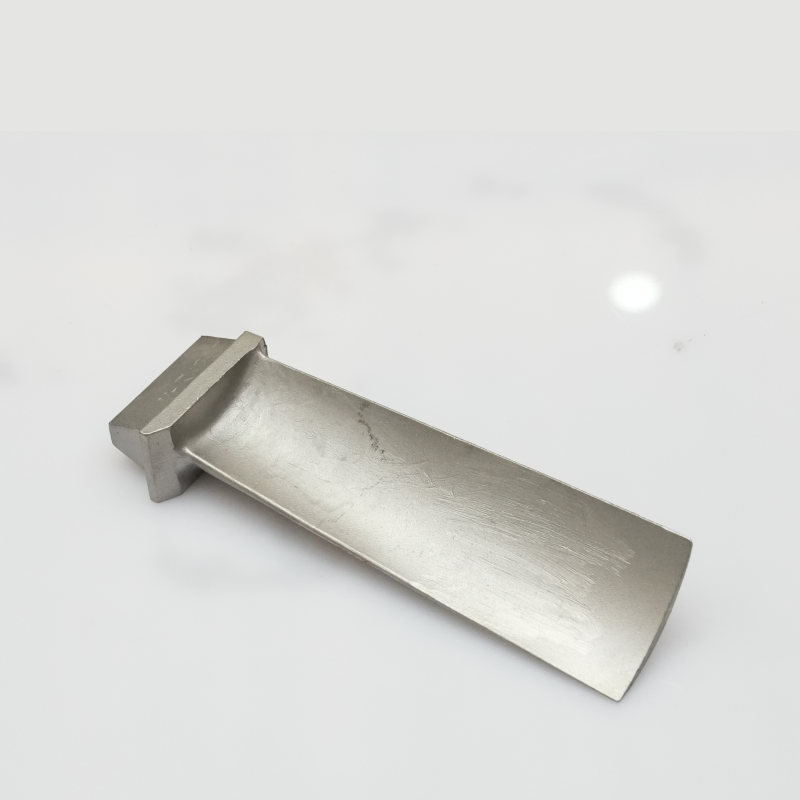
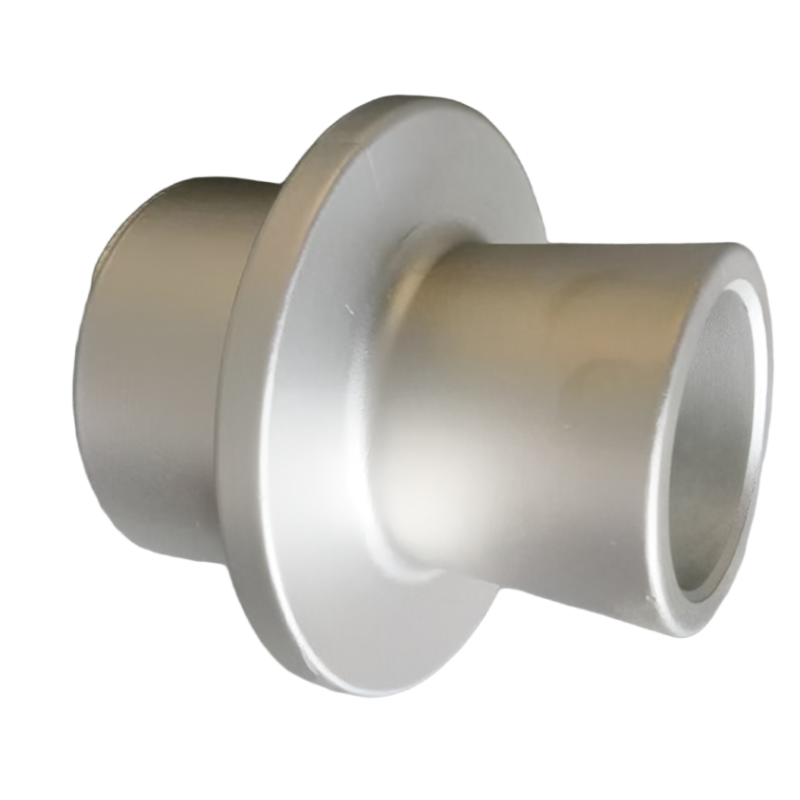
ذوبکارخانه ریختهگری فولاد با دقت بالا
یک ذوبگاه ریختهگری فولاد با دقت بالا، یک واحد تولیدی تخصصی است که اجزای فلزی با کیفیت بالا را از طریق فرآیندهای پیشرفته ریختهگری تولید میکند. این نوع ذوبگاه بر ساخت قطعات پیچیده فولادی با دقت ابعادی استثنایی و پرداخت سطحی عالی تمرکز دارد. ذوبگاه ریختهگری فولاد با دقت بالا از روشهای ریختهگری انتخابی (که به نام ریختهگری شمعی نیز شناخته میشود) برای ساخت اجزایی استفاده میکند که استانداردهای سختگیرانه کیفیت را در صنایع مختلف برآورده میسازند. عملکرد اصلی یک ذوبگاه ریختهگری فولاد با دقت بالا، تبدیل فولاد مذاب به اشکال پیچیدهای است که دستیابی به آنها با روشهای سنتی ماشینکاری دشوار یا غیرممکن خواهد بود. این مراکز کل چرخه تولید را از ایجاد الگوی اولیه تا بازرسی نهایی و تحویل محصول پوشش میدهند. ویژگیهای فناورانه یک ذوبگاه ریختهگری فولاد با دقت بالا شامل کورههای ذوب پیشرفته، محفظههای با اتمسفر کنترلشده و تجهیزات پیشرفته کنترل کیفیت است. ذوبگاههای مدرن از سیستمهای طراحی به کمک کامپیوتر (CAD) برای بهینهسازی هندسه ریختهگری و کاهش ضایعات مواد استفاده میکنند. این فرآیند با ایجاد یک الگوی شمعی که نمونهای دقیق از محصول نهایی مورد نظر است، آغاز میشود. چندین الگوی شمعی روی یک راهانداز مرکزی (اسپرو) نصب میشوند تا ساختاری شبیه به درخت تشکیل دهند. سپس این مجموعه با سوسپانسیون سرامیکی پوشانده شده و اجازه داده میشود تا سفت شود تا قالبی سفت و محکم ایجاد گردد. شمع از داخل این قالب ذوب و خارج میشود و پوسته سرامیکی توخالیای باقی میماند که آماده دریافت فولاد مذاب است. کاربردهای محصولات ذوبگاه ریختهگری فولاد با دقت بالا در بخشهای متعددی از جمله هوافضا، خودروسازی، تولید انرژی، دستگاههای پزشکی و ماشینآلات صنعتی گسترده است. شرکتهای هوافضایی از این ذوبگاهها برای تولید پرههای توربین، اجزای سازهای و قطعات موتور که نیازمند نسبت استحکام به وزن بسیار بالایی هستند، استفاده میکنند. صنعت خودروسازی از قطعات فولادی ریختهگریشده با دقت بالا برای اجزای گیربکس، سیستمهای تعلیق و بلوکهای موتور بهره میبرد. کاربردهای بخش انرژی شامل بدنه شیرها، پوسته پمپها و اتصالات لولهکشی است که باید در برابر فشارها و دماهای شدید مقاومت کنند. تولیدکنندگان دستگاههای پزشکی به قابلیتهای ذوبگاه ریختهگری فولاد با دقت بالا برای ساخت ابزارهای جراحی و اجزای قابل اُرتیم در بدن که دارای خواص زیستسازگار هستند، وابستهاند. ذوبگاه ریختهگری فولاد با دقت بالا به عنوان یک حلقه حیاتی در زنجیرههای تولید مدرن عمل میکند و امکان نوآوری را از طریق توانایی خود در تولید اشکال پیچیده با کیفیت ثابت فراهم میسازد.

 EN
EN