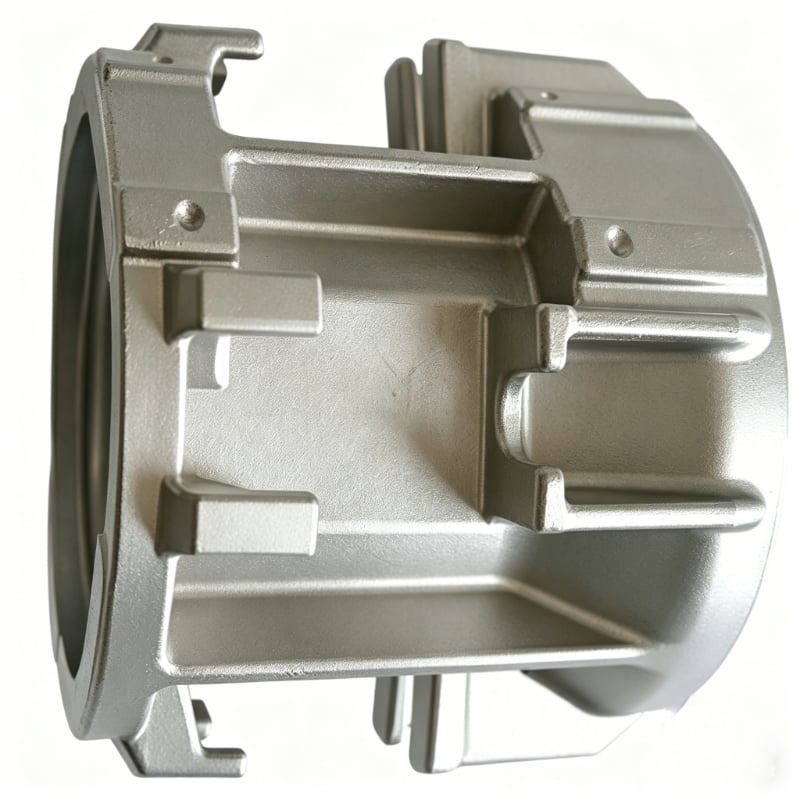
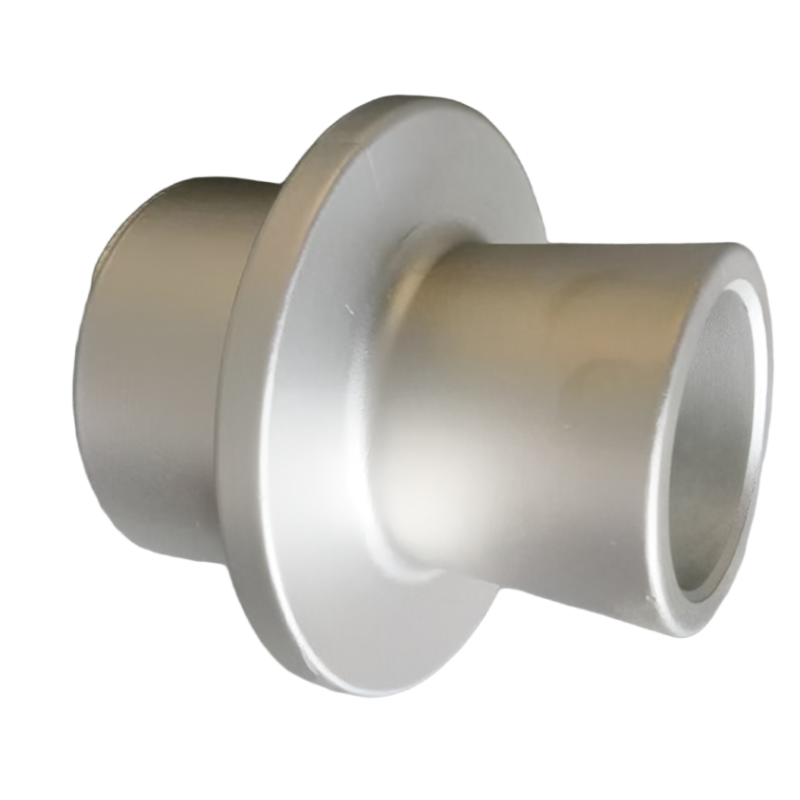
custom steel investment casting
Custom steel investment casting represents a sophisticated manufacturing process that transforms molten steel into precise, complex components through a specialized technique. This method involves creating a wax pattern of the desired part, coating it with ceramic material to form a mold, melting away the wax, and pouring molten steel into the resulting cavity. The process delivers exceptional accuracy and surface finish quality that meets demanding industrial standards. Custom steel investment casting serves multiple functions across diverse sectors, offering manufacturers the ability to produce intricate geometries that would be impossible or economically unfeasible through traditional machining methods. The technological features of this process include dimensional tolerances as tight as plus or minus 0.005 inches, superior surface finishes ranging from 125 to 250 micro-inches, and the capability to cast walls as thin as 0.030 inches. This manufacturing approach accommodates various steel grades, including stainless steel, carbon steel, alloy steel, and tool steel, providing flexibility for different application requirements. Industries rely on custom steel investment casting for producing components in aerospace, automotive, medical devices, oil and gas equipment, food processing machinery, and defense applications. The process eliminates the need for extensive secondary machining operations, reducing production time and overall manufacturing costs. Custom steel investment casting excels at creating parts with complex internal passages, undercuts, and intricate external features that maintain structural integrity under extreme conditions. The technology supports both prototype development and high-volume production runs, making it suitable for companies at various stages of product development. This versatile manufacturing solution enables designers to optimize part performance by consolidating multiple components into single castings, reducing assembly requirements and potential failure points while improving overall product reliability and longevity in demanding operational environments.

 EN
EN