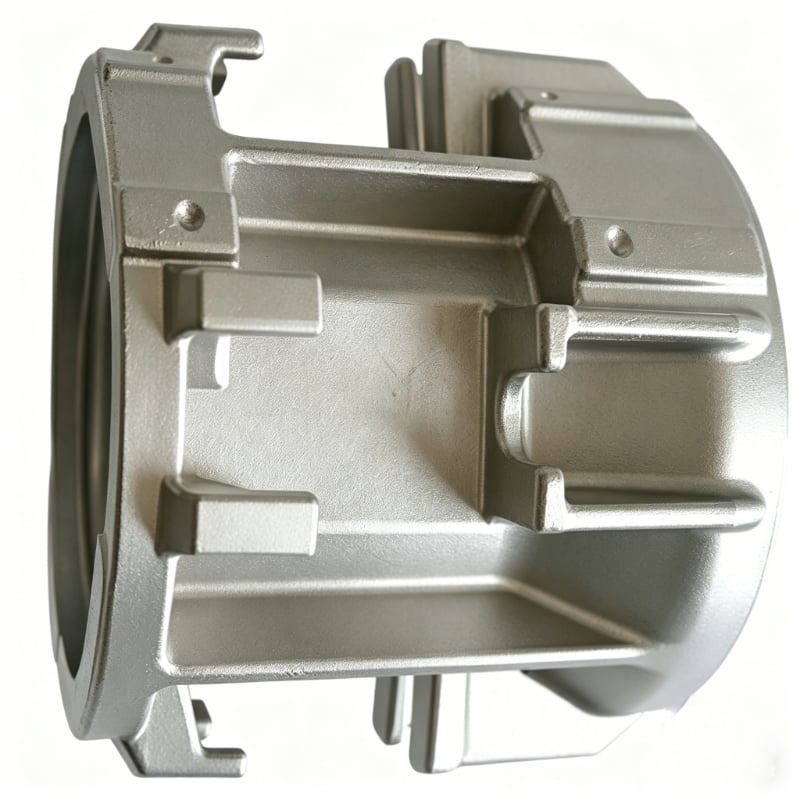
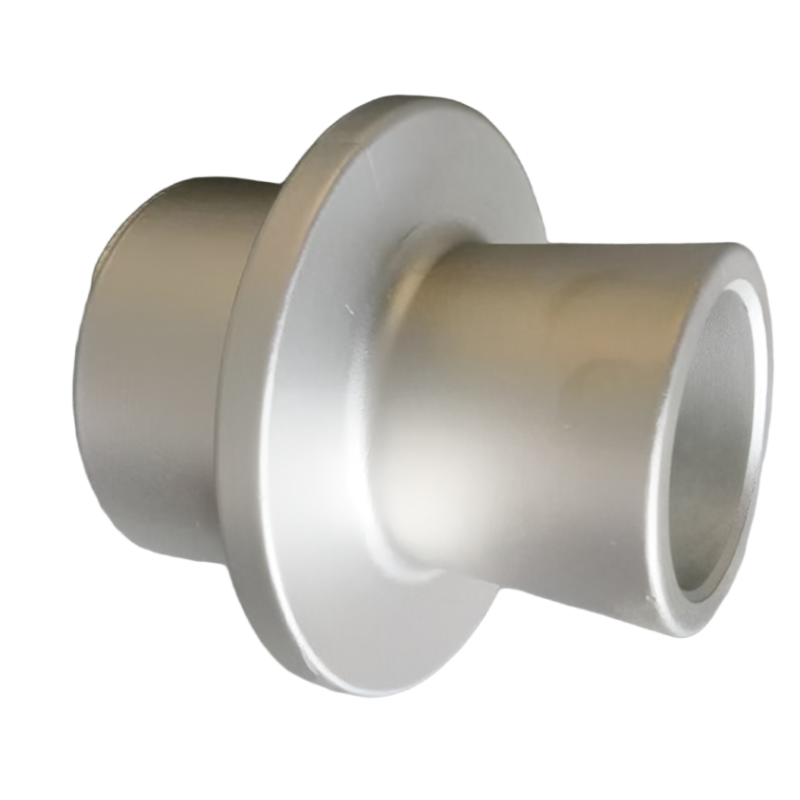
προσαρμοστική χύτευση χάλυβα με επένδυση
Η προσαρμοστική χυτοσίδηρος με τη μέθοδο της επενδυμένης χύτευσης αποτελεί μια προχωρημένη διαδικασία κατασκευής που μετατρέπει λιωμένο χάλυβα σε ακριβή, πολύπλοκα εξαρτήματα μέσω μιας ειδικής τεχνικής. Αυτή η μέθοδος περιλαμβάνει τη δημιουργία ενός κεριού προτύπου του επιθυμητού εξαρτήματος, την επίστρωσή του με κεραμικό υλικό για τη δημιουργία καλουπιού, την απόταξη του κεριού και την έγχυση λιωμένου χάλυβα στο προκύπτον κενό. Η διαδικασία παρέχει εξαιρετική ακρίβεια και ποιότητα επιφάνειας, η οποία ανταποκρίνεται στις απαιτητικές βιομηχανικές προδιαγραφές. Η προσαρμοστική χυτοσίδηρος με τη μέθοδο της επενδυμένης χύτευσης εξυπηρετεί πολλαπλές λειτουργίες σε διάφορους τομείς, προσφέροντας στους κατασκευαστές τη δυνατότητα να παράγουν πολύπλοκες γεωμετρίες που θα ήταν αδύνατον ή οικονομικά ανέφικτο να κατασκευαστούν με παραδοσιακές μηχανικές μεθόδους. Τα τεχνολογικά χαρακτηριστικά αυτής της διαδικασίας περιλαμβάνουν οριακές ανοχές διαστάσεων ως και ±0,005 ίντσες, ανώτερες επιφανειακές αποδόσεις στο εύρος 125–250 μικρο-ίντσες και τη δυνατότητα χύτευσης τοιχωμάτων με πάχος ως και 0,030 ίντσες. Αυτή η προσέγγιση κατασκευής είναι συμβατή με διάφορες κατηγορίες χάλυβα, συμπεριλαμβανομένου του ανοξείδωτου χάλυβα, του άνθρακα χάλυβα, του κράματος χάλυβα και του χάλυβα εργαλείων, προσφέροντας ευελιξία για διαφορετικές απαιτήσεις εφαρμογής. Οι βιομηχανίες βασίζονται στην προσαρμοστική χυτοσίδηρο με τη μέθοδο της επενδυμένης χύτευσης για την παραγωγή εξαρτημάτων στους τομείς της αεροδιαστημικής, της αυτοκινητοβιομηχανίας, των ιατρικών συσκευών, του εξοπλισμού πετρελαίου και φυσικού αερίου, των μηχανημάτων επεξεργασίας τροφίμων και των εφαρμογών άμυνας. Η διαδικασία εξαλείφει την ανάγκη για εκτεταμένες δευτερεύουσες μηχανικές επεξεργασίες, μειώνοντας τον χρόνο παραγωγής και το συνολικό κόστος κατασκευής. Η προσαρμοστική χυτοσίδηρος με τη μέθοδο της επενδυμένης χύτευσης διακρίνεται στη δημιουργία εξαρτημάτων με πολύπλοκες εσωτερικές διαδρομές, υποτομές (undercuts) και περίπλοκα εξωτερικά χαρακτηριστικά, τα οποία διατηρούν τη δομική τους ακεραιότητα υπό ακραίες συνθήκες. Η τεχνολογία υποστηρίζει τόσο την ανάπτυξη πρωτοτύπων όσο και τις παραγωγές μεγάλης κλίμακας, καθιστώντας την κατάλληλη για επιχειρήσεις σε διάφορα στάδια ανάπτυξης προϊόντων. Αυτή η ευέλικτη λύση κατασκευής επιτρέπει στους σχεδιαστές να βελτιστοποιούν την απόδοση των εξαρτημάτων συγχωνεύοντας πολλαπλά συστατικά σε μία ενιαία χύτευση, μειώνοντας τις απαιτήσεις συναρμολόγησης και τα δυνητικά σημεία αστοχίας, ενώ βελτιώνει τη συνολική αξιοπιστία και διάρκεια ζωής του προϊόντος σε απαιτητικά περιβάλλοντα λειτουργίας.

 EN
EN