Custom Steel Investment Casting Services - Precision Metal Components Manufacturing

Get a Free Quote

Our representative will contact you soon.
Email
Name
Company Name
Message
0/1000

custom steel investment casting

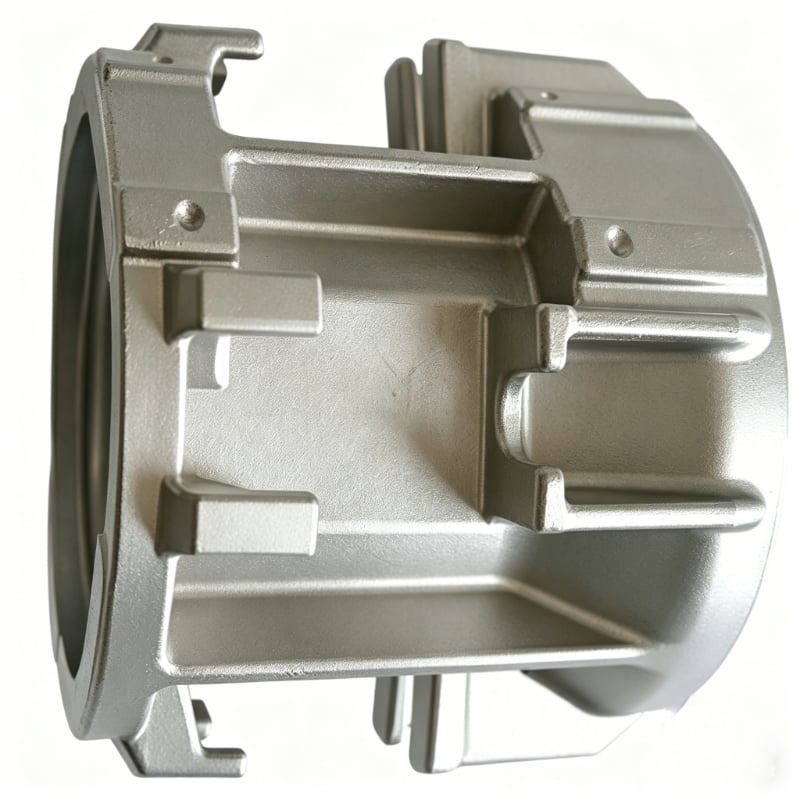
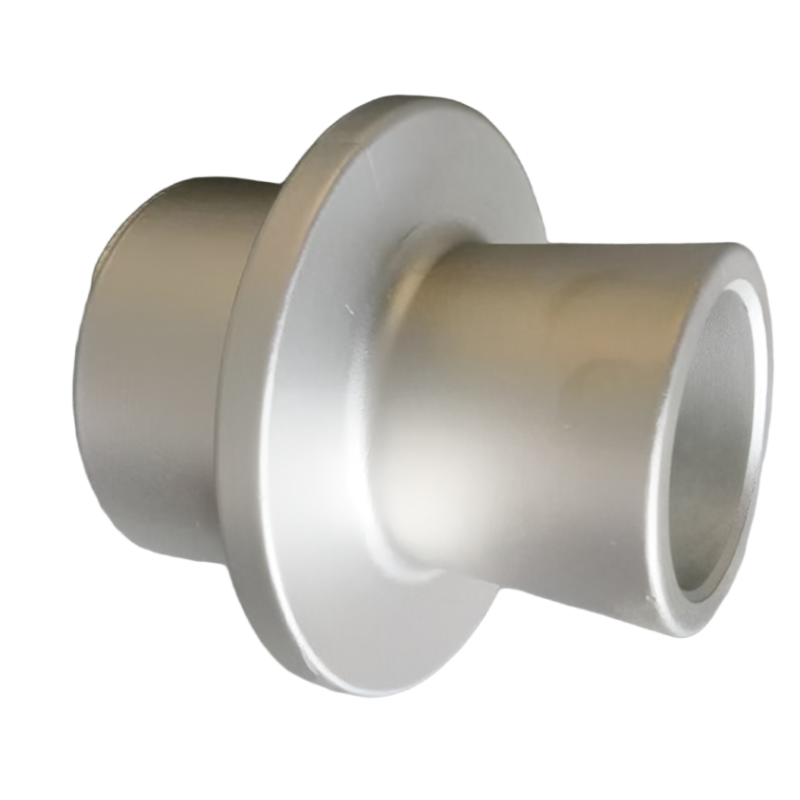
Custom steel investment casting represents a sophisticated manufacturing process that transforms molten steel into precise, complex metal components through a technique refined over centuries. This advanced metalworking method begins with creating a detailed wax pattern that exactly replicates the desired final product. Manufacturers coat this pattern with ceramic material in multiple layers, building a robust shell mold. Once the ceramic hardens, the wax melts away, leaving a hollow cavity that perfectly mirrors the intended component. Molten steel pours into this cavity, filling every intricate detail before cooling and solidifying. The ceramic shell breaks away to reveal the finished steel part. Custom steel investment casting excels at producing components with exceptional dimensional accuracy, intricate geometries, and smooth surface finishes that often require minimal post-processing. This process accommodates virtually any steel alloy, including stainless steel, carbon steel, alloy steel, and specialized grades designed for extreme environments. Industries rely on this manufacturing technique when components demand both structural integrity and precise specifications. The process eliminates many limitations associated with traditional machining or fabrication methods, enabling designers to incorporate complex internal passages, undercuts, thin walls, and detailed surface textures directly into cast parts. Custom steel investment casting serves applications ranging from aerospace turbine blades to medical surgical instruments, from automotive transmission components to industrial valve bodies. The ability to produce near-net-shape parts reduces material waste significantly while maintaining tight tolerances typically within 0.005 inches. This precision manufacturing approach supports both prototype development and high-volume production runs, offering flexibility that adapts to varying project requirements. Modern foundries combine traditional craftsmanship with cutting-edge technology, employing computer simulations to optimize mold design and prevent defects before production begins. The result delivers components that meet stringent quality standards while reducing overall manufacturing costs and lead times compared to alternative fabrication methods.

Popular Products

Choosing custom steel investment casting provides manufacturers and product designers with remarkable benefits that directly impact project success and bottom-line performance. This process delivers exceptional design freedom, allowing engineers to create components with complex geometries that would prove impossible or prohibitively expensive using conventional machining techniques. Intricate internal channels, variable wall thicknesses, and compound angles emerge from the mold exactly as designed, eliminating multiple assembly steps and reducing potential failure points. The superior surface finish achieved through this method often eliminates secondary operations like grinding or polishing, saving both time and money while accelerating time-to-market. Parts emerge from the casting process with surface roughness measurements comparable to machined components, ready for immediate use or requiring only minimal finishing. Material efficiency stands as another compelling advantage, since the near-net-shape capability means less raw material consumption and reduced machining waste. This translates to lower material costs and environmental benefits through decreased scrap generation. The process accommodates an extensive range of steel grades, empowering designers to select materials based purely on performance requirements rather than manufacturing limitations. Whether projects demand corrosion resistance, high-temperature stability, magnetic properties, or exceptional strength-to-weight ratios, appropriate steel alloys integrate seamlessly into the investment casting workflow. Dimensional accuracy remains consistent across production runs, ensuring interchangeable parts that maintain tight tolerances without extensive quality control interventions. This reliability proves invaluable for applications where component fit and function are critical to system performance. Cost advantages become particularly evident in medium to high production volumes, where tooling investments amortize across multiple units, and the elimination of secondary operations compounds savings. Even for smaller quantities, the ability to produce complex parts as single pieces rather than assembled components often justifies the investment. Lead times compress significantly compared to fabrication methods requiring multiple operations, different machines, and various specialists. A single foundry partner manages the entire process from pattern creation through final inspection, streamlining communication and reducing coordination challenges. Quality control integrates throughout production rather than occurring only at final inspection, catching potential issues early when corrections cost less. The mechanical properties of cast steel components often exceed those of fabricated or welded assemblies because the material structure remains homogeneous without heat-affected zones or stress concentrations from joining processes. Testing and certification become straightforward since the entire component consists of verified base material without concerns about weld integrity or bond strength between dissimilar materials.

Tips And Tricks

Basic Principles Of Design Of Precision Casting Gating System

11

May

Basic Principles Of Design Of Precision Casting Gating System

View More
The Role Of Elements In Castings And The Order Of Addition

11

May

The Role Of Elements In Castings And The Order Of Addition

View More
Stainless Steel Castings for Architectural Posts

11

May

Stainless Steel Castings for Architectural Posts

View More
Stainless Steel Castings for Building Facade Systems

11

May

Stainless Steel Castings for Building Facade Systems

View More

Get a Free Quote

Our representative will contact you soon.
Email
Name
Company Name
Message
0/1000

custom steel investment casting

Unmatched Precision for Complex Component Geometries

Unmatched Precision for Complex Component Geometries

Custom steel investment casting stands apart from other manufacturing methods through its extraordinary ability to reproduce intricate geometries with precision that consistently amazes engineers and designers. This capability stems from the fundamental process mechanics where liquid steel flows into every microscopic detail of the ceramic mold cavity, capturing features as fine as raised lettering, logos, or identification marks directly on the component surface. Unlike machining operations that struggle with internal cavities or undercut features, investment casting creates these elements naturally as part of the initial pour. Complex components that traditionally required assembly from multiple machined parts transform into single monolithic castings, eliminating fasteners, welds, and potential failure points while simultaneously reducing weight and manufacturing complexity. The process routinely holds tolerances within plus or minus 0.005 inches on critical dimensions, rivaling the precision of CNC machining but without the extensive setup time, tool wear concerns, or geometric limitations inherent to subtractive manufacturing. Thin-walled sections coexist alongside heavy reinforced areas within the same casting, optimizing material distribution for strength and weight considerations impossible to achieve through other methods. Internal passages for fluid flow, cooling channels, or weight reduction emerge fully formed inside solid sections, creating functionality that would require expensive electrical discharge machining or leave-in tooling with alternative approaches. The dimensional stability throughout production runs ensures that first articles and ten-thousandth pieces maintain identical specifications, supporting interchangeable assembly without sorting, fitting, or adjustment. This consistency proves especially valuable in industries like aerospace and medical devices where regulatory compliance demands documented repeatability and traceability. Surface finish quality directly from the mold typically measures between 125 and 250 microinches, smooth enough for many applications without secondary finishing operations. When combined with the geometric accuracy, this surface quality enables components to function immediately after minimal processing, accelerating production schedules and reducing handling that might introduce defects or contamination. Design engineers appreciate the freedom to incorporate aesthetic elements, functional features, and structural requirements into unified components rather than compromising designs to accommodate manufacturing limitations.
Superior Material Properties and Alloy Versatility

Superior Material Properties and Alloy Versatility

The material science advantages inherent in custom steel investment casting deliver performance characteristics that directly address demanding application requirements across diverse industries. Steel castings produced through this process exhibit homogeneous grain structures throughout the component, creating uniform mechanical properties without the directional weaknesses or anisotropic behavior common in wrought or forged materials. This metallurgical consistency means tensile strength, impact resistance, and fatigue performance remain predictable regardless of loading direction or stress orientation. The casting process accommodates virtually every steel alloy specification, from basic carbon steels for general applications through exotic stainless grades designed for chemical resistance, high-temperature stability, or specialized magnetic properties. Precipitation-hardening stainless steels, duplex alloys, and tool steel compositions all flow successfully into investment casting molds, giving designers access to materials selected purely for performance optimization rather than manufacturing convenience. Heat treatment integrations naturally into the production workflow, with components receiving solution annealing, aging, hardening, or tempering to achieve precise mechanical properties tailored to application demands. The as-cast microstructure responds predictably to thermal processing, delivering certified properties that meet stringent specifications for critical applications. Corrosion resistance becomes inherent to the base material chemistry rather than relying on coatings or surface treatments that might wear, chip, or delaminate during service. Components destined for marine environments, chemical processing, or food production benefit from stainless steel investment castings that resist degradation throughout their service life without protective maintenance. High-temperature applications leverage cast steel alloys engineered to retain strength, resist oxidation, and maintain dimensional stability when exposed to extreme thermal conditions that would degrade lesser materials. The solidification process itself contributes to material performance, as controlled cooling rates and directional solidification techniques minimize porosity, segregation, and internal defects that could compromise structural integrity. Non-destructive testing methods including radiography, ultrasonic inspection, and magnetic particle examination verify internal soundness, providing documented assurance of material quality that satisfies critical application requirements. Mechanical property testing on sample coupons cast alongside production components confirms that each batch meets specified minimums for tensile strength, yield strength, elongation, and impact resistance, supporting quality certifications and traceability documentation required by regulated industries.
Economic Efficiency Through Streamlined Manufacturing

Economic Efficiency Through Streamlined Manufacturing

Custom steel investment casting transforms manufacturing economics by consolidating multiple operations into a single streamlined process that reduces costs, shortens lead times, and minimizes quality risks associated with complex production workflows. Traditional manufacturing approaches for intricate steel components often require extensive machining from solid bar stock, wasting up to eighty percent of expensive raw material as chips and scrap while consuming significant machine time and wearing costly cutting tools. Investment casting produces near-net-shape components that require only minimal finish machining on critical surfaces, dramatically reducing material consumption and machining hours. This material efficiency translates directly to cost savings, especially when working with expensive alloy grades where every pound of scrap represents substantial expense. The elimination of multiple setup operations, tool changes, and work-holding fixtures simplifies production planning and reduces opportunities for dimensional errors or misalignment between machining operations. Components emerge from the casting process with all features present and properly related to each other, ensuring geometric relationships that might drift during sequential machining remain locked in place. Labor costs decrease proportionally since skilled machinists spend time refining rather than creating features, and inspection activities focus on verifying dimensions rather than correcting accumulated tolerances from multiple operations. Production scalability becomes straightforward as volume requirements change, with mold creation representing the primary variable cost that amortizes rapidly across production quantities. Prototype development benefits from rapid pattern creation using modern 3D printing technologies that produce investment-quality patterns in days rather than weeks, enabling design validation and functional testing before committing to production tooling. Engineering changes incorporate easily through pattern modifications rather than requiring reprogramming of machine tool paths, requalifying setups, or scrapping partially completed workpieces. Supply chain simplification emerges as a significant advantage when a single casting supplier replaces multiple vendors providing raw materials, machining services, welding operations, and finishing treatments. This consolidation reduces coordination overhead, minimizes shipping and handling costs, and creates clear accountability for component quality and delivery performance. Inventory management becomes more efficient since near-net-shape castings occupy less warehouse space than oversized rough stock awaiting machining, and the reduced processing time shortens cash-to-cash cycles by getting finished components to customers faster.

Get a Free Quote

Our representative will contact you soon.
Email
Name
Company Name
Message
0/1000