High Precision Steel Casting Parts - Superior Quality Components for Industrial Applications

Get a Free Quote

Our representative will contact you soon.
Email
Name
Company Name
Message
0/1000

high precision steel casting parts

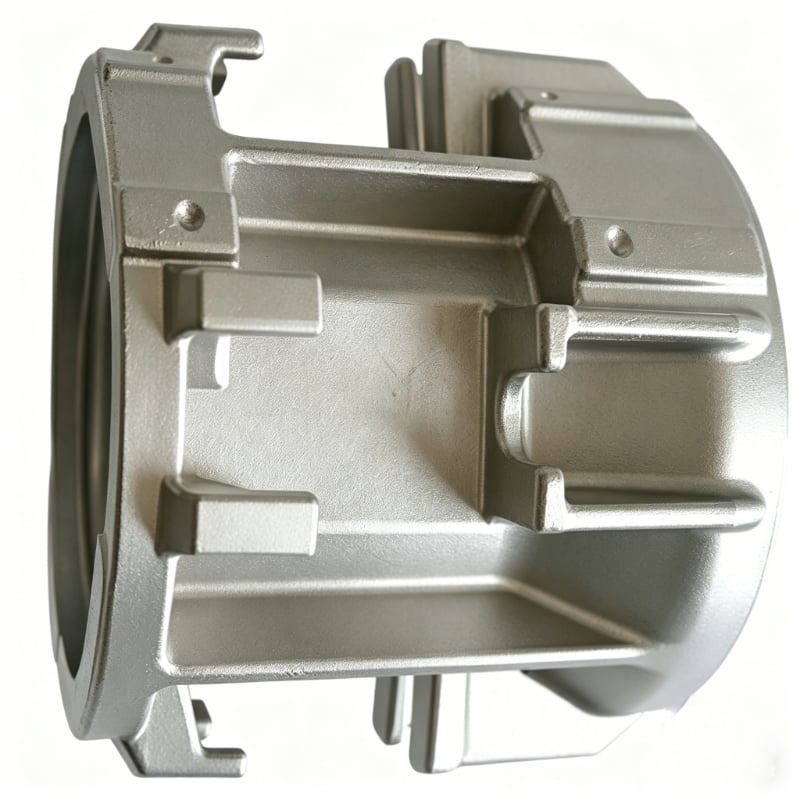
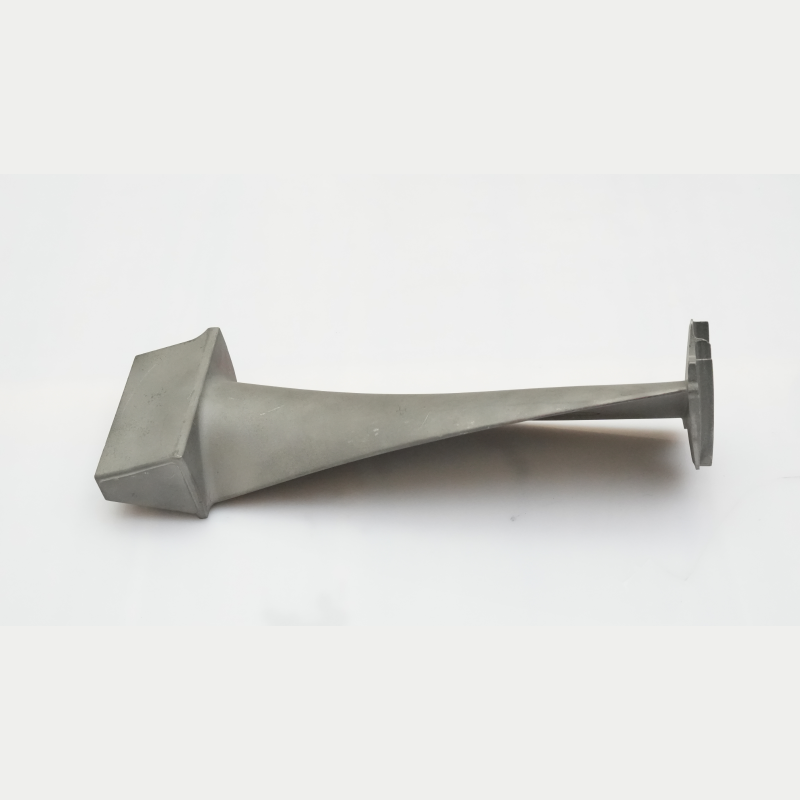
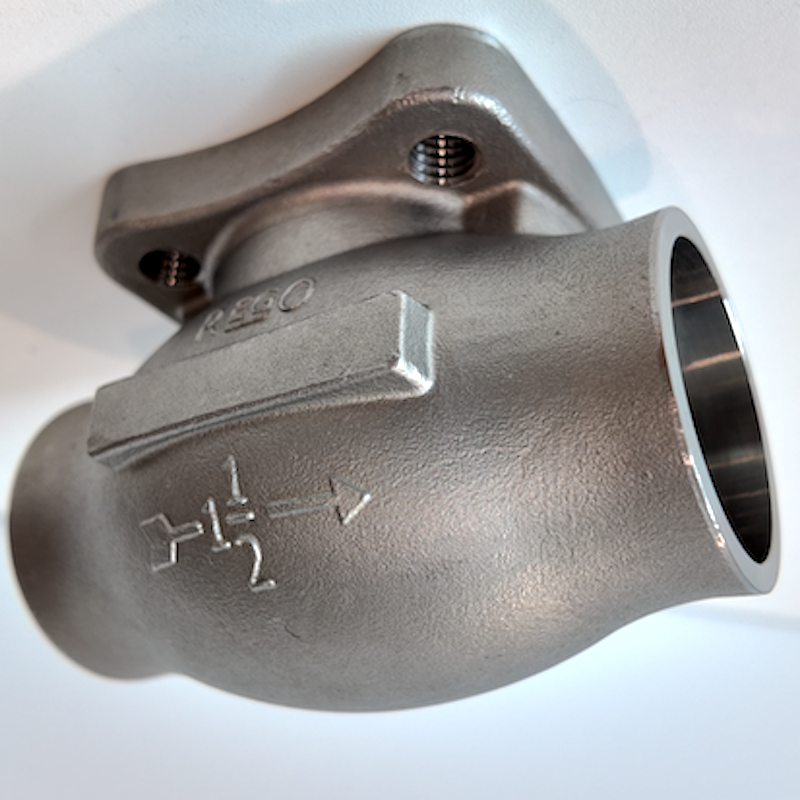
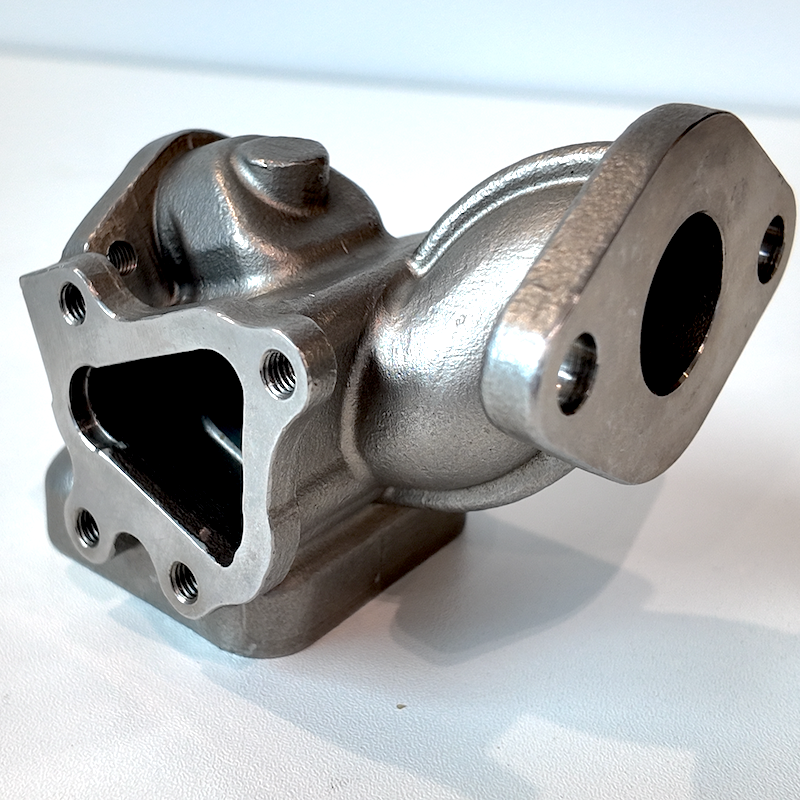
High precision steel casting parts represent a cornerstone of modern manufacturing, delivering exceptional accuracy and reliability across diverse industrial sectors. These components are produced through advanced casting processes that combine metallurgical expertise with cutting-edge technology to create steel parts with tolerances measured in microns. The main function of high precision steel casting parts is to provide durable, dimensionally accurate components that meet stringent engineering specifications while maintaining structural integrity under demanding operational conditions. These parts serve as critical elements in machinery, automotive systems, aerospace applications, and industrial equipment where performance cannot be compromised. The technological features of high precision steel casting parts include superior dimensional accuracy achieved through investment casting, lost wax casting, or other precision methods that minimize machining requirements. Advanced mold-making techniques ensure that intricate geometries, complex internal passages, and fine surface details are replicated with remarkable fidelity. The metallurgical properties of these steel castings are carefully controlled through precise alloy selection, heat treatment protocols, and quality assurance testing. This results in parts that exhibit excellent mechanical properties including high tensile strength, wear resistance, and the ability to withstand extreme temperatures or corrosive environments. Applications for high precision steel casting parts span numerous industries: automotive manufacturers utilize them for transmission components, engine parts, and suspension systems; aerospace companies depend on them for turbine blades, structural brackets, and flight-critical hardware; medical device producers incorporate them into surgical instruments and implantable devices; energy sector operations employ them in valve bodies, pump housings, and pipeline fittings. The versatility of high precision steel casting parts makes them indispensable in situations where traditional manufacturing methods cannot achieve the required complexity, accuracy, or material properties, offering engineers and designers unprecedented freedom in component optimization and performance enhancement.

Popular Products

Choosing high precision steel casting parts for your manufacturing needs delivers tangible benefits that directly impact your bottom line and product quality. First, these components significantly reduce your production costs by minimizing the amount of secondary machining required. Traditional manufacturing methods often require extensive cutting, drilling, and finishing operations, but high precision steel casting parts emerge from the mold already close to final dimensions. This means you spend less on machine time, tooling wear, and labor hours, translating into immediate savings on every unit produced. Second, the design flexibility offered by high precision steel casting parts allows you to consolidate multiple components into single, integrated pieces. Instead of assembling several parts with fasteners or welds, you can create complex geometries in one casting operation. This consolidation reduces assembly time, eliminates potential failure points at joints, and decreases overall weight without sacrificing strength. Your engineering teams gain the freedom to optimize designs for performance rather than being constrained by manufacturing limitations. Third, the material efficiency of casting processes means less waste compared to subtractive manufacturing methods. When you machine parts from solid stock, much of the expensive steel ends up as chips and scraps. High precision steel casting parts use only the material needed for the finished component, making your operations more sustainable and reducing raw material expenses. Fourth, these parts deliver consistent quality batch after batch. Once the casting process parameters are established and validated, each subsequent part replicates the same excellent properties. This repeatability ensures your products maintain uniform performance standards, reducing warranty claims and enhancing your brand reputation. Fifth, the mechanical properties of high precision steel casting parts often surpass those of fabricated or welded assemblies. The homogeneous grain structure achieved through proper casting and heat treatment creates parts that handle stress more effectively, resist fatigue better, and last longer in service. This durability means your customers experience fewer breakdowns, lower maintenance costs, and extended equipment lifespans. Finally, lead times for high precision steel casting parts can be shorter than alternative methods, especially for complex shapes. Once tooling is created, production can scale efficiently to meet demand fluctuations. This responsiveness helps you maintain inventory at optimal levels, react quickly to market opportunities, and satisfy customer delivery requirements without maintaining excessive stock levels that tie up capital.

Tips And Tricks

Basic Principles Of Design Of Precision Casting Gating System

11

May

Basic Principles Of Design Of Precision Casting Gating System

View More
The Role Of Elements In Castings And The Order Of Addition

11

May

The Role Of Elements In Castings And The Order Of Addition

View More
Stainless Steel Castings for Building Facade Systems

11

May

Stainless Steel Castings for Building Facade Systems

View More
Precision Stainless Steel Exhaust Manifold Casting Solution For Luxury Sedan - With Japanese First-Tier Car Brand

11

May

Precision Stainless Steel Exhaust Manifold Casting Solution For Luxury Sedan - With Japanese First-Tier Car Brand

View More

Get a Free Quote

Our representative will contact you soon.
Email
Name
Company Name
Message
0/1000

high precision steel casting parts

Exceptional Dimensional Accuracy for Critical Applications

Exceptional Dimensional Accuracy for Critical Applications

High precision steel casting parts stand out in the manufacturing landscape because they achieve dimensional tolerances that rival or exceed machined components, often reaching accuracies within plus or minus 0.005 inches or better depending on size and complexity. This exceptional precision stems from advanced mold-making technologies and process controls that have evolved significantly over recent decades. When you specify high precision steel casting parts for your projects, you gain components that fit properly the first time, eliminating costly rework and assembly problems that plague less accurate manufacturing methods. The dimensional stability of these parts remains consistent throughout production runs because the casting process, once optimized, replicates results with remarkable fidelity. This consistency proves especially valuable in applications where interchangeability matters, such as replacement parts for existing equipment or components used in high-volume assembly operations. Engineers appreciate how high precision steel casting parts maintain tight tolerances even in areas that would be difficult or impossible to reach with cutting tools, such as internal cavities, undercuts, or intricate surface textures. The precision extends beyond simple linear dimensions to include geometric relationships like perpendicularity, concentricity, and parallelism, ensuring that mating surfaces align correctly and moving parts operate smoothly without binding or excessive clearances. Quality control systems employed in producing high precision steel casting parts typically include coordinate measuring machines, optical comparators, and statistical process control methods that verify every critical dimension meets specification. This rigorous inspection regime provides documentation and traceability that satisfy quality management systems and regulatory requirements in industries like aerospace, medical devices, and automotive safety components. The economic advantage of dimensional accuracy manifests in reduced scrap rates, fewer customer returns, and lower warranty expenses. When parts fit correctly and function as designed, your entire operation runs more smoothly, from initial assembly through field service and maintenance. The precision of high precision steel casting parts also enables tighter engineering margins, allowing designers to optimize components for weight reduction and material efficiency without compromising safety factors, ultimately delivering products that perform better while costing less to produce and operate.
Superior Material Properties for Demanding Environments

Superior Material Properties for Demanding Environments

High precision steel casting parts deliver exceptional material properties that make them ideal for applications facing extreme mechanical stresses, thermal cycling, corrosive conditions, or combinations of challenging environmental factors. The metallurgical advantages begin with the ability to select from a wide range of steel alloys, each formulated to provide specific characteristics such as high strength-to-weight ratios, excellent wear resistance, superior corrosion protection, or the ability to maintain hardness at elevated temperatures. When molten steel solidifies in a casting mold under controlled conditions, the resulting microstructure can be tailored through alloy chemistry and cooling rates to achieve desired mechanical properties throughout the entire component, not just at the surface. This through-hardening capability distinguishes high precision steel casting parts from surface-treated alternatives that may suffer performance degradation if the protective layer is breached. Heat treatment processes applied to high precision steel casting parts, including annealing, normalizing, quenching, and tempering, further refine the grain structure and mechanical characteristics to meet exacting specifications for tensile strength, yield strength, elongation, and impact resistance. The homogeneous nature of cast steel components means properties remain uniform in all directions, avoiding the directional weaknesses sometimes found in wrought or forged materials where grain flow may create anisotropic behavior. For applications involving wear, high precision steel casting parts can be produced from martensitic stainless steels or tool steel alloys that achieve surface hardness values exceeding 60 HRC while maintaining a tough, resilient core that resists brittle fracture under impact loading. In corrosive environments, austenitic stainless steel castings provide outstanding resistance to chemical attack, stress corrosion cracking, and pitting while retaining excellent mechanical properties across a wide temperature range. The fatigue resistance of properly designed and manufactured high precision steel casting parts often surpasses that of fabricated assemblies because the absence of welds eliminates stress concentrations and potential defect sites that serve as crack initiation points. Engineering data and material certifications accompanying high precision steel casting parts provide the documentation needed for critical applications, including chemical composition analysis, mechanical property testing results, and non-destructive examination reports that verify internal soundness. These material advantages translate into longer service life, reduced maintenance intervals, and greater reliability in applications where failure carries significant consequences, whether measured in safety risks, production downtime, or environmental impact.
Cost-Effective Production for Complex Geometries

Cost-Effective Production for Complex Geometries

High precision steel casting parts excel at producing complex three-dimensional shapes that would be prohibitively expensive or technically impossible to create through alternative manufacturing methods, delivering substantial cost advantages particularly evident in components featuring intricate internal passages, multiple intersecting planes, organic contours, or integrated mounting features. The economic benefits begin during the design phase, where engineers working with high precision steel casting parts enjoy freedom to optimize component geometry for functional performance rather than manufacturing constraints. Features like cooling channels within a structure, weight-reducing pockets in non-stressed areas, or aerodynamic profiles can be incorporated directly into the casting without the tedious and expensive operations required to machine such details from solid stock. This design latitude often enables the consolidation of assemblies comprising multiple machined parts, fasteners, and brackets into single integrated high precision steel casting parts that eliminate numerous operations including cutting individual components, deburring edges, drilling holes, tapping threads, and performing assembly tasks with their associated labor costs and potential for human error. The tooling investment for high precision steel casting parts, while requiring upfront expenditure for pattern equipment and process development, amortizes favorably across production quantities because the same tooling produces thousands of parts with minimal maintenance, unlike cutting tools that wear continuously and require frequent replacement. Production efficiency gains become apparent when comparing cycle times, as high precision steel casting parts can be produced in batches with multiple cavities per mold, effectively multiplying output while foundry equipment operates continuously. Material utilization rates for casting processes typically exceed 60-80 percent, meaning the majority of input metal appears in finished components rather than being converted to waste, contrasting sharply with subtractive processes where material removal rates sometimes exceed 70 percent, turning expensive alloy steel into low-value scrap. Secondary operations required for high precision steel casting parts generally involve only light finish machining on critical surfaces, hole drilling for fasteners, and tapping threads where adjustable connections are needed, representing a fraction of the machining time required to produce equivalent components from bar stock or plate. Quality costs decrease when using high precision steel casting parts because the inherent repeatability of the casting process, combined with established process controls and inspection protocols, yields consistent results with predictable defect rates, allowing statistical quality control methods to maintain standards while minimizing inspection burden. The scalability of production using high precision steel casting parts accommodates demand fluctuations more readily than manufacturing methods requiring dedicated machining setups, since foundries can adjust casting schedules and batch sizes with relative ease, helping you manage inventory levels efficiently and respond to market opportunities without excessive capital tied up in work-in-process or finished goods storage.

Get a Free Quote

Our representative will contact you soon.
Email
Name
Company Name
Message
0/1000