شركة مصنعة للصب الاستثماري بالشمع المفقود
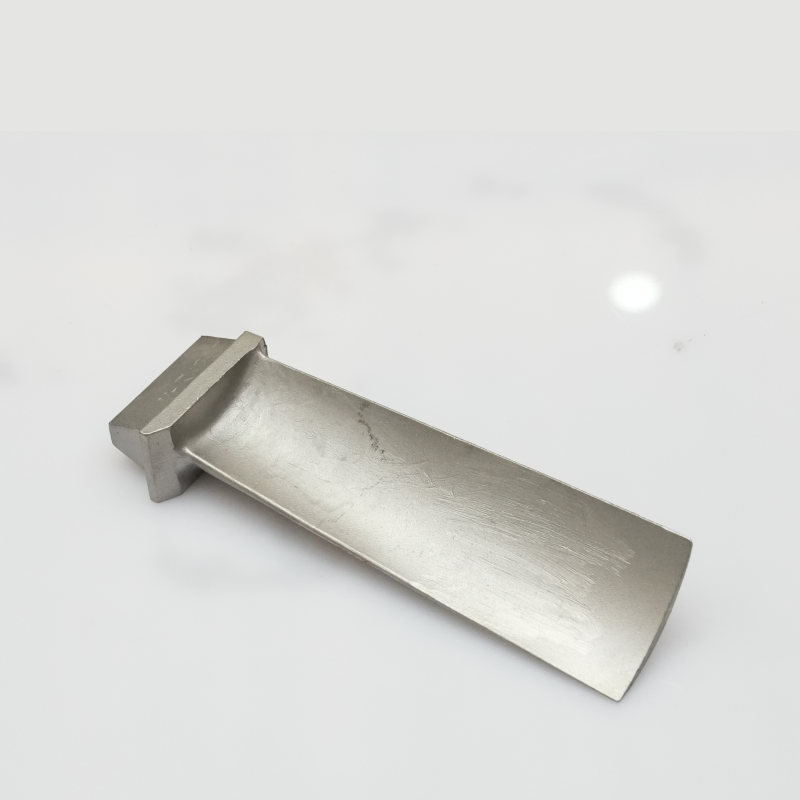
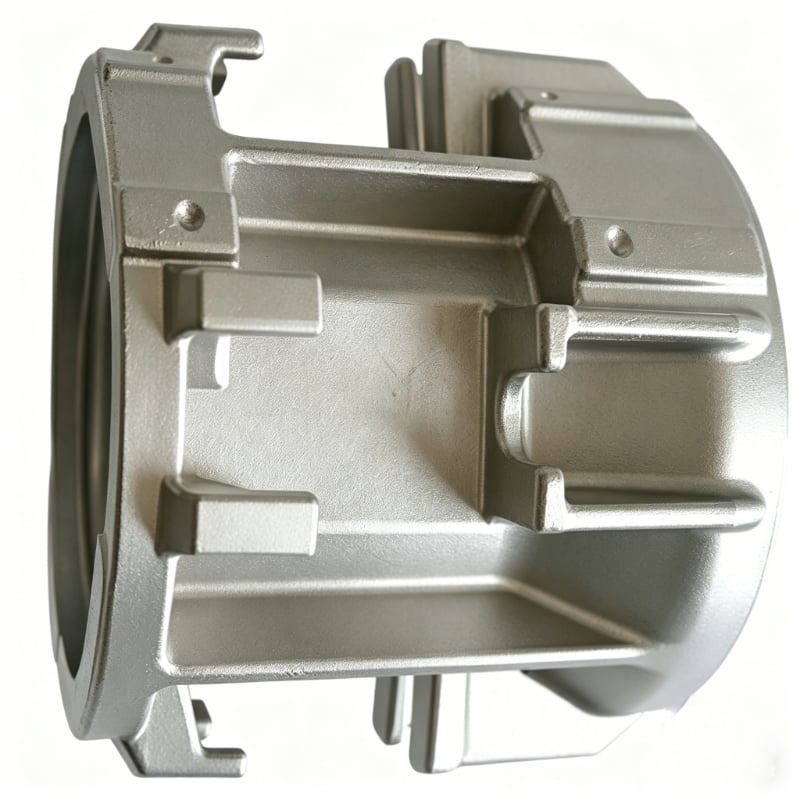
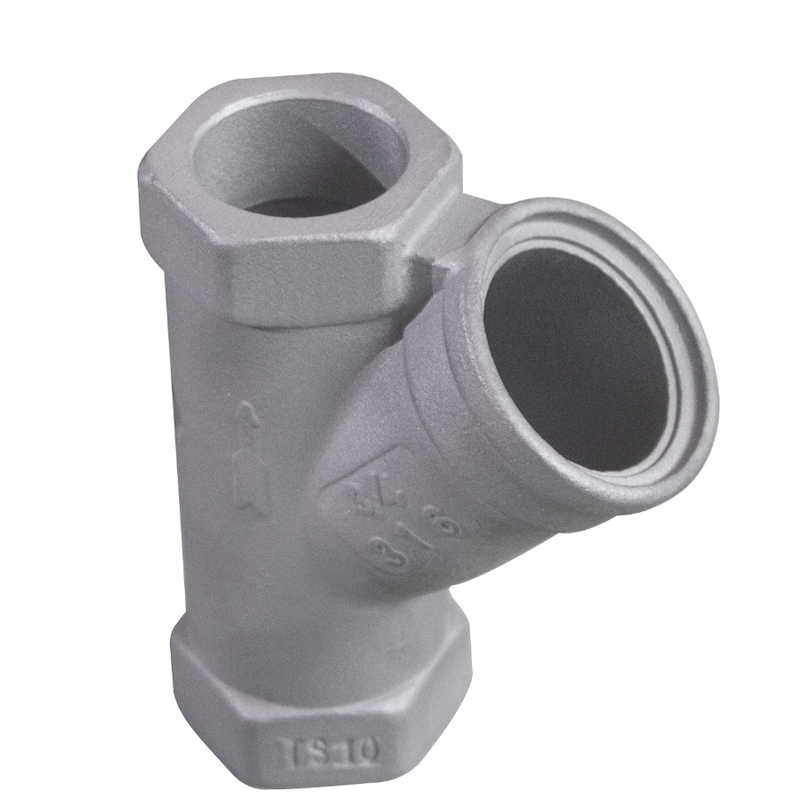
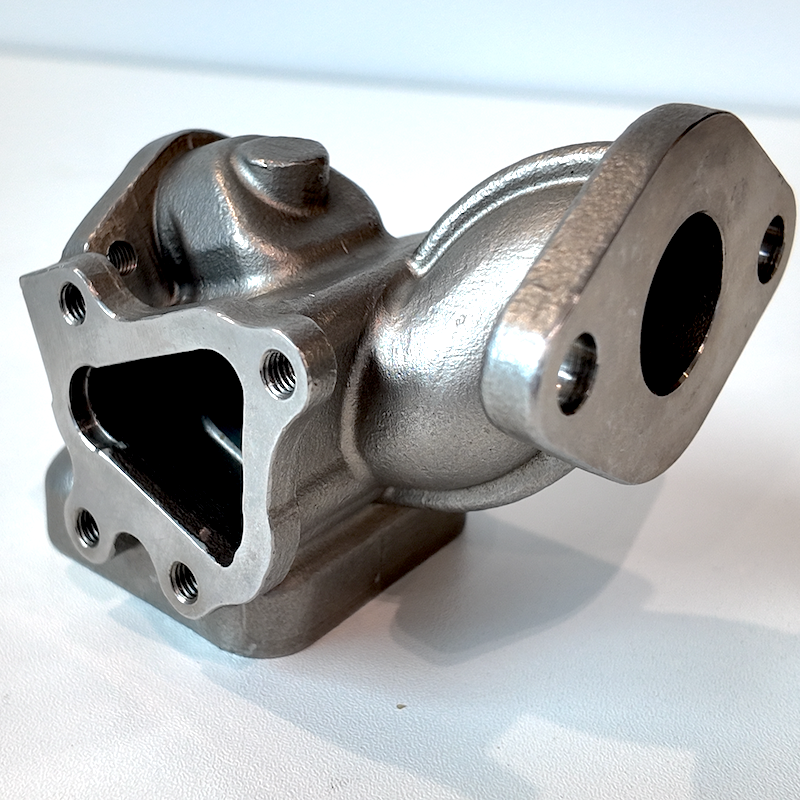
شركة مصنِّعة تستخدم عملية الصب بالشمع المفقود متخصصة في إنتاج مكونات معدنية دقيقة عبر عملية تصنيع قديمة لكنها عالية التطور، وتُحقِّق دقة استثنائية وجودة ممتازة للسطح. وتبدأ هذه التقنية المتطورة بإنشاء نموذج شمعي تفصيلي يُعيد تمثيل المنتج النهائي المطلوب بدقة تامة. ثم يُركَّب النموذج الشمعي على نظام القنوات (البوابات)، ويُغطى بعد ذلك بطبقات متعددة من خليط السيراميك لتشكيل قالب غلاف صلب. وبمجرد أن يتصلّب الغلاف السيراميكي، يُذاب الشمع داخل فرن، تاركًا تجويفًا مجوفًا يطابق تمامًا تصميم المكوِّن المقصود. وبعد ذلك، يُسكب المعدن المنصهر في هذا التجويف في ظروف خاضعة للرقابة بدقة، ليملأ كل التفاصيل الدقيقة للقالب. وبعد التبريد والتصلّب، يُزال الغلاف السيراميكي بالتكسير ليظهر الصب النهائي. ومن الوظائف الأساسية لشركة التصنيع باستخدام عملية الصب بالشمع المفقود: إنتاج أشكال هندسية معقدة يصعب أو يستحيل تحقيقها باستخدام عمليات التشغيل الآلية التقليدية، وتصنيع مكونات ذات تحملات أبعادية ضيقة تتراوح عادةً بين زائد أو ناقص ٠٫٠٠٥ بوصة، وإنتاج أجزاء ذات تشطيب سطحي متفوق غالبًا ما لا تحتاج إلى عمليات معالجة لاحقة سوى الحد الأدنى منها. أما الميزات التكنولوجية التي تميّز الشركات المحترفة في مجال الصب بالشمع المفقود فهي تشمل: التكامل المتقدم مع أنظمة التصميم بمساعدة الحاسوب (CAD) لتطوير النماذج، وأنظمة التحكم الدقيق في درجة الحرارة لضمان اتساق صب المعدن، وتقنيات بناء الغلاف المتطورة التي تضمن تجانس سمك الطبقة المُغطِّية، وبروتوكولات ضمان الجودة التي تتضمّن الفحص البُعدي واختبارات الفحص غير التدميري. وتشمل التطبيقات قطاعات صناعية عديدة حيث تكون الدقة والموثوقية عنصرين جوهريين. فعلى سبيل المثال، تعتمد شركات تصنيع المعدات الجوية على شركات الصب بالشمع المفقود في إنتاج شفرات التوربينات، والأقواس الإنشائية، ومكونات المحركات. كما تستخدم شركات تصنيع الأجهزة الطبية هذه العملية في إنتاج الأدوات الجراحية والأجهزة القابلة للزراعة داخل الجسم. ويحدّد المهندسون في قطاع السيارات الصب بالاستثمار لمكونات نظم نقل الحركة ومكونات المحركات عالية الأداء. وتعتمد مقاولو الدفاع على هذه الشركات في إنتاج مكونات أنظمة الأسلحة والمعدات العسكرية. كما تستخدم شركات إنتاج المعدات الصناعية الصب بالاستثمار في أغلفة المضخات، وأجسام الصمامات، وأجزاء الآلات. ويجعل تنوع المعادن التي يمكن التعامل معها — مثل الفولاذ المقاوم للصدأ، والفولاذ الكربوني، وسبائك الألومنيوم، والتيتانيوم، وكوبالت-كروم، والمعادن النفيسة — من شركة التصنيع باستخدام عملية الصب بالشمع المفقود شريكًا لا غنى عنه في تطوير المنتجات والإنتاج عبر قطاعات متعددة.

 EN
EN