δομικά στοιχεία εξοπλισμού νοσοκομείων
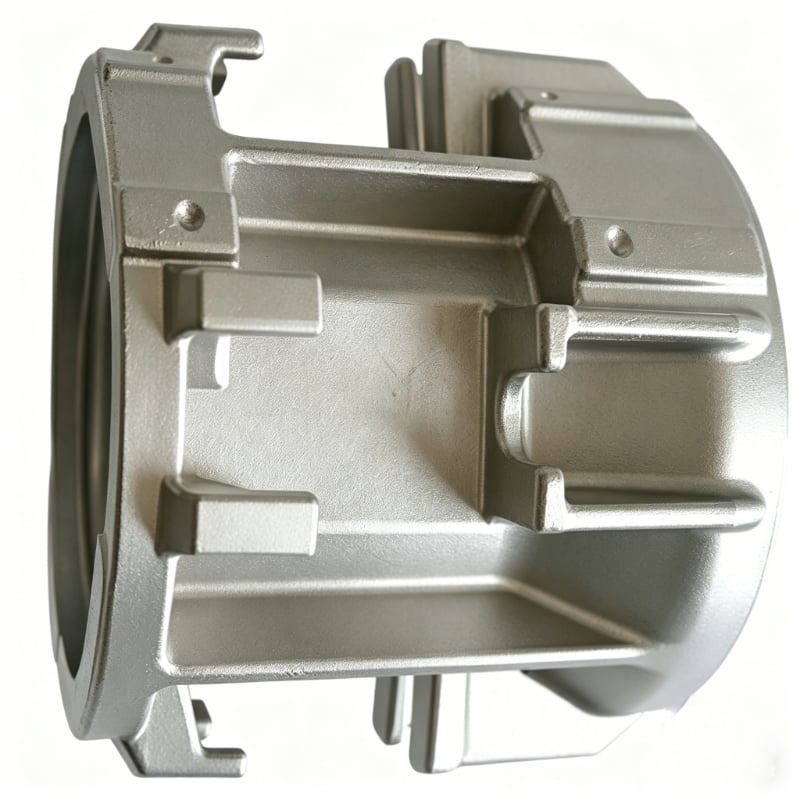
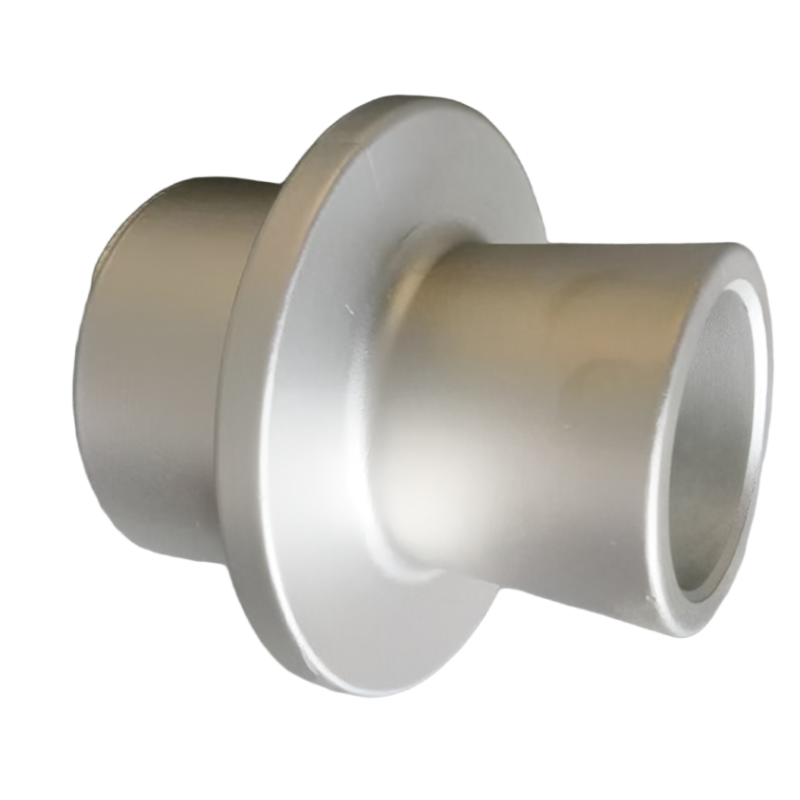
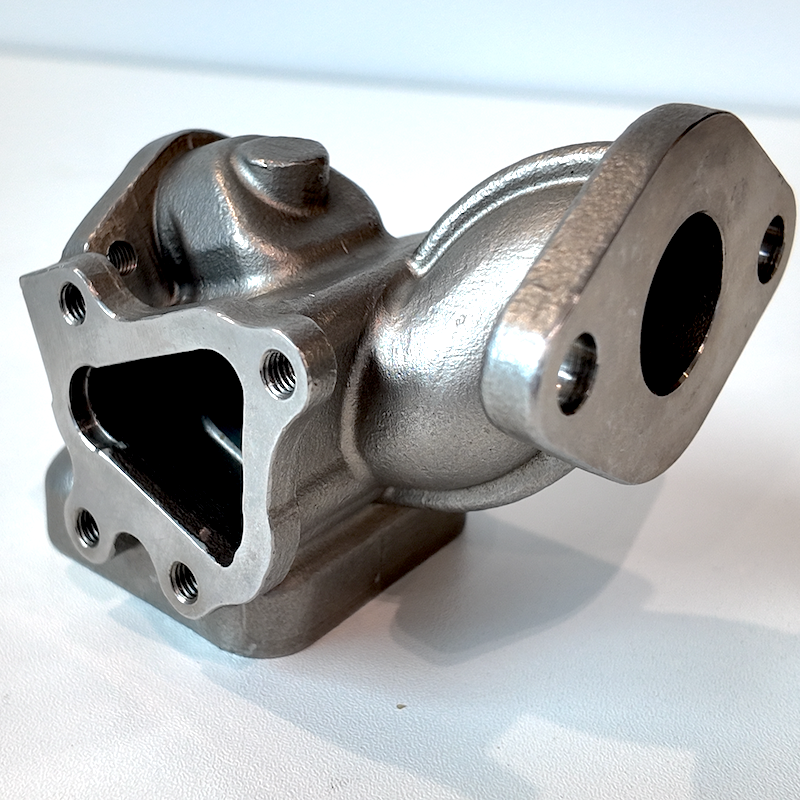
Τα δομικά στοιχεία του εξοπλισμού νοσοκομείων αποτελούν την ουσιαστική ραχοκοκαλιά των σύγχρονων ιατρικών εγκαταστάσεων, λειτουργώντας ως τα θεμελιώδη στοιχεία που υποστηρίζουν, φιλοξενούν και επιτρέπουν την ορθή λειτουργία κρίσιμων υγειονομικών συσκευών και συστημάτων. Αυτά τα ειδικά στοιχεία περιλαμβάνουν μια ευρεία γκάμα μηχανολογικά σχεδιασμένων εξαρτημάτων, όπως πλαίσια, βραχίονες στήριξης, περιβλήματα, συστήματα στερέωσης, δομικές υποστηρίξεις και συναρμολογημένα σασί, τα οποία έχουν σχεδιαστεί ειδικά για να ανταποκρίνονται στις αυστηρές απαιτήσεις των ιατρικών περιβαλλόντων. Οι κύριες λειτουργίες των δομικών στοιχείων του εξοπλισμού νοσοκομείων επικεντρώνονται στην παροχή σταθερών πλατφορμών για ευαίσθητα ιατρικά όργανα, στη διασφάλιση της σωστής στοίχισης και τοποθέτησης του διαγνωστικού εξοπλισμού, στην προστασία ευαίσθητων ηλεκτρονικών συσκευών από περιβαλλοντικούς παράγοντες και στη διευκόλυνση της ασφαλούς ενσωμάτωσης διαφόρων ιατρικών συσκευών στις κλινικές ροές εργασίας. Τεχνολογικά, αυτά τα στοιχεία ενσωματώνουν προηγμένα υλικά, όπως ανοξείδωτο χάλυβα ιατρικής χρήσης, αντιμικροβιακά επιστρώματα, ελαφριά κράματα αλουμινίου και ειδικά πολυμερή που αντιστέκονται στη διάβρωση, αντέχουν επαναλαμβανόμενους κύκλους αποστείρωσης και διατηρούν τη δομική τους ακεραιότητα κατά τη συνεχή χρήση. Η μηχανική σχεδίαση των δομικών στοιχείων του εξοπλισμού νοσοκομείων δίνει ιδιαίτερη έμφαση στην ακριβή κατασκευή, στη διαστασιακή ακρίβεια, στην ικανότητα αντοχής σε φορτία, στην απόσβεση ταλαντώσεων και στη συμμόρφωση με διεθνή πρότυπα ιατρικών συσκευών, όπως το ISO 13485 και τις ρυθμίσεις της FDA. Οι εφαρμογές τους εκτείνονται σε πολλούς τομείς της υγειονομικής περίθαλψης, συμπεριλαμβανομένων των χειρουργικών αιθουσών, όπου τα δομικά στοιχεία υποστηρίζουν συστήματα ρομποτικής χειρουργικής και εξοπλισμό απεικόνισης, των μονάδων εντατικής θεραπείας, όπου επιτρέπουν τα συστήματα παρακολούθησης ασθενών και τη στερέωση των αναπνευστήρων, των διαγνωστικών εργαστηρίων, όπου παρέχουν σταθερές πλατφόρμες για αναλυτικά όργανα, και των θεραπευτικών τμημάτων, όπου διευκολύνουν τον εξοπλισμό ακτινοθεραπείας και τις συσκευές αποκατάστασης. Η ευελιξία των δομικών στοιχείων του εξοπλισμού νοσοκομείων εκτείνεται σε κινητά ιατρικά καρότσια, ρυθμιζόμενες εξεταστικές λέκανες, σταθμούς ιατρικών συσκευών, ράφια εξοπλισμού και μοντάρισμα εξαρτημάτων, τα οποία προσαρμόζονται στις εξελισσόμενες κλινικές ανάγκες. Καθώς η υγειονομική τεχνολογία προχωρά, αυτά τα δομικά στοιχεία ενσωματώνουν ολοένα και περισσότερο «έξυπνα» χαρακτηριστικά, όπως συστήματα διαχείρισης καλωδίων, ρυθμιζόμενες διαμορφώσεις, μηχανισμούς γρήγορης αποσύνδεσης και εργονομικούς σχεδιασμούς, τα οποία βελτιώνουν την κλινική απόδοση και την ασφάλεια των ασθενών.

 EN
EN