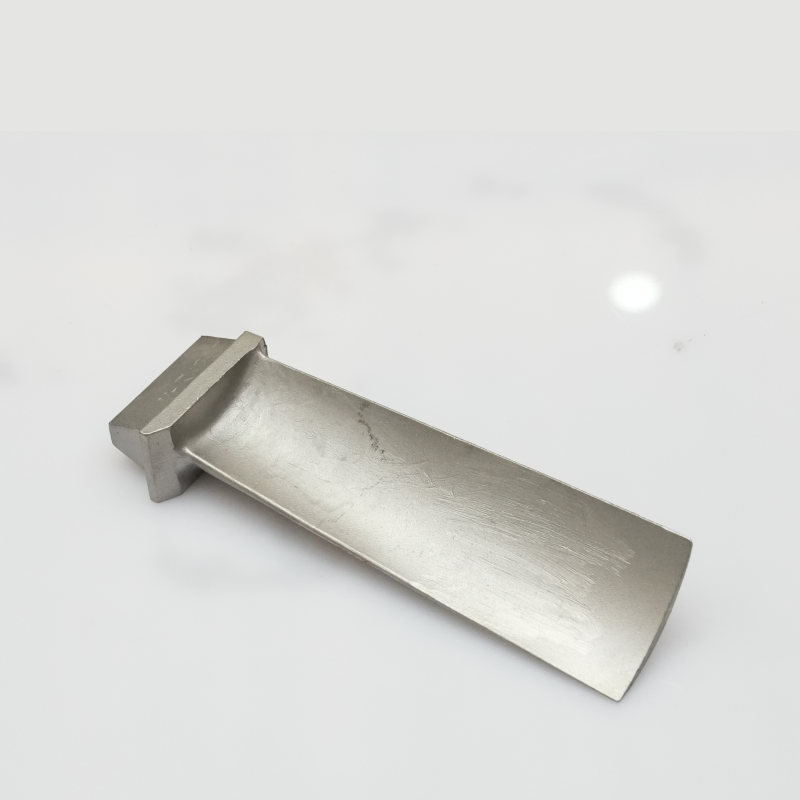
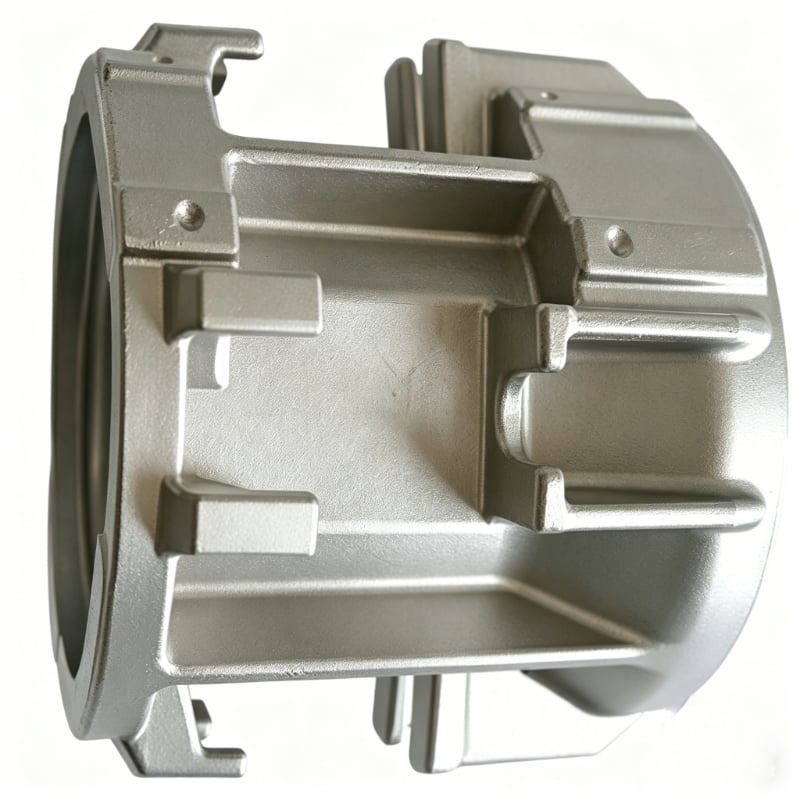
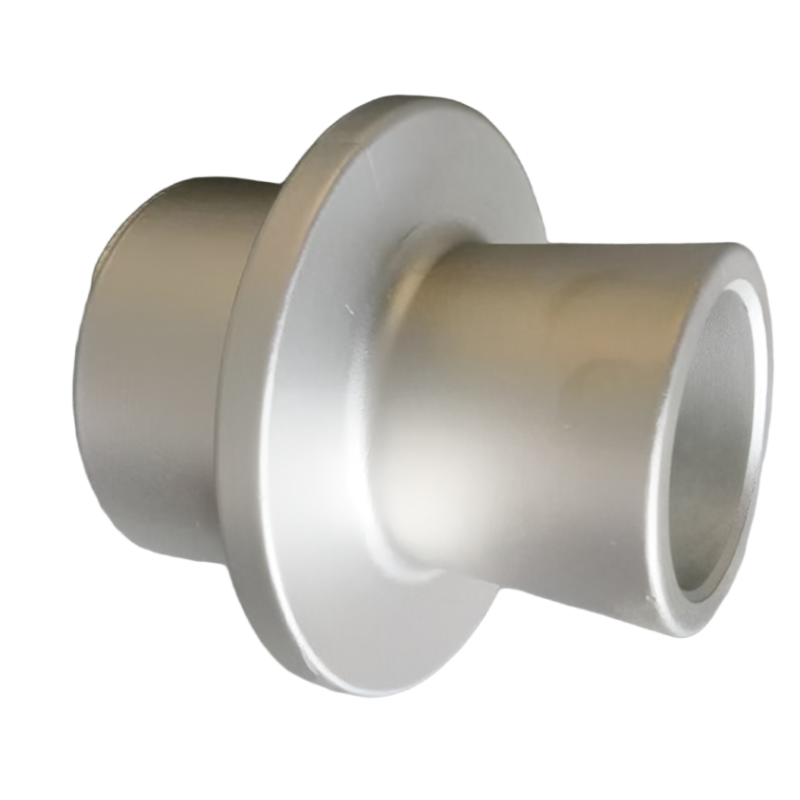
χυτεύματα ιατρικού εξοπλισμού από ανοξείδωτο χάλυβα
Οι χυτοσιδηρές ιατρικές αποτυπώσεις από ανοξείδωτο χάλυβα αποτελούν μια κρίσιμη λύση κατασκευής για την παραγωγή πολύπλοκων, υψηλής ακρίβειας εξαρτημάτων που χρησιμοποιούνται σε όλο τον τομέα της υγειονομικής περίθαλψης. Αυτές οι ειδικές αποτυπώσεις χρησιμοποιούν τη μέθοδο της επενδυτικής χύτευσης ή της χύτευσης με χαμένο κερί για τη δημιουργία περίπλοκων ιατρικών οργάνων, χειρουργικών εργαλείων, εμφυτεύσιμων συσκευών και εξαρτημάτων διαγνωστικού εξοπλισμού από κράματα ανοξείδωτου χάλυβα ιατρικής ποιότητας. Η κύρια λειτουργία των χυτοσιδηρών ιατρικών αποτυπώσεων από ανοξείδωτο χάλυβα είναι η παροχή γεωμετρικά πολύπλοκων εξαρτημάτων με εξαιρετική διαστατική ακρίβεια, λείες επιφάνειες και βιοσυμβατές ιδιότητες, οι οποίες είναι απαραίτητες για ιατρικές εφαρμογές. Τα τεχνολογικά χαρακτηριστικά των χυτοσιδηρών ιατρικών αποτυπώσεων από ανοξείδωτο χάλυβα περιλαμβάνουν τη δυνατότητα παραγωγής εξαρτημάτων «τελικού σχήματος» (net-shape) ή «σχεδόν τελικού σχήματος» (near-net-shape), μειώνοντας έτσι την ανάγκη για εκτεταμένες δευτερεύουσες κατεργασίες μηχανικής κατεργασίας. Οι προηγμένες τεχνικές χύτευσης επιτρέπουν στους κατασκευαστές να επιτυγχάνουν αυστηρές ανοχές, περίπλοκες εσωτερικές διαδρομές και λεπτά τοιχώματα, τα οποία θα ήταν δύσκολο ή αδύνατο να κατεργαστούν από μονολιθικό υλικό. Τα κράματα ανοξείδωτου χάλυβα ιατρικής ποιότητας, και ειδικότερα οι κατηγορίες 316L και 17-4 PH, προσφέρουν ανώτερη αντοχή στη διάβρωση, μεγαλύτερη αντοχή και συμβατότητα με τις διαδικασίες αποστείρωσης. Οι εφαρμογές των χυτοσιδηρών ιατρικών αποτυπώσεων από ανοξείδωτο χάλυβα καλύπτουν διάφορους ιατρικούς τομείς, συμπεριλαμβανομένων των ορθοπεδικών εμφυτευμάτων (όπως τα εξαρτήματα για αντικατάσταση ισχίου και γόνατος), των οδοντιατρικών οργάνων και των ορθοδοντικών βραχιόνων, των χειρουργικών ψαλιδιών και των δαγκανών, των περιβλημάτων ενδοσκοπικού εξοπλισμού, των εξαρτημάτων καρδιαγγειακών συσκευών και του εξοπλισμού επεξεργασίας φαρμακευτικών προϊόντων. Η διαδικασία χύτευσης προσφέρει ευελιξία στο σχεδιασμό, επιτρέποντας στους μηχανικούς να βελτιστοποιούν το βάρος των εξαρτημάτων, να συγχωνεύουν πολλαπλά εξαρτήματα σε μία ενιαία απότυπωση και να ενσωματώνουν χαρακτηριστικά που βελτιώνουν τη λειτουργικότητα. Οι χυτοσιδηρές ιατρικές αποτυπώσεις από ανοξείδωτο χάλυβα πληρούν αυστηρές ρυθμιστικές απαιτήσεις, συμπεριλαμβανομένης της συμμόρφωσης προς τις προδιαγραφές της FDA και των προτύπων ποιότητας ISO 13485, διασφαλίζοντας έτσι την ασφάλεια των ασθενών και την αξιοπιστία των προϊόντων. Η συνδυασμένη εκμετάλλευση των ιδιοτήτων του υλικού, της ακρίβειας κατασκευής και της οικονομικής αποδοτικότητας καθιστά τις χυτοσιδηρές ιατρικές αποτυπώσεις από ανοξείδωτο χάλυβα μια αναπόσπαστη τεχνολογία για τους κατασκευαστές ιατρικών συσκευών που επιδιώκουν να προσφέρουν καινοτόμες, αξιόπιστες λύσεις υγειονομικής περίθαλψης, οι οποίες βελτιώνουν τα αποτελέσματα για τους ασθενείς, διατηρώντας ταυτόχρονα την οικονομική βιωσιμότητα σε ανταγωνιστικές παγκόσμιες αγορές.

 EN
EN