hospital equipment structural components
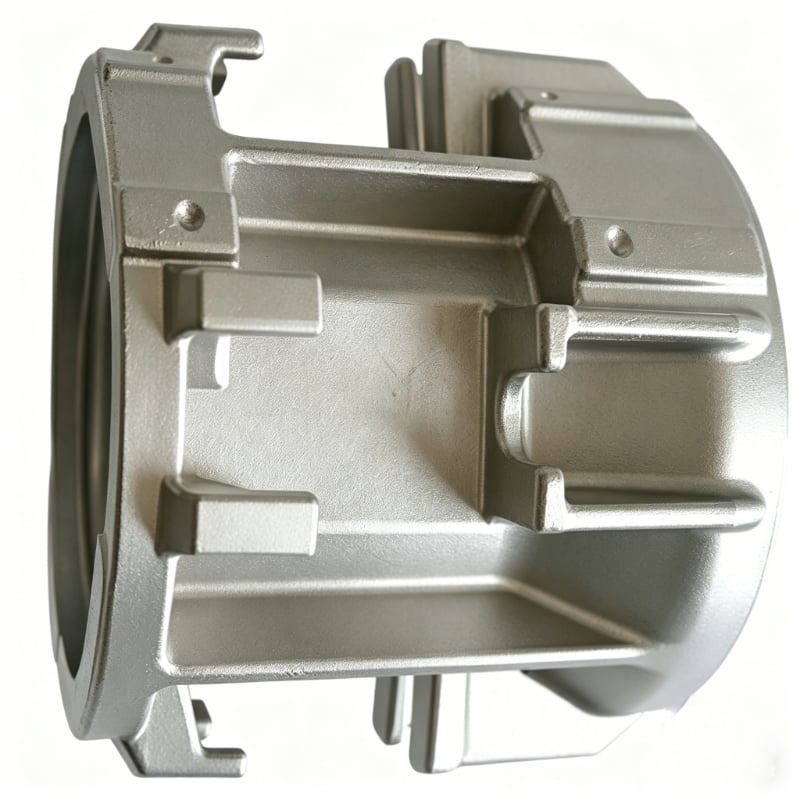
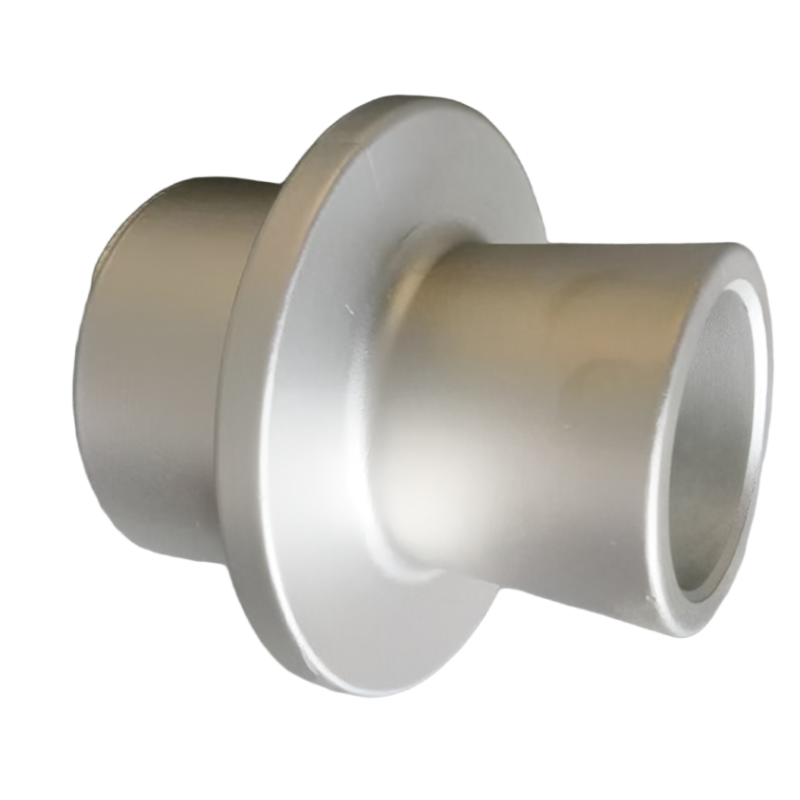
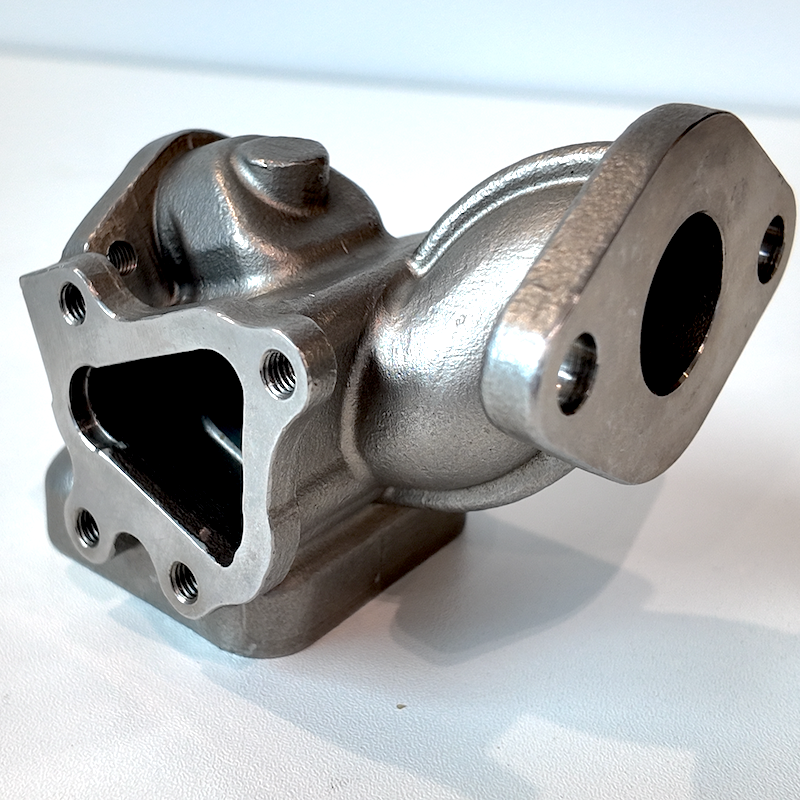
Hospital equipment structural components form the essential backbone of modern medical facilities, serving as the foundational elements that support, house, and enable the proper functioning of critical healthcare devices and systems. These specialized components encompass a wide range of engineered parts including frames, brackets, enclosures, mounting systems, support structures, and chassis assemblies that are specifically designed to meet the rigorous demands of medical environments. The main functions of hospital equipment structural components revolve around providing stable platforms for sensitive medical instruments, ensuring proper alignment and positioning of diagnostic equipment, protecting delicate electronics from environmental factors, and facilitating safe integration of various medical devices into clinical workflows. Technologically, these components incorporate advanced materials such as medical-grade stainless steel, antimicrobial coatings, lightweight aluminum alloys, and specialized polymers that resist corrosion, withstand repeated sterilization cycles, and maintain structural integrity under continuous use. The engineering behind hospital equipment structural components prioritizes precision manufacturing, dimensional accuracy, load-bearing capacity, vibration dampening, and compliance with international medical device standards including ISO 13485 and FDA regulations. Applications span across multiple healthcare domains including surgical suites where structural components support robotic surgery systems and imaging equipment, intensive care units where they enable patient monitoring systems and ventilator mounting, diagnostic laboratories where they provide stable platforms for analytical instruments, and therapeutic departments where they facilitate radiation therapy equipment and rehabilitation devices. The versatility of hospital equipment structural components extends to mobile medical carts, adjustable examination tables, medical device stands, equipment racks, and modular mounting systems that adapt to evolving clinical needs. As healthcare technology advances, these structural components increasingly incorporate smart features such as cable management systems, adjustable configurations, quick-release mechanisms, and ergonomic designs that enhance clinical efficiency and patient safety.

 EN
EN