ακριβής χύτευση με διαδικασία silica sol
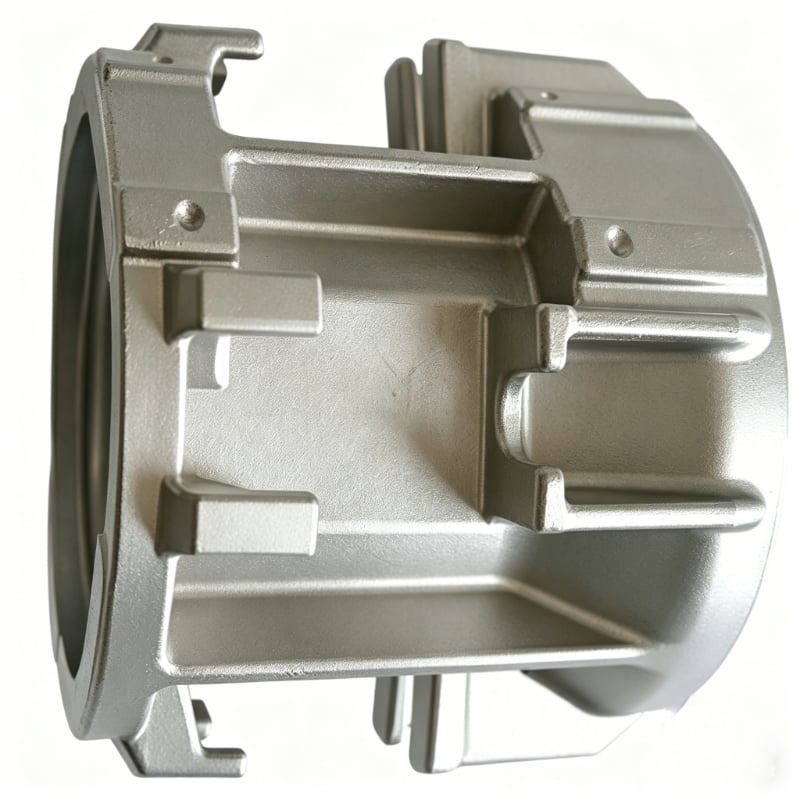
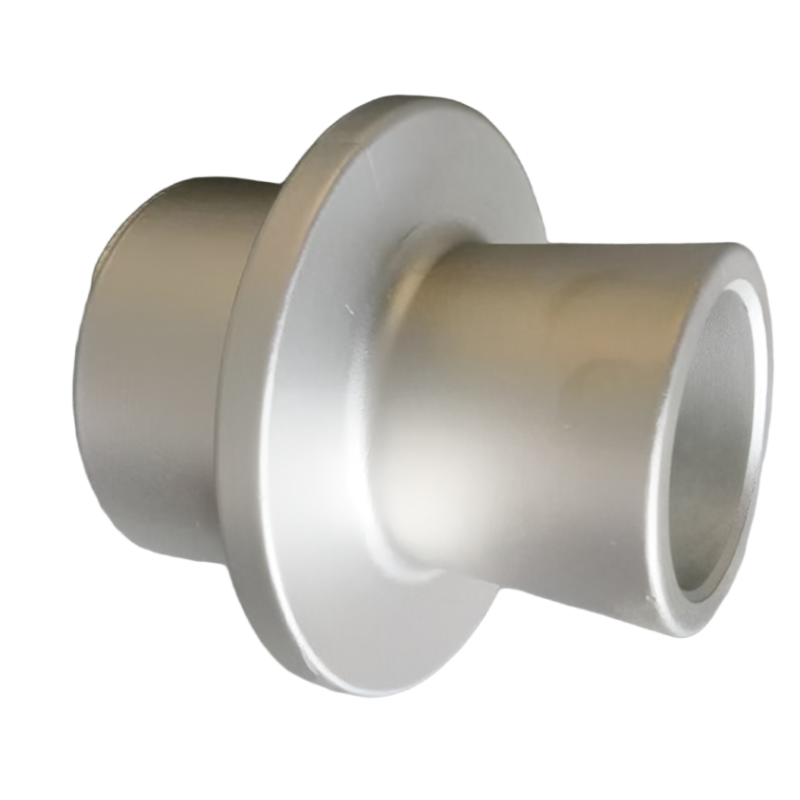
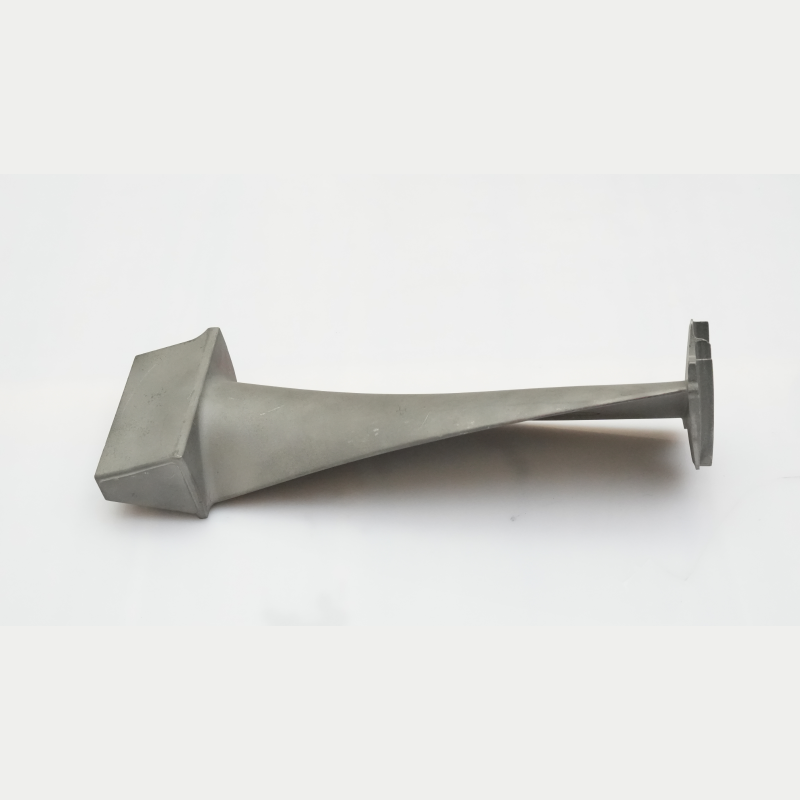
Η ακριβής χύτευση με διαλυματοποιημένη σίλικα (silica sol) αποτελεί μια εξελιγμένη τεχνική κατασκευής που παράγει μεταλλικά εξαρτήματα με εξαιρετική ακρίβεια και ανώτερη ποιότητα επιφάνειας. Αυτή η προηγμένη μέθοδος χρησιμοποιεί κεραμικό καλούπι περιβλήματος, το οποίο δημιουργείται μέσω πολλαπλών στρωμάτων λεπτής διαλυματοποιημένης σίλικας (silica sol) και ανθεκτικών στη θερμότητα υλικών, επιτρέποντας στους κατασκευαστές να επιτυγχάνουν περίπλοκες γεωμετρίες και αυστηρές ανοχές, οι οποίες δεν μπορούν να αναπαραχθούν με παραδοσιακές μεθόδους χύτευσης. Η διαδικασία ακριβούς χύτευσης με διαλυματοποιημένη σίλικα (silica sol) ξεκινά με τη δημιουργία ενός κεριού προτύπου που αντιστοιχεί ακριβώς στο επιθυμητό τελικό προϊόν. Στη συνέχεια, οι κατασκευαστές βυθίζουν επανειλημμένα αυτό το πρότυπο σε μίγμα που περιέχει κολλοειδή σίλικα, δημιουργώντας διαδοχικά στρώματα κεραμικού περιβλήματος. Μόλις το περίβλημα σκληρύνει επαρκώς, αφαιρούν το κερί με θέρμανση, αφήνοντας πίσω ένα κενό κεραμικό καλούπι έτοιμο για την έγχυση του λιωμένου μετάλλου. Οι κύριες λειτουργίες της ακριβούς χύτευσης με διαλυματοποιημένη σίλικα (silica sol) περιλαμβάνουν την παραγωγή εξαρτημάτων με περίπλοκες εσωτερικές διαδρομές, λεπτά τοιχώματα και λεπτομερείς χαρακτηριστικά επιφάνειας, χωρίς να απαιτείται εκτεταμένη μηχανική κατεργασία μετά τη χύτευση. Αυτή η τεχνική χρησιμοποιείται σε βιομηχανίες που απαιτούν εξαρτήματα με διαστασιακή ακρίβεια εντός ±0,005 ιντσών και επιφανειακή τελική επεξεργασία ομαλότητας έως 125 μικροίντσες. Τα τεχνολογικά χαρακτηριστικά διακρίνουν αυτή τη διαδικασία από άλλες μεθόδους χύτευσης, καθώς χρησιμοποιεί υπερλεπτά κεραμικά σωματίδια που είναι διασπαρμένα σε διάλυμα κολλοειδούς σίλικας, τα οποία δημιουργούν καλούπια με εξαιρετική ομαλότητα επιφάνειας και διαστασιακή σταθερότητα. Η διαδικασία είναι συμβατή με ουσιαστικά οποιοδήποτε κράμα μετάλλου, συμπεριλαμβανομένου του ανοξείδωτου χάλυβα, του άνθρακα χάλυβα, του αλουμινίου, του ορείχαλκου και ειδικών κραμάτων υψηλής θερμοκρασίας. Οι εφαρμογές της ακριβούς χύτευσης με διαλυματοποιημένη σίλικα (silica sol) καλύπτουν εξαρτήματα αεροδιαστημικής τεχνολογίας, όπως πτερύγια στροβιλοκινητήρων και δομικές συνδέσεις, ιατρικά όργανα που απαιτούν βιοσυμβατά υλικά, αυτοκινητοβιομηχανικά εξαρτήματα που απαιτούν υψηλό λόγο αντοχής προς βάρος, εξαρτήματα βιομηχανικών μηχανημάτων, θαλάσσιο εξοπλισμό που εκτίθεται σε διαβρωτικά περιβάλλοντα και αρχιτεκτονικά στοιχεία που συνδυάζουν αισθητική ελκυστικότητα με δομική ακεραιότητα. Η ευελιξία της ακριβούς χύτευσης με διαλυματοποιημένη σίλικα (silica sol) την καθιστά ανεκτίμητη για την παραγωγή πρωτοτύπων, μικρών παρτίδων παραγωγής και μεγάλης κλίμακας βιομηχανικής παραγωγής, όπου η ποιότητα δεν μπορεί να θυσιαστεί. Αυτή η διαδικασία εξαλείφει πολλούς περιορισμούς που συνδέονται με τη συμβατική κατασκευή, προσφέροντας στους σχεδιαστές την ελευθερία να δημιουργούν βελτιστοποιημένα σχήματα που ενισχύουν την απόδοση, ενώ μειώνουν την απόρριψη υλικού και το κόστος παραγωγής καθ’ όλη τη διάρκεια ζωής του εξαρτήματος.

 EN
EN