Silica Sol Process Precision Casting: Advanced Manufacturing for Superior Quality Components

Get a Free Quote

Our representative will contact you soon.
Email
Name
Company Name
Message
0/1000

silica sol process precision casting

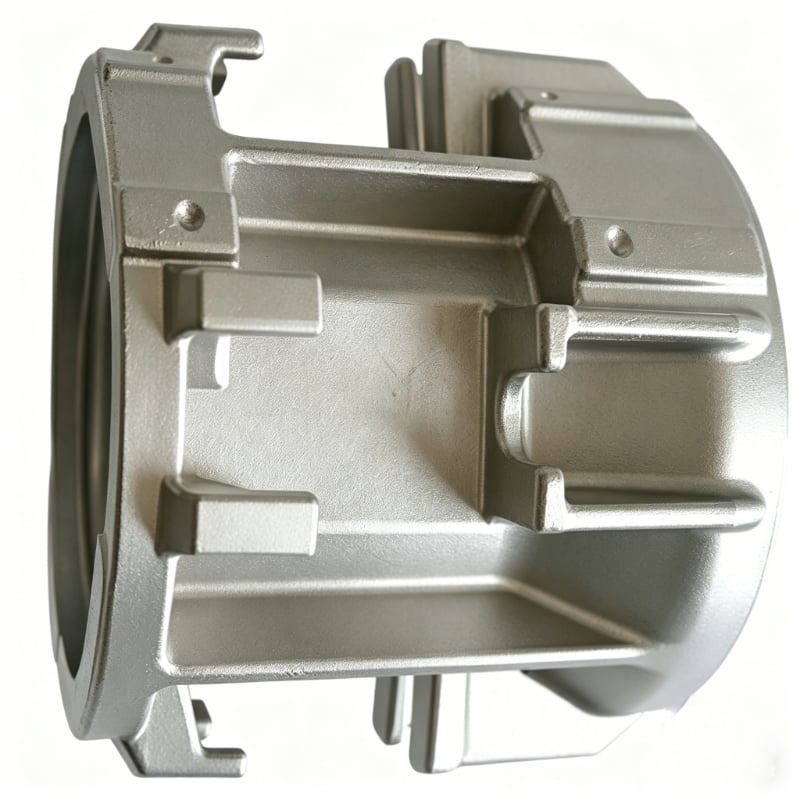
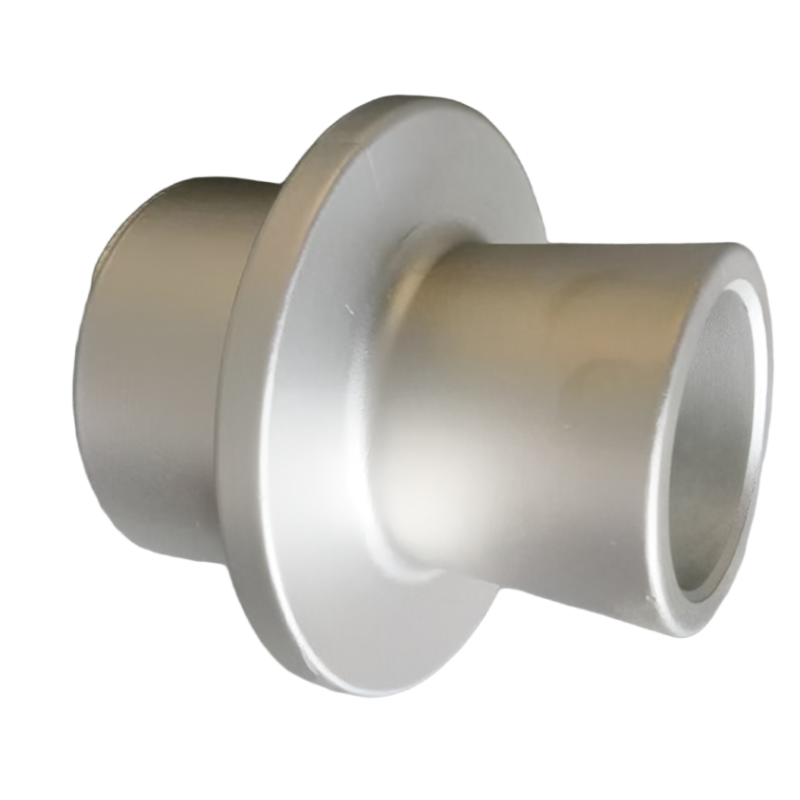
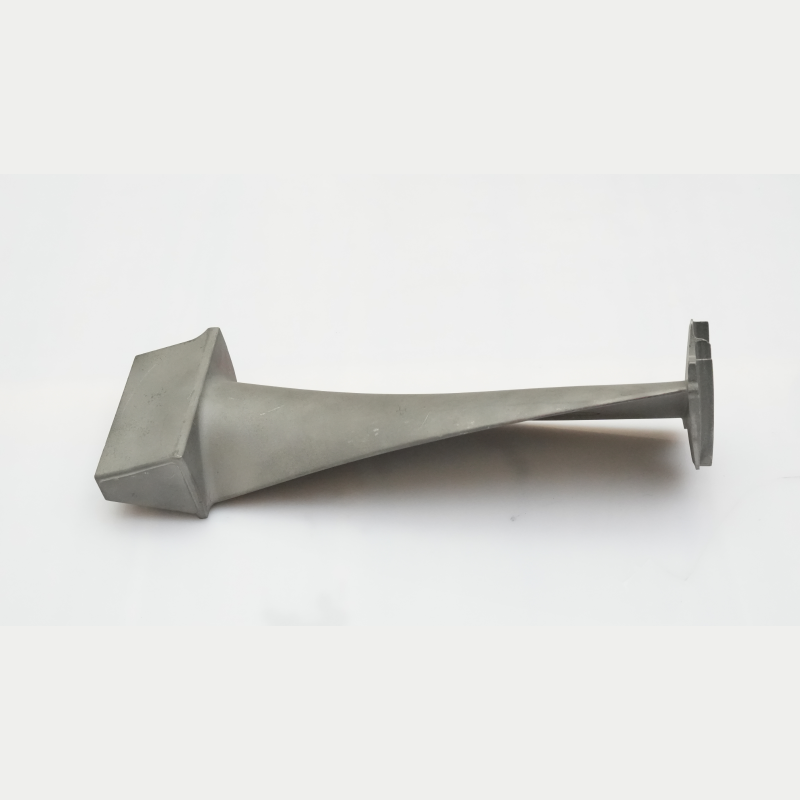
The silica sol process precision casting represents an advanced manufacturing technique that delivers exceptional quality metal components across diverse industrial sectors. This sophisticated method utilizes a colloidal silica solution as the primary binding agent for creating ceramic shell molds, enabling manufacturers to produce intricate metal parts with outstanding dimensional accuracy and superior surface finishes. The fundamental principle involves coating a wax or polymer pattern with multiple layers of refractory ceramic materials mixed with silica sol binder. Once the shell hardens sufficiently, the pattern material is removed through heating, leaving a hollow ceramic mold cavity that perfectly replicates the desired component geometry. Molten metal is then poured into this cavity, solidifying to form the final casting. This technology stands distinguished from traditional investment casting methods that employ ethyl silicate or sodium silicate binders. The technological features of this approach include remarkable flexibility in metal selection, accommodating stainless steels, carbon steels, alloy steels, aluminum alloys, copper alloys, and various specialty metals. The process excels at producing components ranging from small precision instruments weighing mere grams to substantial industrial parts exceeding fifty kilograms. Dimensional tolerances achievable through this method typically reach CT4-CT6 grade accuracy according to international casting standards, significantly reducing or eliminating secondary machining requirements. Surface roughness values commonly achieve Ra 1.6-3.2 micrometers, delivering smooth finishes directly from the casting process. Applications span numerous industries including aerospace manufacturing for turbine blades and structural components, automotive production for transmission parts and suspension elements, medical device fabrication for surgical instruments and implants, energy sector components for pump housings and valve bodies, marine hardware production, food processing equipment, architectural fittings, and specialized machinery parts. The versatility and precision inherent in silica sol process precision casting make it an indispensable manufacturing solution for modern engineering challenges requiring complex geometries, tight tolerances, excellent mechanical properties, and cost-effective production volumes ranging from prototypes to medium-scale series manufacturing.

New Product Recommendations

Choosing silica sol process precision casting delivers substantial practical benefits that directly impact your production efficiency and product quality. First, this method produces parts with exceptional surface smoothness straight from the mold, meaning you spend significantly less time and money on finishing operations like grinding, polishing, or machining. The smooth surfaces reduce friction in moving parts and improve aesthetic appeal for visible components, giving your products a competitive edge in the marketplace. Second, the dimensional accuracy achieved eliminates costly rework and reduces material waste. When parts come out matching specifications closely, your assembly processes run smoother, installation becomes easier, and fewer components get rejected during quality control inspections. This accuracy translates directly into lower overall manufacturing costs and faster time to market. Third, the flexibility in design freedom allows engineers to create complex internal passages, thin walls, intricate details, and undercuts that would prove extremely difficult or impossible with conventional manufacturing methods. This design latitude enables innovation in product development, weight reduction through optimized geometries, and consolidation of multiple parts into single castings that reduce assembly time and potential failure points. Fourth, the broad range of compatible metal alloys means you can select materials based purely on performance requirements rather than manufacturing limitations. Whether you need corrosion resistance, high strength, temperature tolerance, or specific magnetic properties, the process accommodates your material choice. Fifth, the ceramic shell molds withstand high pouring temperatures without degrading, ensuring consistent quality across production runs and enabling the casting of high-melting-point alloys that other methods cannot handle effectively. Sixth, minimal draft angles are required compared to traditional casting methods, maximizing material utilization and reducing the amount of excess material that must be removed. Seventh, the process scales effectively from prototype quantities to medium production volumes, providing economic viability across different project phases without requiring completely different manufacturing approaches. Eighth, the absence of parting lines in many configurations eliminates weak points and improves structural integrity while enhancing appearance. Finally, reduced machining requirements mean shorter lead times, lower energy consumption, decreased tooling wear, and smaller environmental footprints. These combined advantages make silica sol process precision casting a smart choice for manufacturers seeking to optimize quality, reduce costs, accelerate delivery schedules, and maintain competitive positioning in demanding markets where precision and reliability cannot be compromised.

Tips And Tricks

Basic Principles Of Design Of Precision Casting Gating System

11

May

Basic Principles Of Design Of Precision Casting Gating System

View More
Selection And Application Scope Of Hardness Tester

11

May

Selection And Application Scope Of Hardness Tester

View More
Stainless Steel Castings for Architectural Posts

11

May

Stainless Steel Castings for Architectural Posts

View More
Precision Stainless Steel Exhaust Manifold Casting Solution For Luxury Sedan - With Japanese First-Tier Car Brand

11

May

Precision Stainless Steel Exhaust Manifold Casting Solution For Luxury Sedan - With Japanese First-Tier Car Brand

View More

Get a Free Quote

Our representative will contact you soon.
Email
Name
Company Name
Message
0/1000

silica sol process precision casting

Superior Surface Quality and Dimensional Precision

Superior Surface Quality and Dimensional Precision

The silica sol process precision casting technique delivers unmatched surface quality and dimensional precision that fundamentally transforms manufacturing economics and product performance. The colloidal silica binder creates exceptionally fine ceramic shell surfaces with minimal porosity and roughness, directly translating to cast metal surfaces with remarkable smoothness. Typical surface roughness values of Ra 1.6 to 3.2 micrometers are routinely achieved without secondary finishing operations, a finish quality that approaches machined surfaces in many applications. This surface excellence matters enormously in practical terms. For components with sliding or rotating interfaces, smoother surfaces reduce friction coefficients, decrease wear rates, lower operating temperatures, and extend service life significantly. In hydraulic and pneumatic systems, superior surface finishes minimize leakage paths and improve sealing effectiveness. For medical implants and surgical instruments, the smooth surfaces reduce tissue irritation, inhibit bacterial colonization, and facilitate sterilization procedures. In food processing equipment, excellent surface quality prevents bacterial harboring and simplifies cleaning protocols. The dimensional accuracy achievable through this process reaches CT4 to CT6 tolerance grades, meaning that cast dimensions hold within extremely tight bands relative to design specifications. This precision stems from the stable dimensional behavior of silica sol ceramic shells during dewaxing and firing cycles, minimal thermal expansion mismatches, and consistent solidification characteristics. Practical benefits of this accuracy include direct interchangeability of cast components without selective fitting, simplified assembly procedures with reliable fit-ups, reduced rejection rates during quality inspections, and dramatic reductions in secondary machining requirements. Many components require only minimal finish machining on critical sealing surfaces or bearing journals while all other features remain as-cast. The economic impact proves substantial because machining represents a significant cost element in traditional manufacturing workflows. Eliminating or minimizing machining operations reduces cycle times, lowers tooling expenses, decreases energy consumption, reduces skilled labor requirements, and shortens overall lead times from order to delivery. Furthermore, the combination of surface quality and dimensional precision enables weight optimization through thinner wall sections that maintain structural integrity, contributing to material savings and improved product performance in weight-sensitive applications such as aerospace components, automotive parts, and portable equipment. The reliability of dimensions across production batches ensures consistency in product performance and customer satisfaction while simplifying inventory management and replacement part logistics.
Exceptional Design Flexibility and Complexity Capability

Exceptional Design Flexibility and Complexity Capability

The silica sol process precision casting methodology provides extraordinary design flexibility that empowers engineers to create component geometries impossible or economically prohibitive through alternative manufacturing approaches. This capability fundamentally changes how products can be designed, enabling innovation and optimization previously constrained by manufacturing limitations. The process accommodates extremely complex internal cavities, passages, and cores that would require elaborate assembly operations if manufactured through conventional methods. Cooling channels can be integrated directly into cast structures, weight-reducing hollow sections can be incorporated without welding thin sheets, and fluid flow paths can follow optimized trajectories rather than being constrained to simple drilled holes. Thin wall sections down to 0.8 millimeters become achievable in appropriate alloys and sizes, facilitating significant weight reduction without compromising structural performance. This weight optimization delivers crucial benefits in aerospace applications where every gram saved translates to fuel efficiency improvements, in automotive components where reduced mass improves acceleration and handling, and in portable equipment where user comfort depends on minimizing weight. The design freedom extends to surface textures, logos, identification marks, and decorative elements that can be incorporated directly into the casting rather than added through secondary operations. Complex undercuts and re-entrant angles become feasible through specialized core designs and assembly techniques, eliminating limitations that constrain die casting, permanent mold casting, and machining processes. Draft angles can be minimized to near-zero in many configurations, maximizing usable material and reducing excess stock that must be removed. Sharp corners, fine details, and intricate features replicate faithfully from pattern to finished casting, preserving design intent throughout the manufacturing process. This fidelity matters tremendously when form and function intertwine, such as in turbine blades where aerodynamic profiles must be maintained precisely, in artistic architectural elements where aesthetic details define value, and in precision instruments where dimensional relationships govern performance. The capability to consolidate multiple fabricated or machined components into single castings reduces part counts, eliminates fasteners, decreases assembly labor, reduces potential leak paths, improves structural continuity, and lowers overall system costs. Complex manifolds that would traditionally require welding numerous fittings and pipe sections become single castings with integrated flow passages. Housings that would need multiple machined components bolted together become unified structures with superior strength and reduced weight. The design flexibility inherent in silica sol process precision casting thus serves not merely as a manufacturing convenience but as a strategic enabler of innovation, differentiation, and competitive advantage in markets where product performance, weight efficiency, and manufacturing economics determine success.
Broad Material Compatibility and Metallurgical Quality

Broad Material Compatibility and Metallurgical Quality

The silica sol process precision casting offers remarkable compatibility with an extensive range of metal alloys while delivering superior metallurgical quality that ensures reliable component performance under demanding service conditions. This versatility in material selection provides engineers and designers with freedom to specify alloys based purely on performance requirements rather than being constrained by manufacturing process limitations. Stainless steel alloys including austenitic grades like 304, 316, and 321, martensitic grades such as 410 and 420, precipitation hardening varieties like 17-4PH, and duplex stainless steels all cast successfully through this process, providing corrosion resistance, strength, and durability for marine environments, chemical processing equipment, food handling systems, and architectural applications. Carbon steels and low-alloy steels deliver cost-effective solutions for structural components, machinery parts, and general industrial applications where moderate strength and good weldability meet requirements. High-alloy specialty steels including tool steels, wear-resistant alloys, and heat-resistant compositions accommodate extreme service conditions with specialized performance characteristics. Aluminum alloys offer excellent strength-to-weight ratios for aerospace components, automotive parts, and consumer products where mass reduction drives value. Copper-based alloys including bronzes, brasses, and copper-nickel alloys provide electrical conductivity, thermal management capability, corrosion resistance in marine environments, and aesthetic appeal for decorative applications. Nickel-based superalloys withstand extreme temperatures and corrosive environments in turbine engines, exhaust systems, and chemical processing equipment. Titanium alloys deliver exceptional strength combined with minimal weight and outstanding corrosion resistance for aerospace, medical implant, and high-performance sporting applications. The ceramic shell molds produced through the silica sol process withstand the high pouring temperatures required for these diverse alloys without degrading or reacting with the molten metal, ensuring casting soundness and surface integrity. The controlled solidification environment produces fine-grained microstructures with minimal porosity, excellent mechanical properties, and consistent quality throughout the casting volume. The absence of sand inclusions, slag entrapment, and gas porosity that sometimes plague other casting methods results in components with reliable fatigue resistance, superior tensile strength, and predictable performance under cyclic loading conditions. Heat treatment responsiveness remains excellent because the casting process does not introduce contaminants or microstructural anomalies that might interfere with precipitation hardening, solution treatment, or tempering operations. Weldability, machinability, and other secondary processing characteristics remain comparable to wrought materials in the same alloy systems. This metallurgical quality combined with broad material compatibility makes silica sol process precision casting suitable for critical applications where component failure could result in safety hazards, significant economic losses, or operational disruptions, including aircraft structural elements, medical devices, pressure vessels, and safety-critical automotive components where certification requirements demand documented material properties and manufacturing process controls.

Get a Free Quote

Our representative will contact you soon.
Email
Name
Company Name
Message
0/1000