Complex Geometry Capabilities and Design Flexibility
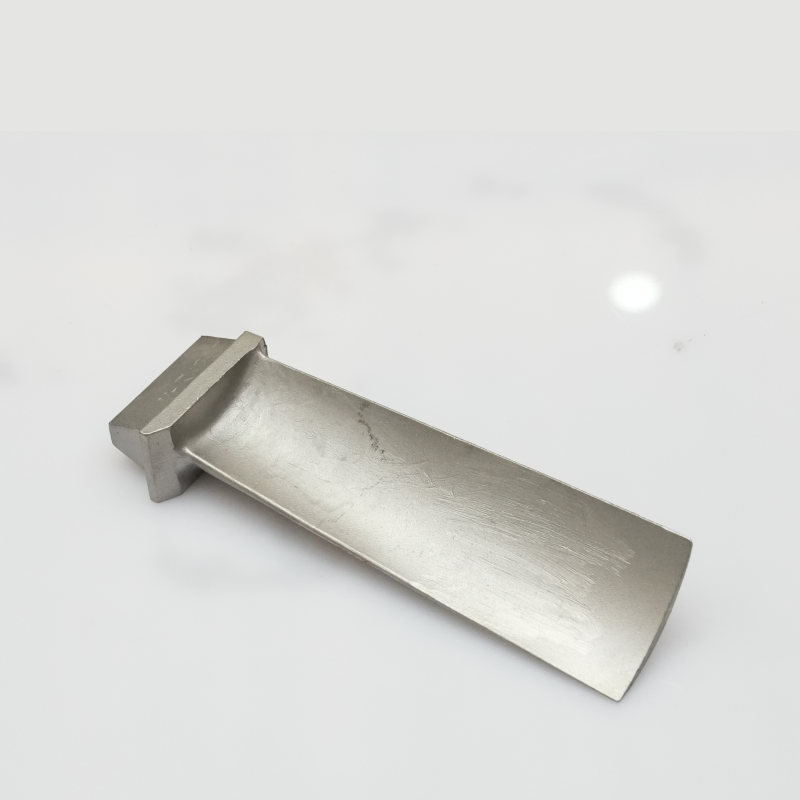
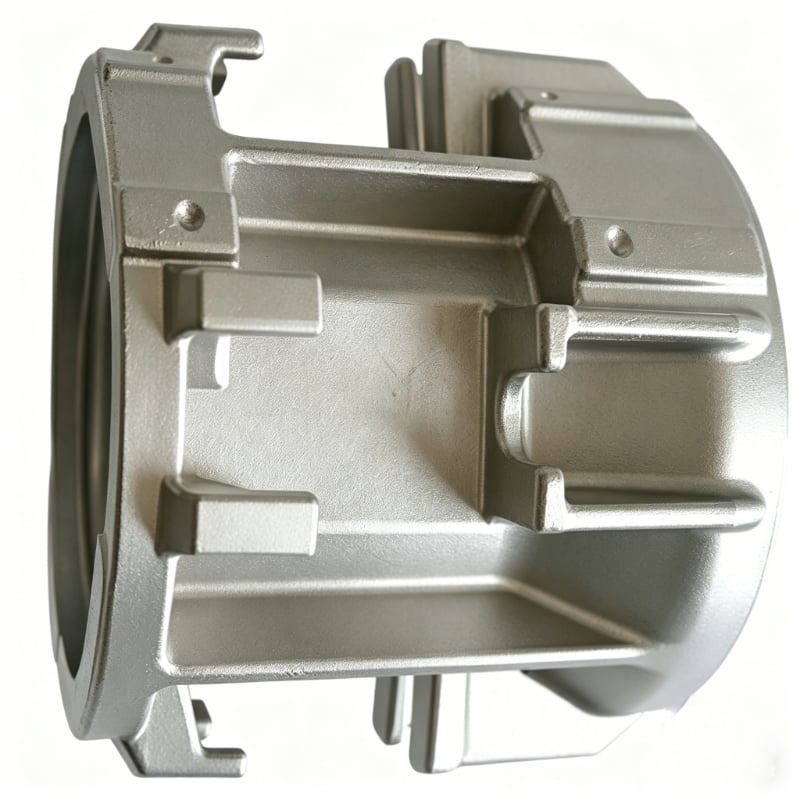
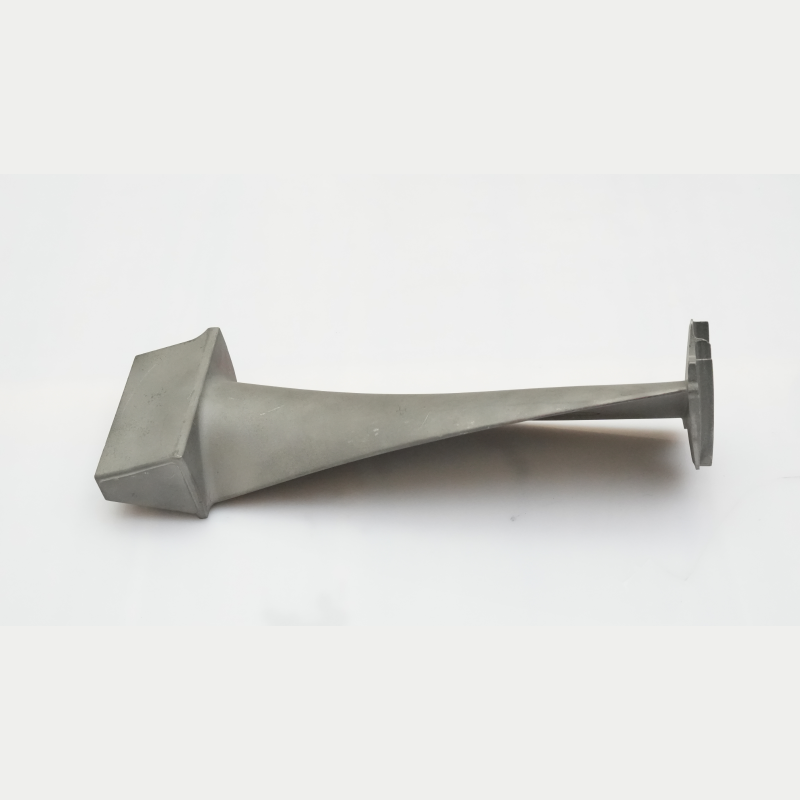
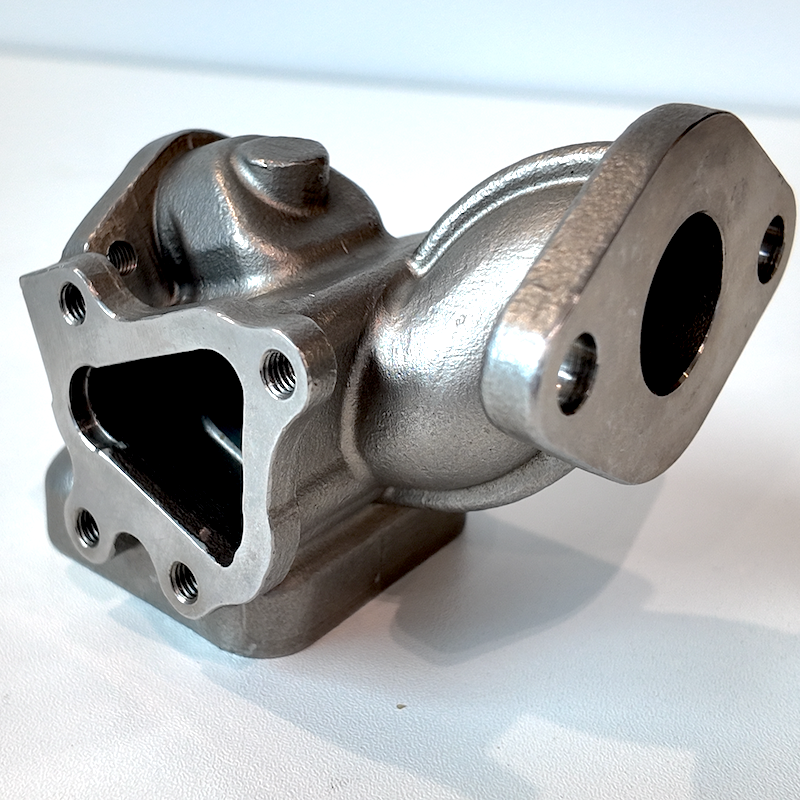
A silica sol investment casting factory empowers designers and engineers with extraordinary freedom to create complex geometries that would be prohibitively expensive or simply impossible with other manufacturing methods. The process begins with patterns that can be produced through injection molding, 3D printing, or machining, allowing virtually any conceivable shape to be formed. Internal cavities, passageways, and cores can be incorporated to create hollow sections or intricate internal features without the need for assembly or joining operations. This capability is transformative for industries like aerospace, where weight reduction through hollow structural components provides competitive advantage, or in hydraulic systems where integrated fluid passages eliminate potential leak points at joints and connections. Undercuts, threads, logos, and fine surface details can be cast directly into the part, eliminating secondary operations like engraving or thread cutting. The ability to cast thin walls, often as thin as 0.030 inches depending on the alloy and part size, enables significant material savings and weight reduction while maintaining structural integrity. This is particularly valuable in automotive and aerospace applications where reducing mass directly improves fuel efficiency and performance. Design consolidation represents another powerful advantage, as features that would traditionally require multiple machined components, fasteners, and assembly labor can be combined into a single casting. This consolidation reduces part count, simplifies inventory management, eliminates assembly steps, and removes potential failure points at joints. For example, a bracket that might require welding or bolting multiple pieces together can be cast as one integrated component with all mounting features, reinforcing ribs, and attachment points included. The silica sol investment casting factory also accommodates variable wall thicknesses within the same part, allowing engineers to add material for strength where needed while minimizing it elsewhere for weight savings. Draft angles can be minimized or eliminated entirely, allowing designs to closely match ideal functional forms. For customers, this design flexibility translates to better-performing products, lower manufacturing costs, faster time to market, and the ability to innovate beyond the constraints imposed by conventional manufacturing limitations.

 EN
EN