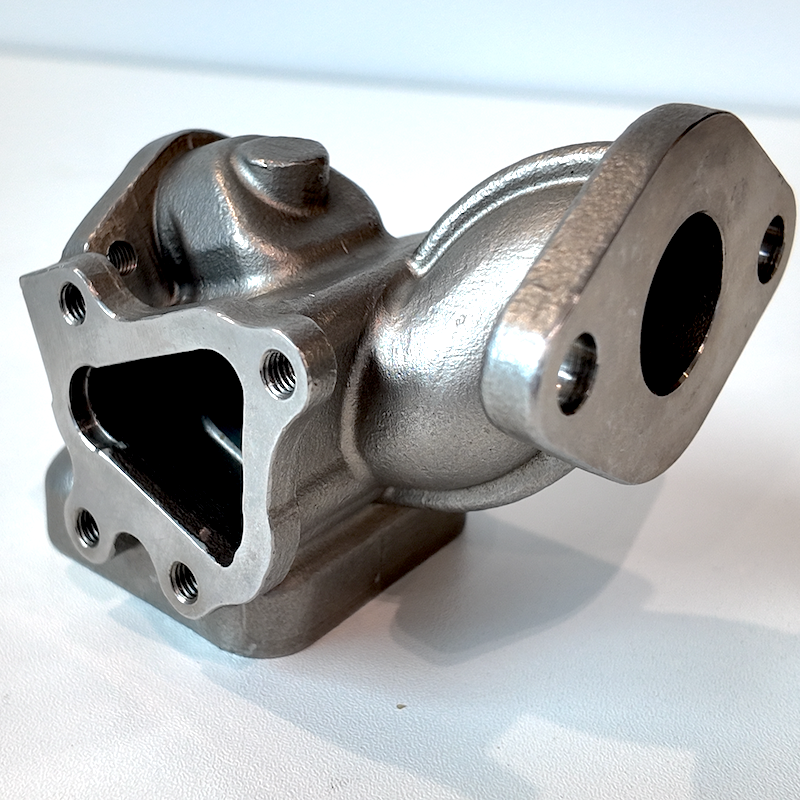
Cost Efficiency Through Reduced Machining and Assembly Requirements
Automotive investment casting delivers compelling cost efficiency advantages through dramatic reductions in both machining operations and assembly requirements, creating measurable savings that improve manufacturing profitability across the entire production lifecycle. The near-net-shape capability inherent to this process means components emerge from the mold closely matching final dimensions, eliminating the extensive material removal that machining from solid stock requires. This fundamental efficiency cascades through multiple cost centers, reducing raw material consumption, cutting machine time, extending tool life, and lowering energy consumption associated with metalworking operations. Traditional machining approaches begin with oversized bar stock, forgings, or plate material and remove substantial volumes to create finished components. This subtractive methodology generates chips and scrap that represent both material waste and disposal costs. Automotive investment casting inverts this equation by adding material only where needed, forming components that require minimal finishing beyond critical mating surfaces or precision bores. The material savings alone often justify process selection, particularly when working with expensive alloys where raw material costs dominate total component expenses. Machining time reduction translates directly to increased production capacity and lower labor costs. Components requiring dozens of machining operations when produced from solid stock may need only a few finish operations after casting. This compression of manufacturing cycles accelerates throughput, reduces work-in-process inventory, and shortens lead times from order to delivery. Faster production cycles improve cash flow and enhance responsiveness to customer demands, competitive advantages that extend beyond simple cost reduction. Assembly consolidation represents perhaps the most strategic cost advantage automotive investment casting provides. Complex components traditionally assembled from multiple stamped, machined, or formed pieces can often be redesigned as single castings. Consider an engine bracket assembly previously requiring a machined base, several stamped reinforcement plates, multiple fasteners, welding operations, and inspection steps. Automotive investment casting can produce this entire assembly as one integrated component, eliminating parts, fasteners, welding equipment, assembly labor, and quality checkpoints. The cost savings multiply with each eliminated operation while simultaneously improving reliability by removing joints and potential failure modes. Tooling costs for automotive investment casting remain moderate compared to forging dies, permanent molds, or high-cavitation die casting equipment. Pattern tooling, while requiring precision, costs substantially less than steel dies capable of withstanding thousands of high-pressure cycles. This lower tooling investment makes automotive investment casting economically viable for medium production volumes where other processes become cost-prohibitive. The combination of reduced per-piece costs through minimized machining, assembly consolidation benefits, and reasonable tooling investment creates a compelling economic argument for automotive investment casting across diverse production scenarios, delivering measurable return on investment that strengthens competitive position and supports sustainable business growth.

 EN
EN