Complex Geometry Capability Drives Innovation and Cost Reduction
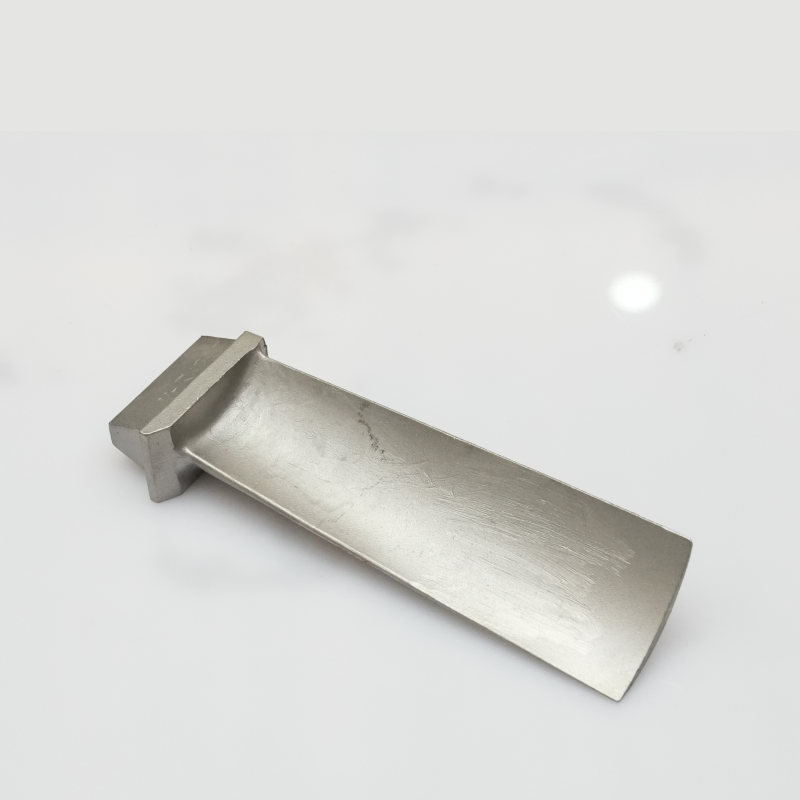
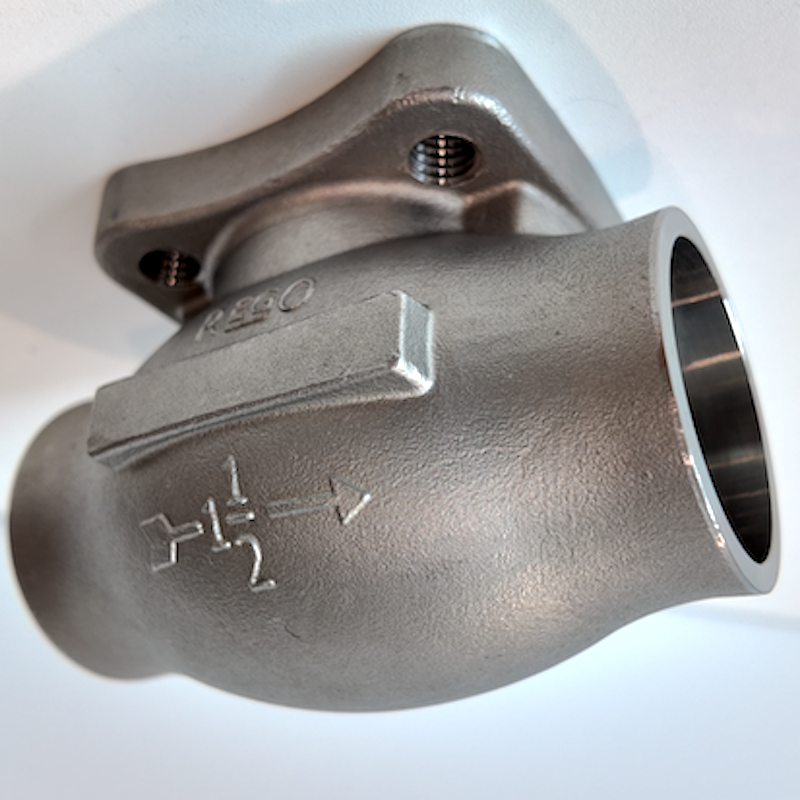
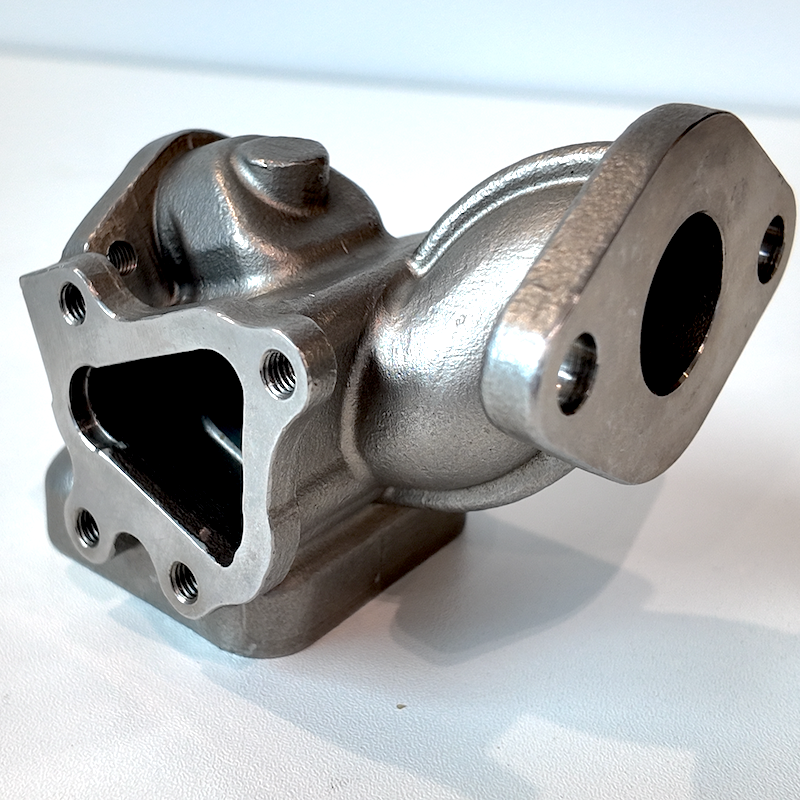
The remarkable ability of stainless steel silica sol casting to produce intricate, complex geometries opens new possibilities for product designers and engineers while simultaneously delivering substantial manufacturing cost advantages. This process excels at creating features that would be extremely difficult, prohibitively expensive, or technically impossible to achieve through machining, forging, or fabrication methods. Internal cavities, undercuts, thin walls, and intricate surface details all fall within the capabilities of stainless steel silica sol casting, giving your design team unprecedented freedom to optimize parts for performance rather than manufacturing limitations. Consider the production of a component with internal cooling channels or fluid passages. Traditional machining would require drilling intersecting holes and then plugging the ends, creating potential leak paths and weak points. Fabrication would involve making the part in multiple pieces and welding them together, adding cost and introducing heat-affected zones that may compromise material properties. With stainless steel silica sol casting, these internal passages are simply incorporated into the wax pattern, and the finished casting emerges as a single, unified piece with the channels fully formed inside. This capability extends to creating parts with variable wall thicknesses optimized for stress distribution, incorporating mounting bosses and attachment points exactly where needed, and forming complex curved or organic shapes that would consume enormous amounts of machining time if cut from solid stock. The financial implications of this geometric flexibility extend beyond the manufacturing process itself. When designers can consolidate what would have been multiple separate components into a single cast part, you eliminate numerous manufacturing steps. Each separate piece that is eliminated removes its associated costs for materials, machining operations, inventory management, and assembly labor. Fewer parts also mean fewer opportunities for dimensional stack-up tolerances to accumulate, resulting in better final assembly fit and function. The reduction in piece count typically improves product reliability since every joint, fastener, or welded connection represents a potential failure point. Stainless steel silica sol casting also accommodates very thin walls while maintaining structural integrity. Wall thicknesses down to 0.5 millimeters are achievable in appropriate designs, allowing for significant weight reduction in applications where every gram matters, such as aerospace components or portable medical devices. This weight optimization delivers performance benefits in dynamic applications while reducing material costs in any application. The process equally handles larger, more robust sections where needed, all within the same casting, providing designers with the flexibility to place material exactly where structural analysis indicates it is required.

 EN
EN