Premium Stainless Steel Silica Sol Casting Services - Precision Investment Casting Solutions

Get a Free Quote

Our representative will contact you soon.
Email
Name
Company Name
Message
0/1000

stainless steel silica sol casting

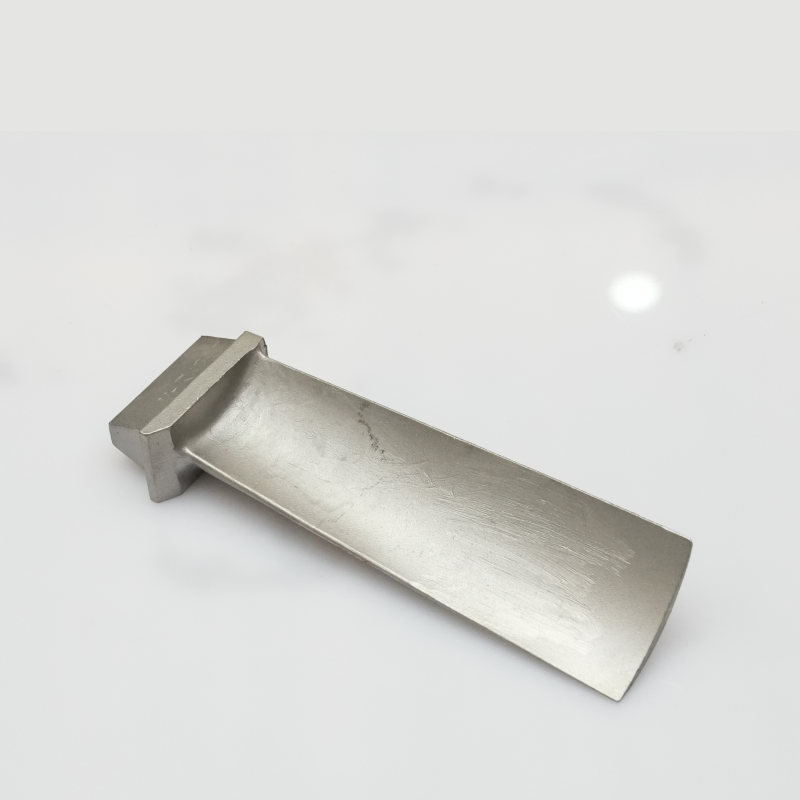
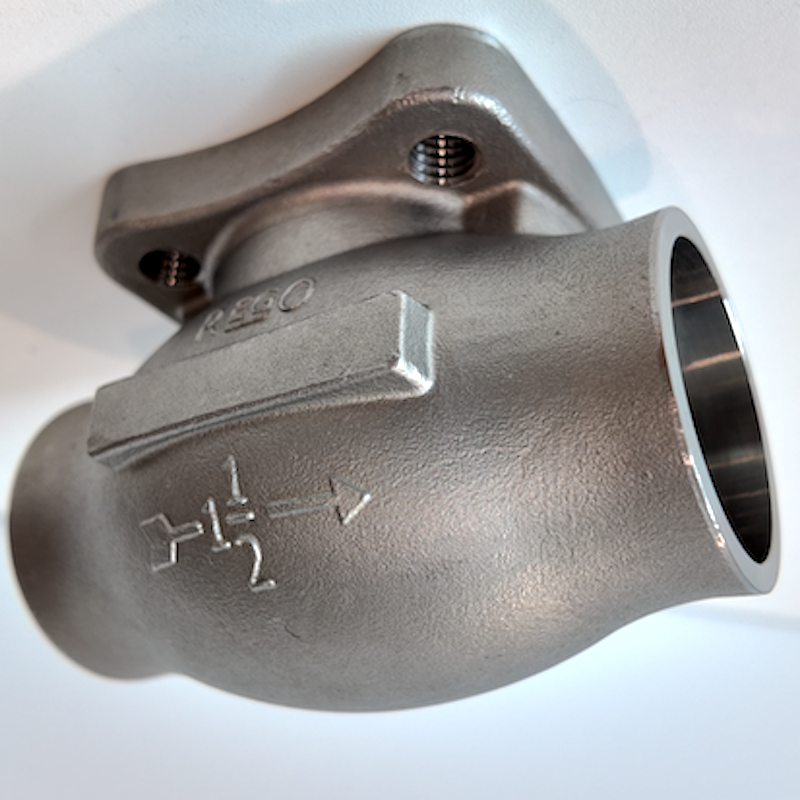
Stainless steel silica sol casting represents an advanced manufacturing process that produces high-precision metal components with exceptional surface quality and dimensional accuracy. This sophisticated technique utilizes colloidal silica as the primary binder in creating ceramic shell molds, offering superior results compared to traditional investment casting methods. The process begins with creating detailed wax patterns that replicate the desired final product, which are then coated with multiple layers of fine ceramic slurry mixed with silica sol. Once the ceramic shell hardens, the wax is melted away, leaving a precise cavity into which molten stainless steel is poured. This method excels in producing complex geometries with intricate details that would be difficult or impossible to achieve through conventional machining or other casting techniques. The main functions of stainless steel silica sol casting include creating components with tight tolerances, achieving smooth surface finishes that often require minimal post-processing, and manufacturing parts with complex internal passages or thin walls. Technological features distinguishing this process include its ability to capture fine details down to 0.005 inches, produce parts with surface roughness as low as 125 micro-inches, and maintain dimensional tolerances within plus or minus 0.005 inches per inch. The applications span numerous industries including aerospace, where turbine blades and structural components demand precision; medical device manufacturing, which requires biocompatible stainless steel parts with smooth surfaces; food processing equipment that needs corrosion-resistant components meeting hygiene standards; marine hardware exposed to harsh saltwater environments; automotive performance parts requiring strength and accuracy; and industrial machinery components subjected to extreme conditions. This casting method proves particularly valuable when producing small to medium-sized batches of complex parts where tooling costs for other manufacturing methods would be prohibitive.

New Product Recommendations

Choosing stainless steel silica sol casting delivers multiple practical benefits that directly impact your production efficiency and product quality. First, this method produces parts with remarkably smooth surfaces right out of the mold, which means you spend less time and money on secondary finishing operations like grinding, polishing, or machining. The as-cast surface finish typically measures between 125 to 250 micro-inches, allowing many components to go directly into service or require only minimal touch-ups. This saves substantial labor costs and accelerates your time to market. Second, the process achieves exceptional dimensional accuracy, with typical tolerances of plus or minus 0.005 inches per inch of dimension. This precision reduces the rejection rate significantly and ensures consistent quality across production runs, giving you confidence that each part will fit perfectly in your assemblies without costly adjustments. Third, the versatility of stainless steel silica sol casting allows you to create intricate shapes with complex internal features, undercuts, and thin walls that other methods simply cannot produce economically. This design freedom enables you to consolidate multiple parts into single components, reducing assembly time and eliminating potential failure points at joints. Fourth, the range of stainless steel alloys compatible with this process is extensive, including 304, 316, 17-4 PH, and duplex grades, allowing you to select the exact material properties your application demands for corrosion resistance, strength, or temperature performance. Fifth, this casting method proves cost-effective for both prototype development and medium-volume production, typically ranging from one piece to several thousand units, without requiring expensive permanent tooling. You can test and refine designs affordably before committing to larger production runs. Sixth, the structural integrity of parts produced through stainless steel silica sol casting equals or exceeds that of wrought materials because the controlled solidification process creates uniform grain structures with minimal porosity. This reliability matters when your components face demanding service conditions where failure is not an option. Seventh, the lead times for producing cast parts are generally shorter than fabricating complex assemblies from multiple machined pieces, helping you respond quickly to market demands or urgent replacement needs. Finally, environmental considerations favor this process because it generates less material waste compared to subtractive manufacturing methods that cut away excess metal, and the ceramic shells can often be recycled, supporting your sustainability goals while reducing disposal costs.

Latest News

Selection And Application Scope Of Hardness Tester

11

May

Selection And Application Scope Of Hardness Tester

View More
The Role Of Elements In Castings And The Order Of Addition

11

May

The Role Of Elements In Castings And The Order Of Addition

View More
Stainless Steel Castings for Building Facade Systems

11

May

Stainless Steel Castings for Building Facade Systems

View More
Precision Stainless Steel Exhaust Manifold Casting Solution For Luxury Sedan - With Japanese First-Tier Car Brand

11

May

Precision Stainless Steel Exhaust Manifold Casting Solution For Luxury Sedan - With Japanese First-Tier Car Brand

View More

Get a Free Quote

Our representative will contact you soon.
Email
Name
Company Name
Message
0/1000

stainless steel silica sol casting

Superior Surface Quality Eliminates Costly Secondary Operations

Superior Surface Quality Eliminates Costly Secondary Operations

The exceptional surface finish achieved through stainless steel silica sol casting stands as one of its most valuable characteristics, delivering immediate cost savings and performance advantages that benefit manufacturers across industries. Unlike conventional sand casting, which produces rough surfaces requiring extensive machining, or even standard investment casting using alternative binders, the silica sol process creates remarkably smooth surfaces directly from the mold. This superior quality results from the extremely fine particle size of colloidal silica used in the ceramic slurry, which creates an exceptionally dense shell with minimal surface irregularities. When molten stainless steel fills this precision cavity, it replicates every fine detail of the smooth ceramic surface, producing parts with surface roughness values typically ranging from 125 to 250 micro-inches Ra. For context, this finish quality approaches that of many machined surfaces and far exceeds what other casting methods deliver. The practical implications of this smooth surface are substantial and multifaceted. In fluid handling applications such as pump impellers or valve bodies, the reduced surface roughness minimizes friction losses and prevents particle accumulation that could impede flow or harbor contaminants. Medical and pharmaceutical equipment manufacturers particularly value this characteristic because smooth surfaces are easier to clean, sterilize, and validate for regulatory compliance, while also reducing the risk of bacterial colonization in critical applications. Food processing equipment benefits similarly, as the smooth surfaces meet stringent hygiene requirements and resist buildup of organic materials. Beyond functional performance, the aesthetic appeal of smooth cast surfaces matters for visible components in architectural hardware, consumer products, and decorative applications where appearance influences purchasing decisions. Perhaps most significantly, the excellent as-cast surface finish dramatically reduces or eliminates secondary finishing operations that traditionally consume substantial time and expense. Many components can proceed directly from casting to final inspection without grinding, polishing, or extensive machining, cutting production costs by 30 to 50 percent compared to parts requiring heavy finishing work. Even when some finishing is necessary, starting with a superior surface reduces the time and abrasive materials required, extending tool life and improving consistency. This advantage becomes especially pronounced for complex geometries with internal passages or recessed areas that are difficult or impossible to access with finishing tools, where the as-cast surface quality must suffice for the final application.
Unmatched Design Flexibility Enables Complex Geometries and Part Consolidation

Unmatched Design Flexibility Enables Complex Geometries and Part Consolidation

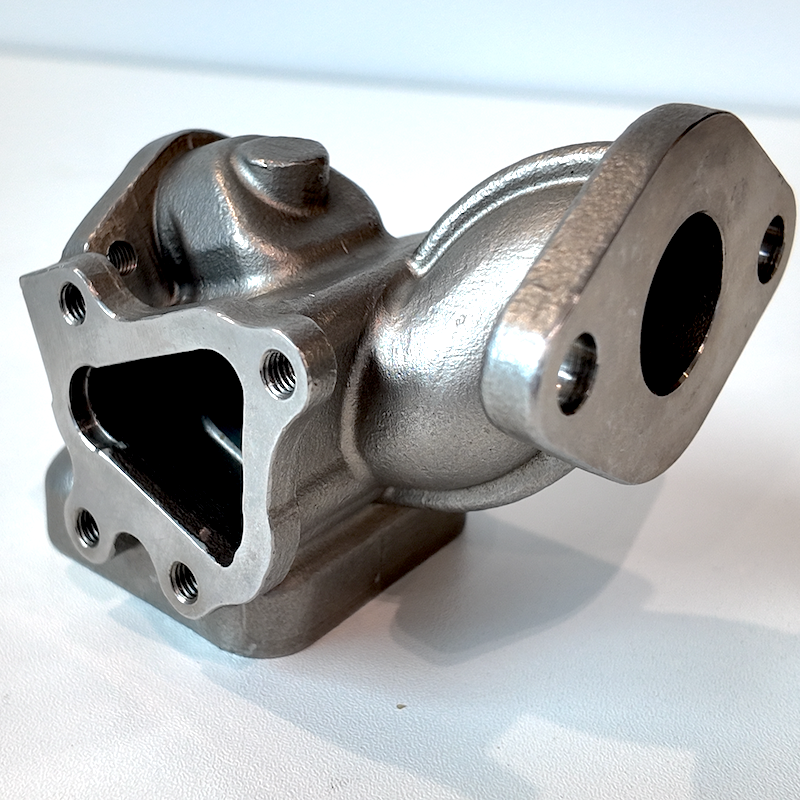
Stainless steel silica sol casting provides designers with extraordinary freedom to create complex three-dimensional shapes that would be prohibitively expensive or technically impossible using other manufacturing methods. This capability stems from the fundamental nature of the investment casting process, which builds ceramic shells around expendable wax patterns that can be shaped into virtually any configuration imaginable. Unlike machining, which struggles with internal cavities and complex curves, or forging, which requires draft angles and simple shapes, or even plastic injection molding, which needs parting lines and core pulls, the silica sol casting process faithfully reproduces intricate details including undercuts, internal passages, varying wall thicknesses, and organic geometries without geometric constraints. Engineers can design parts with branching internal channels for fluid flow, integral mounting features that eliminate separate fasteners, complex curves optimized for stress distribution, and multiple features at different angles all in a single component. This design flexibility translates directly into practical benefits that improve product performance while reducing manufacturing complexity and costs. Part consolidation represents one of the most significant advantages, where assemblies that traditionally required multiple machined pieces joined by welding, bolting, or adhesives can be redesigned as single cast components. Each eliminated joint reduces assembly labor, removes a potential failure point, decreases inventory complexity, and improves reliability. For example, a bracket assembly consisting of five machined and welded pieces can often be consolidated into one casting, cutting production time by 60 percent while improving strength through continuous material structure. The ability to cast thin walls, often down to 0.040 inches depending on part geometry, enables weight reduction without sacrificing structural integrity, which proves critical in aerospace and automotive applications where every gram matters for fuel efficiency and performance. Complex internal cooling passages can be incorporated into tooling components, dramatically improving thermal management compared to drilled hole alternatives. Lattice structures and organic shapes optimized through topology optimization software can be physically realized through stainless steel silica sol casting when other processes cannot produce such geometries economically. The process also accommodates significant size variation, from miniature components weighing mere grams to substantial parts exceeding 100 pounds, all with similar quality characteristics. For companies developing innovative products, this design freedom accelerates development by allowing engineers to create optimal forms rather than compromising designs to accommodate manufacturing limitations, ultimately leading to superior products that perform better and cost less to produce than conventionally manufactured alternatives.
Exceptional Dimensional Accuracy Ensures Consistent Quality and Perfect Fit

Exceptional Dimensional Accuracy Ensures Consistent Quality and Perfect Fit

The remarkable dimensional precision achievable with stainless steel silica sol casting delivers critical value for applications demanding tight tolerances and consistent part-to-part repeatability. This casting method routinely achieves linear tolerances of plus or minus 0.005 inches per inch of dimension, with even tighter tolerances possible on critical features through secondary operations or specialized techniques. Such accuracy rivals many machining processes and far exceeds conventional casting methods, positioning silica sol casting as the preferred choice when precision matters. The dimensional stability results from multiple factors inherent to the process, including the rigid ceramic shell that resists distortion during metal pouring, the fine grain structure of silica sol binders that minimize shell expansion, controlled solidification that reduces shrinkage variability, and the elimination of parting lines that plague multi-piece mold processes. This precision extends across all three dimensions simultaneously, maintaining accurate relationships between features regardless of their orientation or location on the part. For manufacturers, this dimensional accuracy translates into tangible operational benefits that improve efficiency and reduce costs throughout production. Parts that consistently meet specifications require less inspection time because statistical process control confirms ongoing quality rather than requiring measurement of every dimension on every part. The rejection rate drops significantly when dimensional variation stays well within tolerance bands, eliminating the waste of materials, energy, and labor invested in defective parts. Assembly operations proceed smoothly when components fit together properly the first time, without requiring hand-fitting, adjustment, or selection of matched sets from broader tolerance ranges. This consistent fit is particularly crucial for assemblies with multiple interfaces where accumulated tolerances could prevent proper function if individual components varied too widely. Equipment downtime for replacement parts decreases when new castings install without modification, getting machinery back into production faster. The dimensional repeatability of stainless steel silica sol casting also supports interchangeability, allowing any part from a production run to function identically in the application, which simplifies inventory management and field service operations. Companies can confidently commit to dimensional specifications with customers, knowing the manufacturing process will consistently deliver parts within guaranteed tolerance ranges. For applications involving mating surfaces, sealing interfaces, or precision clearances, the accurate dimensions achieved through this casting process ensure proper function without leakage, binding, or premature wear. Aerospace components with critical aerodynamic profiles maintain their designed shapes, medical devices achieve the precise dimensions required for biocompatibility and function, and industrial equipment parts maintain the clearances necessary for optimal performance and longevity. Beyond the dimensional accuracy of individual features, stainless steel silica sol casting maintains excellent geometric relationships between features, preserving perpendicularity, parallelism, and concentricity that matter for functional performance. This comprehensive dimensional control provides engineers with confidence that their designs will be manufactured as specified, enabling them to push performance boundaries knowing the production process will faithfully execute their intentions.

Get a Free Quote

Our representative will contact you soon.
Email
Name
Company Name
Message
0/1000