Precision Steel Casting Manufacturer | High-Quality Custom Steel Castings

Get a Free Quote

Our representative will contact you soon.
Email
Name
Mobile
Company Name
Message
0/1000

precision steel casting manufacturer

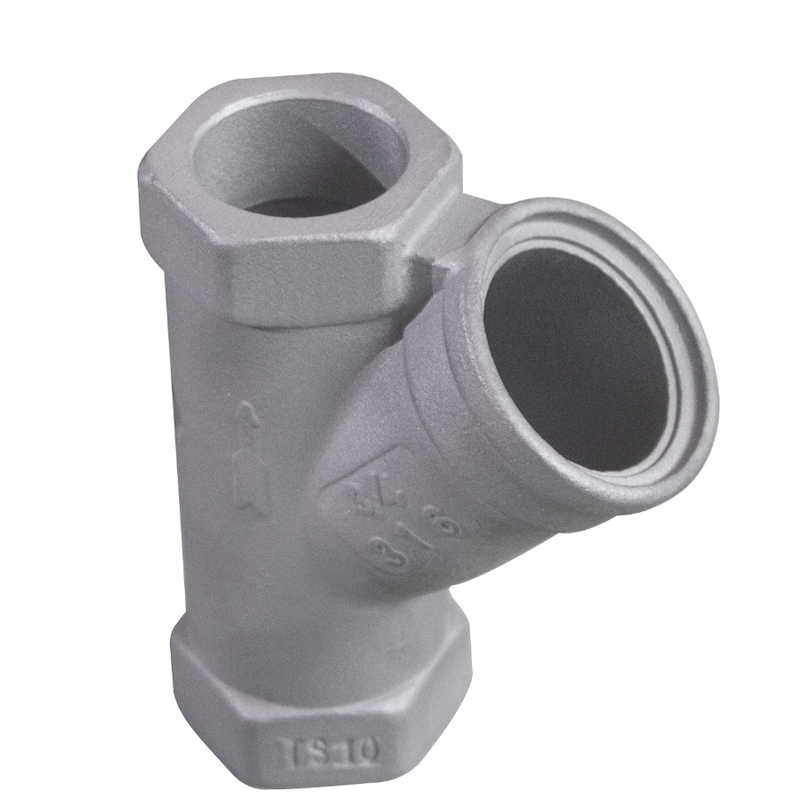
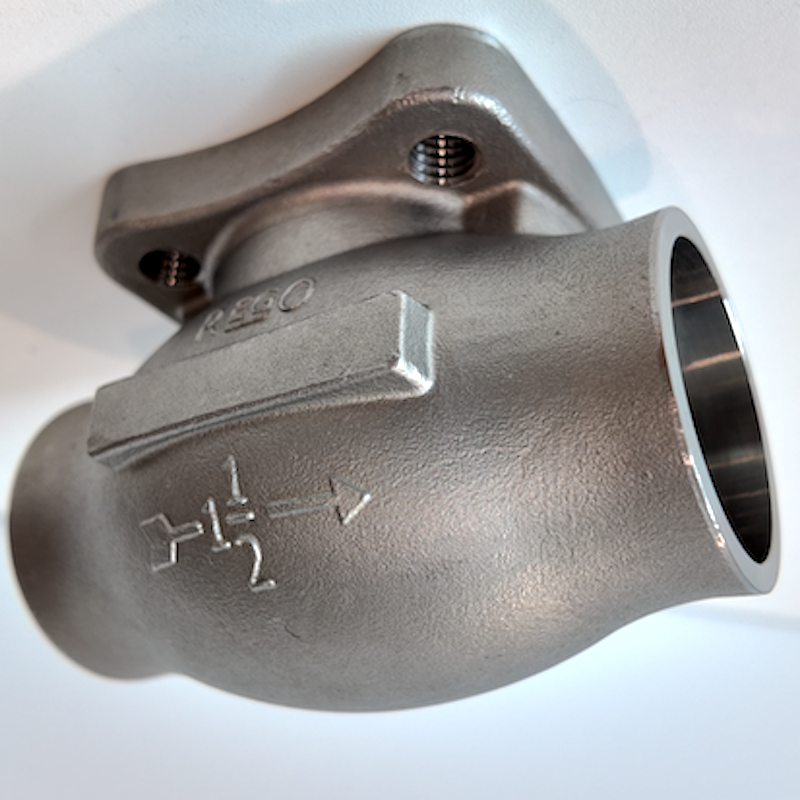
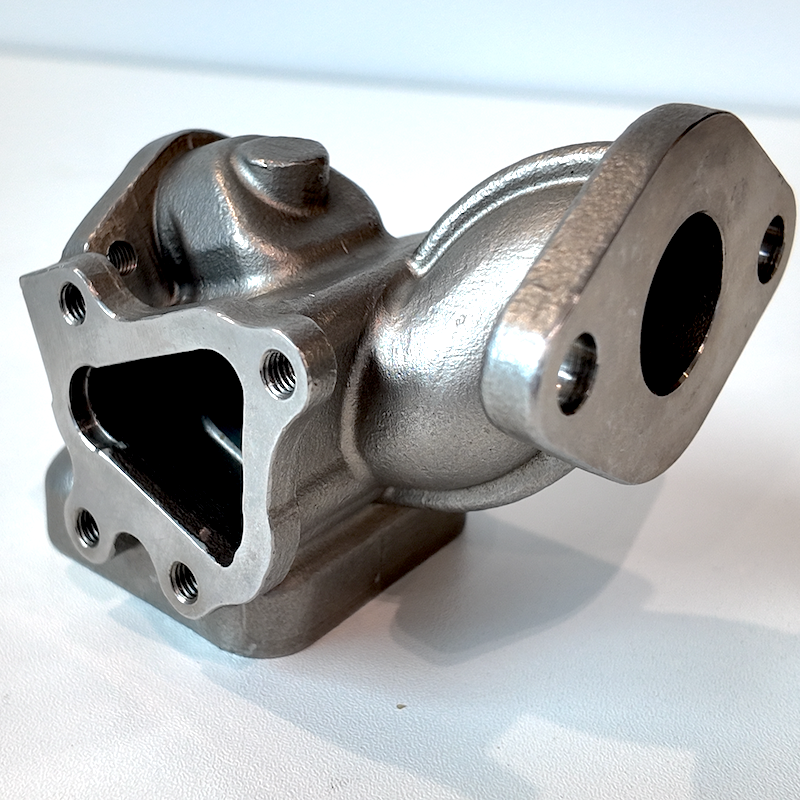
A precision steel casting manufacturer specializes in producing intricate metal components through advanced foundry processes that deliver exceptional accuracy and superior surface finishes. These manufacturers utilize investment casting, also known as lost-wax casting, to create complex geometries that would be difficult or impossible to achieve through traditional machining methods. The core function of a precision steel casting manufacturer involves transforming molten steel alloys into precisely dimensioned parts by pouring liquid metal into ceramic molds created from wax patterns. This manufacturing approach enables the production of components with tight tolerances, typically ranging from plus or minus 0.005 inches, while maintaining excellent dimensional consistency across large production runs. The technological capabilities of a precision steel casting manufacturer encompass multiple stages including pattern creation, shell building, dewaxing, metal pouring, shell removal, and finishing operations. Modern facilities employ computer-aided design software, simulation tools, and automated equipment to optimize every phase of production. These manufacturers work with various steel grades including carbon steels, alloy steels, stainless steels, and specialized high-performance alloys to meet diverse industrial requirements. Applications span numerous sectors such as aerospace, automotive, energy generation, medical devices, defense systems, industrial machinery, and marine equipment. The precision steel casting manufacturer serves as a critical partner for companies requiring components that combine design flexibility with mechanical strength and reliability. By leveraging decades of metallurgical expertise and continuous process improvements, these manufacturers deliver parts that meet stringent quality standards while reducing material waste and overall production costs compared to alternative fabrication methods. The ability to cast near-net-shape parts minimizes subsequent machining requirements, thereby accelerating time-to-market and improving cost-effectiveness for end users across global industries.

New Product Releases

Working with a precision steel casting manufacturer offers substantial practical benefits that directly impact your bottom line and product performance. First, you gain remarkable design freedom to create complex shapes with internal passages, undercuts, and intricate surface details that would require multiple machining operations or assembly steps using conventional methods. This flexibility allows engineers to consolidate multiple parts into single castings, reducing assembly time, eliminating potential failure points, and decreasing overall system weight. Second, the manufacturing process delivers excellent material properties because controlled solidification creates uniform grain structures throughout the component, resulting in consistent mechanical strength and durability. You receive parts that perform reliably under demanding conditions including high temperatures, corrosive environments, and extreme mechanical stress. Third, cost efficiency improves significantly when producing medium to high volumes because tooling investments amortize across production quantities, and near-net-shape casting minimizes expensive secondary machining. Material utilization rates exceed ninety percent in many applications, reducing raw material expenses and supporting sustainability initiatives. Fourth, a precision steel casting manufacturer provides faster prototyping and production scaling compared to forging or extensive machining approaches, allowing you to bring products to market more quickly and respond to changing customer demands with greater agility. Fifth, surface finish quality directly from the casting process often meets final specifications without extensive grinding or polishing, saving processing time and labor costs. Sixth, dimensional accuracy ensures interchangeability and proper fit during assembly, reducing quality control rejections and warranty claims. Seventh, access to diverse steel alloy options means you can select materials optimized for specific performance requirements such as corrosion resistance, high-temperature strength, wear resistance, or magnetic properties. Eighth, established manufacturers maintain rigorous quality systems including non-destructive testing, chemical analysis, and mechanical property verification, giving you confidence that components meet specifications consistently. Ninth, expert technical support helps optimize designs for castability, identifying potential issues early and recommending modifications that improve manufacturability without compromising functionality. Finally, long-term supplier relationships with a precision steel casting manufacturer create opportunities for continuous improvement, cost reduction initiatives, and collaborative innovation that strengthen your competitive position in the marketplace while ensuring reliable supply chain performance.

Tips And Tricks

Which Quality Standards Should a Custom Lost Wax Casting Foundry Meet for Export Markets?

05

Jun

Which Quality Standards Should a Custom Lost Wax Casting Foundry Meet for Export Markets?

Selecting a manufacturing partner for precision components intended for international buyers is never a straightforward decision. When the supply chain depends on a custom lost wax casting foundry, procurement engineers and quality managers must go b...
View More
How Should Buyers Choose a Reliable Medium Temperature Wax Casting Service Provider?

26

Jun

How Should Buyers Choose a Reliable Medium Temperature Wax Casting Service Provider?

Selecting the right manufacturing partner for medium temperature wax casting is one of the most consequential decisions a procurement professional or product engineer can make. The process, which involves injecting wax into precision dies at carefull...
View More
How Do OEM ODM Precision Casting Services Support Flexible Design and Rapid Prototyping?

26

Jun

How Do OEM ODM Precision Casting Services Support Flexible Design and Rapid Prototyping?

Figure 1: Custom Valve Body Fabricated via Precision Investment Casting, Featuring Crisp Surface Details and Net-Shape Integrity. In today's fast-evolving manufacturing landscape, the ability to move from concept to production-ready component quickly...
View More
Why Are Stainless Steel Investment Castings Preferred for Corrosion Resistant Applications?

26

Jun

Why Are Stainless Steel Investment Castings Preferred for Corrosion Resistant Applications?

In demanding industrial environments where moisture, chemicals, and extreme temperatures are constant threats, material selection is one of the most critical engineering decisions a manufacturer can make. Among the available manufacturing methods, st...
View More

Get a Free Quote

Our representative will contact you soon.
Email
Name
Mobile
Company Name
Message
0/1000

precision steel casting manufacturer

Superior Dimensional Accuracy and Repeatability

Superior Dimensional Accuracy and Repeatability

The exceptional dimensional accuracy achieved by a precision steel casting manufacturer represents one of the most valuable attributes for industries where component fit and function are critical. Unlike sand casting or other conventional foundry methods, precision casting processes maintain tolerances as tight as plus or minus 0.005 inches across complex geometries, eliminating the need for extensive post-casting machining operations. This accuracy stems from the use of precision-engineered wax patterns and high-quality ceramic shell materials that faithfully reproduce even the finest details during the casting process. When you partner with an experienced precision steel casting manufacturer, you benefit from their sophisticated pattern-making capabilities that incorporate dimensional compensation factors accounting for both wax and metal shrinkage during cooling. Advanced manufacturers employ coordinate measuring machines and optical scanning systems to verify pattern accuracy before production begins, ensuring that dimensional integrity transfers through every subsequent manufacturing stage. The repeatability of the process means that whether you order one hundred parts or one hundred thousand parts, each component maintains consistent dimensions within specified tolerances. This consistency proves especially valuable for assemblies requiring precise mating surfaces, threaded features, or critical spacing between elements. The precision steel casting manufacturer achieves this repeatability through standardized procedures, controlled environmental conditions, and rigorous process monitoring at every production step. Automated wax injection systems ensure pattern uniformity, robotic shell-building equipment applies consistent coating thickness, and computer-controlled furnaces maintain precise temperature profiles during dewaxing and metal pouring. Furthermore, statistical process control methodologies identify variations before they result in non-conforming parts, enabling real-time adjustments that maintain quality standards. For customers, this translates to reduced assembly difficulties, fewer rejected parts, lower inspection costs, and enhanced end-product reliability. The ability to cast features like mounting bosses, alignment pins, and reference surfaces directly into components eliminates secondary operations and associated positioning errors. Industries such as aerospace, medical devices, and precision instrumentation particularly value this capability because their applications demand exacting standards where even minor dimensional deviations can compromise safety or performance. By choosing a precision steel casting manufacturer with proven track records in dimensional control, you secure a manufacturing partner capable of meeting the most demanding specifications while maintaining cost-effectiveness across your production volumes.
Extensive Material Selection for Optimized Performance

Extensive Material Selection for Optimized Performance

A distinguishing strength of working with a qualified precision steel casting manufacturer lies in the comprehensive range of steel alloys available to match your specific performance requirements. Unlike manufacturing processes limited to specific material families, precision casting accommodates virtually any steel composition that can be melted and poured, including carbon steels, low-alloy steels, high-alloy steels, stainless steels, duplex stainless steels, precipitation-hardening stainless steels, tool steels, and specialized grades developed for extreme service conditions. This material flexibility enables engineers to select alloys with properties precisely tailored to application demands such as corrosion resistance in marine environments, high-temperature strength in turbine components, wear resistance in mining equipment, or biocompatibility in medical implants. The precision steel casting manufacturer maintains expertise in metallurgy, understanding how composition affects castability, mechanical properties, heat treatment response, and long-term service performance. They guide material selection by considering factors including operating temperatures, stress levels, environmental exposures, required hardness, impact resistance, and regulatory compliance requirements. For instance, when corrosion resistance is paramount, they might recommend casting in 316 stainless steel or duplex grades offering superior pitting resistance. When high strength combined with toughness is needed, they could suggest low-alloy steels with chromium-molybdenum additions that respond well to heat treatment. The manufacturer's foundry capabilities include precise control of chemical composition through spectrographic analysis, ensuring that each heat of metal meets specified chemistry ranges. They also understand how cooling rates during solidification influence microstructure and properties, adjusting process parameters to achieve optimal results for each alloy system. Advanced precision steel casting manufacturers offer value-added heat treatment services including annealing, normalizing, quenching and tempering, solution annealing, and aging treatments that develop desired mechanical properties. This integrated approach means you receive finished components with verified hardness, tensile strength, yield strength, elongation, and impact toughness meeting your specifications. Additionally, surface treatments such as passivation for stainless steels, shot peening for fatigue resistance, or various coating applications can be coordinated through the manufacturer. The ability to cast prototype quantities in the actual production alloy accelerates development cycles because testing reflects true material behavior rather than relying on substitute materials. This material versatility combined with casting process flexibility positions the precision steel casting manufacturer as an invaluable resource for solving complex engineering challenges where material performance directly determines product success and customer satisfaction across demanding applications.
Cost-Effective Production with Minimal Material Waste

Cost-Effective Production with Minimal Material Waste

The economic advantages provided by a precision steel casting manufacturer extend far beyond initial piece-price considerations, encompassing total lifecycle costs that significantly impact profitability. The near-net-shape capability inherent in precision casting means that components emerge from molds closely resembling final dimensions, minimizing the amount of material that must be removed through machining operations. This characteristic contrasts sharply with manufacturing approaches that begin with oversized bar stock, forgings, or plate material requiring extensive cutting to reach final geometry. Material utilization rates in precision casting frequently exceed ninety percent, with only minor amounts removed during gate cutting and finishing operations. For expensive alloy steels and stainless grades, this efficiency translates directly to reduced raw material costs per component. The precision steel casting manufacturer also eliminates tooling expenses associated with multiple machining setups, specialized cutting tools, and lengthy programming time required for complex geometries. While initial pattern and tooling investment exists, these costs amortize rapidly across production quantities, and patterns remain usable for years with proper maintenance. The reduction in machining time delivers additional savings through lower labor costs, decreased machine occupation time, and reduced tool wear. Energy consumption per part decreases because melting and casting require less total energy than the combination of primary metal production, forging or forming operations, and extensive machining. Furthermore, consolidating multiple machined and welded components into single cast pieces eliminates assembly labor, reduces inventory complexity, and improves reliability by removing potential weld failure points. The precision steel casting manufacturer contributes to waste reduction and sustainability goals because scrap metal from gates and runners returns directly to the melting process, creating a closed-loop material flow. This recycling capability minimizes environmental impact while recovering material value. Shorter overall production cycles enabled by casting translate to reduced work-in-process inventory carrying costs and faster response to customer demands. The ability to modify designs by changing wax patterns rather than retooling entire machining operations provides flexibility for product improvements and customization without prohibitive expenses. Quality costs decrease because consistent dimensional accuracy reduces inspection requirements, minimizes rework, and lowers warranty claim rates. For products requiring certification or traceability, the precision steel casting manufacturer maintains comprehensive documentation including material certifications, process parameters, and inspection results that satisfy regulatory requirements without additional customer expense. Total cost analysis reveals that precision casting often provides the lowest per-component cost when evaluating design flexibility, material efficiency, production speed, quality consistency, and long-term reliability. Companies seeking to optimize manufacturing expenses while maintaining high-quality standards find that partnering with an experienced precision steel casting manufacturer delivers measurable financial benefits that strengthen competitive positioning and support business growth objectives across diverse industrial markets and applications.

Get a Free Quote

Our representative will contact you soon.
Email
Name
Mobile
Company Name
Message
0/1000