Aerospace Precision Components - High-Performance Parts for Aviation and Space Applications

Get a Free Quote

Our representative will contact you soon.
Email
Name
Mobile
Company Name
Message
0/1000

aerospace precision components

Aerospace precision components represent the backbone of modern aviation and space exploration technologies, serving as critical elements that ensure safety, reliability, and optimal performance in the most demanding environments imaginable. These specialized parts are manufactured to exact specifications, often measured in microns, and must withstand extreme conditions including intense vibration, dramatic temperature fluctuations, high-pressure scenarios, and corrosive atmospheric exposure. The main functions of aerospace precision components encompass structural support, mechanical motion control, fluid management, electrical connectivity, and thermal regulation within aircraft, satellites, rockets, and spacecraft systems. Each component plays a vital role in maintaining the integrity and functionality of complex aerospace systems where failure is simply not an option. Technological features of aerospace precision components include advanced material compositions such as titanium alloys, specialized aluminum grades, high-strength steel variants, composite materials, and exotic metals like Inconel and Hastelloy. Manufacturing processes involve state-of-the-art CNC machining, precision grinding, electrical discharge machining, additive manufacturing techniques, and advanced coating applications. Quality assurance procedures incorporate coordinate measuring machines, non-destructive testing methods, spectroscopy analysis, and rigorous certification protocols that meet or exceed international aerospace standards including AS9100, NADCAP, and ISO certifications. Applications for aerospace precision components span across commercial aviation where they form essential parts of engines, landing gear assemblies, hydraulic systems, and flight control mechanisms. In military aerospace applications, these components contribute to fighter jets, transport aircraft, helicopters, and unmanned aerial vehicles. Space exploration relies heavily on aerospace precision components for satellite systems, launch vehicles, space stations, and interplanetary probes. The defense sector utilizes these specialized parts in missile guidance systems, radar installations, and communication equipment. As aerospace technology continues advancing toward more efficient, sustainable, and capable systems, the demand for increasingly sophisticated aerospace precision components grows correspondingly, driving innovation in materials science, manufacturing methodologies, and quality control processes that push the boundaries of what is technically achievable in component production.

New Product Recommendations

Choosing aerospace precision components for your projects delivers substantial benefits that directly impact operational success, cost efficiency, and long-term reliability. First and foremost, these components offer exceptional durability that translates into extended service life and reduced maintenance requirements. Unlike standard industrial parts, aerospace precision components undergo rigorous testing and quality verification processes that eliminate defects before installation, saving you from costly downtime and unexpected failures. The superior material quality means components resist wear, corrosion, and fatigue far better than conventional alternatives, maintaining performance characteristics throughout their operational lifespan. This reliability proves invaluable when equipment operates in remote locations or critical situations where replacement becomes difficult or impossible. Weight optimization represents another significant advantage, as aerospace precision components are engineered to provide maximum strength while minimizing mass. This weight reduction directly improves fuel efficiency in aircraft applications, increases payload capacity, and enhances overall performance metrics. For space applications, every gram saved translates into substantial cost reductions in launch expenses. The precision manufacturing tolerances ensure perfect fit and function, eliminating installation complications and reducing assembly time. Components mate correctly the first time, streamlining production schedules and minimizing labor costs associated with adjustments or modifications. Performance consistency across production runs means you can confidently scale projects without worrying about component variation affecting system behavior. The advanced engineering behind aerospace precision components incorporates lessons learned from decades of aerospace experience, embodying design optimizations that prevent common failure modes. This proactive approach to reliability engineering protects your investment and reputation. Compliance with international aerospace standards provides assurance that components meet stringent safety and quality requirements recognized worldwide. This certification simplifies regulatory approval processes and facilitates international business operations. The technical support available from aerospace precision components manufacturers offers valuable expertise during design phases, helping optimize component selection and integration strategies. This collaborative approach reduces development time and avoids costly design iterations. Environmental resistance built into aerospace precision components protects against temperature extremes, chemical exposure, ultraviolet radiation, and moisture intrusion that would degrade lesser components. This resilience ensures consistent performance across diverse operating environments from arctic conditions to desert heat, from sea-level humidity to high-altitude dryness. The traceability systems maintained for aerospace precision components document material origins, manufacturing processes, inspection results, and certification status, providing complete accountability and facilitating maintenance planning. When you invest in aerospace precision components, you gain peace of mind knowing that every aspect of component production prioritizes quality, performance, and reliability above all else.

Latest News

How Does a Precision Investment Casting Manufacturer Ensure Consistent Quality Across Global Supply Chains?

05

Jun

How Does a Precision Investment Casting Manufacturer Ensure Consistent Quality Across Global Supply Chains?

In today's interconnected industrial landscape, sourcing complex metal components across international borders presents a formidable quality challenge. the manufacturer must navigate an intricate web of raw material sourcing, multi-stage production c...
View More
Which Quality Standards Should a Custom Lost Wax Casting Foundry Meet for Export Markets?

05

Jun

Which Quality Standards Should a Custom Lost Wax Casting Foundry Meet for Export Markets?

Selecting a manufacturing partner for precision components intended for international buyers is never a straightforward decision. When the supply chain depends on a custom lost wax casting foundry, procurement engineers and quality managers must go b...
View More
How Do OEM ODM Precision Casting Services Support Flexible Design and Rapid Prototyping?

26

Jun

How Do OEM ODM Precision Casting Services Support Flexible Design and Rapid Prototyping?

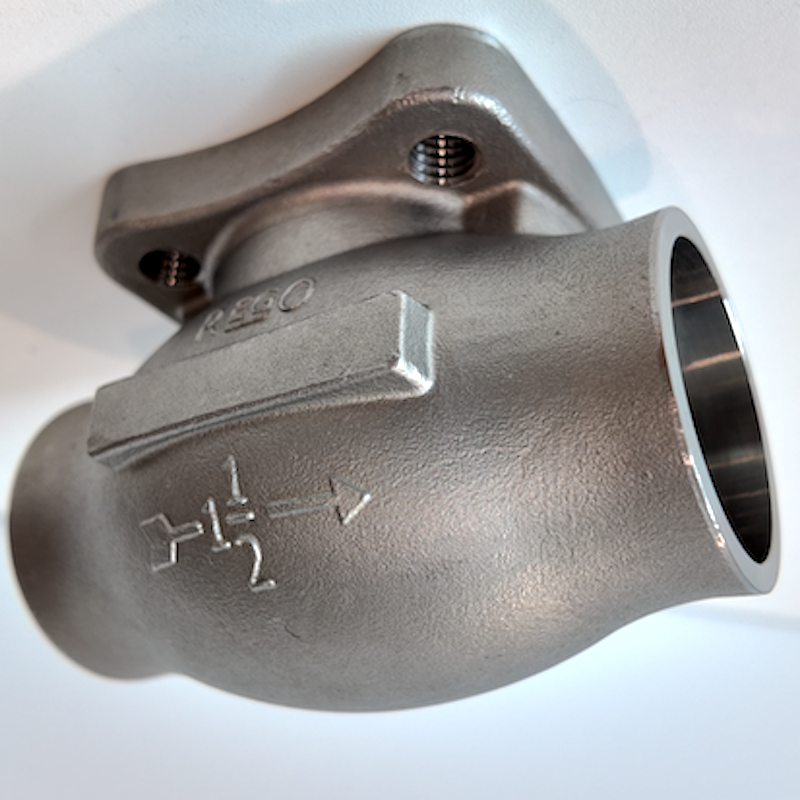
Figure 1: Custom Valve Body Fabricated via Precision Investment Casting, Featuring Crisp Surface Details and Net-Shape Integrity. In today's fast-evolving manufacturing landscape, the ability to move from concept to production-ready component quickly...
View More
What Should Global Buyers Expect from OEM ODM Precision Casting Services Suppliers?

05

Jun

What Should Global Buyers Expect from OEM ODM Precision Casting Services Suppliers?

For global buyers sourcing complex metal components, selecting a reliable partner for oem odm precision casting services is one of the most consequential procurement decisions in a production cycle. The stakes are high: dimensional inaccuracies, inco...
View More

Get a Free Quote

Our representative will contact you soon.
Email
Name
Mobile
Company Name
Message
0/1000

aerospace precision components

Uncompromising Quality Standards and Certification Compliance

Uncompromising Quality Standards and Certification Compliance

The manufacturing process for aerospace precision components adheres to the most stringent quality standards in any industry, establishing a foundation of reliability that customers can depend upon without reservation. Every aerospace precision components manufacturer operating in this specialized field must achieve and maintain certifications that demonstrate capability, consistency, and commitment to excellence. The AS9100 certification, specifically developed for the aerospace industry, extends beyond basic ISO 9001 requirements by incorporating additional quality management system elements critical for aviation and space applications. This certification ensures that aerospace precision components are produced within controlled environments where every process variable is monitored, documented, and optimized for consistent results. NADCAP accreditation for special processes like heat treatment, welding, non-destructive testing, and chemical processing provides independent verification that critical manufacturing steps meet aerospace industry consensus standards. These certifications are not merely paperwork exercises but represent comprehensive audits of facilities, procedures, equipment calibration, personnel training, and process capability. For customers, this means aerospace precision components arrive with documented evidence of conformance to specifications, material certifications tracing raw material origins, inspection reports detailing dimensional accuracy, and test results confirming mechanical properties. The traceability extends throughout the component lifecycle, enabling customers to access complete manufacturing history if questions arise during service. Quality assurance for aerospace precision components includes first article inspections where initial production samples undergo exhaustive evaluation before full production begins, in-process inspections catching deviations immediately, and final inspections verifying all specifications are met. Advanced metrology equipment including coordinate measuring machines with sub-micron accuracy, optical comparators, surface finish analyzers, and hardness testers ensure dimensional and material property conformance. Non-destructive testing methods such as ultrasonic inspection, magnetic particle testing, liquid penetrant examination, and radiographic analysis detect internal defects without damaging components. This multi-layered inspection approach virtually eliminates the possibility of defective aerospace precision components reaching customers. The statistical process control methods employed track process performance over time, identifying trends before they result in non-conforming parts. This proactive quality management philosophy prevents problems rather than simply detecting them after occurrence. For customers in industries where component failure carries severe consequences, whether safety risks, financial losses, or mission failures, the quality assurance systems behind aerospace precision components provide essential confidence that parts will perform as specified under all anticipated conditions.
Advanced Materials and Manufacturing Technologies

Advanced Materials and Manufacturing Technologies

The exceptional performance characteristics of aerospace precision components stem directly from the sophisticated materials and cutting-edge manufacturing technologies employed in their production. Material selection for aerospace precision components considers multiple factors including strength-to-weight ratios, thermal expansion coefficients, corrosion resistance, fatigue life, machinability, and cost-effectiveness. Titanium alloys have become increasingly prevalent in aerospace precision components due to their remarkable combination of high strength, low density, and excellent corrosion resistance, particularly in applications involving elevated temperatures or corrosive environments. These materials maintain mechanical properties across wide temperature ranges, making them ideal for components exposed to the thermal cycling experienced during flight operations. Aluminum alloys offer excellent weight savings while providing adequate strength for many structural applications, and modern aerospace-grade aluminum formulations incorporate elements that enhance precipitation hardening and improve damage tolerance. Superalloys based on nickel, cobalt, or iron provide the extreme temperature capability required for aerospace precision components in hot sections of engines where temperatures exceed the melting point of conventional materials. These exotic alloys resist creep deformation, oxidation, and thermal fatigue under conditions that would quickly destroy ordinary metals. Composite materials combining carbon fibers, aramid fibers, or glass fibers with polymer matrices create aerospace precision components with tailored directional strength properties and dramatic weight reductions compared to metallic alternatives. The manufacturing technologies transforming these advanced materials into finished aerospace precision components represent the pinnacle of modern production capability. Multi-axis CNC machining centers with five-axis simultaneous movement capabilities produce complex geometries with minimal setups, reducing handling errors and improving dimensional accuracy. High-speed machining techniques using optimized cutting parameters and advanced tooling materials achieve superior surface finishes while extending tool life and reducing production time. Electrical discharge machining creates intricate features and shapes in hardened materials that would be difficult or impossible to produce through conventional cutting methods. Additive manufacturing technologies including selective laser melting and electron beam melting build aerospace precision components layer by layer directly from digital models, enabling organic geometries that optimize stress distribution and reduce weight beyond what traditional subtractive manufacturing can achieve. These additive processes also dramatically reduce material waste and shorten lead times for low-volume production runs. Advanced coating technologies apply protective layers that enhance corrosion resistance, reduce friction, improve wear characteristics, or provide thermal barriers. Physical vapor deposition, chemical vapor deposition, thermal spraying, and electroplating processes create coatings with precisely controlled thickness and composition. The integration of these advanced materials and manufacturing technologies means aerospace precision components deliver performance levels unattainable through conventional production methods, providing customers with components that operate reliably in the most challenging environments while minimizing weight and maximizing efficiency.
Customization Capabilities and Engineering Support

Customization Capabilities and Engineering Support

One of the most valuable yet often overlooked advantages of working with aerospace precision components suppliers is the extensive customization capabilities and comprehensive engineering support they provide throughout the product development lifecycle. Unlike commodity suppliers offering only catalog items, manufacturers of aerospace precision components maintain in-house engineering teams with deep expertise in materials science, mechanical design, thermal management, stress analysis, and aerospace systems integration. This technical knowledge becomes available to customers as a collaborative resource during component specification and design phases. When standard aerospace precision components do not perfectly match application requirements, customization options allow modifications to dimensions, materials, surface treatments, or features that optimize performance for specific use cases. The engineering support begins with understanding customer requirements, not just dimensional specifications but also operational environment characteristics, performance expectations, interface requirements with adjacent components, and regulatory compliance needs. Experienced engineers can often suggest design modifications that improve manufacturability, reduce costs, or enhance reliability based on lessons learned from thousands of previous aerospace precision components projects. Finite element analysis capabilities allow engineering teams to simulate stress distributions, thermal behaviors, vibration responses, and fatigue life predictions before committing to physical prototypes. This computational analysis identifies potential weak points and validates design adequacy, reducing development risk and accelerating time to production. Rapid prototyping services produce sample aerospace precision components quickly for fit checks, functional testing, and design verification, enabling iterative refinement before full production tooling investment. The willingness of aerospace precision components manufacturers to produce small quantities for qualification testing, even custom configurations, provides flexibility that supports efficient product development processes. Design for manufacturability reviews ensure that aerospace precision components can be produced consistently at required quality levels and reasonable costs, avoiding situations where theoretically sound designs prove impractical to manufacture. This manufacturing perspective during design phases prevents costly redesigns after production begins. Material selection guidance draws on extensive experience with how different alloys and grades perform in various aerospace applications, helping customers choose options that balance performance requirements with cost considerations. Surface treatment recommendations ensure that aerospace precision components receive appropriate coatings or finishing processes for their intended environment and operational stresses. The documentation support provided includes detailed drawings with appropriate geometric dimensioning and tolerancing, material specifications referencing industry standards, inspection plans defining critical characteristics, and certification requirements. This comprehensive documentation package facilitates smooth transitions from development through qualification testing to full-rate production. Ongoing technical support continues after initial production begins, with applications engineers available to address questions, troubleshoot issues, and recommend process improvements. For customers developing aerospace systems, particularly those without extensive in-house aerospace experience, this engineering partnership significantly reduces development risks and accelerates market entry while ensuring that aerospace precision components meet all performance and regulatory requirements.

Get a Free Quote

Our representative will contact you soon.
Email
Name
Mobile
Company Name
Message
0/1000