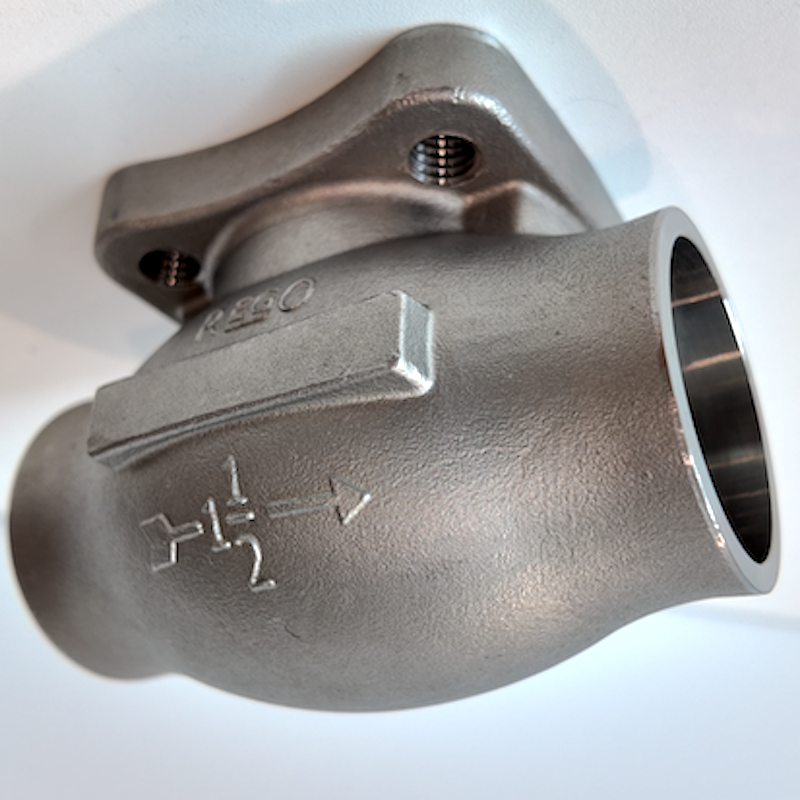
Aerospace Precision Components - High-Performance Parts for Aviation and Space Applications

Get a Free Quote

Our representative will contact you soon.
Email
Name
Company Name
Message
0/1000

aerospace precision components

Aerospace precision components represent the pinnacle of manufacturing excellence, serving as critical elements in aircraft, satellites, missiles, and space exploration vehicles. These meticulously engineered parts are manufactured to extraordinarily tight tolerances, often measured in microns, ensuring optimal performance in the demanding conditions of atmospheric and space flight. The main functions of aerospace precision components encompass structural integrity maintenance, precise motion control, fluid management, electrical connectivity, and thermal regulation across various aerospace systems. These components include turbine blades, landing gear assemblies, hydraulic actuators, fuel injection nozzles, bearing systems, valve mechanisms, fasteners, and sensor housings. The technological features distinguishing aerospace precision components involve advanced material selection such as titanium alloys, nickel-based superalloys, composite materials, and specialized stainless steels that withstand extreme temperatures, pressures, and corrosive environments. Manufacturing processes incorporate computer numerical control machining, electrical discharge machining, additive manufacturing techniques, precision casting, and multi-axis milling to achieve dimensional accuracy and surface finish requirements. Quality assurance protocols include coordinate measuring machine inspection, non-destructive testing methods, material certification tracking, and statistical process control to guarantee compliance with stringent aerospace standards like AS9100. Applications span commercial aviation where aerospace precision components enable safe passenger transport, military defense systems requiring reliability under combat conditions, satellite technology demanding long-term operational stability in space, and emerging sectors like urban air mobility and reusable launch vehicles. The aerospace precision components undergo rigorous qualification testing including vibration analysis, thermal cycling, fatigue testing, and environmental exposure simulation before receiving certification for flight use, ensuring they meet the uncompromising safety and performance standards that define the aerospace industry's operational excellence and passenger protection priorities.

New Products

Choosing aerospace precision components delivers substantial practical benefits that directly impact operational success and financial performance. First, these components provide unmatched reliability that reduces unexpected failures during critical missions, translating to fewer flight cancellations, lower maintenance interruptions, and enhanced safety records that protect both lives and corporate reputations. The exceptional durability of aerospace precision components means extended service intervals between replacements, cutting down on spare parts inventory costs and reducing the frequency of expensive maintenance procedures that ground aircraft and disrupt revenue-generating operations. Manufacturing accuracy ensures perfect fitment during installation, eliminating time-consuming adjustments and rework that delay aircraft return to service, thereby maximizing fleet availability and operational efficiency. Weight optimization through precision engineering contributes to fuel savings over the component's lifetime, as every gram reduced in aircraft weight translates to lower fuel consumption across thousands of flight hours, generating significant cost reductions and environmental benefits through decreased carbon emissions. Performance consistency across production batches guarantees predictable behavior in service, allowing maintenance teams to plan schedules confidently and avoid surprises that complicate logistics and resource allocation. The superior material properties resist corrosion, erosion, and fatigue cracking better than standard industrial components, maintaining structural integrity throughout harsh operating cycles that include temperature extremes, high vibration levels, and exposure to aggressive chemicals. Compliance with international aerospace standards facilitates global operations by ensuring components meet certification requirements across different regulatory jurisdictions, simplifying supply chain management and reducing bureaucratic complications. Traceability documentation accompanying aerospace precision components provides complete manufacturing history, enabling rapid root cause analysis if issues emerge and supporting continuous improvement initiatives that enhance overall system performance. Investment in aerospace precision components protects long-term asset value by preventing catastrophic failures that could damage expensive surrounding systems, avoiding cascade effects that multiply repair costs exponentially. Technical support from specialized manufacturers offers access to engineering expertise that helps optimize component selection, installation procedures, and maintenance practices, leveraging decades of aerospace experience to solve application-specific challenges efficiently and cost-effectively.

Latest News

Selection And Application Scope Of Hardness Tester

11

May

Selection And Application Scope Of Hardness Tester

View More
The Role Of Elements In Castings And The Order Of Addition

11

May

The Role Of Elements In Castings And The Order Of Addition

View More
Stainless Steel Castings for Architectural Posts

11

May

Stainless Steel Castings for Architectural Posts

View More
Precision Stainless Steel Exhaust Manifold Casting Solution For Luxury Sedan - With Japanese First-Tier Car Brand

11

May

Precision Stainless Steel Exhaust Manifold Casting Solution For Luxury Sedan - With Japanese First-Tier Car Brand

View More

Get a Free Quote

Our representative will contact you soon.
Email
Name
Company Name
Message
0/1000

aerospace precision components

Advanced Material Engineering for Extreme Environment Performance

Advanced Material Engineering for Extreme Environment Performance

The foundation of exceptional aerospace precision components lies in sophisticated material engineering that addresses the unprecedented challenges of flight operations. These components utilize cutting-edge alloys and composites specifically developed to maintain structural integrity and functional performance under conditions that would destroy conventional materials within minutes. Titanium alloys offer an outstanding strength-to-weight ratio combined with excellent corrosion resistance, making them ideal for airframe structures, engine components, and landing gear parts where reducing weight directly improves fuel efficiency and payload capacity. Nickel-based superalloys demonstrate remarkable high-temperature capabilities, retaining mechanical strength and creep resistance at temperatures exceeding 1000 degrees Celsius, which proves essential for turbine blades and combustion chamber components subjected to extreme thermal stress during engine operation. Carbon fiber reinforced polymers deliver exceptional stiffness with minimal weight, enabling designers to create aerodynamic surfaces and structural elements that reduce overall aircraft mass while maintaining rigidity requirements for flight control precision. The material selection process for aerospace precision components involves extensive testing protocols that simulate decades of operational stress in accelerated timeframes, including fatigue cycling that replicates millions of pressure fluctuations, thermal shock testing that exposes materials to rapid temperature changes, and corrosion resistance evaluation in environments containing saltwater, hydraulic fluids, and jet fuel. Metallurgical analysis ensures grain structure uniformity, absence of inclusions, and proper heat treatment results that optimize material properties at the microscopic level. Surface treatments like anodizing, plasma coating, and shot peening enhance wear resistance and fatigue life, creating protective barriers that extend component longevity even in abrasive environments. This comprehensive material engineering approach delivers tangible customer value through components that maintain dimensional stability across temperature ranges, resist degradation from environmental exposure, and provide predictable performance characteristics throughout their certified service life, ultimately reducing total cost of ownership while enhancing safety margins.
Ultra-Precision Manufacturing Processes Ensuring Dimensional Excellence

Ultra-Precision Manufacturing Processes Ensuring Dimensional Excellence

Manufacturing aerospace precision components demands technological capabilities far exceeding ordinary machining standards, incorporating advanced production methods that achieve tolerances measured in microns while maintaining consistent quality across thousands of units. Computer numerical control machining centers with five-axis simultaneous movement capability create complex geometries with exceptional accuracy, removing material in precisely calculated toolpaths that minimize stress concentrations and surface imperfections. Electrical discharge machining enables creation of intricate internal passages and features in hardened materials that traditional cutting tools cannot process, using controlled electrical sparks to erode material with remarkable precision for fuel nozzles and cooling channels. Additive manufacturing technologies including selective laser melting and electron beam melting build components layer by layer from metal powder, enabling design freedoms impossible with subtractive methods while reducing material waste and shortening production lead times for complex brackets and ducting systems. Precision grinding operations achieve surface finishes measured in nanometers, creating bearing surfaces and sealing interfaces that minimize friction losses and prevent leakage in hydraulic and pneumatic systems. Coordinate measuring machines equipped with laser scanning and touch probe systems verify dimensional compliance by collecting thousands of measurement points across component surfaces, generating detailed inspection reports that document conformance to engineering specifications. Statistical process control monitors production parameters in real time, detecting subtle variations before they produce defective parts and enabling immediate corrective actions that maintain process stability. Clean room manufacturing environments prevent contamination that could compromise component integrity, controlling particulate levels and humidity to protect sensitive surfaces during production and assembly operations. Heat treatment processes precisely control heating and cooling cycles to achieve desired material properties, with furnace atmospheres carefully managed to prevent oxidation and decarburization. This manufacturing excellence translates directly into customer benefits through components that install correctly the first time, perform reliably throughout their service life, and maintain tight clearances that optimize system efficiency while eliminating the premature failures and performance degradation associated with lower-quality alternatives.
Comprehensive Quality Assurance and Aerospace Certification Compliance

Comprehensive Quality Assurance and Aerospace Certification Compliance

Quality assurance systems for aerospace precision components establish unprecedented verification standards that ensure every part meets rigorous safety and performance requirements before entering service. Non-destructive testing methods including ultrasonic inspection, radiographic examination, magnetic particle testing, and penetrant inspection detect internal flaws, surface cracks, and material discontinuities without damaging components, providing confidence that parts are free from defects that could propagate into catastrophic failures during operation. Material certification documentation traces raw materials back to original mill sources, recording chemical composition analysis, mechanical property test results, and heat treatment records that verify materials meet specifications and provide accountability throughout the supply chain. First article inspection protocols require comprehensive dimensional verification and material testing on initial production units before authorizing full-scale manufacturing, catching potential process issues early and preventing costly production of non-conforming parts. In-process inspection checkpoints throughout manufacturing sequences verify critical dimensions and features at intermediate stages, enabling immediate correction of deviations rather than discovering problems only after extensive additional processing has occurred. Environmental testing subjects representative samples to temperature cycling, humidity exposure, salt spray, and vibration profiles that simulate years of operational stress, validating design margins and material selections before components enter service fleets. Traceability systems assign unique serial numbers to individual components, maintaining complete lifecycle records including manufacturing dates, inspection results, material lot numbers, and service history that support warranty claims, failure investigations, and airworthiness directives. Compliance with AS9100 quality management standards, NADCAP accreditation for special processes, and ISO certification demonstrates organizational commitment to quality excellence and satisfies regulatory requirements across global aerospace markets. Calibration programs ensure measurement equipment accuracy through regular comparison against national standards, preventing measurement drift that could allow out-of-tolerance parts to enter production undetected. This comprehensive quality framework delivers customer value through components backed by documented evidence of conformance, supported by manufacturers with proven quality systems, and certified for use in safety-critical applications where failure is simply not an acceptable option, ultimately providing peace of mind that aerospace precision components will perform as specified throughout their operational lifetime.

Get a Free Quote

Our representative will contact you soon.
Email
Name
Company Name
Message
0/1000