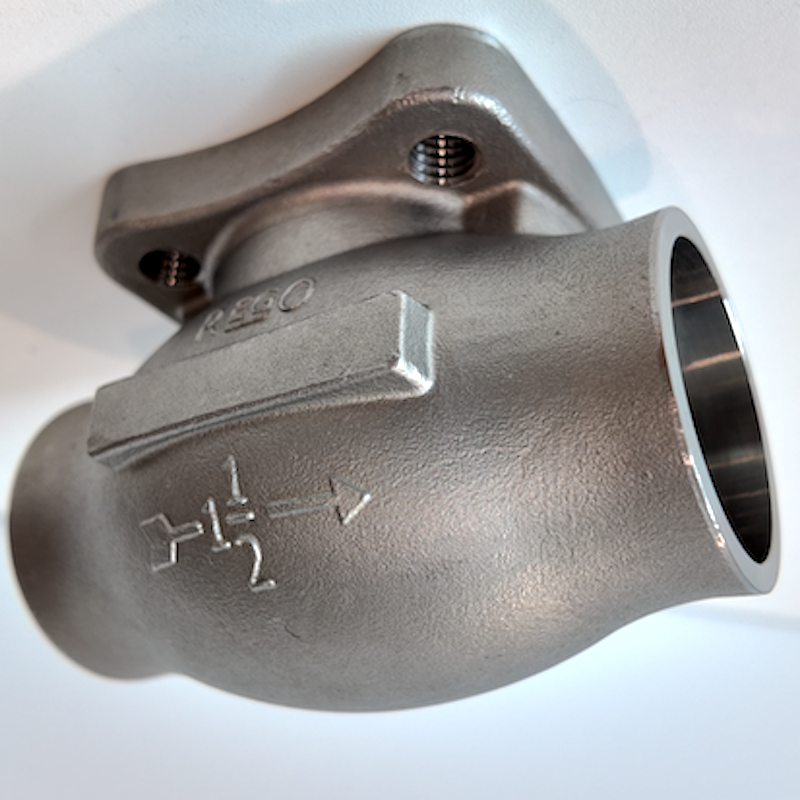
componenti di precisione per l'aerospaziale
I componenti di precisione per l'aerospaziale rappresentano la spina dorsale delle moderne tecnologie aeronautiche e spaziali, fungendo da elementi critici che garantiscono sicurezza, affidabilità e prestazioni ottimali negli ambienti più estremi immaginabili. Questi componenti specializzati vengono prodotti secondo specifiche rigorosissime, spesso misurate in micron, e devono resistere a condizioni estreme quali vibrazioni intense, brusche escursioni termiche, situazioni ad alta pressione ed esposizione a atmosfere corrosive. Le principali funzioni dei componenti di precisione per l'aerospaziale comprendono il supporto strutturale, il controllo del moto meccanico, la gestione dei fluidi, la connettività elettrica e la regolazione termica all'interno di sistemi aeronautici, satellitari, razzi e veicoli spaziali. Ciascun componente svolge un ruolo fondamentale nel preservare l'integrità e la funzionalità di complessi sistemi aerospaziali, nei quali un guasto è semplicemente inaccettabile. Le caratteristiche tecnologiche dei componenti di precisione per l'aerospaziale includono composizioni avanzate di materiali, quali leghe di titanio, leghe speciali di alluminio, varianti di acciaio ad alta resistenza, materiali compositi e metalli esotici come Inconel e Hastelloy. I processi produttivi prevedono lavorazioni CNC all'avanguardia, rettifica di precisione, lavorazione a scarica elettrica (EDM), tecniche di produzione additiva e applicazioni avanzate di rivestimenti. Le procedure di assicurazione della qualità impiegano macchine di misura a coordinate, metodi di prova non distruttiva, analisi spettroscopica e rigorosi protocolli di certificazione conformi o superiori agli standard internazionali per il settore aerospaziale, tra cui AS9100, NADCAP e le certificazioni ISO. Le applicazioni dei componenti di precisione per l'aerospaziale spaziano nell'aviazione commerciale, dove costituiscono parti essenziali di motori, carrelli d'atterraggio, sistemi idraulici e meccanismi di controllo di volo. Nelle applicazioni aerospaziali militari, tali componenti sono impiegati su caccia, aerei da trasporto, elicotteri e veicoli aerei senza pilota (UAV). L'esplorazione spaziale fa ampio affidamento sui componenti di precisione per l'aerospaziale nei sistemi satellitari, nei veicoli di lancio, nelle stazioni spaziali e nelle sonde interplanetarie. Il settore della difesa utilizza questi componenti specializzati nei sistemi di guida missilistica, negli impianti radar e nelle apparecchiature di comunicazione. Man mano che la tecnologia aerospaziale prosegue il suo sviluppo verso sistemi sempre più efficienti, sostenibili e performanti, cresce corrispondentemente la domanda di componenti di precisione aerospaziali sempre più sofisticati, stimolando l'innovazione nelle scienze dei materiali, nelle metodologie produttive e nei processi di controllo qualità, spingendo così i limiti di quanto tecnicamente realizzabile nella produzione di componenti.

 EN
EN