Premium Silica Sol Investment Casting Supplier - Precision Metal Components Manufacturing

Get a Free Quote

Our representative will contact you soon.
Email
Name
Mobile
Company Name
Message
0/1000

silica sol investment casting supplier

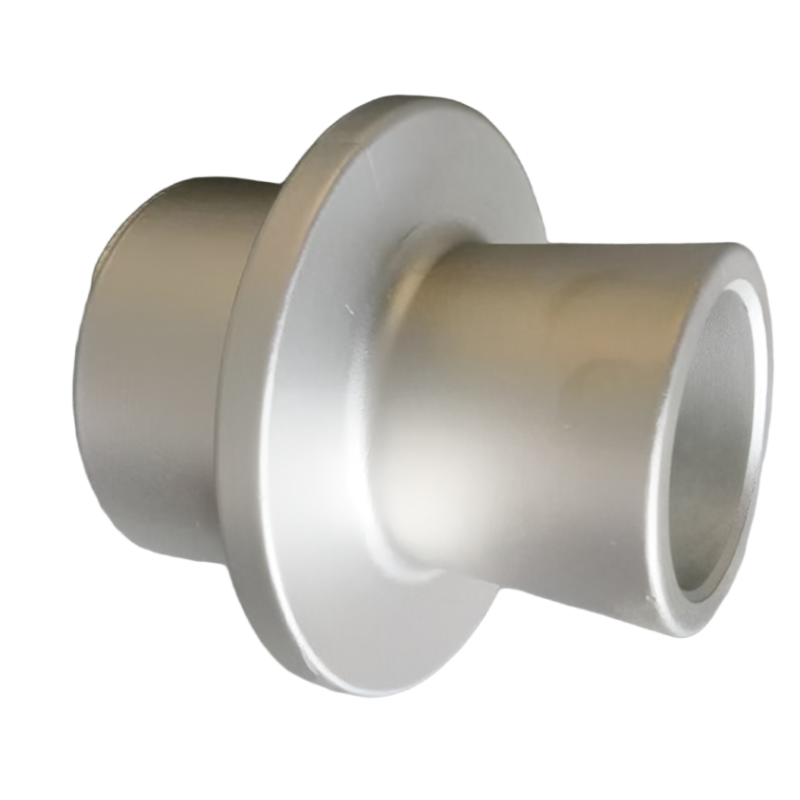
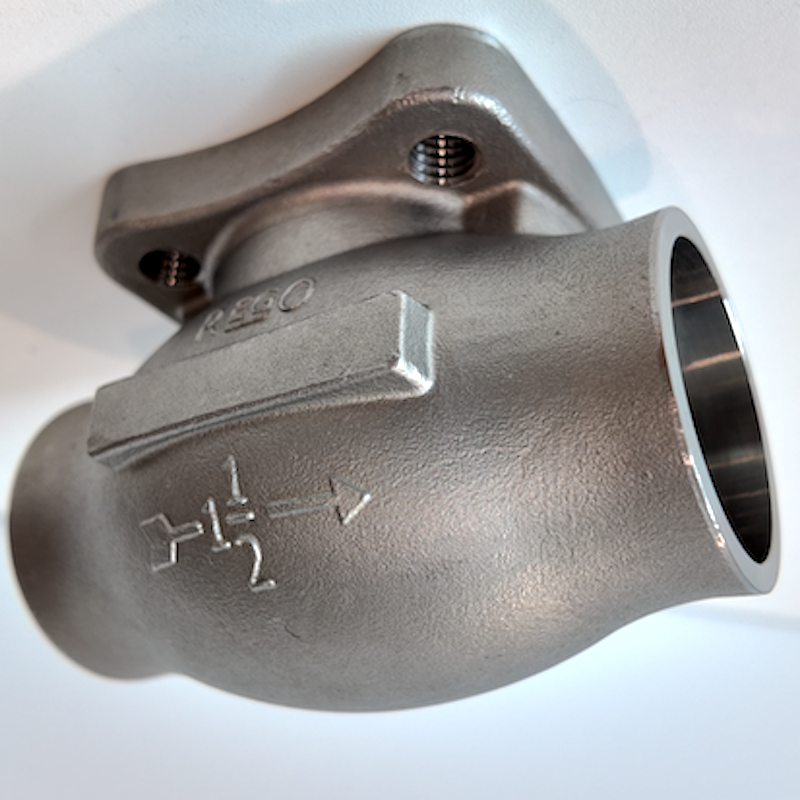
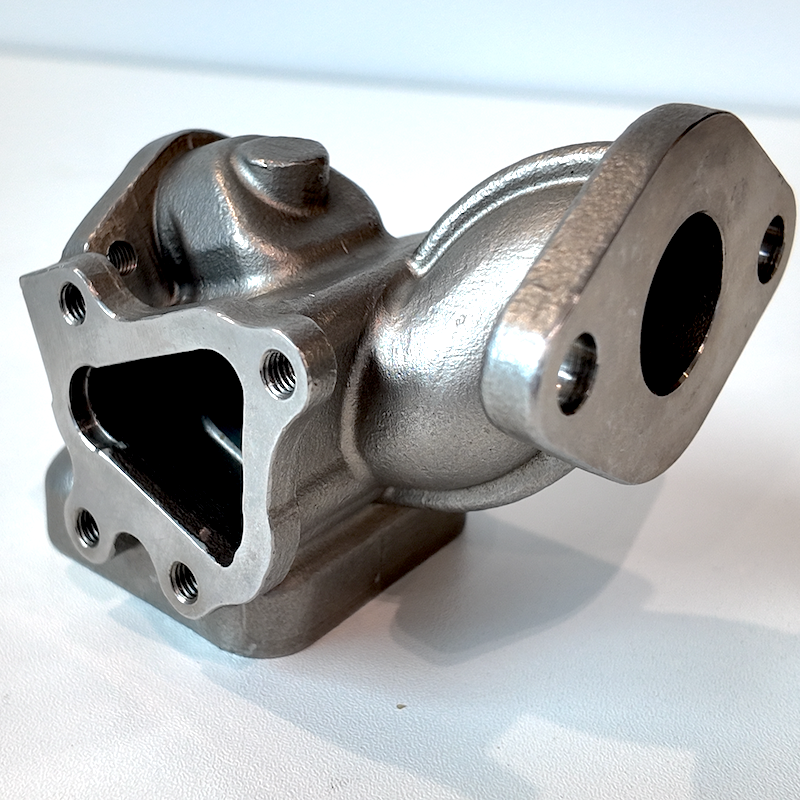
A silica sol investment casting supplier specializes in manufacturing precision metal components through an advanced lost-wax casting process that utilizes colloidal silica as the primary binder material in shell construction. This sophisticated manufacturing method enables the production of intricate metal parts with exceptional surface finish and dimensional accuracy across various industries including aerospace, automotive, medical devices, energy generation, and industrial machinery. The silica sol investment casting supplier operates specialized foundries equipped with modern technology that combines traditional craftsmanship with cutting-edge automation to deliver superior quality castings. The fundamental process begins with creating detailed wax patterns that replicate the desired final component, followed by repeated dipping in silica sol slurry and ceramic stucco application to build robust shell molds. After dewaxing and high-temperature firing, molten metal fills the cavity to form precision components. What distinguishes a professional silica sol investment casting supplier is their comprehensive capability to handle projects from initial design consultation through final inspection and delivery. These suppliers maintain extensive metallurgical expertise, working with diverse alloy systems including stainless steels, carbon steels, tool steels, aluminum alloys, copper alloys, and superalloys. Advanced quality control systems ensure each casting meets stringent dimensional tolerances and mechanical property requirements. The silica sol investment casting supplier typically offers value-added services such as computer-aided design support, prototyping, machining, heat treatment, surface finishing, and assembly. Their technical teams collaborate closely with clients to optimize component designs for manufacturability while maintaining performance specifications. Modern silica sol investment casting suppliers invest continuously in equipment upgrades, process refinement, and workforce training to remain competitive in global markets. They implement lean manufacturing principles and environmental management systems to maximize efficiency while minimizing waste. By choosing an experienced silica sol investment casting supplier, customers gain access to flexible production capabilities that accommodate both small prototype runs and large-scale serial production, all while maintaining consistent quality standards that meet international certification requirements.

New Product Recommendations

Partnering with a qualified silica sol investment casting supplier delivers numerous practical benefits that directly impact product quality and business profitability. The most immediate advantage is the ability to produce complex geometries that would be impossible or economically unfeasible through other manufacturing methods. Components featuring internal passages, undercuts, intricate surface details, and thin walls can be cast as single integrated pieces, eliminating assembly operations and reducing potential failure points. This design freedom allows engineers to optimize parts for functionality rather than manufacturing limitations. Another significant benefit is the exceptional surface finish achieved through the silica sol process, typically ranging from 63 to 125 microinches, which often eliminates secondary finishing operations and reduces overall production costs. The dimensional accuracy provided by a skilled silica sol investment casting supplier routinely achieves tolerances within plus or minus 0.005 inches per inch, and even tighter tolerances are possible with careful process control. This precision minimizes machining allowances, conserving expensive raw materials and reducing waste. Material versatility represents another crucial advantage, as the silica sol investment casting supplier can work with virtually any castable metal or alloy, including exotic materials that are difficult to machine or form through conventional methods. This flexibility enables designers to select materials based purely on performance requirements rather than manufacturing constraints. The process also delivers excellent mechanical properties because the castings solidify uniformly with minimal porosity and consistent grain structure throughout the component. Weight reduction opportunities emerge naturally when working with a silica sol investment casting supplier, as the design freedom permits engineers to remove unnecessary material while maintaining structural integrity exactly where needed. This proves especially valuable in aerospace and automotive applications where every gram matters for fuel efficiency and performance. Production efficiency improves because multiple components can be cast simultaneously on a single tree, and setup times between different parts are minimal compared to machining operations. The silica sol investment casting supplier also provides cost advantages for medium to high volume production runs, with tooling costs typically lower than die casting or forging alternatives. Lead times remain competitive because pattern production and shell building proceed relatively quickly once processes are established. Quality consistency across production batches gives procurement teams confidence in supply chain reliability. Environmental benefits include reduced material waste compared to subtractive manufacturing and lower energy consumption than many competing processes. Finally, working with an experienced silica sol investment casting supplier provides access to metallurgical expertise and engineering support that helps optimize designs before production begins, preventing costly revisions and accelerating time to market for new products.

Practical Tips

Which Quality Standards Should a Custom Lost Wax Casting Foundry Meet for Export Markets?

05

Jun

Which Quality Standards Should a Custom Lost Wax Casting Foundry Meet for Export Markets?

Selecting a manufacturing partner for precision components intended for international buyers is never a straightforward decision. When the supply chain depends on a custom lost wax casting foundry, procurement engineers and quality managers must go b...
View More
What Factors Affect Surface Finish Quality in Medium Temperature Wax Casting Processes?

05

Jun

What Factors Affect Surface Finish Quality in Medium Temperature Wax Casting Processes?

Surface finish quality is one of the most critical performance indicators in precision investment casting, and it is directly shaped by the variables embedded in the medium temperature wax casting process. Unlike standard casting methods, medium temp...
View More
How Do OEM ODM Precision Casting Services Support Flexible Design and Rapid Prototyping?

26

Jun

How Do OEM ODM Precision Casting Services Support Flexible Design and Rapid Prototyping?

Figure 1: Custom Valve Body Fabricated via Precision Investment Casting, Featuring Crisp Surface Details and Net-Shape Integrity. In today's fast-evolving manufacturing landscape, the ability to move from concept to production-ready component quickly...
View More
Why Are Stainless Steel Investment Castings Preferred for Corrosion Resistant Applications?

26

Jun

Why Are Stainless Steel Investment Castings Preferred for Corrosion Resistant Applications?

In demanding industrial environments where moisture, chemicals, and extreme temperatures are constant threats, material selection is one of the most critical engineering decisions a manufacturer can make. Among the available manufacturing methods, st...
View More

Get a Free Quote

Our representative will contact you soon.
Email
Name
Mobile
Company Name
Message
0/1000

silica sol investment casting supplier

Superior Surface Quality and Dimensional Precision

Superior Surface Quality and Dimensional Precision

The exceptional surface finish and tight dimensional tolerances achieved by a professional silica sol investment casting supplier represent fundamental advantages that translate directly into reduced manufacturing costs and improved product performance. Unlike water glass or sodium silicate binder systems, silica sol creates an extremely fine ceramic shell surface that reproduces even minute pattern details with remarkable fidelity. This results in as-cast surface finishes that frequently measure between 63 and 125 microinches Ra, approaching the quality of machined surfaces without any secondary operations. For many applications, components can proceed directly from casting to final assembly or require only minimal finishing work, substantially reducing labor costs and production time. The smooth surfaces also improve functional performance in applications involving fluid flow, aerodynamics, or sliding contact, where surface roughness directly impacts efficiency. Beyond aesthetics and function, superior surface quality reduces stress concentration points that could initiate fatigue cracks, thereby enhancing component reliability and service life. The dimensional accuracy delivered by a silica sol investment casting supplier consistently achieves linear tolerances of plus or minus 0.005 inches per inch of dimension, with even tighter control possible through careful pattern design and process optimization. This precision stems from the low thermal expansion characteristics of silica sol shells and their excellent structural strength, which minimizes distortion during both firing and metal pouring operations. Consistent dimensional accuracy means that castings require minimal machining allowance, conserving expensive alloy materials and reducing subsequent manufacturing operations. In high-value materials like titanium or cobalt-chrome superalloys, this material conservation generates substantial cost savings. The precision also ensures reliable component fit and function in assemblies, reducing quality issues and warranty claims. Advanced silica sol investment casting suppliers employ sophisticated quality control systems including coordinate measuring machines, optical comparators, and statistical process control to verify that every casting meets specification requirements. They maintain detailed process documentation and traceability systems that provide confidence for critical applications in aerospace and medical sectors where regulatory compliance demands rigorous quality evidence. The combination of superior surface finish and dimensional precision enables designers to push boundaries, creating increasingly complex and optimized components that deliver competitive advantages in performance, weight, and cost effectiveness across diverse industry applications.
Comprehensive Material Expertise and Alloy Capabilities

Comprehensive Material Expertise and Alloy Capabilities

A distinguished silica sol investment casting supplier possesses extensive metallurgical knowledge and practical experience working with an extraordinarily diverse range of metal alloys, providing customers with unmatched material selection flexibility to meet specific performance requirements. This comprehensive capability extends across ferrous alloys including carbon steels, low-alloy steels, tool steels, martensitic stainless steels, austenitic stainless steels, duplex stainless steels, and precipitation-hardening stainless grades. Each alloy family requires specific melting practices, pouring temperatures, and solidification management to achieve optimal mechanical properties and casting soundness. The silica sol investment casting supplier maintains detailed process parameters developed through years of production experience with each material grade. Beyond ferrous materials, these suppliers regularly cast aluminum alloys ranging from general-purpose compositions to specialized aerospace grades, copper alloys including bronzes and brasses for wear resistance and corrosion protection, and nickel-based superalloys capable of withstanding extreme temperatures in turbine applications. Some advanced silica sol investment casting suppliers also work with titanium alloys, cobalt-chrome biomedical alloys, and specialized compositions for electronic or magnetic applications. This material versatility proves invaluable during product development when engineers must balance multiple performance criteria including strength, weight, corrosion resistance, temperature capability, wear properties, magnetic characteristics, and cost considerations. The silica sol investment casting supplier serves as a technical resource, helping customers select optimal materials based on application requirements and providing data on mechanical properties, heat treatment responses, and expected performance characteristics. Their metallurgical laboratories conduct composition analysis, mechanical testing, microstructure examination, and failure analysis to ensure material quality and troubleshoot any issues that arise. Quality certifications and material traceability documentation accompany shipments, providing the evidence chain required for critical applications in regulated industries. The supplier's foundry equipment is specifically configured to handle multiple alloy systems safely and prevent cross-contamination between incompatible materials. Separate melting furnaces, ladles, and handling tools are maintained for different alloy families. Environmental controls ensure that reactive materials like titanium are melted and poured under protective atmospheres to prevent contamination. This comprehensive material expertise and casting capability means that customers can consolidate their supply chain, working with a single silica sol investment casting supplier for diverse component needs across multiple projects rather than managing relationships with numerous specialty foundries. The resulting efficiency benefits extend throughout procurement, quality management, and logistics operations while the technical relationship deepens, enabling the supplier to provide increasingly valuable engineering support and process optimization recommendations.
Integrated Engineering Support and Design Optimization Services

Integrated Engineering Support and Design Optimization Services

Leading silica sol investment casting suppliers differentiate themselves through comprehensive engineering support services that extend far beyond simply producing parts to print, actively collaborating with customers to optimize component designs for both performance and manufacturability. This integrated approach begins during the earliest conceptual design phases when experienced application engineers work alongside customer development teams to evaluate how investment casting technology can best meet project objectives. These technical specialists bring deep knowledge of material behaviors, solidification physics, and casting process capabilities that inform design decisions and prevent costly mistakes. They utilize advanced computer-aided engineering tools including solidification simulation software that predicts how molten metal will fill the mold cavity, identify potential defect locations, and optimize gating systems to ensure sound castings. This virtual prototyping capability reduces development time and minimizes expensive physical trial iterations. The silica sol investment casting supplier reviews component geometries to identify opportunities for consolidating multiple machined parts into single integrated castings, reducing assembly operations and eliminating potential leak paths or joint failures. Their design-for-manufacturing expertise ensures that wall thicknesses remain appropriate for reliable mold filling and soundness, that draft angles facilitate pattern removal, and that parting lines are positioned to minimize finishing requirements. Tolerance analysis helps determine which dimensions truly require tight control and which can be relaxed to reduce costs without compromising function. Prototype development services allow customers to validate designs quickly, with rapid pattern production using three-dimensional printing or CNC machining followed by small-batch casting runs that provide physical parts for fit checks and functional testing well before committing to full production tooling. As projects transition into production, the silica sol investment casting supplier continues providing value through continuous improvement initiatives that refine processes to enhance quality, reduce cycle times, and lower costs. Statistical process control data identifies variation sources, triggering corrective actions that improve consistency. Failure analysis capabilities help diagnose field issues, determining whether problems stem from design factors, material selection, casting defects, or application conditions beyond original specifications. This forensic capability proves essential for mission-critical applications where understanding failure mechanisms prevents recurrence. The supplier's quality management systems comply with industry standards including ISO 9001, AS9100 for aerospace, and IATF 16949 for automotive applications, providing documented evidence of process control and traceability. Dedicated quality engineers work with customers to establish appropriate inspection criteria and acceptance standards that balance performance requirements against economic realities. Many silica sol investment casting suppliers also offer value-added secondary operations including heat treatment to optimize mechanical properties, machining to achieve final dimensions on critical features, surface treatments such as coating or plating for corrosion protection, and non-destructive testing including radiography, penetrant inspection, or ultrasonic examination to verify internal soundness. By consolidating these services, customers simplify supply chain management and reduce logistics costs while benefiting from the supplier's integrated process knowledge that ensures compatibility between casting and finishing operations.

Get a Free Quote

Our representative will contact you soon.
Email
Name
Mobile
Company Name
Message
0/1000