Superior Material Properties and Corrosion Resistance
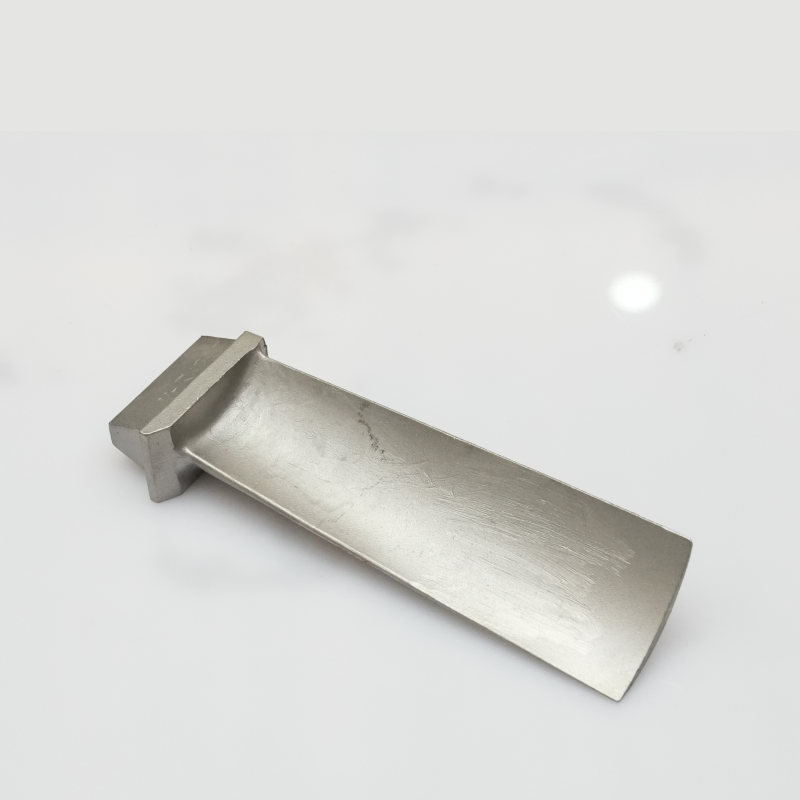
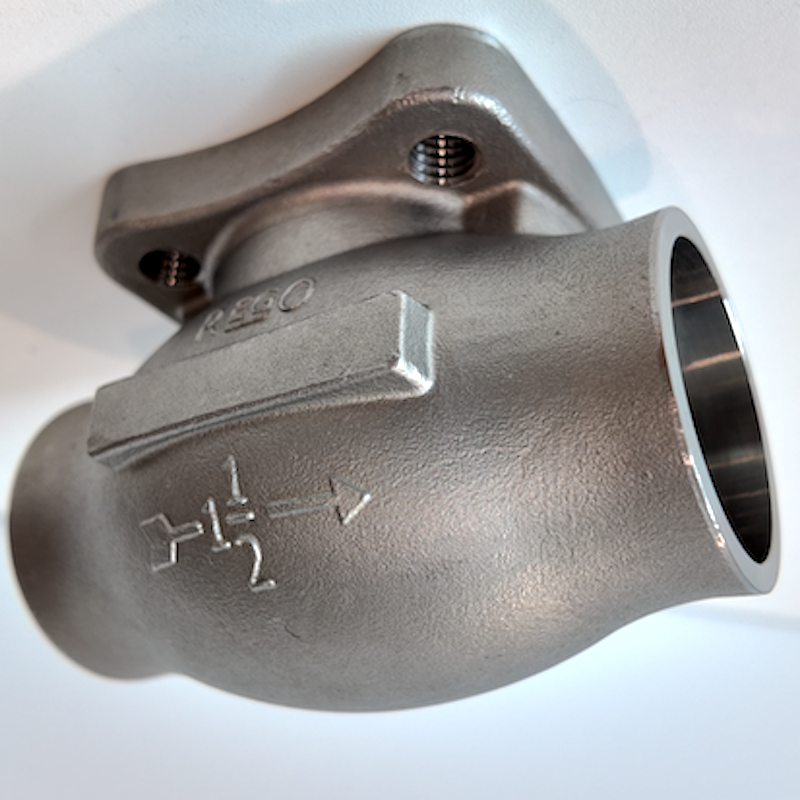
Working with a stainless steel investment casting foundry provides access to components with superior material properties and exceptional corrosion resistance that extend product lifespan and reduce maintenance requirements across demanding applications. Stainless steel alloys offer an ideal combination of strength, durability, and resistance to environmental degradation, making them the material of choice for components exposed to harsh conditions, corrosive chemicals, extreme temperatures, or hygienic requirements. The investment casting process preserves and optimizes these inherent material properties through controlled solidification and heat treatment procedures that ensure uniform microstructure throughout the component. When molten stainless steel fills the ceramic mold in a stainless steel investment casting foundry, it solidifies in a controlled environment that minimizes defects, eliminates porosity, and produces dense, homogeneous material structure. This results in mechanical properties that meet or exceed those of wrought materials, with tensile strengths ranging from 70,000 to over 200,000 psi depending on the specific alloy selected. The corrosion resistance of stainless steel castings makes them ideal for marine environments, chemical processing plants, food and beverage production, medical applications, and outdoor installations where exposure to moisture, salt, acids, or other corrosive substances would quickly degrade lesser materials. A stainless steel investment casting foundry can work with austenitic grades like 304 and 316 for general corrosion resistance and non-magnetic properties, ferritic grades for specific corrosion resistance and magnetic applications, martensitic grades for high strength and hardness requirements, and duplex grades combining strength with superior corrosion resistance. This material versatility allows engineers to select the optimal alloy for each specific application, balancing performance requirements with cost considerations. The passive chromium oxide layer that forms naturally on stainless steel surfaces provides self-healing protection against corrosion, ensuring long-term reliability even in challenging environments. Components produced by a stainless steel investment casting foundry maintain their structural integrity and appearance over extended service lives, reducing replacement frequency and lowering total cost of ownership. The heat resistance of many stainless steel alloys allows castings to perform reliably at elevated temperatures, making them suitable for exhaust systems, furnace components, and turbine applications. Biocompatibility of certain stainless steel grades makes investment castings ideal for surgical instruments, orthopedic implants, and dental equipment where the material must safely interface with human tissue without causing adverse reactions.

 EN
EN